
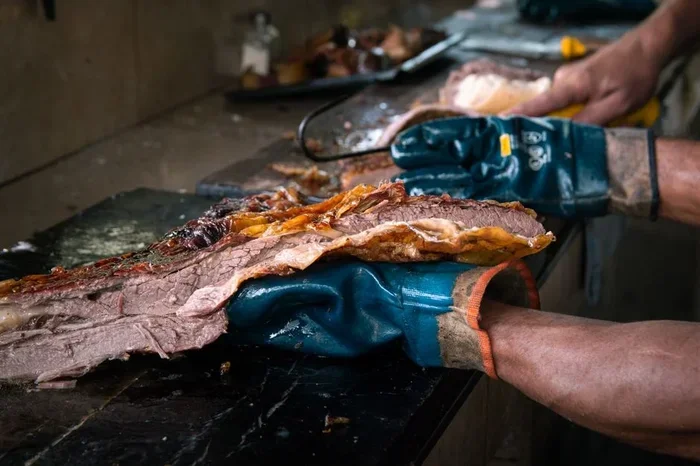
Cooking corned beef the right way turns a tough cut into a melt-in-your-mouth dish. Knowing how long to cook corned beef depends on your method, the cut, and the size. This guide gives you clear times and simple tips for tender corned beef every single time.
Key Takeaways
- Low and slow is best: Corned beef needs long, gentle cooking at low heat to become tender and juicy.
- Stovetop, oven, and slow cooker times differ: Each method has its own ideal cooking duration and temperature.
- Internal temperature matters most: Aim for 145°F to 160°F depending on your preferred texture and doneness.
- Resting is crucial: Letting corned beef rest after cooking keeps it moist and flavorful.
- Size and cut affect timing: A larger or fattier piece will naturally take longer to cook through.
- Brine and seasoning enhance flavor: Proper brining and spice blends make a big difference in the final taste.
📑 Table of Contents
- Introduction
- How Long to Cook Corned Beef: The Basics
- Stovetop Corned Beef Cooking Time
- Oven-Baked Corned Beef: Times and Temperatures
- Slow Cooker Corned Beef: Set It and Forget It
- How to Tell When Corned Beef Is Done
- Tips for the Most Tender Corned Beef
- Common Mistakes When Cooking Corned Beef
- Quick Tips for Perfect Corned Beef Every Time
- Expert Insights on Corned Beef Timing
- Conclusion
Introduction
Corned beef is a classic dish that brings comfort and flavor to any table. Whether it is a St. Patrick’s Day centerpiece or a weeknight dinner, getting it right matters. The big question most home cooks face is: how long to cook corned beef so it comes out tender and not rubbery?
The answer depends on your cooking method, the size of the cut, and how you like your meat. A slow simmer on the stove, a low bake in the oven, or a set-it-and-forget-it slow cooker all need different times. This guide walks you through everything you need to know for perfectly tender corned beef every time.
We will cover stovetop, oven, and slow cooker methods. You will learn exact times, temperatures, and the simple tricks that separate good corned beef from great corned beef. Let us get into it.
How Long to Cook Corned Beef: The Basics
The short answer is that corned beef generally needs to cook for a long time at a low temperature. This cut comes from the brisket, which is a tough piece of meat full of connective tissue. That tissue needs time to break down into gelatin, which is what gives you that soft, silky texture.
Most recipes call for cooking corned beef at around 325°F to 350°F for several hours. The general rule is about 45 to 60 minutes per pound. But that number shifts depending on the method you choose. Let us break down each one.
Why Low and Slow Works
High heat toughens meat. It squeezes out moisture and makes the proteins tighten up. Low and slow cooking does the opposite. It gently melts the collagen in the meat, turning it into rich, flavorful gelatin. This is the secret to tender corned beef. If you rush the process, you end up with a chewy, dry result no matter how long you cook it.
Stovetop Corned Beef Cooking Time
Cooking corned beef on the stove is one of the most traditional methods. It gives you great control over the heat and lets you build flavor in the liquid. This method works well for smaller cuts and delivers consistent results.
Stovetop Times by Size
For a typical 2 to 3 pound corned beef brisket, plan for about 2.5 to 3.5 hours on the stovetop. A larger 4 to 5 pound piece may need 4 to 5 hours. Here is a quick breakdown:
- 2 pound cut: 2 to 2.5 hours
- 3 pound cut: 2.5 to 3 hours
- 4 pound cut: 3.5 to 4 hours
- 5 pound cut: 4 to 5 hours
Keep the heat at a low simmer. The liquid should barely bubble. If it boils hard, the meat will become tough. You can check for doneness by piercing the thickest part with a fork. If it slides in easily, the meat is ready. For more tips on fixing tough results, see this guide on how to fix tough corned beef on the stove.
Best Stovetop Tips
- Start by soaking the corned beef in cold water for 1 to 2 hours to remove excess salt.
- Add aromatics like onion, garlic, bay leaves, and peppercorns to the cooking liquid.
- Keep the lid on the pot to trap heat and moisture.
- Turn the meat halfway through cooking for even results.
Oven-Baked Corned Beef: Times and Temperatures
Oven cooking is a favorite because it is hands-off and heats evenly. You can braise the corned beef in a covered pot or roast it on a rack. The oven method gives you a slightly different texture and flavor profile compared to the stovetop.
Oven Times for Different Cuts
For oven-baked corned beef, preheat your oven to 325°F. A 2 to 3 pound brisket will take about 2 to 3 hours. A 4 to 5 pound piece needs roughly 3.5 to 4.5 hours. Here is a simple comparison:
| Cut Size | Temperature | Cooking Time |
|---|---|---|
| 2 pounds | 325°F | 2 to 2.5 hours |
| 3 pounds | 325°F | 2.5 to 3 hours |
| 4 pounds | 325°F | 3.5 to 4 hours |
| 5 pounds | 325°F | 4 to 4.5 hours |
Wrap the corned beef tightly in foil or keep it covered with a lid. This locks in moisture. You want the internal temperature to reach at least 145°F for safe eating, but many cooks let it go to 160°F for extra tenderness. If you enjoy oven-cooked meats, you might also like how long to cook salmon at 400°F for another perfectly timed dish.
Oven Method Variations
- Braised: Place corned beef in a Dutch oven with liquid, cover, and cook low and slow.
- Roasted: Set the meat on a rack over a baking sheet for a drier, more caramelized exterior.
- Foil-wrapped: Wrap tightly in foil for a steaming effect that keeps the meat very tender.
Slow Cooker Corned Beef: Set It and Forget It
The slow cooker is arguably the easiest way to cook corned beef. You load everything in, set the timer, and come back to a perfectly cooked meal. The low, steady heat is ideal for breaking down tough fibers. This method is very forgiving and hard to mess up.
Slow Cooker Time Guidelines
Most slow cooker recipes call for 8 to 10 hours on low or 4 to 5 hours on high. For a standard 2 to 3 pound corned beef, here is what to expect:
- Low setting: 8 to 10 hours
- High setting: 4 to 5 hours
Always aim for the low setting when possible. It cooks more evenly and produces a more tender result. The meat should reach an internal temperature of 160°F for the best texture. If you are new to slow cooking, check out this helpful resource on how to cook on a rice cooker for another set-it-and-forget-it approach to meals.
Slow Cooker Pro Tips
- Place the fat side up so the fat renders down and bathes the meat.
- Add vegetables like potatoes, carrots, and onions in the last 2 hours to prevent mushiness.
- Do not lift the lid during cooking. Every peek releases heat and adds time.
- If your cut is lean, add a splash of broth to prevent drying out.
How to Tell When Corned Beef Is Done
Time is just a guideline. The real indicator of doneness is the internal temperature and the texture of the meat. Every corned beef is different, so relying on a thermometer is the most accurate way to check.
Temperature Guide
- 145°F: Safe to eat, but slightly firmer in texture.
- 155°F to 160°F: Ideal range for tender, sliceable corned beef.
- 200°F to 205°F: Fall-apart tender, great for sandwiches and shredded beef.
Use a meat thermometer inserted into the thickest part of the cut. Avoid touching bone or fat, as this gives a false reading. The meat should also feel soft when you press it with tongs. If it still feels firm, it needs more time.
Visual and Touch Cues
When corned beef is properly cooked, the meat will look matte rather than shiny. The fibers will separate easily when you slice against the grain. A good corned beef will also shrink slightly as the moisture cooks out. This is normal and a sign that the collagen has broken down. For additional tenderizing techniques, you can read about how to tenderize meat naturally to apply to other cuts as well.
Tips for the Most Tender Corned Beef
Even with the right cooking time, small details make a big difference. Here are proven tips that take your corned beef from average to outstanding.
Soak Before Cooking
Most store-bought corned beef is heavily brined. Soaking it in cold water for 1 to 4 hours pulls out excess salt and balances the flavor. Change the water once or twice during soaking. If you skip this step, your final dish may taste overly salty and mask the spice flavors.
Season Generously
Corned beef comes with a spice packet, but you can do better. Add whole peppercorns, mustard seeds, bay leaves, garlic, and a touch of brown sugar. These seasonings deepen the flavor as the meat cooks slowly. Rub the spices into the meat before it goes into the pot or cooker.
Rest After Cooking
Once the corned beef is done, take it out and let it rest for 10 to 15 minutes. This lets the juices redistribute throughout the meat. If you slice it immediately, those juices run out and the meat dries. Resting keeps every bite moist and flavorful. For storage tips to keep leftovers fresh, see how to store beef properly.
Slice Against the Grain
This is one of the most overlooked steps. Look at the direction of the muscle fibers and cut perpendicular to them. Slicing with the grain makes the meat chewy no matter how well you cooked it. A sharp knife makes clean, even slices that look and feel better on the plate.
Common Mistakes When Cooking Corned Beef
Even experienced cooks make errors with corned beef. Here are a few pitfalls to avoid so your next attempt turns out perfectly.
Cooking at Too High a Temperature
This is the number one mistake. High heat tightens the proteins and squeezes out moisture. The result is tough, dry corned beef no matter how long it cooks. Always stay at a low simmer or low oven temperature. Patience is the key ingredient here.
Skipping the Soak
As mentioned, not soaking the corned beef can leave it far too salty. This also affects the overall seasoning balance of your dish. Take the extra hour or two to let the meat release excess brine.
Not Using Enough Liquid
Corned beef needs liquid to braise properly. The liquid should cover at least two-thirds of the meat. Water, broth, beer, or a mix of these all work. Too little liquid leads to uneven cooking and a dried-out surface.
Opening the Lid Too Often
In a slow cooker or covered pot, every time you lift the lid, you lose heat and moisture. This adds cooking time and can lead to inconsistent results. Trust the process and keep the lid on until the timer goes off.
Quick Tips for Perfect Corned Beef Every Time
- Soak your corned beef for 1 to 2 hours before cooking to reduce salt.
- Cook low and slow: 325°F in the oven or a gentle simmer on the stove.
- Use a meat thermometer and aim for 155°F to 160°F for tender results.
- Let the meat rest for 10 to 15 minutes before slicing.
- Always slice against the grain for maximum tenderness.
- Add fresh herbs and spices to boost flavor beyond the packet.
- Save the cooking liquid for soups, stews, or reheating.
Expert Insights on Corned Beef Timing
Professional chefs agree that corned beef rewards patience. The cut is inherently tough because it comes from the shoulder area of the cow. That muscle works hard, and the connective tissue needs time to transform. Rushing the process is the enemy of tenderness.
Many chefs recommend a two-stage approach for oven cooking. Start at 325°F for the first hour to set the exterior, then lower the temperature to 300°F for the remaining time. This gentle finish allows the interior to cook evenly without drying out the outer layers. Another pro move is to baste the corned beef every 45 minutes with the cooking liquid. This adds a layer of flavor and keeps the surface moist. The extra effort creates a depth of taste that simple boiled corned beef cannot match.
Conclusion
Knowing how long to cook corned beef is the first step toward a delicious meal. Whether you use the stovetop, oven, or slow cooker, the principles remain the same: low heat, long cooking, and proper resting. Aim for an internal temperature of 155°F to 160°F for tender, sliceable meat, or push to 200°F for fall-apart shredded beef. Tender corned beef comes from patience and attention to detail, not from shortcuts. Use the tips in this guide, avoid the common mistakes, and you will have a perfect corned beef every single time.
Frequently Asked Questions
How long to cook corned beef at 350 degrees?
At 350°F, plan for about 1.5 to 2 hours for a 2 to 3 pound cut. The meat should reach an internal temperature of at least 155°F. Keep it covered with foil or a lid to retain moisture throughout the cooking process.
Can you cook corned beef too long?
Yes, but it is rare. Corned beef benefits from long cooking, but if you go well past 205°F internal temperature, the meat can become mushy and lose its structure. It also dries out if left uncovered or without enough liquid.
What is the best temperature to cook corned beef in the oven?
The ideal oven temperature is 325°F. This provides steady, even heat that slowly breaks down the tough fibers without drying out the meat. Some cooks lower it to 300°F for the second half of cooking for extra tenderness.
How do I know if my corned beef is done without a thermometer?
Poke the thickest part of the meat with a fork or knife. If it slides in with very little resistance and the fibers separate easily, the corned beef is likely done. The meat should also feel soft and slightly springy rather than firm or rubbery.
Is it better to cook corned beef in the oven or on the stove?
Both methods work well. The stovetop gives you more control and builds flavor through direct contact with the liquid. The oven is more hands-off and heats evenly. Slow cookers are the easiest option for set-it-and-forget-it convenience.
How long does corned beef last in the fridge after cooking?
Cooked corned beef stays fresh in the refrigerator for 3 to 4 days when stored in an airtight container. You can also freeze it for up to 3 months. Reheat gently with a splash of broth to keep the meat moist and flavorful.



