Discover how to cook on rice cooker like a pro with simple steps and creative recipes. Your rice cooker is more than just for rice—it’s a versatile kitchen tool that can save time and boost flavor. From fluffy jasmine rice to hearty one-pot meals, learn why upgrading your cooking game starts here.
Key Takeaways
- Rice cookers do more than cook rice: They’re perfect for grains, stews, steamed veggies, and even desserts.
- Proper water-to-rice ratio is key: Too much water leads to mushy rice; too little results in dry grains. Use 1:1.5 for white rice, 1:2 for brown rice.
- Pre-soaking improves texture: Soak rice for 30 minutes before cooking to reduce cooking time and improve tenderness.
- Use the keep-warm function wisely: Avoid long-term use—it’s meant for short-term holding, not extended storage.
- Clean your rice cooker regularly: Remove residue from the inner pot and lid to prevent odors and maintain performance.
- Experiment with ingredients: Add beans, lentils, or frozen veggies directly into the cooker for quick, nutritious meals.
- Choose the right cooker for your needs: Look for models with steam trays, delay timers, or multiple cooking functions.
📑 Table of Contents
- How to Cook on Rice Cooker: A Complete Guide to Mastering This Versatile Kitchen Tool
- Understanding Your Rice Cooker: Types and Features
- The Basics: How to Cook Perfect Rice Every Time
- Cooking Beyond Rice: Expanding Your Rice Cooker Recipes
- Tips for Flavorful and Healthy Cooking
- Troubleshooting Common Issues When Cooking on a Rice Cooker
- Cleaning and Maintaining Your Rice Cooker
- Creative Uses for Your Rice Cooker
- Choosing the Right Rice Cooker for Your Needs
- Conclusion: Unlock the Full Potential of Your Rice Cooker
How to Cook on Rice Cooker: A Complete Guide to Mastering This Versatile Kitchen Tool
If you’ve ever wondered how to cook on rice cooker, you’re not alone. Once considered a simple appliance for boiling rice, modern rice cookers have evolved into powerful, multi-functional devices that can handle everything from steaming fish to making creamy risottos. Whether you’re a busy parent, a college student, or someone looking to simplify meal prep, learning how to cook on rice cooker opens up a world of convenience and culinary possibilities.
Unlike traditional stovetop methods, a rice cooker uses precise temperature control and automated timing to deliver consistently perfect results every time. No more guessing when your rice is done or worrying about burning it on the burner. Plus, once the cooking cycle finishes, many models automatically switch to “keep warm” mode, so your meal stays at the ideal serving temperature without overcooking. That’s why understanding how to cook on rice cooker isn’t just about mastering rice—it’s about unlocking efficiency, flavor, and creativity in the kitchen.
Understanding Your Rice Cooker: Types and Features
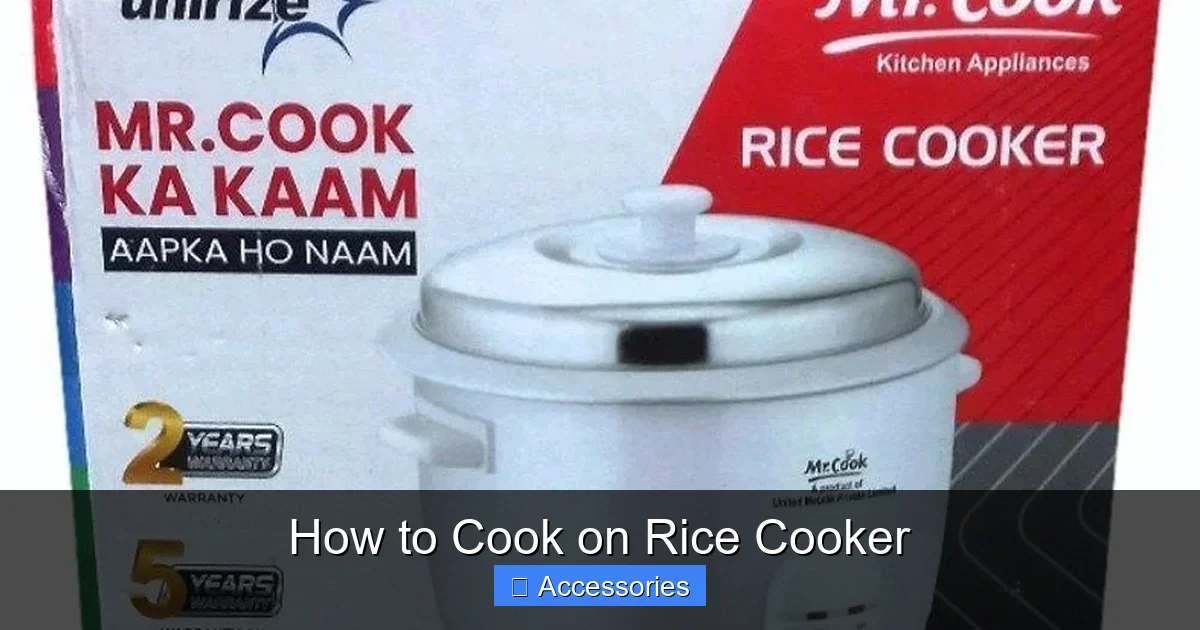
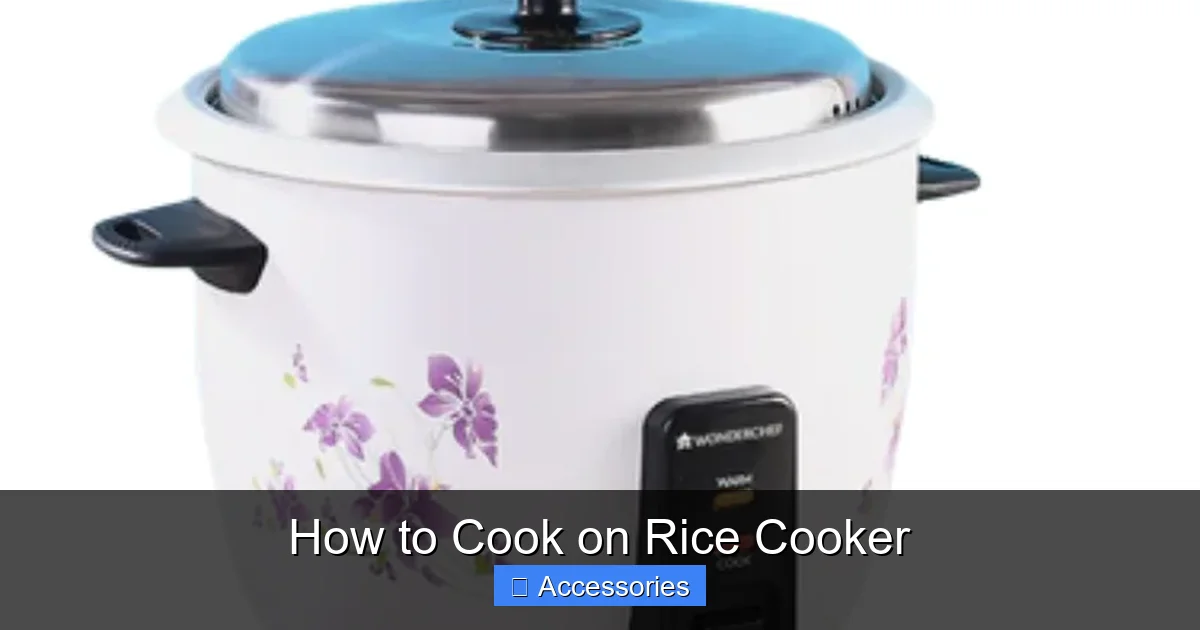
Before diving into recipes, it’s important to know what kind of rice cooker you have. There are two main types: basic and programmable. Basic models are simple—add rice and water, press a button, and wait. Programmable ones come with settings like quick cook, brown rice, sushi, or cook & carry. Some even include a steam tray for vegetables or eggs.
Visual guide about How to Cook on Rice Cooker
Image source: 5.imimg.com
Key Features to Look For
- Non-stick inner pot: Makes cleaning easier and prevents sticking.
- Steam vent: Releases excess moisture during cooking, improving texture.
- Timer function: Allows you to set a delay for when your meal will be ready.
- Multiple settings: Ideal for different grains, porridges, or even yogurt.
For example, if you frequently eat brown rice, look for a model with a dedicated setting—it adjusts cooking time and temperature to achieve the right chewiness without turning mushy. Similarly, how to cook on rice cooker becomes much easier when you know which features to use.
The Basics: How to Cook Perfect Rice Every Time
Mastering the foundation of how to cook on rice cooker starts with rice. While it seems simple, getting the technique right ensures every bowl is fluffy, separated, and delicious.
Visual guide about How to Cook on Rice Cooker
Image source: crockeryemporium.co.in
Step-by-Step Guide to Cooking Rice
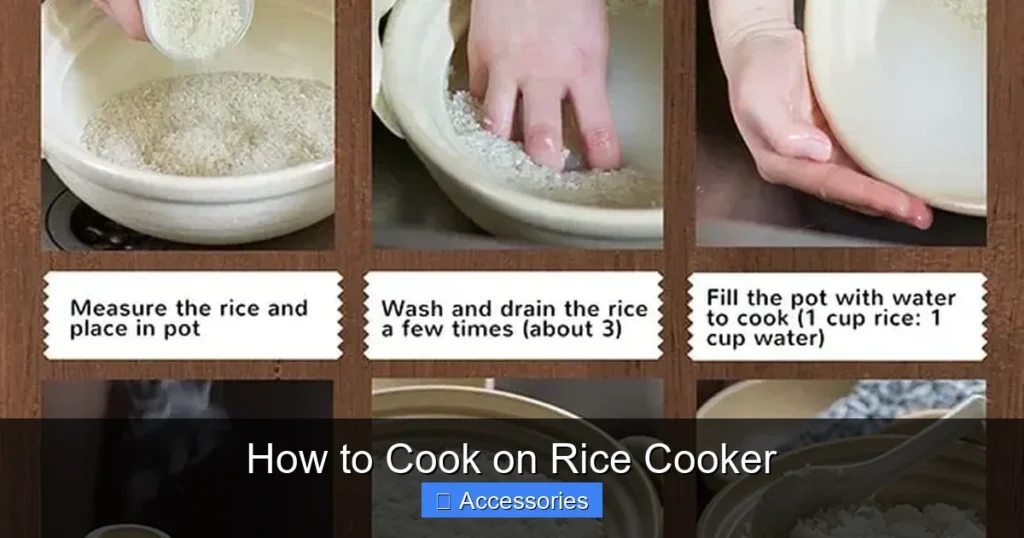
- Rinse the rice: Place rice in a fine-mesh strainer and rinse under cold water until the water runs clear. This removes excess starch and prevents gunkiness.
- Measure water accurately: For white rice, use a 1:1.5 ratio (1 cup rice to 1.5 cups water). Brown rice needs slightly more—about 1:2.
- Add ingredients: Stir in a pinch of salt or a teaspoon of oil for flavor and shine.
- Start cooking: Close the lid and select the appropriate setting (usually “white rice” or “basic”).
- Avoid opening the lid: Resist the urge to peek—this releases steam and affects texture.
- Let it rest: After cooking, wait 5–10 minutes with the lid closed before fluffing with a fork.
This process applies whether you’re using a Japanese-style rice cooker or a simpler electric model. The key is consistency. Over time, you’ll develop a feel for adjustments based on altitude, humidity, or rice brand.
Cooking Beyond Rice: Expanding Your Rice Cooker Recipes
Now comes the fun part—using your rice cooker for more than just grains. With the right techniques, you can prepare entire meals in one pot. This is especially helpful when you want to minimize cleanup or cook hands-off.
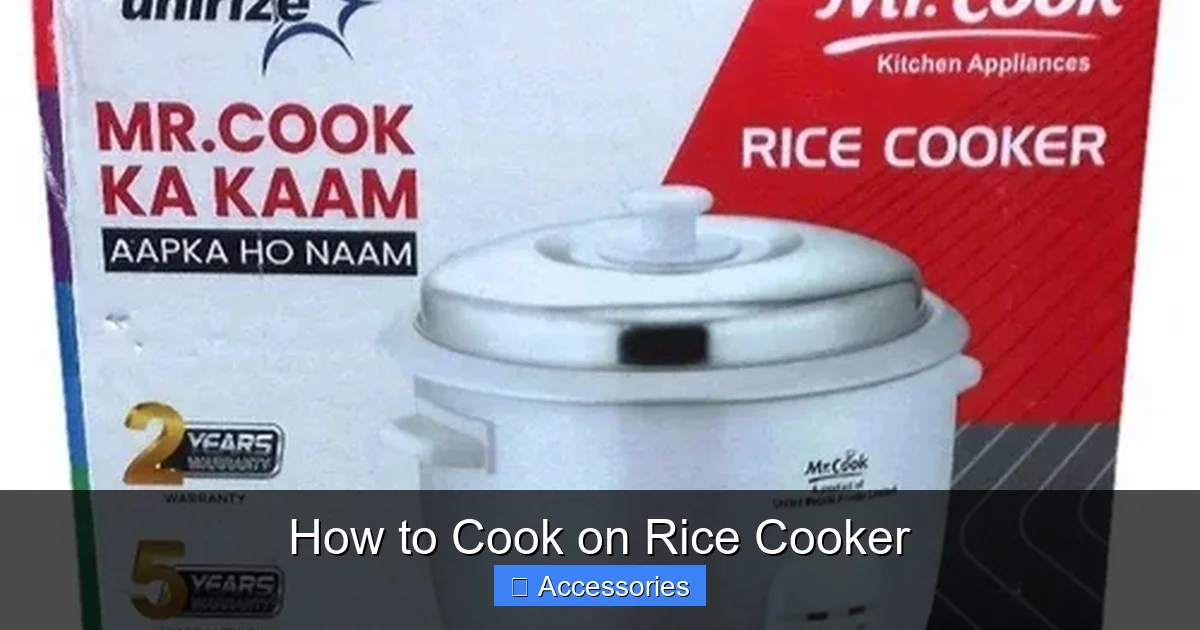
Visual guide about How to Cook on Rice Cooker
Image source: 5.imimg.com
One-Pot Meals You Can Make
- Vegetable and lentil soup: Combine lentils, diced carrots, celery, onions, garlic, broth, and spices. Cook on “porridge” or “manual” mode until tender.
- Chicken and rice casserole: Sauté chicken breasts with herbs, add rice, broth, and frozen peas. Let it cook through.
- Oatmeal or porridge: Use steel-cut oats with milk or water on the “grain” setting for creamy overnight oats.
- Steamed dumplings or buns: Place dumplings in the steamer basket above the rice for a complete dinner.
When cooking other foods, remember to adjust liquid levels. For instance, beans need more water than rice because they absorb moisture slowly. And always check doneness manually after the cycle ends—some proteins or legumes may need extra time.
Tips for Flavorful and Healthy Cooking
Using your rice cooker doesn’t mean sacrificing taste. In fact, its sealed environment helps lock in flavors better than open-pan cooking.
Enhance Flavor Naturally
- Toast aromatics first: Lightly sauté garlic, ginger, or onions in oil before adding liquid to build depth.
- Use broth instead of water: Chicken, vegetable, or mushroom broth adds richness to grains and soups.
- Layer ingredients strategically: Put heavier items like meat at the bottom and delicate veggies on top to prevent mushiness.
- Add herbs late: Delicate herbs like cilantro or basil go in after cooking to preserve their aroma.
For example, try making a Moroccan-inspired dish by cooking quinoa with cumin, coriander, dried apricots, and chickpeas. The result is a fragrant, protein-packed grain bowl that rivals takeout.
Troubleshooting Common Issues When Cooking on a Rice Cooker
Even with the best intentions, things don’t always go as planned. Here’s how to fix common problems related to how to cook on rice cooker.
Why Is My Rice Mushy?
This usually happens due to too much water or overcooking. Try reducing water by 1–2 tablespoons per cup of rice. Also, avoid using the “keep warm” function for longer than an hour—it continues heating, which breaks down starch.
My Rice Is Dry or Hard
Check your water ratio first. If it’s correct, the issue might be low-quality rice or an old cooker with faulty sensors. Consider soaking the rice for 30 minutes beforehand to soften it before cooking.
Food Sticks to the Pot
Always use a non-stick inner pot and ensure it’s clean. Adding a small amount of oil or butter before cooking can also prevent adhesion.
Cleaning and Maintaining Your Rice Cooker
Proper maintenance extends the life of your appliance and keeps it hygienic. Cleaning should happen immediately after use.
Cleaning Steps
- Unplug the unit and let it cool completely.
- Remove the inner pot and wash it with warm, soapy water. Use a soft sponge—no abrasive scrubbers.
- Wipe the exterior and lid with a damp cloth.
- Check the steam vent for blockages and clear them gently.
- Store with the lid slightly ajar to air out moisture.
Regular cleaning prevents lingering smells and bacterial growth, especially important if you cook soups or meats. Never submerge the base in water—only the removable parts should get wet.
Creative Uses for Your Rice Cooker
Think outside the box! Your rice cooker can do far more than cook rice. Here are some unexpected but delicious ideas:
- Baked apples or pears: Core fruit, stuff with cinnamon and sugar, and place in the cooker with a splash of water. Cook for 45 minutes.
- Hard-boiled eggs: Add eggs directly to the pot with water, cover, and cook on high for 15–18 minutes.
- Yogurt: Use the “fermentation” setting to make homemade yogurt with minimal effort.
- Porridge or congee: Simmer rice with broth until it reaches a creamy consistency—great for breakfast or sick days.
These hacks make your rice cooker a true multitool in the kitchen. And since all these methods follow similar principles to standard rice cooking, they’re easy to master once you understand how to cook on rice cooker.
Choosing the Right Rice Cooker for Your Needs
If you’re investing in a new rice cooker, consider your lifestyle. Do you want something compact for dorm rooms, or a large-capacity model for families? Are you interested in smart features like app connectivity or voice control?
Look for brands known for reliability, such as Zojirushi, Panasonic, or Cuckoo. Read reviews like our Aroma Professional Plus Rice Cooker Reviews ARC-5000SB to compare performance, ease of use, and durability. A good rice cooker is a long-term companion—worth choosing wisely.
Also, think about versatility. Models with multiple settings allow you to cook everything from sushi rice to risotto, reducing the need for extra appliances. That’s where how to cook on rice cooker truly shines—offering flexibility without complexity.
Conclusion: Unlock the Full Potential of Your Rice Cooker
Learning how to cook on rice cooker transforms your daily routine. It simplifies meal prep, saves energy, and delivers consistent results. Whether you’re cooking plain white rice or experimenting with global dishes, this humble kitchen gadget proves its worth time and again.
From mastering the basics to exploring advanced recipes, your journey with the rice cooker is full of discovery. And remember—mistakes are part of the process. If your first attempt at lentil stew turns out too thick, simply adjust next time. Practice makes perfect.
So go ahead, fire up your rice cooker, and start cooking beyond the ordinary. Your future self will thank you for the saved time, less mess, and delicious meals made effortlessly.
Related Articles You Might Enjoy
- Learn how to fix common issues like mushy rice to perfect your technique.
- Explore how to make cauliflower rice for a low-carb alternative.
- Discover tips to tenderize beef if you’re planning a rice-based meat dish.
- Find out how to vacuum seal meat for longer storage before cooking.
- Check out microwave cooking methods for quick protein options to pair with rice.
Frequently Asked Questions
Can I cook other grains in a rice cooker?
Yes! Rice cookers work great with quinoa, barley, oats, millet, and bulgur. Just adjust the water ratio—quinoa typically uses 1:2, while oats may need less liquid depending on desired consistency.
Do I need to soak rice before cooking it in a rice cooker?
Not always, but soaking (for 30 minutes) improves texture and reduces cooking time. It’s especially helpful for brown rice or older grains that tend to be harder.
How long does it take to cook rice in a rice cooker?
Most rice cookers take 20–35 minutes on average. White rice is usually faster (around 20 minutes), while brown rice takes closer to 40–45 minutes. Exact times depend on the model and quantity.
Can I leave my rice cooker unattended while cooking?
Absolutely. One of the benefits of a rice cooker is its automation. Once you press start, it handles everything—just make sure the power supply is stable and the area is safe.
Is it safe to use metal utensils in my rice cooker?
No. Always use wooden, silicone, or plastic spoons and spatulas. Metal can scratch the non-stick coating inside the pot, affecting both safety and performance.
Can I cook frozen food directly in my rice cooker?
Yes, but carefully. Add frozen ingredients with extra liquid and increase cooking time. For meats, thaw slightly first to ensure even heating. Avoid overcrowding the pot.