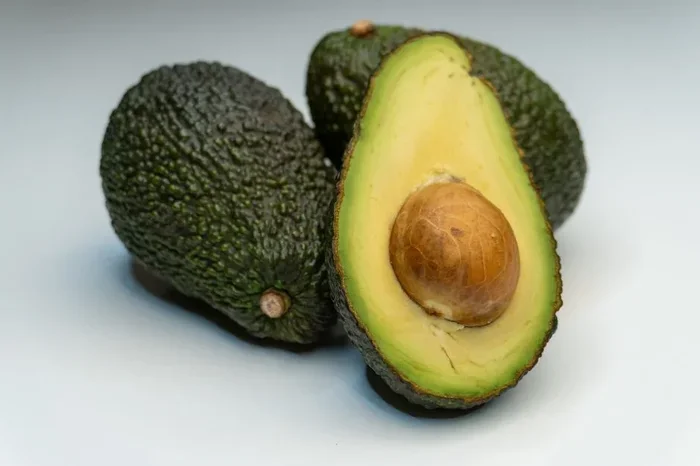
Avocado is a nutrient-packed superfood loaded with healthy fats, fiber, and essential vitamins. A single avocado contains around 240 calories, making it energy-dense yet incredibly good for you. Understanding the calories in avocado helps you make smarter food choices and enjoy this creamy fruit without guilt.
Avocado has taken the food world by storm. You see it on toast, in salads, and blended into smoothies. But have you ever stopped to think about the calories in avocado? This creamy green fruit is more than just a trendy topping. It is a powerhouse of nutrition that deserves a spot in your kitchen.
Many people worry about the calorie count in avocado. After all, it is higher in calories than most fruits. But here is the thing. The calories in avocado come from healthy fats that your body actually needs. These fats support brain function, help absorb vitamins, and keep you feeling full. Once you understand what makes up those calories, you will see why this fruit earns its superfood status.
In this article, we will break down the calories in avocado in detail. You will learn about the nutrition profile, health benefits, and practical ways to add it to your meals. Whether you eat avocado every day or are just curious, this guide has you covered.
Key Takeaways
- One whole avocado has about 240 calories: mostly from heart-healthy monounsaturated fats.
- Avocado is nutrient-dense: packed with fiber, potassium, folate, and vitamins C, E, and K.
- It supports heart health and weight management: the healthy fats keep you full longer.
- Serving size matters: a typical serving is one-third to one-half of an avocado.
- Avocado pairs well with many meals: from toast and salads to smoothies and bowls.
- Storage matters: proper handling keeps avocados fresh and retains their nutrients.
📑 Table of Contents
Understanding the Calories in Avocado
The calories in avocado might surprise you. A whole Hass avocado, which is the most common variety, contains about 240 calories. But not all avocados are the same size. The calorie count changes depending on the size and type of avocado you choose.
What Makes Up the Calories in Avocado
So where do the calories in avocado actually come from? Let us break it down.
- Healthy fats: About 77% of the calories in avocado come from fat. But this is not the bad kind. Most of it is monounsaturated fat, specifically oleic acid.
- Carbohydrates: Avocados have low carbs compared to other fruits. About 8% of the calories come from carbs, mostly fiber.
- Protein: A small portion, around 4%, comes from protein.
- Fiber: A whole avocado has about 10 grams of dietary fiber, which is a big chunk of your daily needs.
The fat content is what makes the calories in avocado higher than most fruits. But these are unsaturated fatty acids that support heart health. They help lower bad cholesterol and raise good cholesterol. That is a trade-off most nutrition experts fully support.
Calories by Avocado Size
Avocados come in different sizes. Here is a simple breakdown of the calories in avocado based on size.
- Small avocado (about 110g): Around 110 calories. Great for a single serving.
- Medium avocado (about 150g): Around 160 calories. A good portion for one meal.
- Large avocado (about 200g): Around 220 calories. Perfect for sharing or meal prep.
- Extra-large avocado (about 250g+): Around 280 calories. This is a big one!
Knowing the size helps you plan your meals better. If you are watching your intake, go for a smaller avocado or use just one-third of a large one. A typical serving is about one-third to one-half of a whole avocado.
Nutritional Breakdown of Avocado
The calories in avocado are just the beginning. This fruit is loaded with nutrients that support overall health. Let us look at what makes avocado so special from a nutrition standpoint.
Healthy Fats That Actually Help You
Avocados are rich in monounsaturated fatty acids. These are the same healthy fats found in olive oil. They play a key role in heart health and nutrient absorption. When you eat avocado with vegetables, your body absorbs more vitamins and antioxidants from those veggies.
These healthy fats also help with weight management. They keep you satiated, which means you feel full longer. This can reduce the urge to snack on unhealthy foods between meals. That is a huge win for anyone trying to eat better.
Vitamins and Minerals Galore
Beyond the fats, the calories in avocado come with a bonus package of vitamins and minerals.
- Potassium: Avocados have more potassium than bananas. This mineral helps regulate blood pressure and fluid balance.
- Folate: Essential for cell growth and especially important during pregnancy.
- Vitamin K: Supports bone health and helps with blood clotting.
- Vitamin E: A powerful antioxidant that protects your cells from damage.
- Vitamin C: Boosts your immune system and supports skin health.
- B Vitamins: Help convert food into energy and support brain function.
The nutrient density of avocado is what sets it apart from other high-calorie foods. You are not just getting empty calories. Every bite delivers real, measurable health benefits.
Dietary Fiber Content
One of the most overlooked benefits of avocado is its fiber content. A whole avocado provides about 10 grams of fiber. That is roughly one-third of the daily recommended intake. Fiber aids digestion, supports gut health, and helps maintain stable blood sugar levels.
Most people do not get enough fiber in their diet. Adding avocado to your meals is an easy and delicious way to boost your intake. The combination of soluble and insoluble fiber makes avocado a great choice for digestive health.
Health Benefits of Eating Avocado
Now that you understand the calories in avocado and their nutritional profile, let us talk about the real-world health benefits. This is where the hype actually earns its credibility.
Heart Health and Cholesterol
The monounsaturated fats in avocado are linked to improved heart health. Studies show that regular avocado consumption can lower LDL cholesterol (the bad kind) and raise HDL cholesterol (the good kind). The potassium content also helps regulate blood pressure, which is a major factor in cardiovascular health.
Avocados also contain plant sterols, specifically beta-sitosterol. These compounds help block cholesterol absorption in the gut. That is a double benefit for your heart.
Weight Management and Satiety
It might seem counterintuitive. A high-calorie food helping with weight management. But the calories in avocado work differently than calories from processed foods. The combination of healthy fats and fiber creates a strong satiety effect. You feel satisfied after eating avocado, which helps prevent overeating.
Research has shown that people who regularly eat avocado tend to have lower body weight and a healthier body mass index. The key is portion control and choosing whole, natural sources of fat over processed ones.
Eye Health and Antioxidants
Avocados contain lutein and zeaxanthin, two powerful antioxidants that protect your eyes. These compounds are concentrated in the macula of the eye and help reduce the risk of age-related macular degeneration. They also filter harmful blue light, which is great for anyone who spends long hours in front of screens.
Nutrient Absorption Boost
Here is a cool fact. Some nutrients are fat-soluble, meaning your body needs fat to absorb them. Vitamins A, D, E, and K all fall into this category. When you eat avocado alongside vegetables like carrots or leafy greens, you absorb significantly more of these nutrients. The healthy fats in avocado act as a natural absorption booster.
Next time you make a salad, add some avocado slices. Your body will thank you for it. This is one reason why the calories in avocado are so well worth it.
How Avocado Compares to Other Foods
To truly appreciate the calories in avocado, it helps to compare them to other common foods. This gives you a clearer picture of what you are actually eating.
For example, a medium banana has about 105 calories. A tablespoon of butter has around 102 calories. A slice of cheese can have 80 to 110 calories. Compared to these, a one-third portion of avocado at about 80 calories delivers far more nutritional value per calorie.
Avocado also compares favorably to nuts and seeds, which are also calorie-dense. While nuts offer great nutrition, avocado provides a unique combination of healthy fats, fiber, and water content that makes it more filling per calorie.
When you think about meal prep, avocado is a versatile ingredient that enhances many dishes. If you are interested in storing food properly for longer freshness, check out how to store food in Mylar bags for bulk ingredients. And for healthy snack ideas, learning how to dehydrate vegetables in the oven can complement your avocado-based meals with crunchy, nutrient-rich alternatives.
Practical Tips for Adding Avocado to Your Diet
Now that you know all about the calories in avocado and the benefits, the next step is simple. Start eating more of it. Here are some practical and delicious ways to make avocado a regular part of your meals.
Best Ways to Eat Avocado
- On whole-grain toast: Mash half an avocado, add a pinch of salt and red pepper flakes. Instant nutrition.
- In salads: Slice or cube avocado and toss it with greens, tomatoes, and a light vinaigrette.
- In smoothies: Blend half an avocado with spinach, banana, and almond milk for a creamy, nutritious drink.
- As a spread: Use avocado instead of mayonnaise on sandwiches and wraps.
- On eggs: Top scrambled or poached eggs with sliced avocado for a satisfying breakfast.
- In bowls: Add avocado to grain bowls, poke bowls, or Buddha bowls for healthy fats and creaminess.
How Much Avocado Should You Eat?
A good rule of thumb is one-third to one-half of an avocado per serving. This gives you about 80 to 120 calories along with a solid dose of healthy fats and fiber. If you are active or trying to gain weight, a whole avocado makes a great addition to a meal.
For meal prep, storing your avocado properly matters. If you have leftover avocado halves, brush them with lemon juice and store them in an airtight container. For other healthy food storage tips, learn how to store baby carrots in the fridge to keep your produce fresh longer.
Quick Tips for Choosing and Ripening Avocados
- Pick avocados that are slightly soft but not mushy when gently squeezed.
- To ripen an avocado faster, place it in a paper bag with a banana.
- Store unripe avocados at room temperature and ripe ones in the refrigerator.
- Buy avocados in different stages of ripeness so you always have one ready to eat.
Common Mistakes People Make with Avocado
Even a superfood can be misused. Here are some common mistakes to avoid when enjoying avocado.
- Eating too much at once: It is easy to overdo it because avocado tastes so good. Stick to reasonable portions to manage your calorie intake.
- Pairing it with unhealthy foods: Avocado on a bacon cheeseburger adds calories without the nutritional balance. Pair it with whole foods instead.
- Ignoring ripeness: An unripe avocado will not deliver the best flavor or texture. Let it ripen properly before eating.
- Not storing it correctly: Exposed avocado flesh browns quickly. Always use lemon juice or store it airtight.
- Assuming all avocados are the same: Different varieties have different fat contents and flavors. Hass avocados are the most common and nutrient-rich.
Avoiding these mistakes helps you get the most out of every avocado you eat. The calories in avocado are worth it when you use this fruit the right way.
The Bottom Line on Calories in Avocado
The calories in avocado are not something to fear. They are a sign of a food that is packed with energy, nutrition, and health benefits. From heart health to weight management, from eye protection to better nutrient absorption, avocado delivers on its superfood promise.
A single avocado contains about 240 calories, mostly from heart-healthy monounsaturated fats and dietary fiber. These are the kinds of calories your body actually uses and benefits from. When you compare avocado to processed snacks or refined carbohydrates, the choice is clear.
Adding avocado to your diet is simple and delicious. Whether you spread it on toast, blend it into a smoothie, or slice it onto a salad, you are giving your body something truly nutritious. The key is to enjoy it in reasonable portions and pair it with other whole foods.
So go ahead. Embrace the avocado hype. Your body will thank you for it. This creamy green fruit has earned every bit of its reputation as a modern superfood. Start today, and make the calories in avocado work for you.
Frequently Asked Questions
How many calories are in half an avocado?
Half a medium avocado contains approximately 120 calories. This is a common serving size and provides a good balance of healthy fats, fiber, and essential nutrients. It is a great portion for a single meal or snack.
Are the calories in avocado bad for you?
No, the calories in avocado are not bad for you. They come from healthy monounsaturated fats that support heart health and help your body absorb vitamins. These are nutrient-dense calories that fuel your body effectively.
Can eating avocado help me lose weight?
Yes, avocado can support weight management. The healthy fats and fiber in avocado keep you feeling full longer, which can reduce overall calorie intake. The key is to enjoy it in moderation as part of a balanced diet.
How does the calorie count in avocado compare to other fruits?
Avocado has more calories than most fruits because it is higher in fat content. For example, a banana has about 105 calories while a whole avocado has around 240. However, avocado provides far more healthy fats and fiber per calorie.
What is the best time of day to eat avocado?
Avocado works well at any time of day. It is great for breakfast on toast, lunch in a salad, or dinner in a bowl. The healthy fats provide steady energy, making it a good choice for any meal.
Does ripeness affect the calories in avocado?
No, the calorie count stays the same regardless of ripeness. A ripe avocado and an unripe avocado of the same size have the same number of calories. However, ripe avocados taste better and are easier to digest.
=== CONCLUSION ===
The calories in avocado tell only part of the story. This remarkable fruit brings a wealth of nutrition to your plate. With its healthy fats, fiber, and essential vitamins, avocado is a food that genuinely earns its superfood title.
Whether you are focused on heart health, weight management, or simply eating better, avocado fits the bill. It is versatile, delicious, and backed by solid nutrition science. The next time you pick up an avocado, remember that those calories are doing real work for your body.
Start adding avocado to your meals today. Your taste buds and your health will both benefit from this incredible superfood.