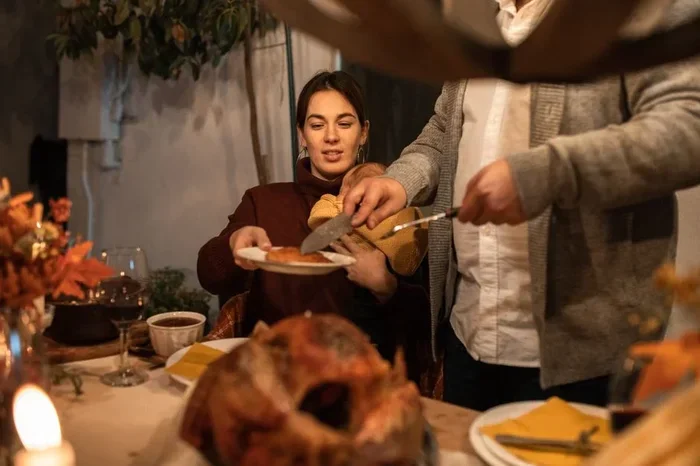
How long to cook a turkey per pound at 325 is a question every home cook asks before a big meal. The general rule is 13 to 15 minutes per pound for an unstuffed bird at 325°F. This guide covers timing charts, stuffed vs. unstuffed differences, and expert tips to help you roast a perfect turkey every time.
Cooking a turkey can feel intimidating, especially when you are planning a big meal for family and friends. One question comes up again and again: how long to cook a turkey per pound at 325. The answer depends on a few factors, but the good news is that it is simpler than most people think.
Whether you are roasting a small bird for a weeknight dinner or a giant turkey for Thanksgiving, knowing the right time and temperature makes all the difference. In this guide, we break down the cooking times for turkey by weight, share practical tips, and help you avoid the mistakes that turn a perfect roast into a dry disaster. By the end, you will feel confident enough to roast your own turkey roast like a pro.
A turkey cooking time chart is a great starting point, but understanding why things take the time they do helps you adjust when needed. Factors like whether the bird is stuffed, its shape, and your oven’s accuracy all play a role. This guide covers everything you need to know about baking turkey at 325 degrees Fahrenheit.
Key Takeaways
- Plan for 13 to 15 minutes per pound: This is the standard turkey cooking time at 325°F for an unstuffed bird.
- Stuffed turkeys need extra time: Add 30 to 45 minutes compared to unstuffed birds of the same weight.
- Use a meat thermometer: The breast should reach 165°F and the thighs 175°F for safe, juicy results.
- 325°F is the ideal oven temperature: It cooks the turkey evenly without drying out the meat or burning the skin.
- Let the turkey rest for 20 to 30 minutes: This allows juices to redistribute for a more tender result.
- Avoid common mistakes: Don’t skip thawing, don’t open the oven door too often, and don’t rely on pop-up timers alone.
📑 Table of Contents
How Long to Cook a Turkey Per Pound at 325
The general rule for how long to cook a turkey per pound at 325 is about 13 to 15 minutes per pound for an unstuffed bird. This is the most commonly recommended oven temperature for roasting turkey because it cooks the meat evenly without drying it out too quickly.
Here is a quick breakdown of what to expect based on your turkey size:
| Turkey Weight | Unstuffed Cooking Time | Stuffed Cooking Time |
|---|---|---|
| 8-12 lbs | 2.5 to 3 hours | 3 to 3.5 hours |
| 12-14 lbs | 3 to 3.75 hours | 3.5 to 4 hours |
| 14-18 lbs | 3.75 to 4.5 hours | 4 to 4.5 hours |
| 18-20 lbs | 4.5 to 5 hours | 5 to 5.5 hours |
| 20-24 lbs | 5 to 6 hours | 6 to 6.5 hours |
These times are estimates. Every oven is different, and the actual turkey cooking time can vary. Always use a meat thermometer to check the internal temperature rather than relying solely on the clock.
Why 325 Degrees Fahrenheit?
Most cooking experts agree that 325°F is the sweet spot for roasting turkey. At this oven temperature, the meat cooks slowly and evenly. This gives the turkey breast and thighs time to stay moist while the skin turns golden brown.
Higher temperatures can cook the outside too fast, leaving the inside underdone. Lower temperatures take too long and can dry out the bird. 325 degrees strikes the perfect balance for most turkey recipes. Different proteins need different approaches. Unlike sausage in oven 400, which cooks quickly at high heat, turkey needs a lower temperature for a longer time to stay moist and cook through evenly.
Factors That Change Cooking Time
Not every turkey cooks the same way. Several factors can change your cooking time per pound:
- Turkey weight: Larger birds take longer per pound because the heat needs more time to reach the center.
- Stuffed vs. unstuffed: A stuffed turkey needs extra time because the filling acts as insulation.
- Oven type: Convection ovens cook faster than standard ovens. Reduce time by about 25% if using convection.
- Turkey shape: A wider bird takes longer than a deeper one at the same weight.
- Starting temperature: A frozen turkey takes much longer than a thawed one. Always thaw completely before roasting.
Turkey Cooking Time by Weight
Understanding how turkey weight affects cooking time helps you plan your meal better. Here is a closer look at what to expect for different sizes.
Small Turkeys (8 to 12 Pounds)
A small turkey roast in the 8 to 12 pound range is perfect for a family of four to six. At 325°F, expect about 2.5 to 3 hours for an unstuffed bird. These smaller birds cook relatively quickly, which means less time in the oven and a juicier result.
Quick Tip: If you are cooking a small turkey, consider brining it overnight. This adds flavor and moisture, which helps prevent the meat from drying out during the shorter cook time. A simple brine of salt, sugar, and water works wonders for birds under 12 pounds.
Medium Turkeys (12 to 18 Pounds)
This is the most common size for holiday meals. A 12 to 18 pound turkey will take about 3 to 4.5 hours at 325°F depending on whether it is stuffed. The turkey breast should reach 165°F, and the thighs should hit 175°F for the best texture.
Expert Insight: Many cooks find that medium-sized turkeys are the easiest to manage. They fit most standard ovens and provide enough meat for a generous crowd without requiring overnight thawing. This size range also gives you the most flexibility with timing if guests are running late.
Large Turkeys (18 to 24 Pounds)
Big turkeys take patience. An 18 to 24 pound bird can take anywhere from 4.5 to 6 hours at 325°F. The key is to resist the urge to increase the temperature to speed things up. Cranking the heat will brown the outside too fast while leaving the center undercooked.
If you are cooking a very large bird, consider tenting the breast with foil after the first two hours. This slows down the browning and gives the turkey breast more time to cook through without burning. Also, make sure your oven is large enough to fit the bird comfortably with air circulating around it.
Stuffed vs. Unstuffed Turkey Cooking Times
Whether you stuff your turkey is one of the biggest decisions that affects cooking time. Both methods have their fans, but they require different timing and attention.
Unstuffed Turkey Advantages
An unstuffed turkey cooks faster and more evenly. The heat reaches the center of the bird without waiting for the filling to heat through. This is the safer option because you can be sure the meat reaches the proper internal temperature throughout.
Most cooks prefer unstuffed turkey for its predictability. You also get more flexibility with serving because the filling can be made separately. If you are new to roasting turkey, going unstuffed is the easiest path to a great result.
Stuffed Turkey Considerations
A stuffed turkey adds about 30 to 45 minutes to the total cook time. The filling needs to reach 165°F as well, which means the bird has to stay in the oven longer. This also means you need to be careful about food safety.
Common Mistake: Many people undercook the filling because they pull the turkey out too early based on the meat temperature alone. Always check that the stuffing reaches 165°F before serving. Use a separate thermometer for the filling to be absolutely sure.
Tips for a Perfect Roast Turkey
Getting the timing right is only half the battle. These practical tips help you achieve a golden brown turkey that is juicy and flavorful.
Brine for Better Results
Brining is one of the best things you can do for your turkey roast. Soaking the bird in a saltwater solution for 12 to 24 hours helps it retain moisture during cooking. This is especially helpful for larger birds that tend to dry out.
You can keep it simple with just salt and water, or add herbs, garlic, and citrus for extra flavor. Either way, brining makes a noticeable difference in the final result. The salt breaks down muscle fibers and allows the meat to absorb and hold more water during the roast.
Let the Turkey Rest
Once your turkey comes out of the oven, resist the urge to cut into it right away. Letting the bird rest for 20 to 30 minutes allows the juices to redistribute. This simple step makes the meat significantly more tender and flavorful.
If you are worried about keeping it warm during this time, check out our guide on how to keep a turkey warm in the oven for helpful tips. Tenting loosely with foil helps retain heat without steaming the skin and making it soggy.
Use a Meat Thermometer
A meat thermometer is the single most important tool for roasting turkey. It takes the guesswork out of timing and ensures your bird is safe to eat. Insert the probe into the thickest part of the thigh without touching the bone for the most accurate reading.
The internal temperature should reach 165°F in both the breast and the thickest part of the thigh. Some cooks prefer to pull the turkey at 160°F and let carryover cooking bring it up to 165°F while it rests. This method often produces juicier results because you avoid overcooking.
How to Know When Your Turkey Is Done
Knowing when the turkey is ready goes beyond just checking the clock. Here are the reliable signs that your roast is done to perfection.
- Internal temperature: The breast should read 165°F and the thighs should read 175°F when measured with a meat thermometer.
- Juices run clear: When you pierce the thickest part of the thigh, the juices should be clear, not pink.
- Leg movement: The leg should wobble easily at the joint when you gently wiggle it.
- Skin color: The skin should be a deep golden brown all over.
- Thermometer in the stuffing: If stuffed, the filling must also reach 165°F.
Quick Tip: Check the temperature in multiple spots. Ovens can have hot and cold zones, so one reading may not tell the whole story. Always check the breast and the thigh separately for the most accurate picture of doneness.
Common Mistakes That Affect Cooking Time
Even experienced cooks make errors that throw off their turkey cooking time. Here are the most common mistakes to avoid.
- Not thawing the turkey properly: A frozen turkey can take twice as long to cook. Always allow 24 hours of thawing in the refrigerator for every 4 to 5 pounds.
- Opening the oven door too often: Each time you open the door, the temperature drops and the cook time increases. Trust the thermometer and resist the urge to peek.
- Relying on pop-up timers alone: Those little pop-up timers are not always accurate. Use a meat thermometer as your primary guide.
- Cooking at the wrong temperature: Some recipes call for higher temperatures for faster cooking, but 325°F is the safest and most reliable for even results.
- Ignoring the bird’s shape: A very wide turkey takes longer than a deep one at the same weight. Adjust your expectations accordingly.
Common Mistake: Many home cooks compare their turkey cooking time to that of other meats like chicken or pork. Poultry has different density and fat distribution, so always use turkey-specific guidelines rather than guessing based on other poultry cooking times.
For comparison, chicken wings in oven 400 take only about 40 to 45 minutes because they are much smaller and thinner than a whole turkey. The size difference is the biggest factor in why turkey takes so much longer to cook thoroughly.
Conclusion
So, how long to cook a turkey per pound at 325? The simple answer is about 13 to 15 minutes per pound for an unstuffed bird. But as you have learned, the real answer depends on weight, stuffing, oven type, and a few other factors.
The best turkey recipe is the one that uses a meat thermometer and gives you confidence in the result. Plan ahead, brine if you can, and resist the urge to rush the process. A slow, steady roast at 325°F produces the most flavorful and juicy turkey roast every time.
Whether this is your first time roasting a turkey or your fiftieth, these guidelines will help you serve a bird that everyone will remember. Trust the process, use the tips in this guide, and enjoy the satisfaction of a perfectly roasted holiday turkey.
Frequently Asked Questions
Can you cook a turkey at 350 instead of 325?
Yes, you can cook a turkey at 350°F, but it will cook faster and the skin may brown more quickly. At 350 degrees, reduce the cooking time by about 10 to 15 minutes per pound. However, 325°F remains the recommended temperature for the most even cooking and juiciest results.
How do you thaw a turkey before roasting?
The safest way to thaw a turkey is in the refrigerator, allowing 24 hours for every 4 to 5 pounds. You can also thaw a turkey in cold water, changing the water every 30 minutes, which takes about 30 minutes per pound. Never thaw a turkey at room temperature, as this can lead to bacteria growth.
What temperature should turkey be when done?
The internal temperature of a cooked turkey should reach 165°F in the breast and 175°F in the thighs. Always use a meat thermometer inserted into the thickest part of each area without touching the bone. If the turkey is stuffed, the filling must also reach 165°F.
How long does it take to cook a 10-pound turkey?
A 10-pound unstuffed turkey at 325°F will take approximately 2.5 to 3 hours to cook. If the bird is stuffed, add about 30 to 45 minutes. These are estimates, so always rely on a meat thermometer rather than the clock alone to determine doneness.
Should you cover your turkey with foil while cooking?
Covering the breast with foil during the last half of cooking can prevent it from over-browning. This technique works well for larger birds where the breast cooks faster than the thighs. Remove the foil during the last 30 minutes to allow the skin to crisp up and turn golden brown.
How long can you keep a cooked turkey in the fridge?
A cooked turkey can be stored in the refrigerator for 3 to 4 days. Make sure the bird cools to room temperature within two hours of cooking, then store it in an airtight container. For longer storage, carved turkey freezes well for up to 4 months when wrapped tightly in freezer-safe packaging.