Choosing a dehydrator for home use doesn’t have to be hard. This guide walks you through everything you need to know, from size and temperature to price and features. You will learn how to pick the right food dehydrator for your kitchen and your budget.
Have you been thinking about buying a dehydrator for home use? If so, you are in the right place. A food dehydrator is one of the handiest kitchen appliances you can own. It lets you dry fruits, vegetables, herbs, and even jerky right in your own kitchen. Whether you want to make healthy snacks or preserve garden harvest, a good drying machine makes it all possible.
But with so many models on the shelf, how do you pick the right one? That is exactly what this guide is for. We will walk you through every important factor step by step. By the end, you will feel confident about your choice. No confusing jargon, no overwhelm — just clear, simple advice you can use today.
Key Takeaways
- Know your needs first: Think about what foods you want to dry and how much space you have before buying.
- Temperature range matters a lot: A good dehydrator should let you adjust heat from 95°F to 165°F for different foods.
- Stackable trays give you flexibility: More trays mean more food, but they also take up more counter space.
- Budget models work great for beginners: You don’t need to spend a lot to get started with home food drying.
- Look for energy efficiency: A low-wattage dehydrator saves money on your electric bill over time.
- Read reviews before you buy: Real user feedback helps you spot problems and find the best value.
📑 Table of Contents
- Why a Home Dehydrator Is Worth Your Time
- Types of Dehydrators You Should Know About
- Key Features to Look For When Choosing
- Dehydrator Size: How Much Space Do You Really Need?
- Budget vs. Premium: What Should You Spend?
- Dehydrator vs. Oven: Which Is Better for Drying Food?
- Common Mistakes to Avoid When Buying a Dehydrator
- Final Tips for Getting Started with Home Dehydration
- Conclusion
Why a Home Dehydrator Is Worth Your Time
More and more people are discovering the joy of home dehydration. It is not just a trend. It is a practical way to save money and reduce food waste. When you dry your own food, you control what goes into it. No added sugars, no preservatives, just real food.
A dehydrator machine works by circulating warm air over food slowly. This removes moisture and keeps food safe for months. You can make crispy fruit leather, beef jerky, dried herbs, and much more. It is a simple process that anyone can learn.
Save Money on Healthy Snacks
Store-bought dried fruit and jerky can be pricey. A bag of organic dried mango often costs more than fresh fruit. With a food drying machine at home, you buy fresh produce and dry it yourself. The savings add up fast, especially if you buy in bulk or grow your own.
Reduce Food Waste
We all have those moments when veggies go bad before we use them. A dehydrator solves that problem. You can dry overripe bananas, wilted herbs, or leftover vegetables. They stay good for months in airtight containers. It is one of the easiest ways to waste less food at home.
Types of Dehydrators You Should Know About
Not all dehydrators are the same. Before you shop, it helps to understand the main types. Each style has its own strengths and weaknesses. Let us break them down so you can compare easily.
Stackable Tray Dehydrators
This is the most common type for home use. It has stacked trays that pull out individually. Warm air flows from the bottom or back of the unit. These models are affordable and work well for most families. You can add or remove trays depending on how much food you are drying.
Stackable dehydrators come in different sizes. A small model might have 4 to 5 trays. Larger ones can have 10 or more. For a couple or small family, 5 to 7 trays is usually enough. If you dry a lot of food or have a big garden, consider a larger unit.
Horizontal Airflow Dehydrators
These models push air from the back to the front. This creates more even drying across all trays. With stackable models, the top trays sometimes dry faster than the bottom ones. Horizontal airflow fixes that problem. These units tend to cost more, but they deliver better results.
Box-Style or Cabinet Dehydrators
Box-style dehydrators look like small ovens. They have a door on the front and removable trays. These are often more durable and have a larger capacity. They are great for people who plan to dehydrate large batches regularly. However, they take up more space in your kitchen.
Key Features to Look For When Choosing
Not every dehydrator has the same features. Some are basic, while others come packed with extras. Here are the key things you should check before making a purchase.
Temperature Range
This is one of the most important features. A good dehydrator for beginners should offer a wide temperature range. Look for models that go from about 95°F to 165°F. Low temperatures work well for herbs and fruit. Higher temperatures are needed for meat and bread dough.
Some cheaper models only have one fixed temperature. These are fine for basic fruit drying. But if you want versatility, go for an adjustable temperature dehydrator. It gives you much more control over the drying process.
Number of Trays
The number of trays determines how much food you can dry at once. More trays mean more capacity, but also a bigger machine. Here is a quick guide:
- 4 to 5 trays: Good for singles or couples. Enough for a few batches of fruit or herbs.
- 6 to 8 trays: Great for families of 3 to 4. You can dry a full week’s worth of snacks.
- 9 to 12 trays: Best for large families or serious hobbyists. Perfect for big harvests and batch cooking.
Fan Placement and Airflow
Where the fan sits matters more than you might think. Back-mounted fans push air across all trays evenly. Bottom-mounted fans are common but can cause uneven drying on higher trays. If your budget allows, choose a model with a rear-mounted fan for the most consistent results.
Timer and Automatic Shutoff
A built-in timer is a nice convenience. You can set it and forget it. When the time is up, the machine turns off automatically. This prevents over-drying and saves energy. Not all models have this feature, so check before you buy.
Noise Level
Let us be honest. Some dehydrators are louder than others. If you plan to run yours during the day or while working from home, noise matters. Look for models that advertise low decibel levels. Smaller machines tend to be quieter than large ones.
Dehydrator Size: How Much Space Do You Really Need?
Size is one of the first things to consider. A big dehydrator can do more, but it also takes up valuable counter space. Before you decide, measure the area where you plan to store the machine. Think about how often you will use it and what you want to dry.
If you only want to dry a few trays of fruit at a time, a compact model works perfectly. These small units fit easily on a countertop and store in a cabinet when not in use. For bigger projects like making jerky or drying garden vegetables, a larger unit with more trays is better.
Keep in mind that a dehydrator for kitchen use should not feel like a burden. It should fit naturally into your routine. If it is too big or too complicated, you will stop using it. Choose a size that matches your real lifestyle, not your dream lifestyle.
One great option for small kitchens is a best small air fryer for one person, which doubles as a compact dehydrator in some models. While not a true dehydrator, some air fryers include a dehyd function that works well for basic needs. This can be a smart starting point if you are new to food drying.
Budget vs. Premium: What Should You Spend?
Price is always a factor when buying kitchen appliances. Dehydrators range from around 30 dollars to over 200 dollars. The good news is that you do not need to spend a fortune to get good results.
Budget Models (30 to 60 Dollars)
Budget dehydrators are perfect for people who want to try food drying without a big investment. They usually have 4 to 5 trays and basic temperature control. These models work well for fruit, herbs, and simple snacks. They may be noisier and less durable than premium models, but they get the job done.
Mid-Range Models (60 to 120 Dollars)
Mid-range dehydrators offer the best balance of features and price. They typically have 6 to 8 trays, adjustable temperature, and a timer. Build quality is better, and airflow is more even. For most home users, this is the sweet spot. You get solid performance without overspending.
Premium Models (120 Dollars and Up)
Premium dehydrators are built for serious users. They have larger capacities, superior airflow, and precise temperature controls. Many come with extras like programmable settings and stainless steel trays. If you plan to dehydrate food regularly or run a small business, this investment pays off.
Dehydrator vs. Oven: Which Is Better for Drying Food?
Many people wonder if they can just use their oven instead of buying a dehydrator. The short answer is yes, you can. But there are big differences. An oven uses a lot more energy than a dehydrator. It also dries food faster, which can affect texture and flavor. A dehydrator for home use works at lower temperatures over longer periods. This preserves more nutrients and gives you better results.
Using an oven also takes up space you might need for cooking. A dehydrator sits on the counter and runs independently. You can cook dinner and dry food at the same time. Over time, the energy savings and convenience of a dedicated dehydrator make it worth the cost.
For those who already own a best cold press juicers for powerful healthy juicing setup, adding a dehydrator complements your healthy kitchen perfectly. You can juice fruits and vegetables, then dry the pulp for homemade snack bars or compost. It is a great way to get maximum value from your produce.
Common Mistakes to Avoid When Buying a Dehydrator
Even with the best intentions, people make mistakes when choosing a dehydrator. Here are some common pitfalls to watch out for.
- Buying too many trays you will not use: It is tempting to go big. But if you rarely dry more than a few trays, a large machine will just collect dust.
- Ignoring temperature range: A fixed-temperature model limits what you can make. Always choose adjustable heat for maximum versatility.
- Skipping the timer feature: Drying food unattended is risky without an automatic shutoff. A timer adds safety and convenience.
- Choosing style over function: A pretty machine does not dry food better. Focus on features that matter, like airflow and tray quality.
- Not checking tray material: Some trays are plastic, while others are stainless steel or BPA-free mesh. For health and durability, go with safe, food-grade materials.
Final Tips for Getting Started with Home Dehydration
Once you have your dehydrator, the fun begins. Here are a few quick tips to help you succeed from day one.
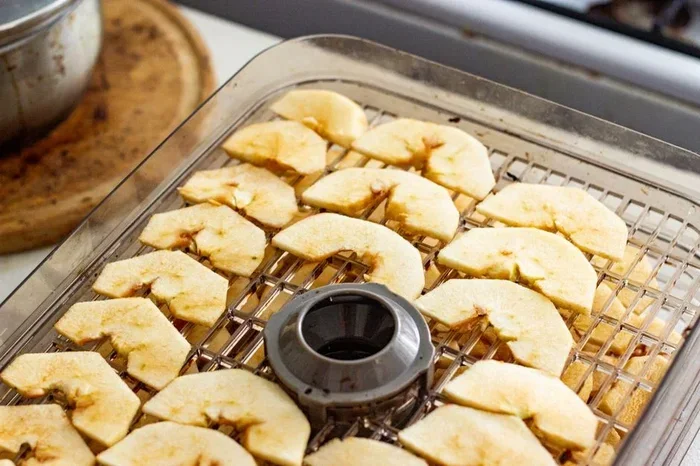
- Start simple: Try drying apple slices or banana chips first. They are easy and rewarding.
- Slice food evenly: Uniform pieces dry at the same rate. A good knife or mandoline makes this easy.
- Preheat your dehydrator: Turn it on before adding food. This speeds up the process and improves results.
- Store dried food properly: Use airtight jars or best vacuum seal storage bags for food to keep your dried snacks fresh for months.
- Label everything: Write the date and food type on each container. It helps you stay organized and track freshness.
Home dehydration is a rewarding hobby that saves money and reduces waste. With the right machine and a little practice, you will be making your own dried snacks in no time. Start small, experiment often, and enjoy the process.
Remember, the best dehydrator is the one that fits your needs, your space, and your budget. Take your time, compare options, and trust your instincts. You will find the perfect dehydrator for home use for your kitchen.
For those who also love making fresh juices, consider pairing your dehydrator with a quality juicer. You can explore some best cold press juicers for powerful healthy juicing options to build a complete healthy food prep station in your kitchen. This way, you get the full benefit of fresh produce from start to finish.
Also, if you are looking to expand your kitchen appliance collection, a best small air fryer for one person can complement your dehydrator nicely. Air fryers are versatile and take up minimal space. Together, these two appliances cover most of your healthy cooking and snack prep needs.
Conclusion
Choosing a dehydrator for home use is easier than you think. Focus on the features that matter most to you. Consider your budget, your kitchen space, and the types of food you want to dry. With the right machine, you can enjoy healthy, homemade dried snacks all year round. Start your dehydration journey today and discover how simple and satisfying it can be.
Frequently Asked Questions
What is the best dehydrator for a beginner?
A mid-range model with 5 to 7 trays and adjustable temperature is ideal for beginners. Look for brands with good reviews and a built-in timer. You do not need to spend a lot to get started with home food drying.
How long does it take to dehydrate food?
It depends on the food and the machine. Fruits usually take 6 to 12 hours. Vegetables take about 8 to 10 hours. Jerky can be done in 4 to 6 hours. Thicker slices take longer, so always check for dryness before stopping.
Can I dehydrate meat at home?
Yes, you can make beef jerky and dried meat snacks at home. Use a dehydrator that reaches at least 160°F for safe meat drying. Always use lean cuts and follow food safety guidelines to prevent bacterial growth.
Is a dehydrator energy efficient?
Yes, most dehydrators use very little electricity. They run on 200 to 600 watts, which is much less than an oven. Over time, a dehydrator saves energy and money compared to using your oven for food drying.
What foods can I dehydrate?
You can dry fruits, vegetables, herbs, mushrooms, jerky, fruit leather, and even bread. Some people also dehydrate yogurt and hummus for portable snacks. The possibilities are really wide when you have a good food drying machine.
How do I clean my dehydrator?
Most trays are removable and dishwasher safe. Wipe down the interior with a damp cloth after each use. For sticky residue, soak the trays in warm soapy water. Keeping your dehydrator clean helps it last longer and perform better.