
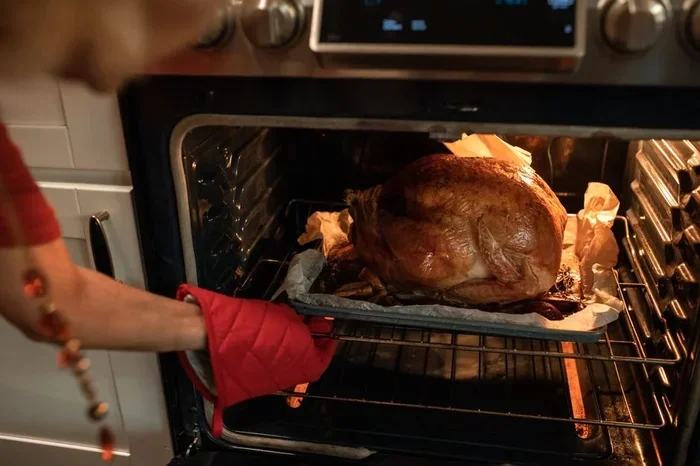
Cooking a turkey in the oven for Thanksgiving doesn’t have to be scary. With the right temperature, timing, and preparation, you can serve a perfectly roasted turkey that’s juicy inside and golden outside. This guide covers everything from prep to carving so you can cook a Thanksgiving turkey like a pro.
Thanksgiving is just around the corner, and if you’re in charge of the main dish, you’re probably feeling a mix of excitement and turkey cooking anxiety. Don’t worry — we’ve all been there. Standing over a hot oven, wondering if you’ve done everything right. The good news is that how to cook a turkey in the oven is simpler than most people think. You just need a solid plan, a reliable thermometer, and a little patience.
This guide walks you through every step of roasting a turkey from scratch. We’ll cover brining, seasoning, cooking times, and tips for getting that beautiful golden-brown skin. Whether you’re a first-time turkey cook or just looking to level up your Thanksgiving dinner game, you’ll find everything you need right here.
Key Takeaways
- Brine your turkey overnight: A simple salt-water brine keeps your bird moist and flavorful throughout the roast.
- Use a meat thermometer: The only reliable way to know your turkey is done is an internal temperature of 165°F in the thickest part of the thigh.
- Let the turkey rest before carving: Resting for 20-30 minutes allows juices to redistribute, giving you a much juicier bird.
- Choose the right pan and rack: Using a roasting pan with a rack promotes even cooking and crispy skin.
- Calculate cooking time based on weight: Plan for roughly 13-15 minutes per pound at 325°F for an unstuffed turkey.
- Don’t skip the herb butter under the skin: This simple trick adds incredible flavor and keeps the breast meat from drying out.
- Keep leftovers safe: Refrigerate leftover turkey within two hours and enjoy within three to four days.
📑 Table of Contents
Why Cook a Turkey in the Oven for Thanksgiving?
The oven is still the most popular way to prepare a Thanksgiving turkey, and for good reason. It gives you consistent heat, room for a large bird, and that gorgeous roasted finish you can’t get any other way. Oven-roasted turkey fills the house with an irresistible aroma that makes everyone feel like it’s the most wonderful time of the year.
The Benefits of Oven Roasting
- Even cooking: A steady oven temperature cooks your bird slowly and uniformly.
- Crispy skin: Dry heat in the oven creates that perfectly golden, crunchy exterior.
- Hands-off time: Once your turkey is in, you can focus on making side dishes and Thanksgiving side dishes.
- Big capacity: Most standard ovens fit a 12- to 20-pound turkey with room to spare.
Some cooks also like to braise parts of their turkey or use the oven for slow-cooked sides at the same time. If you want to learn more about low-and-slow oven techniques, check out this guide on how to braise ribs in the oven — the principles are similar and can inspire creative side dish prep.
Preparing Your Turkey for Roasting
Great turkey starts long before it hits the oven. Preparation is where you set the stage for a juicy, flavorful bird. Skipping this step is the number one mistake home cooks make.
Brining: The Secret to Juicy Turkey
Brining means soaking your turkey in a salt-water solution for 12 to 24 hours before cooking. The salt helps the meat retain moisture during roasting. The result? A turkey that stays juicy even after hours in the oven.
Here’s a simple brine recipe to get you started:
- 1 gallon of water
- 1 cup of kosher salt
- 1/2 cup of brown sugar
- Aromatics like bay leaves, peppercorns, and garlic cloves
Dissolve the salt and sugar in hot water, let the brine cool completely, then submerge your turkey in a large container or brining bag. Keep it in the refrigerator overnight. If you’re short on fridge space, a cool garage or basement can work in a pinch — just make sure it stays cold.
Seasoning and Flavoring Your Bird
After brining, pat your turkey completely dry with paper towels. Dry skin means better browning. Now it’s time to build flavor.
- Herb butter: Mix softened butter with minced rosemary, thyme, and sage. Gently loosen the skin over the breast and thighs, then spread the herb butter directly on the meat under the skin. This is a game-changer.
- Turkey rub: Combine paprika, garlic powder, onion powder, salt, pepper, and dried thyme. Rub it all over the outside for a flavorful crispy skin.
- Stuffing vs. no stuffing: You can stuff the cavity with aromatics like onion quarters, lemon halves, and fresh herbs. These add flavor from the inside out. Just don’t pack it too tightly — air needs to circulate for even cooking.
How to Cook a Turkey in the Oven: Step-by-Step Guide
Now for the moment of truth. Here’s your step-by-step plan for cooking a turkey in the oven on Thanksgiving Day.
Step 1: Choose the Right Pan
Your choice of cookware matters more than you might think. You want a sturdy roasting pan that’s big enough for your bird with a little room around the edges. A rack inside the pan elevates the turkey, allowing hot air to circulate underneath for more even cooking and better browning.
If you’re unsure which pan works best, our guide on the best pan to cook turkey in oven covers all the options from stainless steel to enamel-coated roasters. The key is avoiding thin pans that warp or react with acidic ingredients.
Step 2: Preheat the Oven
Set your oven to 325°F and let it fully preheat before the turkey goes in. Consistent oven temperature is critical for even cooking. Opening the door too often lets heat escape and adds cooking time.
Step 3: Place the Turkey Breast-Side Up
Put the turkey on the rack in your roasting pan, breast-side up. This position protects the delicate breast meat from direct heat while the turkey legs and thighs cook more slowly underneath. Tuck the wing tips under the body to prevent burning.
Step 4: Roast and Monitor
Slide the turkey into the oven and resist the urge to open the door every 10 minutes. Trust the process. A general rule for cooking time is about 13 to 15 minutes per pound at 325°F for an unstuffed turkey. So a 14-pound bird takes roughly 3 to 3.5 hours.
About 45 minutes before you expect the turkey to be done, start checking the internal temperature. Use a meat thermometer inserted into the thickest part of the thigh — avoiding the bone. You’re aiming for 165°F. The stuffing, if using, should also reach 165°F.
Step 5: Rest and Carve
Once your turkey hits temperature, pull it from the oven and let it rest for 20 to 30 minutes before carving. This resting period lets the juices redistribute throughout the meat. Skip this step and all that flavor runs right onto your cutting board instead of staying in the bird.
Carve confidently using a sharp knife or electric carver. Serve immediately with your favorite gravy and sides.
Cooking Times and Temperatures Compared
Not all turkeys are the same size, and cooking times vary. Here’s a handy reference table to help you plan. These times are for an unstuffed turkey at a steady 325°F oven temperature.
| Turkey Weight | Estimated Cooking Time | Internal Temp Target |
|---|---|---|
| 8-12 lbs | 2.5 – 3 hours | 165°F (thigh) |
| 12-16 lbs | 3 – 3.5 hours | 165°F (thigh) |
| 16-20 lbs | 3.5 – 4.5 hours | 165°F (thigh) |
| 20-24 lbs | 4.5 – 5.5 hours | 165°F (thigh) |
Stuffed turkeys generally need an extra 30 to 45 minutes. Always rely on your thermometer rather than the clock. Every oven runs a little different, and every bird is unique. If you want to compare how different proteins cook over time, you might find it interesting to see typical cooking times for other dishes — for instance, learning how long to cook chicken wings in oven at 400 shows how temperature affects cook speed across different foods.
Temperature Cheat Sheet
- 325°F: The standard, foolproof temperature for most turkeys. Slow, even cooking.
- 425°F (high-heat start): Start at 425°F for 30 minutes to kickstart crispy skin, then drop to 325°F for the rest of the cook.
- 350°F: A solid middle ground. Slightly faster than 325°F with great results.
Tips for Perfectly Roasted Turkey Every Time
Even with a great recipe, a few pro tips can take your roasted turkey recipe from good to unforgettable.
Quick Tips
- Spatchcocking (butterflying): Removing the backbone and flattening the bird reduces cooking time significantly and promotes even cooking. Great for smaller turkeys or when you’re short on time.
- Baste regularly: Spoon the pan juices over the turkey every 45 minutes or so. This adds flavor and keeps the surface moist.
- Protect the breast: If the breast is browning too fast, tent a piece of foil loosely over it. This shields the meat while the thighs finish cooking.
- Use a timer with alerts: Set multiple alarms — one for the half-way mark, one for the final temperature check, and one for the resting period.
- Make a pan gravy: Use the drippings from the roasting pan to make a rich, homemade gravy. It elevates the entire meal.
Once your turkey is carved and everyone is eating, you can keep any leftovers warm in the oven at a low temperature. Our guide on how to keep a turkey warm in the oven explains the best methods for holding meat at a safe, serving-ready temperature without drying it out.
Expert Insights
Professional chefs almost universally agree on one thing: temperature control is everything. They recommend using an instant-read thermometer rather than the pop-up timers that come with some turkeys. Pop-up timers are inaccurate and often signal doneness too late. A good digital thermometer takes the guesswork out entirely.
Many also suggest letting the turkey come to room temperature for about 30 minutes before roasting. A cold turkey in a hot oven cooks unevenly. Taking the chill off promotes more uniform heat distribution throughout the bird.
Common Mistakes to Avoid When Cooking Turkey
Even experienced home cooks stumble sometimes. Here are the most common pitfalls and how to dodge them.
- Not drying the skin: Wet skin steams instead of roasting. Pat your turkey bone-dry before seasoning for that golden turkey finish.
- Overstuffing: Too much stuffing blocks airflow and leads to uneven cooking. Use just enough to fill the cavity loosely.
- Cooking at too high a temperature: High heat burns the outside while leaving the inside raw. Stick to 325°F as your baseline.
- Forgetting to rest: Cutting into your turkey immediately releases all the juices onto the plate. Give it at least 20 minutes.
- Guessing doneness: Always use a meat thermometer. Color is not a reliable indicator — a turkey can be fully cooked and still look slightly pink near the joints.
- Ignoring the legs: The thickest part of the thigh is the last place to cook through. Always check the leg temperature, not just the breast.
What About Reheating?
If you’re working with leftover turkey rather than cooking fresh, reheating properly matters. Avoid the microwave for large pieces — it dries out the meat. Instead, reheat slices in the oven at 300°F, covered loosely with foil, until warmed through. For specific reheating methods, you might also look up how to heat up lasagna in the oven — the covered-foil method works similarly for any leftover protein and sides.
Conclusion
Cooking a turkey in the oven for Thanksgiving dinner is a rewarding experience when you know what you’re doing. Start with a good brine, season generously, roast at the right temperature, and always trust your thermometer. Let the turkey rest, carve it with confidence, and serve it with pride.
The secret isn’t really a secret at all — it’s patience, preparation, and paying attention to the basics. Follow this guide, and you’ll serve a perfectly roasted turkey that has everyone asking for the recipe. Happy Thanksgiving, and happy cooking!
Frequently Asked Questions
How long does it take to cook a turkey in the oven?
A general rule is 13 to 15 minutes per pound at 325°F for an unstuffed turkey. A 14-pound bird typically takes about 3 to 3.5 hours. Always use a meat thermometer to confirm the internal temperature reaches 165°F in the thickest part of the thigh.
Should I brine my turkey before roasting?
Brining is highly recommended. Soaking the turkey in a salt-water solution for 12 to 24 hours helps the meat retain moisture during roasting. The result is significantly juicier breast meat compared to unbrined turkeys. You can use a simple brine of water, kosher salt, brown sugar, and aromatics.
What temperature should I set my oven to for turkey?
The standard and most reliable temperature is 325°F. Some cooks prefer starting at 425°F for 30 minutes to get crispy skin faster, then reducing to 325°F for the remainder of the cook. Avoid temperatures above 425°F as they risk burning the exterior before the interior cooks through.
How do I know when my turkey is done?
The only reliable method is a meat thermometer. Insert it into the thickest part of the thigh without touching the bone. The turkey is done when it reaches 165°F. The stuffing should also reach 165°F if you stuffed the cavity. Never rely on pop-up timers or juice color alone.
Can I cook a stuffed turkey in the oven?
Yes, but stuffed turkeys need extra cooking time — typically 30 to 45 minutes longer than an unstuffed bird of the same weight. Make sure the stuffing also reaches 165°F internally. Pack the cavity loosely to allow heat to circulate and cook the stuffing evenly.
How should I store leftover turkey?
Refrigerate leftover turkey within two hours of cooking. Store it in shallow containers and consume within three to four days. You can also freeze leftover turkey for up to four months. Reheat in the oven at 300°F covered with foil, not in the microwave for large pieces.



