
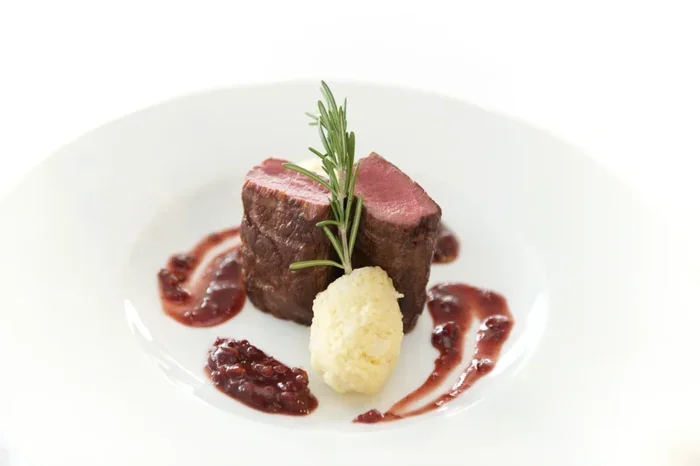
Cooking a filet mignon in oven is easier than you think. This guide walks you through every step to achieve a perfectly seared, juicy steak with a pink center. You will learn the right temperature, seasoning, and timing for restaurant-quality results at home.
There is something truly special about a perfectly cooked filet mignon. This cut of beef tenderloin is known for its tenderness, mild flavor, and buttery texture. Whether you are celebrating a special occasion or just want a great weeknight dinner, learning how to cook a filet mignon in oven opens up a world of possibilities. The oven method gives you consistent results and lets you focus on getting the perfect crust without standing over a hot stove the whole time.
Many people think cooking steak in the oven is complicated. In reality, it is one of the simplest and most reliable methods you can use. With just a few tools and a little patience, you can create a steak that rivals what you would pay for at a fine dining restaurant. This guide covers everything from selecting the right cut to pulling it off the heat at exactly the right moment.
You will find clear steps, practical tips, and common mistakes to avoid. By the end, you will feel confident enough to make this dish whenever the craving strikes. Let us dive into the process of making a stunning filet mignon in oven right at home.
Key Takeaways
- Bring steak to room temperature: Let your filet mignon sit out for 30 to 45 minutes before cooking for even heat distribution.
- Sear first, then finish in the oven: A hot cast iron skillet creates a golden crust, while the oven cooks the center evenly.
- Use a meat thermometer: Pull the steak at 120°F for medium-rare and let it rise 5 to 10 degrees during resting.
- Rest your steak for 5 to 10 minutes: This keeps the juices locked in and makes every bite tender.
- Season simply but well: Salt, pepper, and a touch of garlic go a long way with premium beef.
- Herb butter adds richness: A quick compound butter finished on the steak elevates the flavor dramatically.
📑 Table of Contents
Why the Oven Is Perfect for Filet Mignon
What Makes Filet Mignon Special
Filet mignon comes from the smaller end of the beef tenderloin. This part of the cow does very little work, which means the muscle fibers are very tender. Unlike tougher cuts that need long, slow cooking, filet mignon is best cooked quickly at high heat. The oven method lets you sear the outside to develop a flavorful crust while gently cooking the inside to your preferred doneness.
This cut is leaner than ribeye or strip steak, which means it can dry out faster if you are not careful. That is exactly why the oven method works so well. It gives you control over the internal temperature and reduces the risk of overcooking. When you learn how to cook a filet mignon in oven properly, you get a steak that is juicy, tender, and cooked evenly from edge to center.
Oven vs. Pan: Why Both Matter
Cooking steak entirely in a pan can be tricky. The heat is concentrated on the bottom, and thick cuts may not cook evenly. The oven solves this problem by surrounding the steak with gentle, consistent heat. But the oven alone does not give you that beautiful brown crust. That is why the best approach combines both methods.
You start on the stovetop to sear the steak, then transfer it to the oven to finish cooking. This two-step process, sometimes called the reverse sear when done in reverse order, gives you the best of both worlds. If you want to explore more about oven broiling techniques for beef, you can check out our guide on how to broil a hamburger in oven for additional oven cooking tips that apply to steak as well.
Selecting and Prepping Your Filet Mignon
Picking the Right Cut
Not all filet mignon steaks are created equal. When you are shopping, look for cuts that are at least 1.5 inches thick. Thicker steaks are more forgiving when it comes to timing and are easier to get a good sear on. The color should be a deep reddish-brown with fine marbling throughout. Avoid any steak that looks gray or has a lot of liquid in the packaging.
You can buy filet mignon with the fat cap still on or already trimmed. A thin layer of fat adds flavor during searing, so many chefs prefer to leave it on. If the fat cap is very thick, you can trim it down to about a quarter inch. For seasoning, keep it simple. A generous amount of coarse salt and freshly cracked black pepper is all you need to let the natural flavor of the beef shine.
Seasoning the Steak
Seasoning your beef at the right time makes a big difference. Many experts recommend salting the steak at least 40 minutes before cooking, or even the night before. This allows the salt to draw out moisture, which then gets reabsorbed into the meat. The result is a deeper flavor and a more tender texture.
If you are short on time, a quick salt and pepper right before cooking still works well. Some cooks like to add garlic powder, smoked paprika, or a touch of onion powder for extra depth. You can also rub the steak with a little olive oil to help the seasoning stick and promote browning. Keep the seasoning light enough that you can still taste the quality of the beef itself.
Step-by-Step Guide to Cooking Filet Mignon in Oven
Step 1: Bring the Steak to Room Temperature
This is one of the most important steps that people often skip. Take your filet mignon out of the refrigerator about 30 to 45 minutes before you plan to cook it. Letting the steak sit at room temperature ensures it cooks more evenly. If you put a cold steak straight into a hot oven or pan, the outside will overcook while the inside stays cold.
While the steak is resting on the counter, pat it dry with paper towels. A dry surface is essential for getting a good sear. Moisture on the surface creates steam instead of browning, which means you will miss out on that beautiful crust. This small step makes a huge difference in the final result.
Step 2: Preheat and Prepare the Pan
Preheat your oven to 400°F. While it is warming up, place a cast iron skillet or an oven-safe pan on the stovetop over high heat. Cast iron is the best choice because it retains heat incredibly well and distributes it evenly. Let the pan get ripping hot before you add the steak. You should see a slight shimmer in the pan when it is ready.
Add a high smoke point oil like avocado oil or grapeseed oil. Olive oil works too, but it has a lower smoke point and can burn at high temperatures. You only need a thin coating. Once the oil is hot and just starting to shimmer, you are ready to sear.
Step 3: Sear the Steak
Carefully place the filet mignon in the hot pan. You should hear a satisfying sizzle right away. If you do not, the pan is not hot enough. Let the steak sear undisturbed for about 2 to 3 minutes on each side. You want a deep golden-brown crust on every exposed surface, including the edges.
Use tongs to hold the steak and sear the edges for about 30 seconds each. This step builds flavor all around the steak. Some cooks like to add a sprig of fresh rosemary or a clove of smashed garlic to the pan during searing. The aromatics infuse into the oil and baste the steak as it cooks. Just be careful not to burn the garlic.
Step 4: Finish in the Oven
Once the steak is seared on all sides, transfer the entire skillet to the preheated oven. Cook for about 6 to 10 minutes depending on the thickness of your steak and your desired doneness. For a 2-inch thick filet mignon, 7 to 8 minutes usually works well for medium-rare.
The key to perfect oven cooking is using a meat thermometer. Insert it into the thickest part of the steak, making sure it does not touch the bone or the pan. Here is a quick temperature guide for your beef tenderloin:
- Rare: 120°F internal temperature
- Medium-Rare: 125°F to 130°F
- Medium: 135°F to 140°F
- Medium-Well: 145°F to 150°F
- Well-Done: 155°F and above
Remember that the temperature will rise 5 to 10 degrees after you pull the steak out. This is called carryover cooking. So if you want a perfect medium-rare, pull the steak at about 125°F. For the best results with your filet mignon in oven, aim to remove it slightly before it hits your target temperature.
Achieving the Perfect Internal Temperature
Understanding Steak Doneness
Cooking steak to the right doneness is both a science and a personal preference. Medium-rare is the most popular choice for filet mignon because it highlights the tender, buttery texture of the beef. At this temperature, the steak is warm in the center with a soft, juicy texture. Some people prefer medium, which has a slightly firmer feel and a small pink core.
If you are new to cooking steak, start with medium-rare. You can always cook it longer next time if you prefer a more done steak. The key is to trust the thermometer rather than relying on touch or time alone. Every oven and every steak is slightly different, so a meat thermometer takes the guesswork out of the equation.
Using a Meat Thermometer Correctly
A good instant-read thermometer is an essential tool for any home cook. Insert it into the center of the thickest part of the steak. Wait a few seconds for the reading to stabilize. Digital thermometers are more accurate than dial ones and give you a reading in just a couple of seconds.
Avoid touching the bone or the bottom of the pan with the probe, as this will give you a false reading. If your steak has a fat cap, insert the thermometer through the side into the center of the meat. Clean your thermometer between uses for hygiene. With practice, you will be able to pull your steak off the heat at exactly the right moment every single time.
Resting and Serving Your Filet Mignon
Why Resting Matters
Once your steak reaches the target temperature, take it out of the oven and transfer it to a cutting board. Let it rest for at least 5 to 10 minutes before slicing. This resting period allows the juices to redistribute throughout the meat. If you cut into it too soon, all those delicious juices will run out onto the board instead of staying in the steak.
You can tent the steak loosely with aluminum foil during resting. This keeps it warm without trapping too much steam, which could soften the crust. If you are cooking multiple steaks, you can keep them warm in a low oven at about 200°F. This is similar to how you would keep ribs warm in oven, where low indirect heat maintains the temperature without overcooking the meat.
Best Sauces and Sides
Filet mignon is already incredibly flavorful on its own, but a finishing touch can take it to the next level. A simple herb butter made with softened butter, minced garlic, chopped fresh parsley, and a pinch of salt is a classic choice. Just melt a spoonful over the hot steak right before serving.
Red wine reduction, peppercorn sauce, and mushroom cream sauce are all excellent pairings. For sides, roasted asparagus, garlic mashed potatoes, or a simple mixed green salad complement the richness of the steak perfectly. Keep the sides simple so they do not compete with the star of the plate.
Common Mistakes to Avoid
Quick Tips for Perfect Filet Mignon
Even experienced cooks can make mistakes when preparing steak. Here are the most common pitfalls and how to avoid them:
- Skipping the room temperature rest: A cold steak cooks unevenly. Always let it come to room temperature before searing.
- Not drying the surface: Moisture prevents browning. Pat the steak dry with paper towels right before it goes into the pan.
- Overcrowding the pan: Give each steak plenty of space. Crowding lowers the pan temperature and causes steaming instead of searing.
- Moving the steak too much: Let it sear undisturbed for several minutes. Constantly flipping prevents a good crust from forming.
- Guessing the doneness: Always use a meat thermometer. It is the only reliable way to know exactly how done your steak is.
- Cutting too soon: Rest the steak for at least 5 minutes. This single step makes the biggest difference in juiciness.
Unlike braising ribs in oven, which requires low heat and long cooking times with liquid, filet mignon is all about high heat and precision. The oven method for beef tenderloin is quick and straightforward once you get the hang of it. Do not be afraid to experiment with different temperatures and timing until you find your perfect rhythm.
Expert Insights on Oven-Cooked Steak
Professional chefs often emphasize that the quality of the ingredient matters most. A great filet mignon from a good butcher needs very little embellishment. Start with a well-marbled, fresh cut, and the oven will do most of the work for you. Let the beef speak for itself with minimal seasoning and proper technique.
Another tip from experienced cooks is to keep a log of your cooking results. Note the oven temperature, cooking time, steak thickness, and final internal temperature. Over time, you will build a personal reference that takes the guesswork out of every cook. This is especially helpful when you are trying to replicate a perfect result consistently.
The beauty of cooking filet mignon in oven is that it is hard to mess up once you understand the basics. Even if your first attempt is not perfect, you will still end up with a delicious steak that is far better than most restaurant chains serve. Practice makes perfect, and every attempt teaches you something new about your oven and your preferred level of doneness.
Conclusion
Learning how to cook a filet mignon in oven is a rewarding skill that elevates your home cooking to a whole new level. From selecting the right cut to searing it perfectly and finishing it in the oven, every step is straightforward when you follow a clear process. The key is to be patient, use a meat thermometer, and let the steak rest before serving.
With the tips and techniques in this guide, you are well equipped to make a restaurant-quality steak in your own kitchen. The oven method gives you consistent, reliable results that will impress your family and guests every time. So go ahead, grab a great cut of beef tenderloin, and start cooking. Your perfect filet mignon is just one oven cycle away.
Frequently Asked Questions
What is the best temperature to cook filet mignon in the oven?
Preheat your oven to 400°F for the best results. This temperature is hot enough to cook the steak through evenly but not so hot that it dries out the meat. If you prefer a slower cook, you can set the oven to 375°F and add a couple of extra minutes to the cooking time.
How long should I cook a 2-inch filet mignon in the oven?
A 2-inch thick filet mignon typically takes about 7 to 10 minutes in a 400°F oven after searing. The exact time depends on your desired doneness. Use a meat thermometer to check the internal temperature and pull the steak a few degrees before it reaches your target, since the temperature will continue to rise during resting.
Do I need to sear filet mignon before putting it in the oven?
Yes, searing is highly recommended. Searing creates a flavorful brown crust through the Maillard reaction, which adds depth and complexity to the steak. Sear it on high heat on the stovetop for 2 to 3 minutes per side before transferring the skillet to the oven for finishing.
How long should filet mignon rest after cooking?
Let your filet mignon rest for at least 5 to 10 minutes on a cutting board before slicing. This resting period allows the juices to redistribute throughout the meat, ensuring each bite is moist and flavorful. Tenting loosely with foil helps keep the steak warm during this time.
Can I cook frozen filet mignon in the oven?
It is best to thaw your filet mignon before cooking for even results. If you must cook from frozen, increase the cooking time significantly and use a lower oven temperature around 350°F. However, thawing in the refrigerator overnight gives you much better control over the cooking process and a more consistent final product.
What is the difference between filet mignon and other steak cuts?
Filet mignon comes from the beef tenderloin, which is the most tender cut of beef. It is leaner and milder in flavor compared to ribeye or New York strip. While other cuts have more marbling and a stronger beefy taste, filet mignon is prized for its buttery texture and is often considered the most luxurious steak cut available.



