
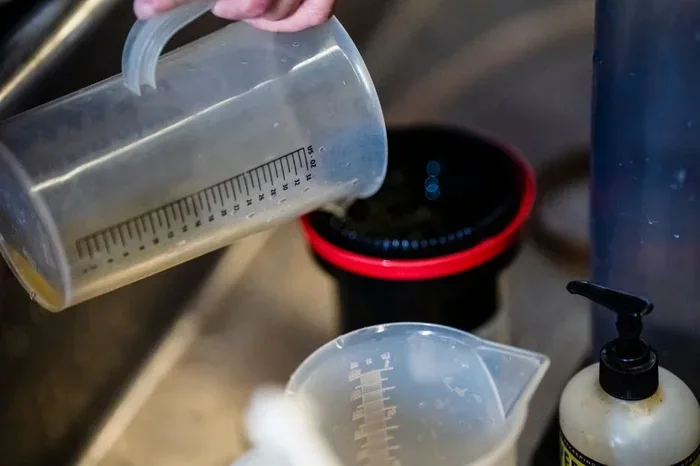
Knowing how many ounces are in a quart is essential for every home cook. One US liquid quart equals 32 fluid ounces, which also equals 4 cups or 2 pints. This guide covers both liquid and dry measurements, includes a quick conversion chart, and shares practical tips to help you cook with confidence. Whether you are scaling a recipe or converting metric units, you will find everything you need right here.
If you have ever stood in the kitchen wondering how many ounces are in a quart, you are not alone. This is one of the most common kitchen conversion questions home cooks face every single day. A quart equals 32 fluid ounces in the US system, but the answer changes depending on what you are measuring. This guide gives you the complete answer for both liquid and dry ingredients. You will also find practical tips, quick charts, and common mistakes to avoid along the way.
Knowing your kitchen conversions makes cooking and baking so much easier. You do not need to guess or pull out your phone every time a recipe calls for a different unit. Once you understand the basics, the math becomes second nature. Let us walk through everything you need to know about quart to ounce conversions right now.
Key Takeaways
- One US liquid quart equals 32 fluid ounces. This is the most important conversion to remember for everyday cooking and baking.
- A quart also equals 4 cups, 2 pints, or 946 milliliters. These equivalent measurements help you convert between units quickly and easily.
- Fluid ounces and dry ounces are not the same. Fluid ounces measure volume, while dry ounces measure weight. Always check which your recipe requires.
- The imperial quart is larger than the US quart. It holds about 40 fluid ounces. Use the correct quart for the recipe source to avoid errors.
- Keep a conversion chart in your kitchen. Quick reference tools save time and prevent measurement errors during cooking and meal prep.
- Use a kitchen scale for dry ingredients. Weight measurements are more accurate than volume measurements for flour, sugar, and other dry goods.
- Practice makes perfect. The more you work with these conversions, the more natural they become in your daily cooking routine.
📑 Table of Contents
What Is a Quart?
A quart is a unit of liquid volume used in the US customary system and the imperial system. The word “quart” comes from the Latin word “quartus,” which means one-quarter. This makes sense because one quart equals one-quarter of a gallon. It also equals two pints or four cups.
There are two main types of quarts you will encounter in your kitchen. The US liquid quart is the most common in American cooking. The imperial quart is used in the UK and some other countries. The US liquid quart is smaller than the imperial quart. This difference matters when you are following recipes from different regions around the world.
US Liquid Quart
The US liquid quart holds exactly 32 fluid ounces. It also equals 946 milliliters. This is the measurement you will use most often in American cooking. When a recipe says “one quart,” it almost always means the US liquid quart unless stated otherwise. This is the standard you will see in most American cookbooks and food blogs.
Imperial Quart
The imperial quart is about 20 percent larger than the US liquid quart. It holds approximately 40 fluid ounces or 1,136 milliliters. If you are using a British cookbook, you may run into this measurement. Always check which system the recipe uses before you start cooking. Using the wrong quart size can throw off your entire dish.
How Many Ounces Are in a Quart?
The answer to how many ounces are in a quart depends on what type of measurement you are working with. Fluid ounces and dry ounces are not the same thing. A fluid ounce measures volume, while a dry ounce measures weight. This distinction is important for getting your recipes right every time.
Liquid Ounces in a Quart
In the US customary system, one liquid quart equals 32 fluid ounces. Here is a simple breakdown of this liquid measurement:
- 1 quart = 32 fluid ounces
- 1 quart = 4 cups
- 1 quart = 2 pints
- 1 quart = 946 milliliters
This conversion is the same for water, milk, oil, and any other liquid. When you are measuring coffee in a coffee maker, using a clear measuring cup at eye level gives you the best results. Pour the liquid into the cup and bend down to read the measurement at eye level. This simple habit prevents small errors that can add up over time.
Dry Ounces in a Quart
Dry ounces measure weight, not volume. A quart of a dry ingredient can weigh different amounts depending on the ingredient. For example, a quart of flour weighs about 25 ounces, while a quart of granulated sugar weighs about 20 ounces. This is why it is important to know whether your recipe calls for weight or volume measurements.
If your recipe asks for a quart of a dry ingredient by weight, you should use a kitchen scale. Volume measurements for dry ingredients can vary based on how tightly the ingredient is packed. A kitchen scale removes all the guesswork and gives you consistent results every single time you cook.
Quick Conversion Table
Here is a handy reference table for common conversions you can use in the kitchen:
| Measurement | Fluid Ounces | Cups | Pints | Gallons |
|---|---|---|---|---|
| 1 Quart | 32 fl oz | 4 cups | 2 pints | 0.25 gallons |
| 2 Quarts | 64 fl oz | 8 cups | 4 pints | 0.5 gallons |
| 4 Quarts | 128 fl oz | 16 cups | 8 pints | 1 gallon |
| 0.5 Quart | 16 fl oz | 2 cups | 1 pint | 0.125 gallons |
Keep this table handy when you are kitchen conversions on the fly. It saves time and keeps your recipes on track. You can also snap a photo of it with your phone for quick reference while you cook.
Why Knowing This Conversion Matters
Understanding volume conversion is a fundamental cooking measurement skill. It helps you scale recipes up or down with confidence. Say you have a soup recipe that serves four people, but you need to feed eight. You will need to double every ingredient, including the liquids. Without knowing your conversions, this kind of scaling becomes confusing fast.
Recipe Scaling Made Easy
When you double a recipe, you multiply every ingredient by two. If the recipe calls for one quart of broth, you need 64 fluid ounces, which is two quarts or eight cups. When you are recipe scaling, knowing that how many ounces are in a quart is 32 makes the math simple and straightforward.
Avoiding Costly Mistakes
Getting measurements wrong can ruin a dish. Too much liquid can make a batter runny and thin. Too little can leave it dry and dense. When you know how many ounces are in a quart, you can adjust recipes with confidence and get consistent results every time you cook. This knowledge also helps when you are meal prepping for the week ahead.
Metric System Conversions
If you prefer the metric system, here are some quick conversions to keep in mind:
- 1 US liquid quart = 946 milliliters
- 1 imperial quart = 1,136 milliliters
- 1 fluid ounce = 29.57 milliliters
Many countries use the metric system, so these conversions are helpful when you are cooking international recipes. You can also use them when your measuring tools only show metric markings. A quick metric conversion chart pinned to your fridge can be a lifesaver.
Common Mistakes When Converting Ounces to Quarts
Even experienced cooks make measurement mistakes from time to time. Here are the most common errors to watch out for in your kitchen.
Confusing Fluid Ounces with Weight Ounces
This is the biggest mistake people make when working with liquid volume. A fluid ounce is a unit of volume. A weight ounce is a unit of mass. They are not interchangeable. When a recipe calls for four ounces of a liquid, it means 4 fluid ounces, not 4 weight ounces. Always read the recipe carefully to understand which type of ounce is being used.
Using the Wrong Quart Size
As we mentioned earlier, the US quart and the imperial quart are different sizes. Using the wrong one can throw off your recipe by about 20 percent. Always check the source of your recipe and use the correct quart measurement. This small detail can make a big difference in the outcome of your dish.
Not Leveling Dry Ingredients
When you measure dry ingredients by volume, you need to level them off properly. Scooping flour directly from the bag packs it down and gives you more than the recipe calls for. This small mistake can change the texture of your baked goods significantly. Use a flat edge like a butter knife to level off your measuring cups.
Ignoring Temperature
The temperature of your liquid can affect the volume slightly. Hot liquids expand, and cold liquids contract. For the most accurate measurements, measure your liquids at room temperature. This is especially important for kitchen conversions that require precision, such as baking bread or making candy.
Practical Tips for Everyday Cooking
Now that you know the answer to how many ounces are in a quart, let us look at some practical ways to use this knowledge in your daily cooking routine.
Use the Right Tools
A good set of measuring cups and spoons is essential for any kitchen. For liquids, use a clear glass or plastic measuring cup with a pour spout. For dry ingredients, use dry measuring cups and flat-edge spatulas to level off the top. Using the right tools for each type of measurement makes a big difference in accuracy.
Measure Liquids at Eye Level
When you are measuring liquids, always place your measuring cup on a flat surface and bend down to read it at eye level. This prevents the parallax error that can add or subtract a few milliliters from your measurement. It is a tiny habit that leads to much better results over time.
Keep a Conversion Chart in Your Kitchen
Print out a conversion chart and tape it inside a kitchen cabinet door. You will have it handy every time you cook. This is especially helpful when you are trying a new recipe and need to convert liquid measurement units quickly. A simple chart removes the need to remember every conversion off the top of your head.
Practice with Everyday Tasks
The best way to get comfortable with conversions is to practice regularly. Next time you are boiling water in an Instant Pot, think about how many ounces of water you are using. When you are storing water in mason jars, estimate how many quarts or fluid ounces the container holds. These small habits build your intuition over time and make you a more confident cook.
When to Use a Kitchen Scale
For the most accurate results, especially with dry ingredients, use a kitchen scale. A scale measures weight, not volume, which eliminates the packing and settling issues that affect volume measurements. Many modern recipes include both volume and weight measurements for this reason. Investing in a good kitchen scale is one of the best decisions you can make for your cooking.
Scaling Recipes for Different Serving Sizes
Knowing your conversions helps you scale recipes easily. Here is a quick guide to follow:
- To halve a recipe, divide all measurements by two.
- To double a recipe, multiply all measurements by two.
- To triple a recipe, multiply all measurements by three.
- For any other factor, use multiplication to adjust accordingly.
When you double a recipe that calls for one quart of liquid, you need 64 fluid ounces. That is two quarts or eight cups. Simple math once you know the base conversion. This skill is especially useful when you are cooking for a crowd or preparing meals for the week.
When you are reheating lasagna in the oven, knowing your liquid measurements helps you adjust the recipe if you need to add extra sauce or broth. Having a solid grasp of how many ounces are in a quart means you can make these adjustments on the fly without any guesswork.
Conclusion
So, how many ounces are in a quart? The answer is 32 fluid ounces for a US liquid quart. This simple fact is one of the most useful pieces of knowledge you can have in your kitchen. Once you memorize it, you will find that recipe scaling, meal prep, and everyday cooking become much easier and more enjoyable.
Understanding liquid measurement conversions also helps you feel more confident in the kitchen. You will not second-guess yourself when a recipe calls for a quart of broth or a quart of milk. You will know exactly what to do every single time. Start using these tips today. Print out that conversion chart, practice with your next recipe, and watch your cooking skills grow. The more you work with these measurements, the more natural they will feel. Happy cooking!
Frequently Asked Questions
How many fluid ounces are in a quart?
There are 32 fluid ounces in one US liquid quart. This is the standard conversion used in American cooking and baking. If you are using the imperial system, one quart equals approximately 40 fluid ounces.
Is a quart the same as a liter?
No, a quart and a liter are not exactly the same. One US liquid quart equals about 946 milliliters, which is slightly less than one liter. One imperial quart equals about 1,136 milliliters, which is slightly more than one liter. Always check which system your recipe uses.
How many cups are in a quart?
There are 4 cups in one US liquid quart. This makes it easy to convert between the two units when you are cooking or baking. If a recipe calls for one quart of liquid, you can simply use 4 cups instead.
Does the type of liquid affect how many ounces are in a quart?
No, the volume conversion stays the same regardless of the liquid. One quart equals 32 fluid ounces whether you are measuring water, milk, oil, or broth. The weight of the liquid may differ, but the volume remains constant.
Should I use a kitchen scale or measuring cups for dry ingredients?
A kitchen scale is more accurate for dry ingredients because it measures weight rather than volume. Volume measurements can vary depending on how tightly the ingredient is packed. For the best results, especially in baking, use a scale when possible.
Can I use a quart measuring cup to measure dry ingredients?
You can, but it is not the most accurate method for dry ingredients. Dry measuring cups are designed to be filled and leveled off. A quart measuring cup is better suited for liquids. For precise dry ingredient measurements, a kitchen scale is the best tool.



