
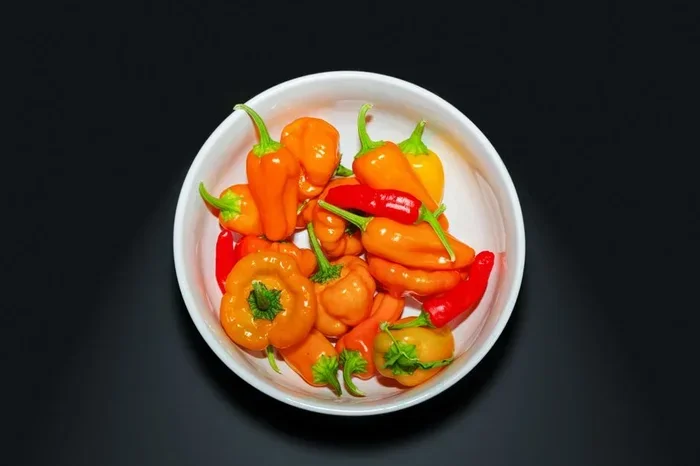
Hot peppers do more than add a fiery kick to your food. They are packed with capsaicin, vitamin C, and antioxidants that support metabolism, reduce inflammation, and boost overall wellness. From jalapeños to habaneros, incorporating hot peppers into your daily meals is one of the easiest ways to eat healthier and enjoy bolder flavors at the same time.
There is something magical about a hot pepper. The moment it touches your tongue, your taste buds wake up, your eyes might water a little, and suddenly your meal feels alive. But the magic of hot peppers goes way beyond flavor. These small but mighty fruits are loaded with nutrients and natural compounds that can genuinely improve your health.
Whether you love the gentle warmth of a jalapeño or the intense fire of a habanero, hot peppers deserve a regular spot on your plate. In this article, we will explore everything from the science behind the heat to practical ways to use them in your kitchen every single day.
If you have ever wondered why spicy food makes you feel so good, or how to get more capsaicin into your diet without suffering too much, you are in the right place. Let us dive in.
Key Takeaways
- Capsaicin is the key compound: It gives hot peppers their heat and delivers powerful anti-inflammatory and pain-relieving benefits.
- Rich in nutrients: Hot peppers are loaded with vitamin C, vitamin A, and antioxidants that support immunity and skin health.
- Boosts metabolism naturally: Eating spicy food can increase calorie burn and support weight management goals.
- Many varieties to choose from: There is a hot pepper for every heat level, from mild jalapeños to fiery habaneros.
- Easy to add to any meal: Use them fresh, dried, roasted, or in sauces to elevate everyday dishes.
- Start small if you are new to spice: Gradually build your heat tolerance to enjoy the benefits without overwhelming your palate.
📑 Table of Contents
- What Makes Hot Peppers So Hot?
- The Nutritional Powerhouse Inside Every Hot Pepper
- How Hot Peppers Boost Your Metabolism
- Cooking with Hot Peppers: Tips and Techniques
- How to Store and Preserve Hot Peppers
- Hot Peppers and Pain Relief: The Science Behind the Spice
- Potential Risks and How to Handle Them Safely
- Conclusion
What Makes Hot Peppers So Hot?
The heat in a hot pepper comes from a natural compound called capsaicin. This is the same molecule that gives chili peppers their signature burn. Capsaicin interacts with pain receptors in your mouth, which tricks your brain into thinking something hot is happening. That is why your face sweats and your eyes water when you eat something spicy.
But capsaicin is not just about heat. It is also the reason hot peppers offer so many health perks. The Scoville scale measures how much capsaicin a pepper contains. A bell pepper has zero Scoville heat units, while a habanero can reach over 300,000 units. The higher the number, the more intense the burn.
Here are some popular hot pepper varieties and where they fall on the heat scale:
- Jalapeño: 2,500 to 8,000 Scoville units. A mild to medium heat that most people enjoy.
- Cayenne Pepper: 30,000 to 50,000 units. Often used in powder form for seasoning.
- Habanero: 100,000 to 350,000 units. A fruity, intense heat that packs a serious punch.
- Ghost Pepper (Bhut Jolokia): Over 1,000,000 units. One of the hottest peppers in the world.
Why Heat Level Matters
Choosing the right hot pepper depends on your personal preference and what you are cooking. Milder peppers like jalapeños work well in salsas, salads, and garnishes. They add flavor without overwhelming the dish. Stronger peppers like cayenne and habanero are better for sauces, marinades, and spicy stews where you want that deep, lingering burn.
The Nutritional Powerhouse Inside Every Hot Pepper
Do not let their small size fool you. Hot peppers are nutritional powerhouses. A single red chili pepper contains more vitamin C than an orange. That is right. Vitamin C supports your immune system, helps your body absorb iron, and keeps your skin healthy and glowing.
Beyond vitamin C, hot peppers provide a range of other important nutrients:
- Vitamin A: Supports eye health and helps your body fight off infections.
- Vitamin B6: Plays a role in brain development and mood regulation.
- Potassium: Helps maintain healthy blood pressure and muscle function.
- Copper: Supports red blood cell production and nerve health.
- Dietary Fiber: Aids digestion and keeps your gut healthy.
What makes hot peppers truly special is their high antioxidant content. Antioxidants fight free radicals in your body, which can reduce the risk of chronic diseases and slow down the aging process. The combination of vitamins, minerals, and antioxidants makes even a small addition of chili peppers to your meals a big nutritional win.
Capsaicin and Its Health Benefits
Capsaicin is the superstar compound found in every hot pepper. Research has shown that capsaicin can help with several aspects of health. It has natural anti-inflammatory properties, which means it can help reduce swelling and pain in the body. Many people use capsaicin creams for muscle and joint relief, but eating hot peppers gives you the same benefits from the inside out.
Capsaicin has also been linked to improved heart health. It may help lower blood pressure and reduce cholesterol levels. Some studies suggest that regular consumption of spicy food is associated with a longer lifespan. While no single food guarantees good health, adding hot peppers to a balanced diet certainly helps.
How Hot Peppers Boost Your Metabolism
If you are looking for a natural way to give your metabolism a gentle push, hot peppers might be the answer. Capsaicin has a thermogenic effect, which means it slightly raises your body temperature and increases the number of calories you burn. This process is called diet-induced thermogenesis.
Now, the metabolic boost from hot peppers is not huge. You will not lose weight just by adding spice to your food. But when combined with a healthy diet and regular exercise, the effect can add up over time. Some research shows that eating spicy food before a meal can reduce overall calorie intake by making you feel fuller faster.
Best Ways to Use Hot Peppers for Metabolism Support
Here are simple and effective ways to get the metabolic benefits of hot peppers every day:
- Add fresh jalapeño slices to your morning eggs or avocado toast.
- Stir cayenne pepper into warm water with lemon for a morning metabolism drink.
- Sprinkle hot pepper flakes over soups, stir-fries, or roasted vegetables.
- Use a dash of chili powder in your smoothies or protein shakes.
- Make a simple hot sauce with blended hot peppers, vinegar, and a pinch of salt.
The key is consistency. Eating a little heat every day is more effective than eating a huge amount once in a while. Start small and build up as your tolerance grows.
Cooking with Hot Peppers: Tips and Techniques
Cooking with hot peppers is easier than most people think. You do not need to be a professional chef to add spice to your meals. A little goes a long way, and the flavor impact is immediate.
When you are working with hot peppers, a few basic tips can make the process smoother:
- Wear gloves: Capsaicin can irritate your skin, especially with the hottest varieties. A simple pair of kitchen gloves protects your hands.
- Remove the seeds and ribs: Most of the heat lives in the white ribs and seeds inside the pepper. Taking them out reduces the spiciness while keeping the flavor.
- Toast dried peppers: Lightly toasting dried chili peppers in a dry pan brings out their smoky, deep flavor. This works great for making homemade sauces or spice blends.
- Pair with dairy: If a dish gets too hot, a splash of milk, yogurt, or sour cream can calm the burn. Dairy neutralizes capsaicin much better than water.
- Roast for sweetness: Roasting hot peppers in the oven or air fryer caramelizes their natural sugars and creates a rich, smoky flavor. If you are interested in learning how to do this, check out our guides on how to dry peppers in an air fryer and how to dry peppers in an oven for easy methods.
Easy Hot Pepper Recipes to Try at Home
Not sure where to start? Here are a few simple ideas to bring hot peppers into your everyday cooking:
- Spicy Stir-Fry: Slice jalapeños and toss them into a vegetable stir-fry with soy sauce and garlic. Serve over rice for a quick weeknight dinner.
- Hot Pepper Honey: Warm honey with whole red chili flakes and a splash of apple cider vinegar. Drizzle it over pizza, grilled cheese, or roasted chicken.
- Fresh Salsa: Dice tomatoes, onions, cilantro, and a jalapeño. Squeeze in fresh lime juice and salt to taste. Serve with tortilla chips or scoop it up with fresh vegetables.
- Spicy Soup: Add a teaspoon of cayenne pepper or a diced habanero to your favorite soup recipe. The heat pairs wonderfully with creamy soups like tomato or potato.
These recipes are just the beginning. Once you get comfortable with cooking with hot peppers, you will start experimenting on your own and finding your favorite combinations.
How to Store and Preserve Hot Peppers
One of the best things about hot peppers is that they are easy to store and preserve. Whether you grow your own or buy them in bulk, you can enjoy the heat for weeks or even months with the right storage method.
Fresh hot peppers last longest in the refrigerator. Place them in a paper towel-lined container or a perforated plastic bag. They should stay fresh for one to two weeks. If you have more peppers than you can use, consider drying or freezing them.
Drying is one of the oldest and most effective preservation methods. You can air-dry chili peppers by hanging them in a warm, dry place for a few weeks. A dehydrator speeds up the process significantly. Once dried, you can grind them into chili flakes or chili powder for convenient seasoning.
Freezing is another great option. Simply wash and dry your hot peppers, then place them whole on a baking sheet. Once frozen, transfer them to a freezer bag. They will keep for up to six months and can be added directly to cooked dishes without thawing.
If you are looking for ways to keep your spicy meals fresh on the go, consider using an insulated lunch box for hot food to maintain the temperature of your spicy dishes throughout the day.
Hot Peppers and Pain Relief: The Science Behind the Spice
It might sound surprising, but the same compound that makes hot peppers burn your tongue can also relieve pain. Capsaicin is a natural analgesic, which means it reduces the sensation of pain. When you eat a hot pepper, capsaicin triggers the release of endorphins, your body’s natural feel-good chemicals. This is why spicy food often makes you feel happy and energized.
Capsaicin is widely used in topical pain relief creams and patches. These products are applied directly to sore muscles, arthritic joints, and areas of chronic pain. The capsaicin works by depleting a neurotransmitter called substance P, which is responsible for sending pain signals to the brain. Over time, regular application can reduce pain sensitivity in the treated area.
Eating hot peppers regularly may also provide systemic pain relief. The anti-inflammatory properties of capsaicin can help with conditions like arthritis, nerve pain, and headaches. While you should not rely on spicy food as a replacement for medical treatment, incorporating hot peppers into your diet is a simple and enjoyable way to support your body’s natural pain management processes.
Fun Fact About Hot Peppers and Mood
When you eat something spicy, your brain releases endorphins and dopamine. These are the same chemicals involved in feelings of pleasure and reward. That is why many people describe eating hot peppers as a natural mood booster. It is not just the flavor. It is a genuine chemical reaction in your brain that makes you feel good.
Potential Risks and How to Handle Them Safely
While hot peppers are safe and healthy for most people, there are a few things to keep in mind. Eating very spicy food can cause temporary discomfort, including stomach upset, heartburn, or digestive irritation. If you have a sensitive stomach or a condition like acid reflux, it is best to start with milder peppers and gradually work your way up.
Handling hot peppers with bare hands can also cause skin irritation, especially with the hottest varieties. Always wash your hands thoroughly after touching chili peppers, and avoid touching your eyes or face. Using gloves when chopping or preparing spicy peppers is a simple precaution that makes a big difference.
Children and elderly individuals may have lower tolerance for spicy food. When cooking for a mixed group, it is a good idea to offer hot pepper condiments on the side so everyone can adjust the heat level to their comfort.
When to See a Doctor
In rare cases, eating extremely spicy food can cause more serious reactions, such as difficulty breathing, severe abdominal pain, or an allergic response. If you experience any of these symptoms after eating hot peppers, seek medical attention right away. For most people, however, the worst that happens is a little sweating and a craving for a glass of milk.
Conclusion
Hot peppers are truly one of the most underrated superfoods in the kitchen. They bring bold, exciting flavor to every dish while delivering real health benefits. From boosting your metabolism and supporting heart health to providing natural pain relief and mood enhancement, the reasons to add more hot peppers to your meals are clear and compelling.
Whether you prefer the mild warmth of a jalapeño or the intense fire of a habanero, there is a hot pepper variety for everyone. Start small, experiment with different types and recipes, and enjoy the journey of discovering your perfect level of heat. Your taste buds and your body will thank you.
The next time you are at the grocery store or farmers market, grab a few hot peppers and bring them home. Your meals will never be the same again.
Frequently Asked Questions
What are the health benefits of eating hot peppers?
Hot peppers offer many health benefits thanks to capsaicin. They can boost metabolism, reduce inflammation, support heart health, and improve mood through endorphin release. They are also rich in vitamin C and antioxidants that strengthen your immune system.
How hot is a jalapeño compared to other hot peppers?
A jalapeño ranges from 2,500 to 8,000 Scoville heat units, making it a mild to medium-hot chili pepper. It is much milder than a habanero but noticeably hotter than a bell pepper. Most people find jalapeños to be an easy starting point for enjoying spicy food.
Can hot peppers help with weight loss?
Hot peppers can support weight loss by slightly boosting metabolism and increasing calorie burn through thermogenesis. They may also help you feel fuller faster, which can reduce overall calorie intake. However, they work best when combined with a balanced diet and regular exercise.
What is the best way to reduce the heat of a hot pepper when cooking?
Removing the seeds and white ribs from a hot pepper significantly reduces its spiciness. You can also pair spicy dishes with dairy products like yogurt or sour cream, which neutralize capsaicin. Cooking methods like roasting can also mellow the heat while bringing out sweeter flavors.
Are hot peppers safe to eat every day?
Yes, for most people, eating hot peppers daily is safe and can be beneficial. Regular consumption helps build tolerance and allows you to enjoy the health benefits without discomfort. If you have digestive issues, start with milder varieties and consult your doctor if you are unsure.
What is the difference between a hot pepper and a chili pepper?
The terms hot pepper and chili pepper are often used interchangeably. Both refer to peppers from the Capsicum genus that contain capsaicin and produce a spicy sensation. Some people use chili pepper to refer to the powdered spice form, while hot pepper usually describes the whole fresh or dried fruit.



