
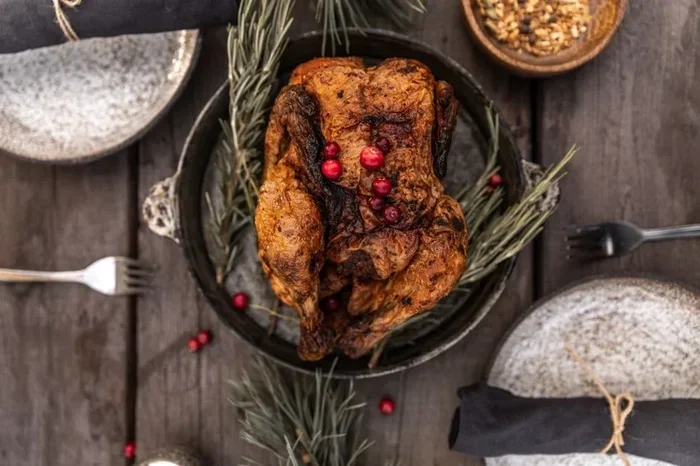
Cooking a 10 pound turkey takes about 3 to 4 hours at 325°F, depending on whether it is stuffed or unstuffed. This guide covers everything you need to know, including oven temperatures, resting times, and pro tips for juicy results. Use a meat thermometer to ensure your turkey reaches a safe internal temperature of 165°F.
Roasting a 10 pound turkey can feel like a big task. Whether you are cooking for Thanksgiving or a weekend family dinner, knowing the right cooking time makes all the difference. A perfectly roasted turkey has golden skin, juicy meat, and fills the whole house with a wonderful aroma.
This guide walks you through everything you need to know. We will cover cooking times, oven temperatures, stuffing options, and pro tips that take the guesswork out of roasting. By the end, you will feel confident and ready to roast a turkey like a pro.
Key Takeaways
- Plan for 3 to 4 hours: A 10 pound turkey typically roasts for 3 to 4 hours at 325°F.
- Use a meat thermometer: Always check that the internal temperature hits 165°F for food safety.
- Stuffing adds time: A stuffed turkey needs extra cooking compared to an unstuffed one.
- Rest the turkey: Let it rest for 20 to 30 minutes before carving for juicier meat.
- Baste regularly: Basting every 45 minutes keeps the skin golden and the meat moist.
- Brining helps: Brining your turkey overnight leads to juicier, more flavorful results.
📑 Table of Contents
How Long to Cook a 10 Pound Turkey
The short answer is about 3 to 4 hours at 325°F. But the exact time depends on a few things. Is the turkey stuffed or unstuffed? Are you using a roasting pan or a deep dish? Do you want crispy skin or a more gentle roast?
Here is a basic breakdown of cooking times for a 10 pound turkey:
- Unstuffed turkey: About 3 to 3.5 hours at 325°F
- Stuffed turkey: About 3.5 to 4 hours at 325°F
- Dark meat vs. white meat: Thighs cook a bit slower than breast meat
- Covered vs. uncovered: Covering traps moisture; uncovering crisps the skin
Always use a meat thermometer to check doneness. The thickest part of the thigh should read 165°F. This is the safest way to know your turkey is fully cooked.
Why Oven Temperature Matters
Most experts recommend roasting turkey at 325°F. This temperature cooks the bird evenly without drying it out. Some cooks start at a higher temperature for the first 30 minutes to crisp the skin, then lower it to 325°F for the rest of the cook.
Cooking at too high a temperature can burn the outside while leaving the inside undercooked. On the other hand, too low a temperature can dry the turkey out over time. Sticking with 325°F gives you the best balance of crispy skin and juicy meat.
Step by Step: Roasting Your Turkey
Roasting a turkey is easier than it looks. Follow these simple steps for great results every time.
Step 1: Prep the Turkey
Remove the turkey from the fridge about 1 hour before cooking. Letting it come to room temperature helps it cook more evenly. Pat it dry with paper towels. This step is key for getting crispy skin.
Next, season the turkey generously. Salt and pepper work great as a base. You can also add garlic powder, onion powder, smoked paprika, or dried herbs like thyme and rosemary. Get some seasoning under the skin of the breast for extra flavor.
Step 2: Stuff or Leave Unstuffed
Stuffing a turkey adds flavor but also adds cooking time. If you choose to stuff your bird, make sure the stuffing reaches 165°F as well. The stuffing should be loosely packed, not packed tight. Tight packing slows down heat penetration and can lead to uneven cooking.
If you want to avoid the extra hassle, go unstuffed. It is simpler and usually cooks faster. Many cooks prefer cooking stuffing in a separate dish instead.
Step 3: Place in the Roasting Pan
Set the turkey breast side up in a roasting pan. Add a cup or two of broth or water to the bottom of the pan. This keeps the drippings from burning and creates steam that keeps the turkey moist.
Some cooks like to use a roasting rack. This elevates the turkey and allows hot air to circulate underneath. The result is more even browning on all sides.
Step 4: Roast and Monitor
Place the turkey in a preheated oven at 325°F. Set a timer for the estimated cooking time. Baste the turkey every 45 minutes with pan juices. Basting adds flavor and helps the skin turn a beautiful golden brown.
After about 2.5 hours, start checking the internal temperature. Insert the thermometer into the thickest part of the thigh, avoiding bone. Once it hits 165°F, the turkey is done.
Step 5: Rest Before Carving
This step is easy to skip but very important. Let the turkey rest for 20 to 30 minutes before carving. During this time, the juices redistribute throughout the meat. The result is a juicier, more flavorful turkey.
Cover the turkey loosely with aluminum foil while it rests. This keeps it warm without steaming the skin and making it soggy.
Factors That Affect Cooking Time
Not all turkeys cook the same way. Several factors can change your turkey cooking time. Understanding these helps you plan better.
Stuffed vs Unstuffed
A stuffed 10 pound turkey takes longer to cook because the stuffing needs to reach a safe temperature too. Plan for an extra 30 to 45 minutes compared to an unstuffed bird. Always verify the stuffing temperature separately.
Oven Type
Convection ovens cook faster than conventional ovens. If you have a convection oven, reduce the temperature by about 25°F or check the turkey about 30 minutes earlier. For more on oven cooking, you might find our guide on how long to cook salmon in the oven at 400 helpful for understanding oven timing principles.
Starting Temperature
A frozen turkey takes much longer than a fresh or thawed one. Always thaw your turkey in the refrigerator for 24 hours per 4 to 5 pounds. Never cook a frozen turkey without following safe thawing guidelines first.
Roasting Pan Size
A tight-fitting pan traps steam and can slow cooking. Use a pan that gives the turkey some room for air circulation. A deeper pan also holds more liquid, which can affect how quickly heat reaches the bird.
Common Mistakes to Avoid
Even experienced cooks make mistakes when roasting turkey. Here are the most common ones and how to avoid them.
- Not using a meat thermometer: Relying on time alone is risky. Always check the internal temperature.
- Overcooking the breast: The breast dries out faster than the thighs. Consider tenting the breast with foil partway through cooking.
- Skipping the rest: Cutting into the turkey right away releases all the juices onto the cutting board instead of keeping them in the meat.
- Cooking at too high a temperature: High heat can burn the outside while the inside stays undercooked.
- Forgetting to brine: Brining adds moisture and flavor. Even a quick brine of 4 to 6 hours makes a noticeable difference.
Pro Tips for a Perfect Turkey
Want to take your turkey to the next level? Try these expert tips.
- Brine overnight: Soak the turkey in a saltwater solution for 12 to 24 hours before cooking. This adds moisture and seasoning deep into the meat.
- Dry brine option: Rub the turkey with salt and let it sit uncovered in the fridge overnight. This dries the skin and helps it crisp up beautifully.
- Butter under the skin: Gently loosen the skin over the breast and rub softened butter directly onto the meat. This keeps the breast incredibly juicy.
- Add aromatics to the cavity: Stuff the turkey with onion quarters, lemon halves, and fresh herbs. This infuses the meat with subtle flavor from the inside.
- Let the turkey shine: Keep seasoning simple. Salt, pepper, and a little olive oil or butter let the natural flavor of the turkey shine through.
Once your turkey is done, keep it warm while you prepare the rest of the meal. For tips on keeping your bird warm, check out our guide on how to keep a turkey warm in the oven. It covers simple methods that work great for resting and serving.
How to Know When the Turkey Is Done
Knowing when your 10 pound turkey is ready goes beyond looking at the clock. Here are the signs of a fully cooked turkey:
- Internal temperature of 165°F: Check the thickest part of the thigh and the innermost part of the wing. Both should read at least 165°F.
- Juices run clear: When you pierce the thickest part of the thigh, the juices should be clear, not pink.
- Leg moves easily: A done turkey leg wiggles loosely in the socket.
- Skin is deep golden brown: The skin should look rich and golden all over.
If the skin is browning too fast, loosely cover the turkey with a sheet of aluminum foil. This slows down the browning without trapping too much steam.
Serving and Storing Leftovers
After all your hard work, you want to enjoy the results and keep the leftovers safe. Carve the turkey within 30 minutes of resting. Remove the meat from the bone and store it in an airtight container.
Leftover turkey keeps in the fridge for 3 to 4 days. You can also freeze it for up to 3 months. Reheat leftover turkey gently in the oven at 325°F to keep it from drying out. For more poultry cooking ideas, our article on how long to cook chicken wings in oven at 400 offers great tips on oven-roasted poultry that pair well with leftover turkey recipes.
Getting the timing right when cooking a 10 pound turkey is the foundation of a great meal. With the right temperature, a good meat thermometer, and a little patience, you will serve a turkey that everyone will love.
Final Thoughts
Cooking a 10 pound turkey does not have to be stressful. Now you know the cooking time, the right temperature, and all the tips that make the difference. Plan for about 3 to 4 hours, use a meat thermometer, and let the turkey rest before serving.
Remember, the best roast turkey comes from a little preparation and attention. Brine it, season it well, and roast it at 325°F. Your family and guests will be impressed with the results.
So go ahead and roast that turkey with confidence. You have everything you need to make it a success. Happy cooking!
Frequently Asked Questions
How long does it take to cook a 10 pound turkey at 325°F?
An unstuffed 10 pound turkey takes about 3 to 3.5 hours at 325°F. A stuffed turkey takes closer to 3.5 to 4 hours. Always use a meat thermometer to confirm the internal temperature reaches 165°F.
Should I cook a 10 pound turkey covered or uncovered?
Cooking the turkey uncovered for most of the time helps crisp the skin. You can cover it loosely with foil for the first half if the skin is browning too quickly. Remove the foil for the last 30 to 45 minutes for a golden finish.
What is the best temperature to roast a turkey?
The recommended temperature is 325°F. This low and steady heat cooks the turkey evenly and keeps the meat juicy. Avoid higher temperatures that can dry out the breast meat.
Do I need to brine a 10 pound turkey?
Brining is not required but it is highly recommended. A brined turkey stays juicier and more flavorful. Even a quick dry brine with salt overnight makes a big difference in the final result.
How long should I let the turkey rest before carving?
Let the turkey rest for 20 to 30 minutes after removing it from the oven. This allows the juices to redistribute, making the meat more tender and juicy when you carve it.
Can I cook a 10 pound turkey at 400°F instead?
Yes, you can cook at 400°F, but it will take less time, about 2.5 to 3 hours. The higher temperature crisps the skin faster but also increases the risk of drying out the breast. Monitor the internal temperature closely if you choose this method.



