
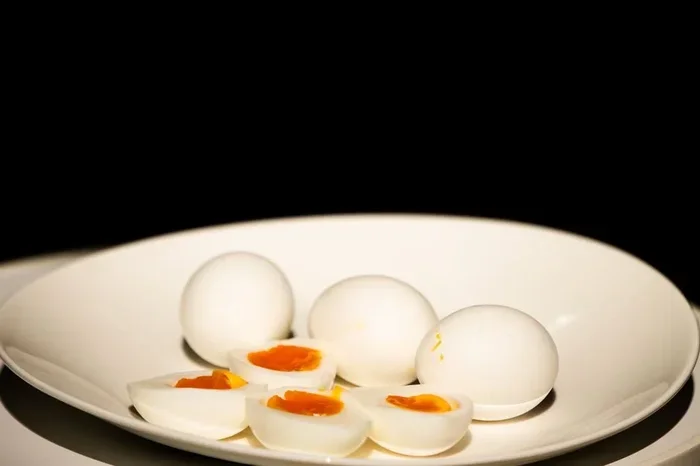
Hard-boiled eggs last up to one week in the fridge when stored properly. Whether peeled or unpeeled, knowing the right boiled eggs storage method keeps them safe and fresh. This guide covers shelf life, signs of spoilage, and simple tips to make your eggs last longer.
Key Takeaways
- Hard-boiled eggs last 7 days: The USDA recommends eating them within one week of cooking.
- Unpeeled eggs last longer: The shell acts as a natural barrier against bacteria and odors.
- Always cool eggs first: Proper cooling before fridge storage prevents moisture buildup and spoilage.
- Smell is your best test: A sulfurous or rotten odor means the egg has gone bad.
- Store in airtight containers: This keeps eggs from absorbing other fridge odors and stays fresh longer.
- Freezing is not ideal: Freezing changes the texture of egg whites and is not recommended.
- Meal prep with confidence: Boiled eggs are a great weekly meal prep staple when stored correctly.
📑 Table of Contents
How Long Are Boiled Eggs Good in the Fridge?
If you have ever wondered how long are boiled eggs good in fridge, you are not alone. It is one of the most common kitchen questions. The short answer is simple. Hard-boiled eggs stay fresh for up to seven days when kept in the refrigerator. But the full answer depends on a few key factors. These include whether the eggs are peeled or unpeeled, how they are stored, and when they were cooked.
Knowing the hard-boiled eggs shelf life helps you avoid food waste. It also keeps you safe from eating spoiled food. In this guide, we will walk through everything you need to know. From proper cooling to storage containers, we have you covered. You will learn the best egg storage tips so your eggs stay fresh every time.
The fridge storage time for eggs starts the moment they cool down after boiling. Many people make the mistake of leaving eggs out too long. This can reduce their freshness and safety. Let us break it all down so you can store your eggs with confidence.
Why Does Storage Time Matter?
Boiled eggs are a fantastic protein-rich snack. They are easy to make in batches. You can add them to salads, sandwiches, or eat them on their own. But once cooked, they become perishable. Unlike raw eggs in their shell, boiled eggs have had their protective coating removed or weakened. This makes them more vulnerable to bacteria.
The egg safety guidelines from the USDA are clear. Cooked eggs should not sit at room temperature for more than two hours. After that, bacteria can start to grow quickly. So always get your boiled eggs into the fridge as soon as they are cool enough to handle.
Peeled vs. Unpeeled: Which Lasts Longer?
This is one of the biggest questions people ask about storing cooked eggs. The answer matters a lot for freshness. Let us look at both options side by side.
Unpeeled Boiled Eggs
Unpeeled eggs last longer in the fridge. The shell acts as a natural shield. It protects the egg from bacteria and keeps moisture inside. It also stops the egg from absorbing odors from other foods in your fridge.
If you want the longest possible unpeeled boiled eggs fridge life, keep them in their shells. They can safely last the full seven days. This is the best option if you are meal prepping for the week ahead.
Peeled Boiled Eggs
Peeled eggs can still last up to seven days. But they need extra care. Without the shell, the egg white is exposed. It can dry out or pick up smells from other foods. The peeled boiled eggs storage method makes a big difference here.
Always place peeled eggs in an airtight container. You can also wrap them in a damp paper towel before putting them in a container. This helps keep moisture in and maintains the texture. The egg white storage stays much better this way.
| Factor | Unpeeled | Peeled |
|---|---|---|
| Max Fridge Life | 7 days | 7 days |
| Protection from Bacteria | High | Lower |
| Odor Protection | Yes | No (needs container) |
| Convenience | Peel before eating | Ready to eat |
| Best For | Long-term storage | Quick snacking |
Both methods work well. Your choice depends on how you plan to use the eggs. If you want grab-and-go convenience, peel them and store them right. If you want maximum freshness, keep them in the shell until you are ready to eat.
How to Properly Store Boiled Eggs
Proper storage is the key to making your boiled eggs last. It is not just about tossing them in the fridge. A few small steps make a huge difference in freshness and safety.
Step 1: Cool the Eggs Quickly
After boiling, transfer the eggs to a bowl of ice water right away. Let them sit for at least 10 minutes. This rapid proper egg cooling stops the cooking process. It also prevents a green ring from forming around the yolk. That green ring is not harmful, but it does not look appetizing.
Quick cooling also helps with yolk preservation. The yolk stays bright yellow and creamy. This makes your eggs look and taste much better when you eat them later.
Step 2: Dry the Eggs Gently
Once the eggs are cool, pat them dry with a clean towel. Excess moisture can lead to mold growth. This is especially important for peeled eggs. A dry surface helps them stay fresh longer.
Step 3: Choose the Right Container
Use a sealed container or a tight-fitting lid. A reusable plastic container works great. You can also use a zip-lock bag, but make sure you press out the air. The goal is to minimize exposure to air and fridge odors.
If you are following weekly meal prep eggs routines, a clear container is ideal. You can see the eggs at a glance and track how many days they have been in the fridge.
Step 4: Store in the Main Fridge Section
Keep your boiled eggs in the main body of the fridge. Do not store them in the door. The door temperature fluctuates every time you open it. The main section keeps a more consistent egg refrigerator temperature. This is important for food safety.
Step 5: Label and Date
Write the date you boiled the eggs on the container. This simple habit helps you track freshness. You will always know exactly how many days have passed. It removes all guesswork from your routine.
Signs Your Boiled Eggs Have Gone Bad
Even with proper storage, boiled eggs do not last forever. You need to know the signs of spoiled eggs. Eating a bad egg can cause food poisoning. Nobody wants that.
The Smell Test
This is the most reliable method. A fresh boiled egg has little to no smell. A spoiled egg gives off a strong sulfurous or rotten odor. The egg odor test is simple. Just crack the egg near your nose. If you smell anything unpleasant, throw it away immediately.
The Visual Test
Look at the egg white and yolk. A fresh boiled egg has a firm white and a bright yellow yolk. If the white looks slimy or discolored, that is a red flag. Pink, green, or gray tones on the white mean the egg has gone bad. Trust your eyes.
The Texture Test
Touch the egg gently. A fresh egg feels smooth and slightly moist. A spoiled egg may feel tacky or slimy. If the texture seems off, do not take the risk. Discard it.
The Float Test (for Raw Eggs)
You may have heard of the egg freshness test using water. This works well for raw eggs but is less reliable for boiled ones. Still, if you have a raw egg and want to check its quality, place it in a bowl of water. Fresh eggs sink. Old eggs stand upright or float. But for boiled eggs, stick with the smell and visual tests.
Can You Freeze Boiled Eggs?
Freezing is a common question when people think about how long do hard-boiled eggs last. The short answer is: you should not freeze boiled eggs. Freezing changes the texture dramatically. The egg whites become rubbery and watery. The yolk can become crumbly and grainy.
While frozen boiled eggs are still safe to eat, the quality drops significantly. They do not taste or feel the same. You are much better off storing them in the fridge and eating them within the one-week window.
If you have a large batch of boiled eggs you cannot finish, consider sharing them. Pack some for friends or family. Or use them in recipes throughout the week. Egg salad, egg sandwiches, and chopped egg toppings all work great.
On the other hand, raw eggs can be frozen. Crack them out of the shell first. Use a freezer-safe container or ice cube tray. Frozen raw eggs last up to a year. Just remember to thaw them in the fridge before using.
Common Mistakes People Make with Boiled Eggs
Avoiding these simple mistakes helps your eggs stay fresh longer.
- Leaving eggs out too long: Do not let cooked eggs sit on the counter overnight. Bacteria grow fast at room temperature.
- Storing warm eggs in the fridge: Wait until they are completely cool. Warm eggs create condensation inside the container. This leads to moisture and mold.
- Using a loose container: Loose lids do not seal properly. They let air in and odors out. Always use a tight-sealing container.
- Ignoring the date: Without a label, it is easy to lose track. Write the date every single time.
- Storing in the fridge door: The temperature changes too much. Keep them in the main compartment.
Best Uses for Week-Old Boiled Eggs
If your eggs are approaching the seven-day mark, do not waste them. There are plenty of delicious ways to use them up.
- Slice them onto a salad for extra protein.
- Mash them into a classic egg salad sandwich.
- Chop them and add to fried rice or noodles.
- Halve them and sprinkle with salt and pepper for a quick snack.
- Use them as a topping for avocado toast.
- Add them to a wrap or burrito for a filling boost.
For more egg-related tips and kitchen hacks, check out our guide on how to store eggs for long term. It covers both raw and cooked egg storage in detail. If you enjoy kitchen gadgets, you might also want to look at our review of the best egg cutter for soft boiled eggs to make your egg prep faster and cleaner.
Proper kitchen food storage goes a long way in reducing waste and keeping meals safe. For broader tips on storing food when you do not have access to a fridge, visit our article on how to store food without fridge.
Final Thoughts
So, how long are boiled eggs good in the fridge? The answer is up to seven days. But that number only holds true if you store them correctly. Keep unpeeled eggs in their shells. Keep peeled eggs in an airtight container. Always cool them down quickly. And always trust your nose if something smells off.
Boiled eggs are one of the best protein-rich snacks you can prepare ahead of time. They fit perfectly into a weekly meal prep eggs routine. They save time, money, and effort throughout the week. With the right storage method, you can enjoy fresh and safe boiled eggs every single day.
Follow the tips in this guide and you will never have to worry about wasted eggs or food safety again. Keep it simple, keep it smart, and enjoy every bite.
Frequently Asked Questions
Can I eat boiled eggs after 10 days in the fridge?
The USDA recommends eating boiled eggs within seven days. After 10 days, the risk of bacterial growth increases significantly. Always check for off smells or unusual textures before consuming. When in doubt, throw the egg out to stay safe.
Why do boiled eggs smell after a few days?
A strong sulfurous smell means the egg has started to spoil. This happens as bacteria break down the proteins inside the egg. Even if the egg looks normal, a bad odor is a clear sign to discard it. Always trust your nose when checking for freshness.
Can I store peeled boiled eggs without a container?
It is not recommended. Without a container, peeled eggs are exposed to air and fridge odors. They can also dry out quickly. Always use an airtight container or wrap them tightly in plastic wrap. Proper peeled boiled eggs storage keeps them fresh and safe.
How long do boiled eggs last unrefrigerated?
Boiled eggs should not sit out at room temperature for more than two hours. After that, bacteria can multiply to unsafe levels. If the room is very warm, the safe window drops to just one hour. Always refrigerate boiled eggs promptly after cooking.
Is the green ring around the yolk safe to eat?
Yes, the green ring is harmless. It forms when eggs are overcooked or cooled too slowly. It is caused by a reaction between iron and sulfur in the egg. While it does not affect safety, it can taste slightly bitter. Proper cooling prevents the green ring from forming.
Can I reheat boiled eggs?
Boiled eggs are best eaten cold or at room temperature. Reheating them can make the rubbery texture even worse. If you want a warm egg dish, consider making egg salad or adding them to a hot recipe instead. This preserves the best taste and texture.



