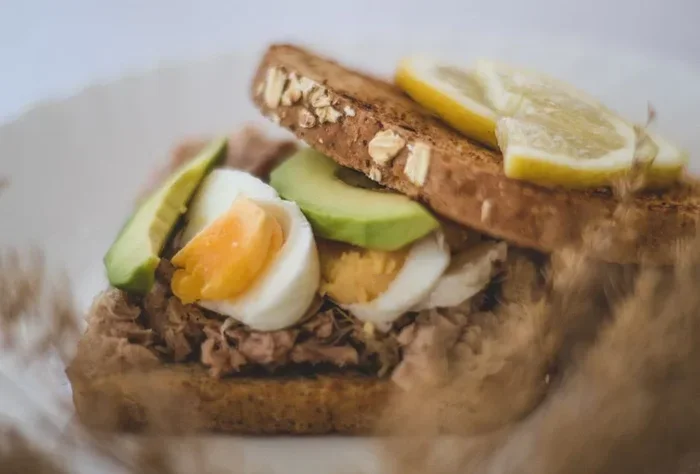
So, does avocado have protein? Yes, it does! A single avocado contains about 4 grams of protein, which may surprise many people who think of it as just a healthy fat source. Avocado protein is plant-based, making it a great addition to vegetarian and vegan diets looking to boost their daily intake.
You probably know avocado as the creamy green fruit that makes toast look amazing. But here is a question that surprises a lot of people. Does avocado have protein? The answer is yes, and the amount might just shock you.
Most folks think of avocado as a fat source. And yes, it is loaded with healthy fats. But it also brings protein to the table in a meaningful way. Whether you are a vegetarian, a keto follower, or just someone trying to eat cleaner, understanding avocado protein can change the way you plan your meals.
In this article, we will break down the exact avocado protein content, explore the full avocado nutrition profile, and share practical tips on how to use this fruit to boost your daily protein intake. You will also learn why avocado is a secret weapon for anyone chasing a high protein low carb lifestyle.
Key Takeaways
- Avocados do contain protein: Each whole avocado provides around 4 grams of protein, which is more than most people expect.
- Avocado nutrition goes beyond protein: It also delivers healthy monounsaturated fats, fiber, potassium, and vitamins.
- It is not a complete protein: Avocado lacks some essential amino acids, so pair it with other protein sources.
- Great for low carb and keto diets: Avocado fits perfectly into low carb high protein meal plans.
- Easy to add to any meal: Toss it in salads, smoothies, toast, or use it in dinner recipes.
- Supports muscle building and weight loss: The combo of protein and healthy fats keeps you full and fuels recovery.
📑 Table of Contents
- So, Does Avocado Have Protein?
- Understanding Avocado Nutrition Beyond Protein
- Is Avocado a Complete Protein Source?
- Avocado for High Protein Low Carb Eating
- Can Avocado Help with Muscle Building?
- How Avocado Compares to Other Protein-Rich Foods
- Common Mistakes People Make with Avocado and Protein
- Expert Insights: Why Dietitians Love Avocado
- How to Pick, Store, and Use Avocado for Maximum Nutrition
- Final Thoughts on Avocado and Protein
So, Does Avocado Have Protein?
The short answer is yes. A whole Hass avocado contains roughly 4 grams of protein. A half avocado, which is what most people eat at a time, gives you about 2 grams. That is not a huge amount, but it adds up fast when you eat a balanced diet.
For comparison, a single large egg has about 6 grams of protein. So one egg has more than a half avocado. But here is the thing. Avocado brings something eggs do not. It delivers protein alongside heart-healthy fats and a ton of fiber. That combination makes it a unique plant protein source.
How Much Protein Is in Different Serving Sizes?
Let us look at the numbers more closely. Here is a quick breakdown of avocado protein by serving size:
- One-quarter of an avocado: About 1 gram of protein
- One-third of an avocado: About 1.3 grams of protein
- One-half of an avocado: About 2 grams of protein
- One whole avocado: About 4 grams of protein
Now, 4 grams might not sound like a lot. But remember, avocados are not meant to be your only protein source. They are a supporting player that boosts the overall protein value of your meal. Think of them as the protein helper that also delivers incredible nutrition.
Understanding Avocado Nutrition Beyond Protein
Avocado is one of the most nutrient dense foods you can eat. When you look at the full avocado nutrition label, the protein is just the beginning. This fruit is packed with vitamins, minerals, and healthy fats that your body loves.
The Healthy Fat Factor
About 77% of the calories in avocado come from fat. But do not let that scare you. The fat in avocado is mostly monounsaturated fat, specifically oleic acid. This is the same healthy fat found in olive oil. Studies link monounsaturated fat to reduced inflammation, better heart health, and improved cholesterol levels.
A whole avocado contains around 21 grams of fat. Of that, about 14 grams are monounsaturated. Only about 3 grams are saturated fat. This fat profile makes avocado a superstar for anyone focused on healthy fats.
Fiber Content That Helps Digestion
Avocado is also incredibly rich in dietary fiber. A whole avocado has about 10 grams of fiber. That is roughly one-third of the daily recommended intake. Fiber keeps your digestive system running smoothly and helps you feel full longer after meals.
When you combine the fiber and protein in avocado, you get a food that naturally supports weight management. You stay satisfied, you snack less, and you fuel your body with quality nutrients.
Vitamins and Minerals in Avocado
Avocado is a great source of potassium, vitamin K, vitamin E, and vitamin C. One avocado provides more potassium than a banana. Potassium is essential for muscle function, nerve signals, and maintaining healthy blood pressure.
Here is a quick look at the key vitamins and minerals you get from a whole avocado:
- Potassium: About 975 mg (more than a banana)
- Vitamin K: About 26% of the daily value
- Vitamin E: About 21% of the daily value
- Vitamin C: About 17% of the daily value
- Folate: About 20% of the daily value
These nutrients work together to support your immune system, skin health, and energy levels. That is why nutritionists often call avocado a superfood.
Is Avocado a Complete Protein Source?
Here is where things get interesting. Avocado is not a complete protein. A complete protein contains all nine essential amino acids that your body cannot make on its own. Avocado has some amino acids, but not all of them in sufficient amounts.
So does this mean avocado protein is less valuable? Not at all. You do not need every food you eat to be a complete protein. As long as you eat a varied diet throughout the day, your body combines amino acids from different sources. This is especially easy for vegetarians and vegans who eat a wide range of fruits, vegetables, grains, and legumes.
Best Protein Pairings with Avocado
The trick is to pair avocado with complementary protein sources. Here are some easy combinations that create a balanced amino acid profile:
- Avocado + eggs: A classic breakfast that delivers complete protein and healthy fats.
- Avocado + black beans: A Mexican-inspired combo that is rich in both protein and fiber.
- Avocado + grilled chicken: Perfect for a high protein lunch or dinner.
- Avocado + quinoa: A plant-based power bowl that covers all essential amino acids.
- Avocado + Greek yogurt: A creamy smoothie base packed with protein.
When you eat these pairings, you get the best of both worlds. You absorb all the essential amino acids while enjoying the unique benefits of avocado. This is how you build a truly nutrient dense meal.
Avocado for High Protein Low Carb Eating
One of the biggest reasons people love avocado is that it fits perfectly into low carb high protein eating plans. Whether you follow keto, paleo, or just want to cut back on carbs, avocado is your best friend.
A whole avocado has only about 12 grams of net carbs. That is very low for a fruit. And with 4 grams of protein and 21 grams of fat, it gives you the perfect macronutrient balance for a keto or low carb lifestyle.
Adding Avocado to Your Low Carb Meals
There are so many simple ways to include avocado in your daily meals. Here are some practical ideas:
- Avocado toast with eggs: Use whole grain or low carb bread, add mashed avocado, and top with a poached egg. This makes a great high protein breakfast.
- Avocado chicken salad: Mix diced avocado with shredded chicken and a squeeze of lime. Wrap it in lettuce for a no-carb lunch.
- Avocado smoothie: Blend avocado with protein powder, spinach, and almond milk for a creamy, protein-packed drink.
- Stuffed avocado halves: Fill half an avocado with black beans, salsa, and a sprinkle of cheese for a quick high protein snack.
If you want even more ideas for low carb meals that include avocado, check out our article on 13 Low Carb High Protein Crockpot Meals. These recipes pair perfectly with avocado as a side or ingredient.
Can Avocado Help with Muscle Building?
When most people think about building muscle, they think about chicken, beef, and protein shakes. But avocado can play a real role in muscle building too. Here is how.
First, muscle repair needs protein. The 4 grams of protein in a whole avocado contributes to your daily total. Every gram counts, especially when you are eating multiple meals a day.
Second, the healthy fats in avocado support hormone production. Hormones like testosterone play a big role in muscle growth and recovery. Monounsaturated fat helps keep these hormones at healthy levels.
Third, avocado is rich in potassium. Potassium prevents muscle cramps and supports proper muscle contraction during workouts. If you have ever cramped up mid-exercise, you know how important this mineral is.
Many athletes and fitness enthusiasts now add half an avocado to their post-workout meals. It pairs well with grilled chicken, salmon, or even a simple bowl of rice and vegetables. The fats slow digestion, which means nutrients reach your muscles over a longer period. This can improve recovery and reduce soreness.
For more high protein dinner ideas that work well with avocado, take a look at our guide on 15 High Protein Low Carb Dinner Recipes. Several of these meals can be easily enhanced with fresh avocado.
How Avocado Compares to Other Protein-Rich Foods
Let us put avocado protein into perspective. How does it stack up against other common foods? Here is a simple comparison table:
| Food | Serving Size | Protein (grams) | Calories |
|---|---|---|---|
| Whole Avocado | 1 fruit (200g) | 4g | 322 |
| Large Egg | 1 egg | 6g | 72 |
| Grilled Chicken Breast | 100g | 31g | 165 |
| Cooked Lentils | 1 cup | 18g | 230 |
| Greek Yogurt | 1 cup | 20g | 100 |
| Almonds | 1 oz (28g) | 6g | 164 |
As you can see, avocado is not the highest protein food on the list. But it is not meant to be. Avocado brings something unique to the table. It combines protein with healthy fats, fiber, and a wide range of vitamins and minerals.
No single food gives you everything you need. That is why variety matters. Avocado fills a specific nutritional niche that other protein sources simply do not cover. It is the synergy of all these nutrients that makes avocado so valuable for overall health.
Common Mistakes People Make with Avocado and Protein
There are a few mistakes that people make when trying to use avocado as part of a high protein diet. Avoiding these pitfalls will help you get the most out of this amazing fruit.
Mistake 1: Relying on Avocado as Your Main Protein Source
Avocado is a great addition to your protein intake, but it should not be your only source. Four grams of protein per fruit is not enough to meet your daily needs. Most adults need 46 to 56 grams of protein per day depending on body weight and activity level.
Always pair avocado with dedicated protein foods like meat, fish, eggs, beans, or dairy. Think of avocado as the protein enhancer, not the protein foundation.
Mistake 2: Eating Too Much Without Tracking Calories
Avocado is calorie dense. A whole avocado has over 300 calories. It is easy to overeat because it is so creamy and satisfying. If you are watching your calorie intake, measure your portions carefully. Half an avocado is usually the right amount for one meal.
Mistake 3: Ignoring the Skin and Seed
Many people throw away the avocado skin and seed. While the seed is tough and not typically eaten, the skin actually contains beneficial antioxidants. Some people even blend the skin into smoothies. Of course, always wash the skin thoroughly before cutting into the fruit.
Expert Insights: Why Dietitians Love Avocado
Nutrition experts have been singing the praises of avocado for years. And for good reason. Dietitians love avocado because it delivers so much nutritional value in every serving.
Registered dietitian Wendy Lopez once said, “Avocado is one of the most versatile foods you can eat. It brings healthy fats, fiber, and a small amount of protein to the plate. It makes any meal more satisfying.”
The American Heart Association also recommends foods rich in monounsaturated fat, like avocado, as part of a heart-healthy diet. The healthy fats in avocado can help lower bad cholesterol and raise good cholesterol when eaten in place of saturated fats.
What makes avocado truly special is its ability to help your body absorb fat-soluble vitamins. Vitamins A, D, E, and K need fat to be absorbed properly. The fat in avocado enhances the absorption of these nutrients from other foods you eat at the same meal. This is a huge nutritional advantage that most people overlook.
How to Pick, Store, and Use Avocado for Maximum Nutrition
Getting the most out of your avocado starts with choosing the right one. Here are some quick tips.
- Pick it right: A ripe avocado yields slightly to gentle pressure. It should feel soft but not mushy. The skin should be dark green to nearly black.
- Store it properly: If your avocado is ripe, place it in the refrigerator to slow down further ripening. A whole avocado can last 2 to 3 days in the fridge.
- Prevent browning: Leave the pit in unused halves and squeeze lemon juice on the exposed flesh. This slows oxidation and keeps the green color.
- Freeze it: You can freeze mashed avocado for up to 6 months. It is perfect for smoothies and sauces later.
For tips on storing other popular ingredients, check out our guide on how to store mashed avocado. It covers simple tricks to keep your avocado fresh longer.
When it comes to using avocado, the possibilities are nearly endless. Add it to smoothies for creaminess. Use it as a butter substitute on toast. Mix it into pasta salads for extra richness. Or simply eat it straight from the shell with a sprinkle of salt and pepper.
Final Thoughts on Avocado and Protein
So the next time someone asks, does avocado have protein, you can confidently say yes. Avocado brings about 4 grams of protein per fruit, along with a powerhouse of healthy fats, fiber, and essential vitamins and minerals. It is not a replacement for your main protein sources, but it is a fantastic complement to any balanced diet.
Whether you are following a high protein low carb plan, trying to build muscle, or just eating cleaner, avocado deserves a spot on your plate. Its unique combination of protein, healthy fats, and fiber makes it one of the most nutrient dense foods available.
Start adding half an avocado to your meals today. Sprinkle it on salads, blend it into smoothies, or simply enjoy it with a pinch of salt. Your body will thank you for the extra nutrition and the satisfying, creamy taste.
Avocado proves that healthy eating does not have to be complicated. Sometimes the simplest foods are the most powerful. Embrace the avocado, enjoy its benefits, and let it support your journey toward better health and balanced nutrition.
Frequently Asked Questions
Does avocado have more protein than a banana?
Yes, avocado has more protein than a banana. A whole avocado contains about 4 grams of protein, while a medium banana has only about 1 gram. Avocado is also much richer in healthy fats and fiber, making it a more filling and nutrient dense choice.
Can you get enough protein from avocado alone?
No, you cannot get enough protein from avocado alone. A whole avocado has only 4 grams of protein. Most adults need 46 to 56 grams per day. You would need to eat a very large amount of avocado to meet your daily protein needs, so always combine it with other protein-rich foods.
Is avocado protein good for vegetarians?
Yes, avocado protein is excellent for vegetarians. While it is not a complete protein, it adds to your daily protein total and pairs well with other plant-based sources like beans, lentils, quinoa, and tofu to create complete amino acid profiles.
How much avocado should I eat per day for protein?
Half to one whole avocado per day is a good amount for most people. This gives you about 2 to 4 grams of protein along with healthy fats, fiber, and plenty of vitamins and minerals. Eating more than one avocado daily can add too many calories for some people.
Does avocado have protein if you eat it raw?
Yes, avocado has the same amount of protein whether you eat it raw, cooked, or blended. The protein content does not change with preparation. Raw avocado is actually the best way to preserve all its vitamins and healthy fats.
Can avocado help with weight loss even though it has fat?
Yes, avocado can support weight loss despite its fat content. The healthy monounsaturated fats, protein, and fiber in avocado keep you feeling full longer. This reduces overall calorie intake throughout the day. Studies show that people who eat avocado regularly tend to have lower body weight and better nutrient intake.