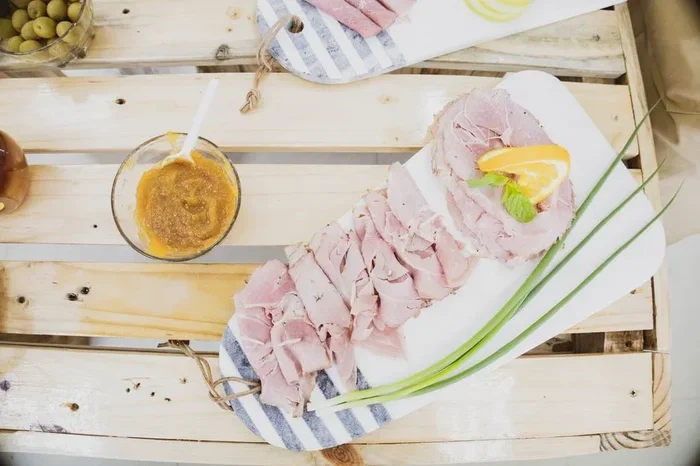
Our complete Smithfield ham cooking instructions cover oven baking, stovetop simmering, and slow cooker methods. You will learn how to prep, glaze, and serve a Smithfield ham like a pro. Whether you have a whole ham or a half, these tips ensure juicy, flavorful results every time.
Cooking a Smithfield ham at home might feel intimidating at first. But with the right steps, it is actually one of the easiest and most rewarding things you can do in the kitchen. A Smithfield ham brings a classic, smoky flavor that makes any meal feel special.
Whether you are planning a holiday dinner or just want to try something new, this guide has you covered. We will walk you through every step of the process. You will learn how to prepare the ham, choose the best cooking method, and make a delicious glaze from scratch. By the end, you will feel confident enough to cook a Smithfield ham on your own.
So grab your apron and let us get started. These Smithfield ham cooking instructions are simple, practical, and designed for cooks of all skill levels. No fancy equipment needed — just a basic kitchen and a willingness to try.
Key Takeaways
- Multiple Cooking Methods: Oven, stovetop, and slow cooker all work great for Smithfield ham.
- Proper Prep Matters: Soaking and scoring the ham before cooking improves flavor and texture.
- Glazing Adds Magic: A homemade glaze with brown sugar, mustard, and cloves creates a beautiful finish.
- Temperature Is Key: Cook until the internal temp reaches 145°F for safe, juicy ham.
- Resting Matters: Letting the ham rest for 15 minutes keeps the juices locked in.
- Leftovers Are Great: Cooked Smithfield ham stores well and works in many recipes.
📑 Table of Contents
- What Is a Smithfield Ham?
- How to Prepare Smithfield Ham for Cooking
- Smithfield Ham Cooking Instructions: Oven Method
- Smithfield Ham Cooking Instructions: Stovetop and Slow Cooker Methods
- Making the Perfect Ham Glaze
- Serving and Storing Cooked Smithfield Ham
- Why Cook Smithfield Ham at Home?
- Conclusion
What Is a Smithfield Ham?
A Smithfield ham is a type of cured pork that comes from the Smithfield area of Virginia. It is typically dry-cured and smoked, which gives it a deep, rich flavor. These hams are often sold whole or in halves, and they can be bone-in or boneless.
Because Smithfield ham is cured, it has a salty, savory taste that is quite different from a fresh ham. The curing process also means it needs some preparation before cooking. Most people soak the ham overnight to draw out excess salt. This step is important and should not be skipped.
You can find Smithfield ham at most grocery stores or specialty meat shops. It is a popular choice for Easter, Christmas, and Southern gatherings. The ham pairs well with sides like collard greens, cornbread, and black-eyed peas.
How to Prepare Smithfield Ham for Cooking
Step 1: Check the Label
Before you start, read the package instructions carefully. Some Smithfield ham products come with specific directions from the manufacturer. Always follow those first. If no instructions are included, the general steps below will work well.
Step 2: Soak the Ham
Place the ham in a large pot or bucket filled with cold water. Let it soak for at least 4 to 12 hours in the refrigerator. This helps remove extra salt from the curing process. Change the water once or twice during soaking for the best results.
After soaking, rinse the ham thoroughly under cold running water. Pat it dry with paper towels. Your ham is now ready for the next step.
Step 3: Score the Ham
Use a sharp knife to score the surface of the ham in a diamond pattern. Cut about a quarter inch deep into the meat. Scoring helps the glaze penetrate the ham more evenly. It also creates a beautiful presentation when the ham is done.
If you are using a bone-in ham, be careful not to cut too deep near the bone. A good knife and steady hand make this step much easier.
Step 4: Preheat and Get Ready
Preheat your oven to 325°F if you are baking. For stovetop or slow cooker methods, have your water, broth, or cooking liquid ready. Make sure you have a meat thermometer on hand. This tool is essential for checking the internal temperature of the ham.
Smithfield Ham Cooking Instructions: Oven Method
The oven method is the most popular way to cook a Smithfield ham. It is simple, hands-off, and produces a beautifully glazed exterior. Here is how to do it.
Baking the Ham
Place the ham on a rack inside a roasting pan. Add about one inch of water to the bottom of the pan. This keeps the ham moist during cooking. Cover the pan tightly with aluminum foil.
Put the ham in the oven and let it bake. A whole Smithfield ham usually takes about 20 to 25 minutes per pound. A half ham will cook faster, usually around 15 to 20 minutes per pound. Use your meat thermometer to check progress.
Baste the ham with the pan juices every 30 minutes. This keeps the surface moist and adds flavor. If you are using a best big pots for cooking non-stick roasting pan, cleanup will be much easier.
Adding the Glaze
About 30 minutes before the ham is done, remove the foil. Brush a generous layer of glaze over the top. You can find a great glaze recipe in the next section. Return the ham to the oven uncovered so the glaze can caramelize.
Continue baking until the internal temperature reaches 145°F. This is the safe temperature for cooked pork according to the USDA. A fully cooked Smithfield ham may only need to be heated through, so check the package for guidance.
Resting the Ham
Once the ham reaches the right temperature, take it out of the oven. Let it rest for at least 15 minutes before slicing. This allows the juices to redistribute throughout the meat. The result is a juicier, more flavorful ham.
Smithfield Ham Cooking Instructions: Stovetop and Slow Cooker Methods
Not everyone has an oven available or wants to heat up the kitchen. The good news is that you can cook a Smithfield ham on the stovetop or in a slow cooker. Both methods work well and produce tender, delicious results.
Stovetop Method
For the stovetop method, place the ham in a large stockpot or Dutch oven. Add enough water or chicken broth to cover the ham halfway. Bring the liquid to a gentle simmer over medium heat.
Reduce the heat to low and let the ham simmer. A whole ham may take 3 to 4 hours on the stovetop. A half ham will be done in about 2 to 3 hours. Check the internal temperature regularly. Use a best extra long wooden spoon for cooking to baste the ham without burning your hand on the pot handle.
Add your glaze in the last 30 minutes of cooking. Brush it on generously and let it set. The simmering method keeps the ham very moist, though it may not have the same smoky roasted flavor as the oven method.
Slow Cooker Method
The slow cooker is a great option if you want to set it and forget it. Place the ham in the slow cooker and add about one cup of water or broth. Cover and cook on low for 6 to 8 hours, or on high for 3 to 4 hours.
Baste the ham halfway through cooking. Apply the glaze during the last hour. The slow cooker method produces a very tender ham that almost falls apart. If you want to keep your workspace clean, consider using a best heat resistant arm sleeves for cooking when handling the hot slow cooker insert.
Making the Perfect Ham Glaze
A great glaze can turn a good ham into a great one. The glaze adds sweetness, a touch of tang, and a beautiful caramelized finish. Here are a few simple recipes to try.
Classic Brown Sugar Glaze
This is the most traditional glaze for Smithfield ham. You will need brown sugar, Dijon mustard, and a pinch of cloves. Mix equal parts brown sugar and mustard in a small bowl. Add the cloves and stir until smooth.
Brush this mixture over the ham during the last 30 minutes of cooking. The heat will melt the sugar and create a sticky, sweet crust. You can also add a splash of apple cider vinegar for a slight tang.
Honey Pineapple Glaze
For a sweeter option, try a honey pineapple glaze. Combine honey, crushed pineapple, and a little brown sugar in a saucepan. Warm the mixture over low heat until it thickens slightly. Brush it on the ham during the final 20 minutes of cooking.
This glaze pairs especially well with a Smithfield ham because the fruit flavors complement the smoky cured meat. You can also add chopped pecans to the glaze for a crunchy texture.
Quick Tips for Glazing
- Apply the glaze in thin layers for even caramelization.
- Do not add the glaze too early, or it may burn.
- Use a silicone brush for smooth, even coverage.
- Save some glaze to serve on the side for extra flavor.
Serving and Storing Cooked Smithfield Ham
How to Serve
Carve the ham into thin, even slices for the best presentation. If you have a bone-in ham, slice along the bone for clean portions. Serve the ham warm alongside your favorite sides.
Smithfield ham works great with baked beans, roasted vegetables, and mac and cheese. For a Southern twist, pair it with collard greens and cornbread. The leftovers make excellent sandwiches the next day.
How to Store Leftovers
Store leftover ham in an airtight container in the refrigerator. It will keep for up to 5 days. For longer storage, wrap the ham tightly in plastic wrap or foil and freeze it for up to 3 months.
If you plan to freeze the ham, consider using best high temperature plastic wrap for cooking to keep it fresh. When you are ready to eat the leftovers, reheat slices in the oven at 300°F for about 10 minutes. You can also use the ham in soups, casseroles, and omelets.
Common Mistakes to Avoid
- Skipping the soaking step, which can leave the ham too salty.
- Overcooking the ham, which dries it out quickly.
- Adding the glaze too early, which causes it to burn.
- Not using a meat thermometer, which can lead to under or overcooking.
- Cutting into the ham too soon, which lets the juices escape.
Why Cook Smithfield Ham at Home?
Cooking a Smithfield ham at home gives you control over the flavor and quality. Store-bought sliced ham often contains preservatives and added sodium. When you cook a whole or half ham yourself, you know exactly what goes into it.
It is also more cost-effective. A whole Smithfield ham feeds a large group, making it perfect for family gatherings and holiday meals. The leftovers stretch your budget even further. You can use the ham bones to make stock, and the leftover meat works in countless recipes.
Beyond the practical benefits, cooking a Smithfield ham is a rewarding experience. The aroma that fills your kitchen while it bakes is incredible. The look of a perfectly glazed ham on the table is sure to impress your guests. Once you master the basics, you can experiment with different glazes and cooking methods to make the recipe your own.
If you are new to cooking cured meats, a Smithfield ham is a great place to start. The curing process does a lot of the work for you. You simply need to follow the Smithfield ham cooking instructions above, and you will have a show-stopping dish on your table.
So the next time you are planning a special meal, consider cooking a Smithfield ham. With the right preparation and a little patience, you will enjoy a meal that is truly memorable. Your family and friends will thank you for it.
Remember, cooking is about having fun and creating something delicious. Do not stress over perfection. Follow these steps, trust your instincts, and enjoy the process. A Smithfield ham is one of those dishes that brings people together and makes any occasion feel festive.
Conclusion
Cooking a Smithfield ham is easier than you might think. With the right Smithfield ham cooking instructions, you can prepare a delicious, show-stopping meal at home. Whether you choose the oven, stovetop, or slow cooker method, the key is to take your time, monitor the temperature, and apply a great glaze.
Soak the ham first, score it for even glazing, and always use a meat thermometer. Let the ham rest before slicing, and store leftovers properly for maximum enjoyment. These simple steps will help you achieve a perfectly cooked Smithfield ham every single time.
Now that you have all the knowledge you need, it is time to put it into practice. Pick up a Smithfield ham from your local store, follow these instructions, and enjoy the results. Happy cooking!
Frequently Asked Questions
How long does it take to cook a Smithfield ham?
Cooking time depends on the size of the ham and the method you use. A whole Smithfield ham in the oven takes about 4 to 5 hours. A half ham cooks faster, usually around 2 to 3 hours. Always use a meat thermometer to check for doneness.
Do you need to soak a Smithfield ham before cooking?
Yes, soaking is recommended. The curing process adds salt to the meat, and soaking helps draw out excess salt. Soak the ham in cold water for at least 4 to 12 hours in the refrigerator. Change the water once or twice for the best results.
What temperature should Smithfield ham reach when cooked?
The internal temperature should reach 145°F for food safety. Use a reliable meat thermometer inserted into the thickest part of the ham. Let the ham rest for 15 minutes after cooking for the best texture and juiciness.
Can you freeze a cooked Smithfield ham?
Yes, you can freeze cooked Smithfield ham for up to 3 months. Wrap it tightly in best high temperature plastic wrap for cooking or heavy-duty foil. When ready to eat, reheat slices in the oven at 300°F for about 10 minutes.
What is the best glaze for Smithfield ham?
A classic brown sugar and Dijon mustard glaze is the most popular choice. It is easy to make and complements the smoky flavor of the ham perfectly. You can also try a honey pineapple glaze for a sweeter option.
Can you cook a Smithfield ham in a slow cooker?
Absolutely. The slow cooker method is simple and produces very tender results. Place the ham in the cooker with a cup of water or broth, and cook on low for 6 to 8 hours. Add your glaze in the last hour for a beautiful finish.