Learning how to cook pumpkin is easier than you think, and the results are delicious every time. This guide covers everything from choosing the right pumpkin to roasting, steaming, and baking it to perfection. You will find simple step-by-step instructions, cooking times, and pro tips that make cooking pumpkin at home a breeze. Whether you are a beginner or a seasoned cook, these methods will help you get the best flavor and texture from every pumpkin you prepare.
Pumpkin is one of the most versatile and nutritious vegetables you can cook at home. Whether you are making a warm pumpkin soup, roasting pumpkin wedges, or blending pumpkin puree for baking, knowing the right techniques makes all the difference. Many people find cooking pumpkin intimidating because of its thick skin and large size. But with the right approach, it is actually quite simple and rewarding.
In this guide, we will walk you through every step of how to cook pumpkin like a pro. You will learn about the best pumpkin varieties, essential preparation steps, and the top cooking methods that deliver perfect results. We also share timing guidelines, temperature tips, and common mistakes to avoid. By the end, you will feel confident enough to cook pumpkin in any way you like.
Key Takeaways
- Choose the right pumpkin: Sugar pumpkins and smaller varieties cook best and taste sweeter than large carving pumpkins.
- Roasting at 400°F brings out natural sweetness: This is the most popular method for cooking pumpkin and takes about 45 to 60 minutes.
- Steaming preserves nutrients: A healthy cooking method that keeps pumpkin tender and full of vitamins.
- Pumpkin seeds are edible and nutritious: Do not throw them away — roast them for a tasty snack.
- Multiple cooking methods work well: You can roast, steam, bake, or even use a rice cooker to prepare pumpkin.
- Proper storage extends freshness: Cooked pumpkin keeps well in the fridge for up to a week and in the freezer for months.
- Prep matters: Peeling, seeding, and cutting pumpkin into uniform pieces ensures even cooking every time.
📑 Table of Contents
- Choosing the Right Pumpkin for Cooking
- Preparing Pumpkin for Cooking
- Best Methods to Cook Pumpkin
- How Long to Cook Pumpkin
- Delicious Ways to Use Cooked Pumpkin
- Storing Cooked Pumpkin
- Common Mistakes to Avoid When Cooking Pumpkin
- Health Benefits of Pumpkin
- Expert Tips for Perfect Pumpkin Every Time
- Conclusion
Choosing the Right Pumpkin for Cooking
Not all pumpkins are created equal when it comes to cooking. The variety you pick has a big impact on flavor, texture, and how easy it is to prepare. Understanding your options helps you get the best results from cooking pumpkin at home.
Sugar Pumpkins vs. Carving Pumpkins
Sugar pumpkins, also called pie pumpkins, are the best choice for cooking. They are small, usually about 4 to 6 pounds, with dense, sweet flesh. Their pumpkin skin is thinner and easier to remove after cooking. Carving pumpkins, on the other hand, are large and have watery, stringy flesh that does not taste great. If you want the best flavor, always reach for a sugar pumpkin or similar cooking variety.
Other Great Pumpkin Varieties
Beyond sugar pumpkins, several other pumpkin varieties work well in the kitchen. Butternut pumpkin, kabocha, and acorn squash are all excellent alternatives. Each has its own unique flavor profile and texture. Butternut pumpkin is creamy and slightly sweet, while kabocha has a dense, almost chestnut-like flesh. These alternatives are great if you cannot find sugar pumpkins at your local store.
What to Look for When Buying
When shopping for cooking pumpkin, look for these signs of quality:
- A firm exterior with no soft spots or bruises
- Heavy weight for its size, which means it is full of moisture
- A dull, matte finish rather than a glossy surface
- A stem that is still attached and dry
These simple checks ensure you pick a pumpkin that will cook evenly and taste wonderful. Fresh, in-season pumpkins from fall are usually the best option, but you can find good-quality pumpkins year-round at many grocery stores.
Preparing Pumpkin for Cooking
Proper pumpkin preparation is the foundation of great results. Taking the time to prep your pumpkin correctly makes cooking faster and more even. Skipping this step can lead to unevenly cooked pieces or tough, chewy skin in your final dish.
Step-by-Step Pumpkin Prep
Follow these steps to get your pumpkin ready for the kitchen:
- Wash the exterior: Rinse the pumpkin under cool running water to remove any dirt or debris. Use a soft brush if needed.
- Cut it in half: Place the pumpkin on a stable cutting board. Use a large, sharp knife to slice it in half from top to bottom. The stem end makes a good handle.
- Scoop out the seeds: Use a large spoon to scrape out the stringy pulp and seeds from the center. Save the seeds if you want to roast them later.
- Peel the skin: You can peel the skin before or after cooking. Many people prefer to cook the pumpkin with the skin on and peel it afterward, as it is easier to handle. Use a vegetable peeler or sharp knife to remove the skin.
- Cut into pieces: Slice the pumpkin into uniform cubes or wedges. Evenly sized pieces cook at the same rate, which prevents some from burning while others stay raw.
Do You Need to Peel Pumpkin Before Cooking?
This depends on your cooking method. For roasting and baking, leaving the skin on during cooking makes the process easier. The skin protects the pumpkin flesh and helps it retain moisture. After cooking, the skin slides right off. For steaming or making pumpkin puree, peeling beforehand works better because you want smooth, skin-free results.
Best Methods to Cook Pumpkin
There are several excellent ways to cook pumpkin, and each method brings out different flavors and textures. Here are the most popular and effective techniques you can try at home.
Roasting Pumpkin
Roasting is the most popular method for cooking pumpkin. It caramelizes the natural sugars and creates a rich, slightly crispy exterior while keeping the inside tender and creamy.
To roast pumpkin, preheat your oven to 400°F. Toss your pumpkin pieces with olive oil, salt, and pepper. Spread them in a single layer on a lined baking sheet. Roast for about 45 to 60 minutes, flipping halfway through. The pumpkin is done when a fork slides easily into the flesh and the edges are golden brown.
Many oven guides, including resources on roasting at 400°F, confirm that this temperature works beautifully for vegetables too. The high heat quickly browns the surface while cooking the interior through.
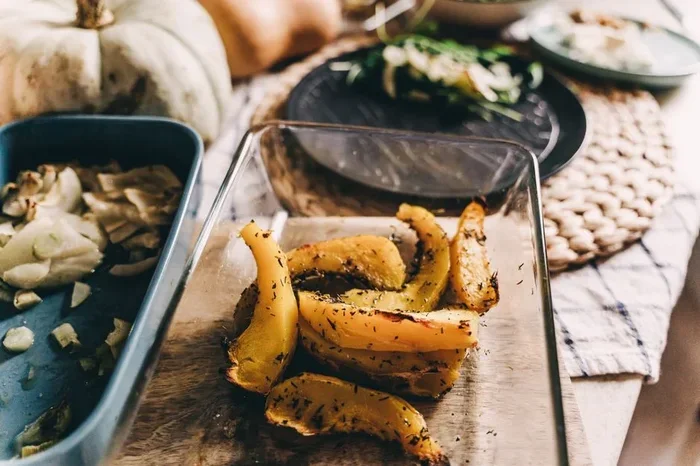
Roasted pumpkin makes a fantastic side dish, salad topping, or base for pumpkin soup. You can also toss roasted pumpkin into grain bowls, pasta dishes, or grain-based recipes.
Steaming Pumpkin
Steaming is one of the healthiest ways to cook pumpkin. It preserves most of the nutrients and produces a soft, tender texture that is perfect for mashing or pureeing.
To steam pumpkin, cut it into small cubes and place them in a steamer basket over boiling water. Cover and steam for about 15 to 20 minutes, or until the cubes are fork-tender. Steaming takes less time than roasting and keeps the pumpkin moist without adding any fat.
This method works especially well when you plan to make pumpkin puree for pies, soups, or baby food. The steamed pumpkin blends smoothly and has a clean, natural flavor.
Baking Whole Pumpkin
Baking a whole pumpkin is a hands-off method that works well for larger pumpkins. Preheat your oven to 350°F, poke several holes in the pumpkin with a fork, and place it on a baking sheet. Bake for about 90 minutes to 2 hours, depending on the size.
Once baked, let the pumpkin cool, then cut it open and scoop out the soft flesh. This method is great for making large batches of pumpkin puree or for serving baked pumpkin as a standalone dish with a drizzle of honey or maple syrup.
Cooking Pumpkin in a Rice Cooker
If you own a rice cooker, you can use it to cook pumpkin with minimal effort. Simply add cubed pumpkin with a small amount of water, close the lid, and set it to the cook or steam setting. The rice cooker creates a steamy environment that cooks the pumpkin evenly and gently.
For more detailed guidance on using this appliance for vegetable cooking, check out our guide on how to cook on rice cooker. This hands-off approach is perfect for busy days when you want a healthy side dish without standing over a hot stove.
Using an Air Fryer for Pumpkin
An air fryer is a fantastic tool for cooking pumpkin quickly. It circulates hot air around the food, creating a crispy exterior without the need for excess oil. This method is similar to air frying other vegetables, and many vegetable cooking guides confirm its effectiveness.
Cut pumpkin into thin wedges or small cubes, toss with a light coating of oil and your favorite seasonings, and air fry at 375°F for about 12 to 15 minutes. Shake the basket halfway through for even cooking. The result is crispy-edged pumpkin with a tender center that tastes amazing as a snack or side dish.
How Long to Cook Pumpkin
Pumpkin cooking time depends on the method you choose and the size of your pieces. Here is a quick reference guide to help you plan your cooking:
| Cooking Method | Piece Size | Temperature | Time |
|---|---|---|---|
| Roasting | 1-inch cubes | 400°F | 45-60 minutes |
| Steaming | 1-inch cubes | Boiling water | 15-20 minutes |
| Baking whole | Full pumpkin | 350°F | 90-120 minutes |
| Air frying | Thin wedges | 375°F | 12-15 minutes |
| Rice cooker | 1-inch cubes | Steam setting | 20-30 minutes |
These times are guidelines. Always check for doneness by piercing the pumpkin with a fork. It should slide in easily with no resistance. If the pieces are larger than one inch, add a few extra minutes to the cooking time. Smaller pieces cook faster, so keep an eye on them to prevent burning.
Several factors affect pumpkin cooking time, including the thickness of the pieces, the freshness of the pumpkin, and your specific oven or appliance. New cooks should start checking a few minutes early to avoid overcooking, which can make the pumpkin mushy and lose its flavor.
Delicious Ways to Use Cooked Pumpkin
Once you have mastered how to cook pumpkin, the fun part is using it in recipes. Cooked pumpkin works in both sweet and savory dishes, making it one of the most versatile ingredients in the kitchen.
Sweet Recipes
- Pumpkin pie: The classic fall dessert made with pumpkin puree, spices, and a flaky crust
- Pumpkin bread and muffins: Moist and flavorful baked goods perfect for breakfast or snacks
- Pumpkin soup with cream: A velvety smooth soup seasoned with nutmeg, cinnamon, and a touch of cream
- Roasted pumpkin with honey: A simple side dish drizzled with maple syrup or honey and sprinkled with cinnamon
Savory Recipes
- Pumpkin curry: Simmer cooked pumpkin in coconut milk with spices for a warming, hearty meal
- Roasted pumpkin salad: Toss roasted pumpkin wedges with greens, nuts, and a tangy vinaigrette
- Pumpkin risotto: Creamy Arborio rice folded into tender pumpkin pieces with parmesan cheese
- Stuffed pumpkin: Hollow out a small pumpkin and fill it with seasoned rice, vegetables, and protein
The possibilities are truly endless. Cooked pumpkin pairs well with warm spices like cumin, paprika, cinnamon, and nutmeg. It also complements savory ingredients like sage, thyme, garlic, and onion. Do not be afraid to experiment and find your favorite combinations.
Storing Cooked Pumpkin
Proper storage keeps your cooked pumpkin fresh and safe to eat for longer. Whether you have leftover puree or roasted pieces, following these storage tips ensures nothing goes to waste.
Refrigerate cooked pumpkin in an airtight container for up to 7 days. For longer storage, freeze portions in freezer-safe bags or containers. Frozen cooked pumpkin keeps well for up to 6 months. Thaw overnight in the refrigerator before using.
If you make pumpkin puree in large batches, consider portioning it into ice cube trays. Once frozen, transfer the cubes to a bag. This way, you can grab just the amount you need without thawing the entire batch.
Always label your stored pumpkin with the date so you can track freshness. Cooked pumpkin should never sit at room temperature for more than two hours, as this increases the risk of bacterial growth. When in doubt, throw it out.
Common Mistakes to Avoid When Cooking Pumpkin
Even experienced cooks sometimes make mistakes with pumpkin. Here are a few pitfalls to watch out for:
- Using a carving pumpkin for cooking: These have watery, bland flesh. Always choose sugar pumpkins or cooking varieties for the best flavor.
- Skipping the seed removal: Seeds and stringy pulp trap moisture and can make your pumpkin soggy. Remove them thoroughly before cooking.
- Cutting uneven pieces: Irregular sizes lead to some pieces burning while others stay undercooked. Take the time to cut uniformly.
- Overcrowding the baking sheet: Pumpkin pieces need space for air to circulate. Overcrowding causes steaming instead of roasting, which prevents caramelization.
- Underseasoning: Pumpkin has a mild, slightly sweet flavor that benefits from salt, pepper, and herbs. Do not be shy with seasoning.
Avoiding these simple mistakes will elevate your cooking pumpkin results every single time. Small adjustments in prep and technique make a big difference in the final dish.
Health Benefits of Pumpkin
Beyond its delicious taste, pumpkin is packed with nutritional benefits that make it a smart addition to your diet. Understanding the health perks of pumpkin gives you even more reason to cook it regularly.
Pumpkin nutrition is impressive. It is rich in vitamin A, which supports eye health and immune function. It also provides vitamin C, potassium, and fiber. The bright orange color comes from beta-carotene, a powerful antioxidant that helps protect your cells from damage.
Pumpkin health benefits include support for healthy skin, improved digestion from its fiber content, and reduced inflammation. Its low calorie count makes it a great food for weight management. Whether you roast it, steam it, or blend it into soup, pumpkin delivers nutrition in every bite.
Expert Tips for Perfect Pumpkin Every Time
Here are some insider tips from experienced cooks that take your pumpkin recipes to the next level:
- Save and roast the seeds: Rinse pumpkin seeds, toss with oil and salt, and bake at 300°F for 20 to 30 minutes. They make a crunchy, nutritious snack.
- Use the pumpkin skin as a serving vessel: After baking a whole pumpkin, scrape out the flesh and use the hollow shell as a rustic serving bowl for soup or stew.
- Roast pumpkin with complementary vegetables: Toss pumpkin with sweet potatoes, carrots, or onions for a complete roasted vegetable medley.
- Add a pinch of smoked paprika: This brings a subtle smoky depth that pairs beautifully with the natural sweetness of pumpkin.
- Blend while warm: For the smoothest pumpkin puree, blend the cooked pumpkin while it is still warm. Cold pumpkin can be lumpy and harder to process.
These small touches add big flavor and make your dishes stand out. Once you try them, you will wonder how you ever cooked pumpkin without them.
Conclusion
Learning how to cook pumpkin opens up a world of delicious and nutritious meal possibilities. From choosing the right variety to mastering roasting, steaming, and baking techniques, this guide has given you everything you need to succeed in the kitchen. Pumpkin is forgiving, versatile, and incredibly rewarding to cook.
Start with the simple methods outlined here, and soon you will be experimenting with your own pumpkin recipes and flavor combinations. The key is to enjoy the process and not be afraid to try new techniques. With the right pumpkin preparation and a little practice, you will serve perfectly cooked pumpkin dishes that your whole family will love.
So grab a pumpkin, head to the kitchen, and give these methods a try today. You will be amazed at how easy and satisfying cooking pumpkin can be. Happy cooking!
Frequently Asked Questions
Can I eat raw pumpkin?
Yes, raw pumpkin is safe to eat and can be added to smoothies or salads. However, cooking pumpkin enhances its sweetness and makes it easier to digest. Most people prefer the flavor and texture of cooked pumpkin over raw.
What is the best pumpkin for cooking?
Sugar pumpkins, also known as pie pumpkins, are the best choice for cooking. They are small, dense, and sweet. Avoid large carving pumpkins, which have watery flesh and less flavor. Butternut pumpkin and kabocha are also excellent cooking alternatives.
Can I freeze cooked pumpkin?
Yes, cooked pumpkin freezes very well. Let it cool completely, then store it in airtight freezer-safe containers or bags. Frozen cooked pumpkin lasts up to 6 months. Thaw it in the refrigerator overnight before using.
How do I know when pumpkin is cooked?
Pumpkin is cooked when a fork or knife slides easily into the flesh with no resistance. The pieces should be tender and slightly caramelized on the edges if roasted. Undercooked pumpkin will be hard and difficult to pierce.
Can I cook pumpkin with the skin on?
Yes, cooking pumpkin with the skin on is a great idea for roasting and baking. The skin protects the flesh and keeps it moist during cooking. After cooking, the skin peels off easily. For puree or steaming, it is best to peel the pumpkin beforehand.
How long does cooked pumpkin last in the fridge?
Cooked pumpkin stored in an airtight container keeps in the refrigerator for up to 7 days. Make sure it has cooled completely before sealing it. Always check for any off smells or discoloration before eating leftovers.