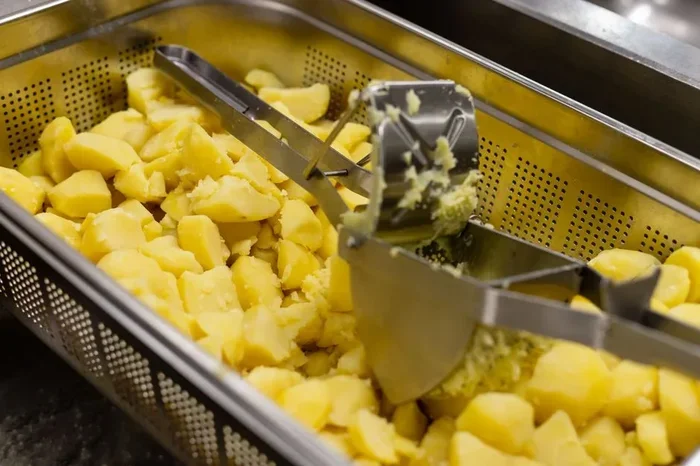
Yes, you can freeze mashed potatoes, and they turn out great when done right. Freezing mashed potatoes saves time, reduces food waste, and gives you a quick side dish ready in minutes. This guide shows you exactly how to freeze, store, and reheat mashed potatoes so they stay creamy and delicious.
Key Takeaways
- Mashed potatoes freeze well: They keep for up to 6 months in the freezer with proper storage.
- Add extra butter or cream before freezing: This helps maintain a smooth, creamy texture after thawing.
- Use airtight containers or freezer bags: Proper packaging prevents freezer burn and keeps potatoes fresh.
- Reheat on the stovetop, in the oven, or in the microwave: Each method works well with simple steps.
- Avoid freezing potatoes with certain add-ins: Sour cream and some cheeses can change the texture after freezing.
- Thaw safely in the fridge overnight: This is the best way to prepare frozen mashed potatoes for reheating.
📑 Table of Contents
- Can You Freeze Mashed Potatoes?
- How To Freeze Mashed Potatoes Properly
- How Long Do Mashed Potatoes Last in the Freezer?
- How To Reheat Frozen Mashed Potatoes
- Tips For the Best Frozen Mashed Potatoes
- Common Mistakes to Avoid
- Can You Freeze Different Types of Mashed Potatoes?
- Frequently Asked Questions
- Final Thoughts
Can You Freeze Mashed Potatoes?
The short answer is yes. Can mashed potatoes be frozen? Absolutely. Mashed potatoes are one of the easiest side dishes to freeze. They reheat well and keep their flavor for months. Whether you made too much for dinner or want to meal prep ahead of time, freezing is a smart move.
Many people worry about texture changes. And that is a fair concern. Potatoes can turn grainy or watery after freezing. But with the right steps, you can avoid those problems. The key is in how you prepare them before they go into the freezer.
Freezing mashed potatoes also fits perfectly into a meal prep routine. You can make a big batch on Sunday and have ready-to-eat sides all week long. This saves time on busy nights when cooking from scratch feels impossible.
If you enjoy potato-based dishes, you might also want to try cooking au gratin potatoes in an air fryer for a crispy twist on a classic favorite.
Why Freeze Mashed Potatoes?
There are several great reasons to freeze mashed potatoes. First, it reduces food waste. Instead of throwing leftovers away, you store them for later. Second, it saves money. You can buy potatoes in bulk when they are on sale and prepare them ahead of time.
Third, freezing mashed potatoes makes weeknight dinners easier. A quick side dish is just a reheating away. You do not need to boil, peel, or mash potatoes from scratch. Simply pull them from the freezer and reheat.
Which Types of Mashed Potatoes Freeze Best?
Not all mashed potato recipes freeze the same way. Recipes with more fat tend to hold up better. Butter and cream create a protective layer around the potato cells. This helps prevent ice crystals from damaging the texture.
Basic mashed potatoes with butter, milk, and salt freeze very well. Add-ins like chives, garlic, or cheese can also work. But some add-ins do not freeze as gracefully. We will cover this in more detail later.
How To Freeze Mashed Potatoes Properly
Freezing mashed potatoes the right way makes all the difference. Follow these steps to get the best results every time.
Step 1: Cool the Potatoes Completely
Never put hot mashed potatoes directly into the freezer. Hot food raises the temperature inside your freezer. This can affect other frozen items and create ice crystals. Let the potatoes cool to room temperature first.
A good rule of thumb is to spread them out on a baking sheet. This speeds up the cooling process. Once they feel cool to the touch, you are ready for the next step.
Step 2: Choose the Right Container
You have a few options for storing mashed potatoes in the freezer. Airtight containers work great. Freezer-safe bags are another excellent choice. Heavy-duty aluminum foil also does the job well.
Whatever you choose, make sure it seals tightly. Air exposure causes freezer burn. Freezer burn dries out the potatoes and creates an unpleasant taste. Proper sealing keeps the freezer mashed potato texture smooth and fresh.
Step 3: Portion Them Out
Freeze mashed potatoes in portions. This way, you only thaw what you need. Ice cube trays work well for small portions. Once frozen solid, transfer the portions to a freezer bag.
Label each container with the date. This helps you keep track of how long the potatoes have been in the freezer. Most frozen mashed potatoes stay good for about 6 months.
Proper food storage is essential for maintaining quality. If you are interested in other food storage tips, check out our guide on how to store mashed avocado for similar best practices.
Step 4: Leave Room for Expansion
Liquids expand when they freeze. Leave about half an inch of space at the top of your container. This prevents the lid or bag from bursting open. It also makes it easier to reheat the potatoes later.
How Long Do Mashed Potatoes Last in the Freezer?
When stored properly, frozen mashed potatoes last for 4 to 6 months. After that, they are still safe to eat. But the quality starts to decline. The texture may become drier or grainy over time.
For the best experience, try to use them within 3 months. This ensures the creamiest texture and the freshest flavor. If you are unsure how long something has been in the freezer, check for signs of freezer burn.
Freezer burn looks like dry, grayish patches on the surface. It does not make the potatoes unsafe. But it does affect the taste and mouthfeel. Simply cut away the affected parts before reheating.
How To Reheat Frozen Mashed Potatoes
Reheating frozen mashed potatoes is simple. You have several methods to choose from. Each one works well when done correctly.
Reheat on the Stovetop
The stovetop method gives you the most control. Place the frozen potatoes in a saucepan over low heat. Add a splash of milk or cream to keep them moist. Stir frequently to prevent sticking.
It may take 10 to 15 minutes for the potatoes to heat through. Keep the heat low and be patient. High heat can scorch the bottom and change the flavor.
Reheat in the Oven
The oven method works well for larger batches. Preheat your oven to 350°F. Place the frozen potatoes in an oven-safe dish. Cover with foil to trap moisture.
Bake for about 20 to 30 minutes. Remove the foil for the last 5 minutes to get a light golden top. This method is great for leftover mashed potatoes that need to feed a crowd.
Reheat in the Microwave
The microwave is the fastest option. Place the frozen potatoes in a microwave-safe bowl. Cover with a damp paper towel to add moisture.
Heat in 30-second intervals. Stir between each interval. This ensures even heating and prevents hot spots. Most portions take about 2 to 3 minutes total.
If you are looking for more ways to cook frozen foods, you can also learn how to cook frozen enchiladas in the oven for another easy frozen meal solution.
Reheat in the Air Fryer
The air fryer is a newer option but works surprisingly well. Place the frozen mashed potatoes in a small oven-safe dish that fits inside the air fryer basket. Set the temperature to 325°F and heat for about 8 to 10 minutes.
Stir once halfway through the cooking time. The air fryer gives the top a slightly crispy edge while keeping the inside creamy. This method is perfect for small portions.
Tips For the Best Frozen Mashed Potatoes
Getting great results from frozen mashed potatoes comes down to a few key details. Here are some expert tips to keep in mind.
Add Extra Butter Before Freezing
Butter is your best friend when freezing mashed potatoes. It adds richness and helps maintain a smooth texture. Add a little more butter than usual before you freeze. The extra fat protects the potatoes during the freezing process.
Use Whole Milk or Heavy Cream
Whole milk and heavy cream freeze better than skim milk. The higher fat content helps preserve the creamy consistency. If your recipe calls for milk, opt for whole milk for the best freezing results.
Avoid Adding Sour Cream Before Freezing
Sour cream can separate during freezing. This creates a grainy texture that is hard to fix. Add sour cream after reheating instead. This keeps the texture smooth and the flavor fresh.
Do Not Freeze Potatoes with Certain Toppings
Cheese, chives, and crispy bacon do not freeze well inside mashed potatoes. Cheese can become oily. Chives lose their color and crunch. Bacon gets soggy. Add these toppings fresh after reheating for the best results.
Stir Well Before Serving
After reheating, give the potatoes a good stir. This redistributes the moisture and breaks up any cold spots. A quick stir can make the difference between good and great mashed potatoes.
Common Mistakes to Avoid
Freezing mashed potatoes is easy, but a few common mistakes can ruin the results. Here is what to watch out for.
Skipping the Cooling Step
Putting warm potatoes in the freezer is a big no-no. It raises the freezer temperature and can partially thaw other items. Always cool the potatoes completely first. This simple step protects the quality of your entire freezer.
Using the Wrong Container
Regular plastic containers or thin bags are not freezer-safe. They can crack or leak. Always use containers and bags labeled as freezer-safe. This ensures a tight seal and prevents air from getting in.
Freezing Potatoes Too Long
While frozen mashed potatoes are safe indefinitely, the quality drops over time. After 6 months, you may notice texture changes and flavor loss. Use them within the recommended window for the best experience.
Not Adding Enough Fat
Skimping on butter or cream before freezing leads to dry, stiff potatoes after reheating. Fat acts as a moisture barrier during the freezing process. Do not be shy with the butter. Your taste buds will thank you.
For another frozen food cooking guide, check out how to cook frozen fish in an air fryer to expand your frozen meal prep skills.
Can You Freeze Different Types of Mashed Potatoes?
Not all mashed potato varieties freeze the same way. Here is a quick look at how different types hold up.
- Buttermilk mashed potatoes: Freeze very well. The tanginess stays intact after reheating.
- Garlic mashed potatoes: Work great in the freezer. Garlic flavor becomes slightly milder after freezing.
- Potatoes with gravy: Can be frozen but may separate slightly. Stir well after reheating.
- Instant mashed potatoes: Freeze okay but often taste best when freshly made.
- Potatoes with cheese: Cheese does not freeze well inside the mash. Freeze plain and add cheese after reheating.
Understanding how each type behaves helps you plan your meal prep more effectively. Choose recipes that hold up well, and you will always have a great side dish on hand.
Frequently Asked Questions
Can You Freeze Mashed Potatoes That Have Milk in Them?
Yes, you can. Milk actually helps frozen mashed potatoes stay creamy. Use whole milk or cream for the best results. Skim milk works but may lead to a slightly thinner texture after reheating.
Do You Need to Thaw Mashed Potatoes Before Reheating?
You can reheat them from frozen, but thawing first gives better results. Place the container in the fridge overnight. This allows the potatoes to thaw evenly. When you reheat them, they warm up more consistently and taste better.
Can You Freeze Mashed Potatoes With Butter Already Mixed In?
Absolutely. Butter is one of the best ingredients to include before freezing. It protects the texture and adds flavor. In fact, adding a little extra butter before freezing is a great tip for the best results.
Is It Safe to Eat Mashed Potatoes That Have Been Frozen for 6 Months?
Yes, it is safe as long as they were stored properly. Freezer burn may affect the taste and texture, but the potatoes are not unsafe. Check for any off smells or unusual discoloration before eating.
Can You Refreeze Mashed Potatoes After They Have Been Thawed?
It is not recommended. Refreezing can further break down the potato cells and make the texture worse. Only thaw what you plan to eat. If you are unsure, freeze in smaller portions so you only thaw what you need.
What Is the Best Container for Freezing Mashed Potatoes?
Freezer-safe containers with tight-fitting lids work best. Heavy-duty freezer bags are also excellent. Glass containers are a good option too, but make sure they are labeled as freezer-safe to prevent cracking from temperature changes.
Final Thoughts
So, can mashed potatoes be frozen? Yes, and they turn out wonderfully when you follow the right steps. Freezing mashed potatoes is one of the easiest ways to save time and reduce food waste in your kitchen. With proper cooling, the right containers, and smart reheating methods, you can enjoy creamy, delicious mashed potatoes any time you want.
Remember to add extra butter and cream before freezing. Avoid add-ins that do not freeze well. And always label your containers with the date. These small steps make a big difference in the final result.
Whether you are meal prepping for the week or saving leftovers from a holiday dinner, frozen mashed potatoes are a reliable and convenient option. Keep this guide handy, and you will never have to worry about what to do with leftover mashed potatoes again.