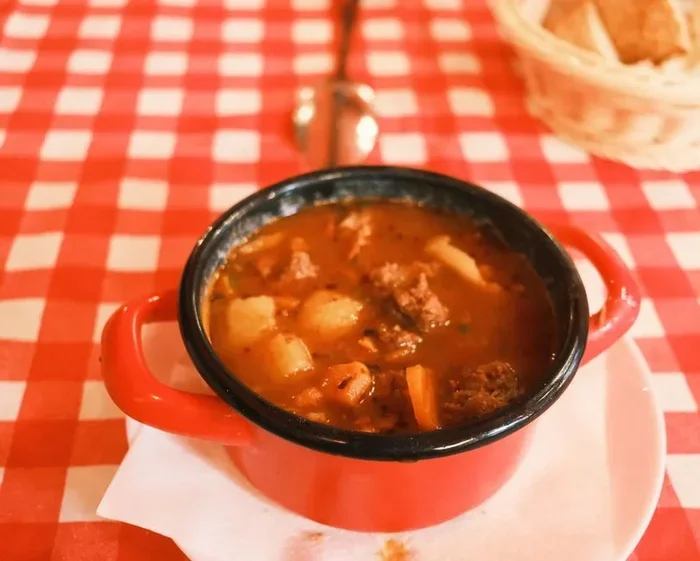
Hungarian goulash is a beloved traditional stew that has warmed hearts and homes for centuries. This hearty beef stew combines rich Hungarian paprika with tender chunks of meat and vibrant root vegetables for a truly satisfying comfort food experience. Whether you cook it on the stovetop or use a slow cooker, this goulash recipe is simple, forgiving, and packed with deep, layered flavor. You will learn the history, ingredients, and secrets that make this dish a family favorite around the world.
There are very few dishes in this world that feel as warm and welcoming as a big bowl of Hungarian goulash. This hearty beef stew has traveled across borders and won the hearts of home cooks everywhere. It is not just a meal. It is a tradition, a memory, and a celebration of bold, honest flavors. If you have never tried making it at home, you are in for a real treat.
The beauty of Hungarian goulash lies in its simplicity. You do not need fancy equipment or hard-to-find ingredients. A few quality staples like Hungarian paprika, beef chuck, onions, and root vegetables are all it takes to create something truly special. This goulash recipe will walk you through every step so you can serve a restaurant-quality traditional stew right in your own kitchen.
Key Takeaways
- Authentic Flavor: Real Hungarian goulash relies on quality paprika and slow cooking for the best taste.
- Simple Ingredients: You only need beef, vegetables, and a few pantry staples to make this classic dish.
- Versatile Recipe: This stew works on the stovetop, in a Dutch oven, or in a slow cooker.
- Rich History: Hungarian goulash has deep cultural roots and is a symbol of national pride.
- Easy to Customize: You can adjust spices, vegetables, and protein to suit your family’s preferences.
- Meal Prep Friendly: Goulash tastes even better the next day and stores well in the fridge or freezer.
📑 Table of Contents
- What Makes Hungarian Goulash So Special
- Ingredients You Will Need
- Step-by-Step Cooking Instructions
- Slow Cooker and Instant Pot Variations
- Common Mistakes to Avoid
- Serving Suggestions and Pairings
- Health Benefits of Hungarian Goulash
- History and Cultural Significance
- Storing and Reheating Tips
- Final Thoughts
What Makes Hungarian Goulash So Special
Many people think of goulash as just another beef stew. And yes, it shares some similarities with other stews from around the world. But what sets Hungarian goulash apart is its soul. The dish is built on a foundation of Hungarian paprika, which gives it a deep red color and a warm, slightly sweet flavor that you cannot find in any other stew.
This European comfort food has been a staple in Hungarian households for hundreds of years. Cowboys and herdsmen in the Hungarian plains originally created it as a practical, filling meal that could be cooked over an open fire. Over time, it evolved into the rich, complex dish we know today. It is now considered one of the most important dishes in Hungarian cuisine and a true symbol of the country’s culinary heritage.
The Role of Paprika in Goulash
You cannot talk about Hungarian goulash without talking about paprika. This spice is the heart and soul of the dish. Hungarian paprika comes in several varieties, from sweet to hot. For the most authentic goulash recipe, look for high-quality sweet paprika as your base. You can add a small amount of hot paprika if you like a bit of heat.
The paprika is bloomed in oil with onions at the very start of cooking. This step is crucial. It wakes up the spice and releases its full flavor into the fat. Without this step, your stew will taste flat and one-dimensional. Take your time with this part. It makes all the difference.
Ingredients You Will Need
One of the best things about making Hungarian goulash at home is that the ingredient list is short and straightforward. You probably already have most of these items in your pantry or fridge. Here is what you will need for a classic pot that serves four to six people.
Core Ingredients
- Beef chuck: About 2 pounds of well-marbled beef chuck, cut into 2-inch cubes. This cut becomes tender and flavorful during the long, slow cook.
- Onions: Three large yellow onions, diced. Onions form the aromatic base of the stew.
- Hungarian paprika: Three tablespoons of sweet paprika, plus one teaspoon of hot paprika if desired.
- Garlic: Three cloves, minced.
- Beef broth: Four cups of good-quality beef broth.
- Tomato paste: Two tablespoons for added depth and richness.
- Root vegetables: Three potatoes, two carrots, and one parsnip, all peeled and cubed.
- Caraway seeds: One teaspoon for that authentic Hungarian aroma.
- Bay leaves: Two dried bay leaves for subtle background flavor.
- Salt and black pepper: To taste.
- Olive oil or lard: Two tablespoons for browning the meat and blooming the paprika.
Optional Add-Ins
Once you master the basic goulash recipe, you can start experimenting. Some cooks add a splash of red wine for extra complexity. Others toss in a few bell peppers for sweetness. A dollop of sour cream stirred in at the end adds a lovely tangy richness. You can also serve Hungarian dumplings on the side to soak up every last drop of sauce.
Step-by-Step Cooking Instructions
Making Hungarian goulash is easier than most people think. The secret is patience. You want to build layers of flavor slowly, giving each ingredient time to shine. Here is how to do it.
Step 1: Brown the Beef
Start by patting your beef cubes dry with paper towels. This helps them brown properly. Heat olive oil in a large Dutch oven over medium-high heat. Add the beef in batches, making sure not to overcrowd the pot. Brown each side for about three to four minutes. Remove the beef and set it aside on a plate.
Step 2: Cook the Onions
In the same pot, add the diced onions. Cook them over medium heat for about eight minutes, stirring occasionally. You want them soft, golden, and sweet. Then add the minced garlic and cook for one more minute until fragrant.
Step 3: Bloom the Paprika
Now comes the most important step. Push the onions to the side of the pot and add the paprika directly to the heat. Stir it into the oil for about thirty seconds. The heat activates the paprika and brings out its deep, smoky flavor. Be careful not to let it burn, or it will turn bitter.
Step 4: Combine and Simmer
Return the browned beef to the pot. Add the beef broth, tomato paste, caraway seeds, bay leaves, salt, and pepper. Stir everything together and bring it to a boil. Once it boils, reduce the heat to low, cover the pot, and let it simmer gently for about 90 minutes.
Step 5: Add the Vegetables
After 90 minutes, add the cubed potatoes, carrots, and parsnip. Stir them into the stew and continue simmering for another 30 minutes, or until the vegetables are fork-tender and the beef falls apart easily.
Step 6: Final Adjustments
Remove the bay leaves and taste the stew. Adjust the seasoning with more salt, pepper, or paprika if needed. Some cooks like to stir in a tablespoon of sour cream at this stage for a creamier texture. Serve your Hungarian goulash hot in deep bowls with crusty bread or egg noodles.
Slow Cooker and Instant Pot Variations
If you do not have time to stand over a hot stove, do not worry. Hungarian goulash adapts beautifully to other cooking methods. The flavors only improve with longer, gentler cooking.
Slow Cooker Method
Follow the same steps for browning the beef and cooking the onions and paprika on the stovetop. Then transfer everything to a slow cooker. Add the broth, tomato paste, and vegetables. Cook on low for six to eight hours or on high for three to four hours. The result is just as rich and flavorful.
Instant Pot Method
Use the sauté function to brown the meat and cook the onions and paprika. Then add all remaining ingredients, close the lid, and set the Instant Pot to manual pressure cook for 35 minutes. Allow a natural release for 15 minutes before opening. This method cuts the cooking time significantly while still delivering authentic goulash recipe results.
Common Mistakes to Avoid
Even though Hungarian goulash is a forgiving dish, a few common mistakes can keep you from achieving the best results. Here is what to watch out for.
- Using low-quality paprika: This is the number one mistake. Cheap paprika lacks flavor and color. Invest in a good-quality Hungarian paprika from a reputable brand. Your taste buds will thank you.
- Overcrowding the pot when browning: If you crowd the beef in the pot, it will steam instead of sear. Brown in small batches for a proper Maillard reaction and deeper flavor.
- Burning the paprika: Paprika burns quickly and turns bitter. Always add it to the onions and oil over medium heat, never high heat.
- Adding vegetables too early: Root vegetables break down if they cook too long. Add them in the last 30 minutes for the perfect texture.
- Skipping the resting time: Like any stew, Hungarian goulash tastes better after it has had time to rest. The flavors meld and deepen overnight.
Serving Suggestions and Pairings
Hungarian goulash is a complete meal on its own, but a few thoughtful pairings can elevate the experience even further. The rich, savory flavors of the stew pair beautifully with simple sides that let the main dish shine.
Best Breads and Starches
Dense, crusty bread is the traditional pairing for goulash. A thick slice of rye or sourdough is perfect for soaking up the flavorful broth. Egg noodles, known as nokedli in Hungary, are another classic choice. You can also serve the stew over creamy mashed potatoes or with a side of buttered egg noodles.
Drinks to Pair with Goulash
A glass of Hungarian red wine, such as Kadarka or Kékfrankos, is the ideal companion for this dish. If wine is not your preference, a crisp lager or a dark ale also works well. For a non-alcoholic option, try sparkling water with a slice of lemon to cleanse the palate between bites.
Toppings and Finishing Touches
A generous swirl of sour cream on top of each serving adds a cool, creamy contrast to the warm, spiced stew. Fresh parsley sprinkled on top brings a pop of color and brightness. Some people also enjoy a side of pickled vegetables, which adds a tangy crunch that complements the rich flavors perfectly.
Health Benefits of Hungarian Goulash
Hungarian goulash is not just delicious. It also offers some surprising nutritional benefits. Because it is a one-pot meal, it naturally combines protein, vegetables, and healthy fats in a single serving. The beef provides high-quality protein and essential nutrients like iron and B vitamins. The root vegetables add fiber, potassium, and vitamin A.
The Hungarian paprika used in this dish is also packed with antioxidants, including vitamin C and carotenoids. These compounds help fight inflammation and support overall health. Plus, because this traditional stew is slow-cooked, the nutrients from the vegetables are released into the broth, making every sip nutritious and satisfying.
When compared to many processed or fast foods, Hungarian goulash is a wholesome, home-cooked meal that you can feel good about serving to your family. It is a perfect example of how comfort food can be both delicious and nutritious.
History and Cultural Significance
The story of Hungarian goulash goes back centuries. The word “goulash” comes from the Hungarian word “gulyás,” which means herdsman. In the 9th century, Hungarian shepherds would cook simple meals of meat, onions, and peppers over open fires while tending their cattle on the vast plains known as the Great Hungarian Plain.
Over the centuries, these herdsmen refined their recipe. They added Hungarian paprika, which became widely available in the 16th century after peppers were brought to Europe from the New World. Paprika quickly became the defining spice of Hungarian cooking and the signature ingredient of goulash.
Today, Hungarian goulash is more than just a recipe. It is a cultural symbol. Families pass down their own versions of the stew from generation to generation. Each household has its own secret touches and preferences. Whether you enjoy it as a hearty beef stew on a cold winter day or as a one-pot meal for a busy weeknight, you are taking part in a tradition that spans centuries.
Storing and Reheating Tips
Hungarian goulash is one of those dishes that actually improves with time. The flavors deepen and meld together beautifully after a day in the fridge. Here is how to store and reheat your stew properly.
- Refrigerator storage: Let the stew cool to room temperature, then transfer it to airtight containers. It will keep in the fridge for up to four days.
- Freezer storage: Portion the goulash into freezer-safe containers and freeze for up to three months. Thaw overnight in the refrigerator before reheating.
- Reheating: Warm the stew gently on the stovetop over low heat. Stir occasionally to prevent sticking. Add a splash of broth if the stew has thickened too much.
Pro tip: goulash often tastes even better on the second day. The paprika and spices have more time to develop, and the meat becomes even more tender. This makes it a great choice for meal prep and batch cooking.
Final Thoughts
Hungarian goulash is more than just a goulash recipe. It is a journey into the heart of Hungarian cuisine and a celebration of simple, honest cooking. From the moment you bloom the Hungarian paprika in the pot to the moment you take that first warm, comforting spoonful, you will understand why this dish has endured for so long.
This hearty beef stew brings people together. It is the kind of meal that fills your kitchen with incredible aromas and your family with genuine happiness. Whether you are a seasoned cook or just starting out, Hungarian goulash is a dish that welcomes everyone to the table. So gather your ingredients, take your time, and enjoy every step of the process. A pot of Hungarian goulash is a gift you give to yourself and everyone you love.
Frequently Asked Questions
What is the difference between Hungarian goulash and regular beef stew?
Hungarian goulash is distinguished primarily by its heavy use of Hungarian paprika as the main flavor base, rather than a flour-based thickener. Traditional beef stew often uses a roux or flour to thicken the broth, while authentic goulash relies on the natural thickening of the onions and the richness of the paprika. The flavor profile is also distinctly different, with goulash offering a warm, slightly sweet, and earthy taste that beef stew typically does not have.
Can I use ground beef instead of beef chuck for goulash?
Yes, you can use ground beef if you prefer, but the texture and experience will be different. Beef chuck is the traditional choice because its marbling and connective tissue break down during the long, slow simmer, creating tender, melt-in-your-mouth pieces. Ground beef will cook faster and produce a more saucy, less chunky result. Both versions are delicious, but for the most authentic goulash recipe, beef chuck is recommended.
How long does it take to make Hungarian goulash?
The total cooking time for Hungarian goulash is about two to two and a half hours on the stovetop. This includes browning the beef, building the base with onions and paprika, and the long simmer that tenderizes the meat and vegetables. Using a slow cooker extends the time to six to eight hours on low, while an Instant Pot cuts it down to about 45 minutes of active cooking time. The slow simmer is what gives the stew its deep, rich flavor.
Is Hungarian goulash spicy hot?
Not necessarily. Traditional Hungarian goulash is not a spicy-hot dish in the way that chili or hot curry might be. The primary heat comes from optional hot paprika, which adds warmth rather than intense spiciness. Most classic goulash recipes rely on sweet paprika for their flavor, making the dish accessible to people who prefer milder foods. You can always adjust the amount of hot paprika to suit your personal preference.
Can I freeze Hungarian goulash?
Absolutely. Hungarian goulash freezes very well and is an excellent choice for meal prep. Allow the stew to cool completely, then portion it into freezer-safe containers or heavy-duty freezer bags. It will keep in the freezer for up to three months. Thaw it overnight in the refrigerator and reheat gently on the stovetop. The flavors actually improve after freezing and reheating, making it a perfect one-pot meal for busy weeknights.
What is the best bread to serve with Hungarian goulash?
Dense, crusty bread is the ideal companion for Hungarian goulash. Traditional Hungarian rye bread or sourdough works beautifully because their hearty texture stands up to the rich, brothy stew. You can also serve egg noodles, which are a classic pairing in Hungary. If you want to keep it simple, a warm baguette or crusty Italian bread will do the job perfectly. The bread serves the practical purpose of soaking up every last drop of the flavorful broth.
=== CONCLUSION ===
Hungarian goulash is a timeless traditional stew that deserves a permanent place in your kitchen. It brings together the warmth of Hungarian paprika, the richness of slow-cooked beef, and the heartiness of root vegetables into one unforgettable bowl of comfort food. This hearty beef stew is easy to make, endlessly customizable, and even better the next day.
Whether you are cooking for a family dinner, a cozy weekend meal, or a batch of goulash to freeze for later, this recipe delivers every time. Follow the steps, respect the process, and let the flavors develop slowly. You will be rewarded with a dish that is as nourishing as it is delicious. So put on some music, pour yourself a glass of wine, and enjoy the wonderful world of Hungarian goulash. Your kitchen and your family will love you for it.