The french fries origin is a hotly debated topic between Belgium and France. Both countries have strong claims, and the real story is full of surprises. From medieval river fishermen to modern fast food, the journey of fried potatoes is fascinating and worth exploring.
Nobody expects a humble potato to spark an international rivalry. Yet the french fries origin story has Belgium and France locked in a decades-long debate. Both nations swear they invented the crispy, golden snack that billions of people love today. The truth is more layered and surprising than you might think. In this article, we will dig deep into where french fries really came from. You will learn about the legends, the history, and the fun facts that make this dish so special.
The french fries origin story begins centuries ago. Long before fast food chains and movie theater buckets, people were frying sliced potatoes in hot oil. The journey from a simple root vegetable to a global phenomenon is full of twists. Understanding the history of french fries gives you a new appreciation for every bite. Let us explore how this beloved snack came to be.
Key Takeaways
- Belgium claims the invention: The most popular theory traces the french fries origin to the Meuse River region in the late 1600s.
- France has a competing story: Parisian street vendors are credited with popularizing fried potatoes before the French Revolution.
- The name is misleading: “French fries” likely refers to the cutting technique, not the country of origin.
- Thomas Jefferson helped spread them: The American president encountered fries in France and served them at the White House.
- Fries have gone global: Today, french fries are one of the most consumed foods worldwide.
- Proper storage matters: Knowing how to store fries keeps them fresh and crispy for longer.
📑 Table of Contents
The Belgian Claim to French Fries
The most famous theory places the origin of french fries in Belgium. According to local legend, people in the Meuse River region started frying potatoes in the late 1600s. At that time, the villagers commonly fried small fish called sandeels. But during harsh winters, the river would freeze over. Fishing became impossible. So the locals turned to potatoes instead.
They sliced the potatoes into thin strips and fried them in oil. The result was a crispy, golden snack that tasted amazing. Villagers in the Namur, Dinant, and Liège areas claim this happened around 1680. That would make Belgian fries nearly 350 years old. The story has been passed down through generations of families.
The Legend of the Meuse River
The Meuse River story is the heart of the Belgian claim. Fishermen in the region would fry small fish as a daily meal. When winter froze the river, they could not catch fish. So they cut potatoes into thin strips and fried them in the same way. The shape and texture were similar to tiny fish. People loved the new creation. Over time, fried potatoes became a staple food in the region.
This story has been told for centuries. Many Belgian families still pass it down today. The tradition of frying potatoes in Belgium runs deep. It is part of the national identity. The Belgian frites culture is recognized around the world.
What Belgians Say Today
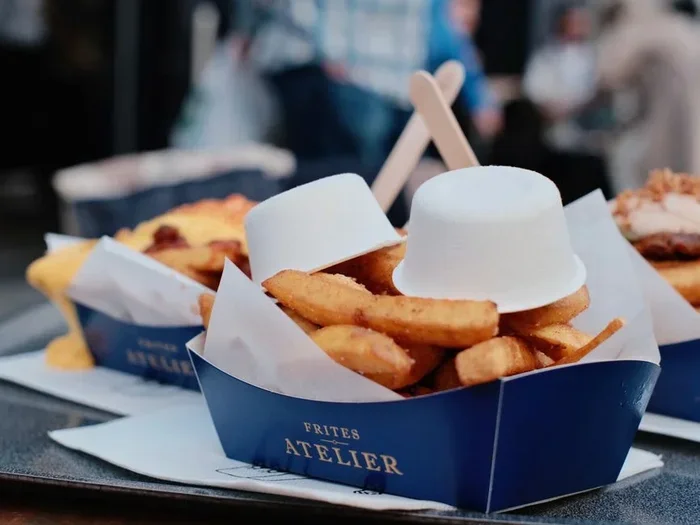
Belgians are proud of their claim. The Belgian frites tradition is a serious matter. Street vendors called “friteries” can be found on nearly every corner in Belgium. They serve fries in paper cones with a variety of sauces. The Belgian government even promotes fries as a cultural treasure.
The UNESCO recognition effort has added fuel to the debate. In 2010, Belgium tried to get its fry tradition recognized by UNESCO. While it did not make the final list, the effort showed how important fries are to Belgian identity. The friteries remain a beloved part of daily life. Visitors from around the world come to taste authentic Belgian fries.
The French Origin Theory
France has its own compelling story about the origin of french fries. In the late 1700s, street vendors in Paris were frying sliced potatoes. These vendors sold their fried potatoes from carts near the Pont Neuf bridge. The snack became wildly popular among Parisians. The french fries history in France is just as rich and compelling as the Belgian story.
The famous French cookbook “La Cuisinière Républicaine” from 1795 included a recipe for fried potatoes. This was during the French Revolution. At that time, fried potatoes were seen as a food for the common people. They were cheap, filling, and delicious. The recipe helped spread the dish across France and eventually beyond its borders.
The Paris Street Vendors
The Parisian street vendors played a big role in popularizing fried potatoes. They sold their hot, crispy snacks to workers and passersby. The affordable price made them accessible to everyone. People loved the convenience and taste. The vendors became a familiar sight on the streets of Paris.
These early street food sellers helped shape the modern fry. Their simple preparation method of slicing, frying, and serving became the standard. The tradition of selling fried potatoes on the street continues in France today. It is a beloved part of French food culture.
The Name “French Fries”
One of the biggest mysteries is why they are called “French” fries. Many people believe the name comes from France. But the truth is more complicated. The term “French” likely refers to the way the potatoes are cut. The technique is called “julienne,” which means cutting food into thin strips.
Some food historians believe the “French” in the name refers to the cutting method. Others think it simply describes the style of preparation. The word “frites” in French means fried. So “French fries” could just mean “fried in the French style.” The naming is a source of much confusion and debate among food lovers.
How the Name “French Fries” Came to Be
Language and Culture
The language behind the name adds another layer to the french fries origin story. In France, the dish is called “pommes frites.” In Belgium, it is “frieten” or “frites.” In America, we say “French fries.” The different names reflect the cultural spread of the dish across Europe and beyond.
The English word “French” as a cooking term has a long history. It often describes a style of preparation. “Frenching” beans means trimming them. “French bread” refers to a specific cut. So “French fries” may simply mean “fried in the French manner.” This interpretation supports the idea that the name is about technique, not geography. It is a linguistic puzzle that food historians still debate today.
The “French” Mystery
Despite the linguistic explanation, many people still associate the name with France. The confusion is understandable. Both Belgium and France have deep ties to the dish. The debate has even inspired friendly competitions between the two nations. Each side has its own passionate supporters who defend their claim with pride.
What is clear is that the modern french fries as we know it developed in Europe. The dish traveled the world through trade, colonization, and immigration. American soldiers discovered fries during World War I in Belgium. They called them “French fries” because the dominant language in southern Belgium is French. The name stuck and spread across the globe.
French Fries Cross the Atlantic
Thomas Jefferson and the White House
Thomas Jefferson is an unlikely hero in the french fries origin story. While serving as ambassador to France in the 1780s, Jefferson encountered pommes frites. He was fascinated by the dish. He even had a recipe for “potatoes fried in the French manner” in his personal papers. This connection to the early American republic helped introduce fries to the New World.
Jefferson served fried potatoes at the White House during his presidency. His enslaved chef, James Hemings, learned French cooking techniques in Paris. Hemings likely prepared the fries for Jefferson’s dinner guests. This helped introduce the dish to American high society. The fries slowly gained popularity among wealthy Americans who wanted to try European cuisine.
Fries Go Mainstream in America
Fries did not become a mass-market food until the 20th century. The rise of fast food chains changed everything. Restaurants like McDonald’s and Burger King made fries a staple of American dining. The crispy, salty side dish became synonymous with American fast food. People could not imagine a burger without a side of fries.
Today, Americans consume billions of pounds of fries every year. The average American eats about 30 pounds of fries annually. The dish has evolved far beyond its humble beginnings. From shoestring fries to loaded fries, the variations are endless. People love fries in all shapes and sizes. The origin of french fries in America is tied closely to the growth of the fast food industry.
The Evolution of French Fries Today
From Fast Food to Gourmet
Fries have come a long way from their origins. What started as a simple fried potato has become a culinary art form. High-end restaurants now serve gourmet fries with truffle oil and parmesan cheese. The dish has earned respect in the fine dining world. Chefs experiment with unique cuts, double frying, and creative toppings.
Meanwhile, fast food chains continue to innovate. They experiment with different cuts, seasonings, and dipping sauces. The competition among fry lovers is fierce. Everyone has their own favorite way to enjoy fries. Whether you like them thin and crispy or thick and soft, there is a fry style for you.
How to Store and Reheat Fries
One common challenge with fries is keeping them fresh. Proper storage makes a big difference in texture and taste. If you have leftover fries, let them cool to room temperature first. Then place them in an airtight container in the fridge. This helps maintain their texture and prevents them from becoming soggy.
When you are ready to enjoy them again, reheating is key. The best method is using an air fryer oven to reheat french fries. This brings back the crispy exterior and fluffy interior perfectly. You can also reheat cheese fries in an air fryer for a delicious treat. For longer storage, learn how to store fries properly to keep them at their best. If you have a large batch to prepare, consider using a commercial air fryer for french fries to handle high volumes while keeping the texture perfect.
Fun and Surprising French Fries Facts
Records and Trivia
Fries have made their way into the record books. The world’s longest fry was over 5 inches long. The largest serving of fries weighed over 24 pounds. These records show just how much people love this food. Fry enthusiasts around the world celebrate their favorite snack in creative ways.
Belgium even has a fry museum called “Friterie Museum” in Brussels. The museum celebrates the history and culture of fries. Visitors can learn about the fry-making process and taste different sauces. It is a must-visit for any fry enthusiast. The museum proves that fries are more than just food. They are a cultural phenomenon.
Fries Around the World
Fries are enjoyed differently in every country. In Belgium, they are served with mayonnaise. In the UK, “chips” are thick and often served with fish and chips. In Japan, curry fries are a popular street food. In Canada, poutine adds cheese curds and gravy on top. Each culture has put its own unique spin on the dish.
This shows the universal appeal of french fries. No matter where you go, you will find people enjoying fried potatoes in their own way. The dish truly belongs to the world. It connects people across cultures and continents through a shared love of crispy, golden potatoes.
Conclusion
The french fries origin story is a fascinating journey across borders and centuries. Belgium and France both have strong claims to the invention. The name itself carries a mystery that still sparks debate today. From the banks of the Meuse River to the streets of Paris, from the White House to fast food drive-thrus, fries have traveled a remarkable path.
What is clear is that french fries are more than just a side dish. They are a cultural icon. They bring people together across languages and borders. Whether you prefer them crispy, soft, loaded, or plain, there is no denying their global appeal. The next time you enjoy a warm, crispy fry, take a moment to appreciate the rich history behind it. The humble potato has traveled a long road to reach your plate, and its story is far from over.
Frequently Asked Questions
Where did french fries actually originate?
The french fries origin is widely debated between Belgium and France. Belgium claims fries were first fried in the Meuse River region around 1680. France argues that Parisian street vendors popularized fried potatoes in the late 1700s. Both countries have strong historical evidence supporting their claims.
Why are they called “French” fries if they may be Belgian?
The name likely refers to the cutting technique called “julienne” rather than the country. “French” in cooking often describes a style of preparation. American soldiers in World War I called them “French fries” because French was the dominant language in southern Belgium. The name stuck and spread worldwide.
Did Thomas Jefferson help bring french fries to America?
Yes, Thomas Jefferson encountered pommes frites while serving as ambassador to France. He had a recipe for “potatoes fried in the French manner” in his papers. His chef James Hemings likely prepared them at the White House, helping introduce fries to American society in the late 1700s.
What is the best way to reheat leftover fries?
The best way to reheat fries is using an air fryer oven. This method restores the crispy exterior and fluffy interior better than a microwave. You can also reheat cheese fries in an air fryer for great results. Avoid microwaving fries if you want to keep them crispy.
How long can you store leftover fries?
Leftover fries should be stored in an airtight container in the refrigerator. They stay best for up to 2 days. Let them cool to room temperature before storing. For longer storage, you can freeze fries, but the texture may change slightly when reheated.
Are there different types of french fries around the world?
Absolutely. Belgium serves thick-cut frites with mayonnaise. The UK has thick “chips” often paired with fish. Japan offers curry fries as street food. Canada is famous for poutine with cheese curds and gravy. Each country has its own unique take on this beloved dish.
=== FAQS ===