Cooking jasmine rice perfectly is easier than you think. This guide walks you through the exact water ratio, rinsing technique, and cooking method to get fluffy, aromatic jasmine rice every single time. Whether you use a stovetop or rice cooker, these simple steps guarantee restaurant-quality results at home.
Jasmine rice is one of the most popular grains in kitchens around the world. Its delicate floral aroma and soft, slightly sticky texture make it a perfect side for stir-fries, curries, and grilled meats. But here is the thing, many people struggle to get it right. The rice turns out too sticky, too dry, or just plain bland.
If you have ever wondered how to cook jasmine rice without the guesswork, you are in the right place. This guide covers everything from rinsing and water ratios to cooking times and resting periods. By the end, you will know exactly how to make perfect jasmine rice every single time. No special equipment needed. No complicated steps. Just simple, reliable methods that anyone can follow.
We will cover the stovetop method and the rice cooker method in detail. Along the way, we will share quick tips, common mistakes to avoid, and expert tricks that take your rice from good to great. Let us get started.
Key Takeaways
- Rinse your jasmine rice: Washing removes excess starch and prevents gummy texture.
- Use the right water ratio: A 1:1.25 ratio of rice to water produces the fluffiest results.
- Let it rest after cooking: Steaming the rice for 10 minutes makes it light and fluffy.
- Both stovetop and rice cooker work: Choose the method that fits your kitchen setup.
- Avoid common mistakes: Lifting the lid too often and skipping the rest period are the top errors.
- Flavor boosters make a difference: A pinch of salt or a splash of broth elevates plain jasmine rice.
📑 Table of Contents
- What Makes Jasmine Rice Different
- How to Cook Jasmine Rice on the Stovetop
- How to Cook Jasmine Rice in a Rice Cooker
- The Perfect Water Ratio for Jasmine Rice
- Quick Tips for Fluffy Jasmine Rice
- Common Mistakes to Avoid
- Storing and Reheating Cooked Jasmine Rice
- Health Benefits of Jasmine Rice
- Conclusion
What Makes Jasmine Rice Different
Before you learn how to cook jasmine rice, it helps to understand what makes it unique. Jasmine rice is a long-grain variety grown primarily in Thailand. It has a distinct floral fragrance that comes from a natural compound called 2-acetyl-1-pyrroline.
Unlike short-grain sushi rice, jasmine rice stays separate and fluffy when cooked properly. It is less sticky than glutinous rice but slightly more tender than basmati. This balance of texture and aroma is what makes it so beloved in Southeast Asian cooking and beyond.
Jasmine Rice vs. Other Rice Varieties
Not all rice is created equal. Here is how jasmine rice compares to other common types:
- Basmati rice: Longer and drier. Great for biryanis and pilafs. Less aromatic than jasmine.
- Short-grain rice: Sticky and chewy. Ideal for sushi and rice pudding.
- Long-grain white rice: A general-purpose option. Less fragrant than jasmine.
- Brown jasmine rice: The whole-grain version. Nuttier flavor and longer cooking time.
Each variety has its own ideal cooking method. For jasmine rice, the goal is a tender, aromatic grain that separates easily. Getting this right depends on three things, the water ratio, the heat level, and the resting time.
How to Cook Jasmine Rice on the Stovetop
The stovetop method is the most traditional way to prepare jasmine rice. It requires no special appliances and gives you full control over the cooking process. Here is how to do it step by step.
Step 1: Measure and Rinse the Rice
Start by measuring your rice. For every one cup of dry jasmine rice, you will need about 1.25 cups of water. Use a measuring cup for accuracy. Do not eyeball it, especially when you are just starting out.
Next, place the rice in a fine-mesh strainer and rinse it under cold running water. Swirl the grains around with your fingers for about 30 seconds. You will notice the water turning cloudy. That is excess starch washing away. Rinsing helps prevent the rice from becoming too sticky.
If you want even better results, let the rinsed rice soak in cold water for 15 to 30 minutes. This step helps the grains cook more evenly and produces a fluffier texture. Drain the water before moving to the next step.
Step 2: Combine Rice and Water
Add the rice to a medium saucepan. Pour in the measured water. A heavy-bottomed pot works best because it distributes heat evenly and prevents hot spots.
Add a pinch of salt at this stage. Salt seasons the rice from the inside out and brings out its natural flavor. If you want to add a little extra flavor, try swapping half the water with chicken broth or coconut milk. This simple trick transforms plain rice into something truly delicious.
Step 3: Bring to a Boil
Place the saucepan on the stove over medium-high heat. Leave the lid off for now. Bring the water to a rolling boil. You will know it is ready when you see large bubbles breaking the surface constantly.
Do not walk away from the pot during this stage. Boiling too aggressively can cause the water to evaporate too quickly. Keep the heat at a steady medium-high.
Step 4: Reduce Heat and Simmer
Once the water reaches a full boil, reduce the heat to low. Cover the pot with a tight-fitting lid. This is a crucial step. A good seal traps steam inside, which is what cooks the rice evenly.
Set a timer for 12 to 15 minutes. Do not lift the lid during this time. Every time you open the lid, you release steam and lower the temperature. That can lead to unevenly cooked rice. Trust the process and let the rice do its thing.
Step 5: Rest and Fluff
When the timer goes off, remove the pot from the heat. Keep the lid on and let the rice rest for 10 minutes. This resting period allows the remaining moisture to absorb fully into the grains.
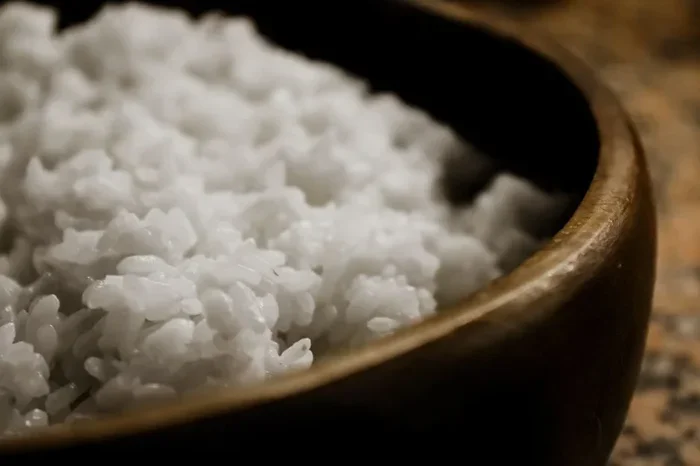
After 10 minutes, remove the lid and gently fluff the rice with a fork. Use a fork, not a spoon, because a fork separates the grains without mashing them. Your jasmine rice should be light, fluffy, and fragrant. Serve it right away for the best texture.
How to Cook Jasmine Rice in a Rice Cooker
If you own a rice cooker, making jasmine rice is even simpler. The machine handles the heat and timing automatically, which takes the guesswork out of the process. Many home cooks prefer this method because it is nearly foolproof.
Start by rinsing the rice the same way you would for the stovetop method. Measure one cup of jasmine rice and place it in the rice cooker inner pot. Add 1.25 cups of water. This ratio works for most standard rice cookers.
Add salt or any flavorings you like at this point. Close the lid and select the white rice setting. Press start and walk away. Most rice cookers finish cooking jasmine rice in 20 to 30 minutes.
Once the cooker beeps or switches to warm, let the rice sit with the lid closed for 10 minutes. Then open the lid, fluff with a fork, and serve. Using a rice cooker is the easiest way to get consistent results without watching the pot.
If you want to explore more about rice cooker techniques, check out our guide on how to cook on rice cooker for additional tips and recipes.
The Perfect Water Ratio for Jasmine Rice
The water ratio is the single most important factor in cooking jasmine rice. Too much water makes the rice mushy. Too little water leaves it crunchy and undercooked. Getting this balance right is the key to perfect results.
For stovetop cooking, use a 1:1.25 ratio. That means one cup of rice to 1.25 cups of water. For rice cookers, the same ratio generally works well. However, some models perform best with a 1:1 ratio, so check your machine manual if you are unsure.
Here is a quick reference guide:
- 1 cup jasmine rice: 1.25 cups water (stovetop)
- 2 cups jasmine rice: 2.5 cups water (stovetop)
- 3 cups jasmine rice: 3.75 cups water (stovetop)
- 1 cup jasmine rice: 1 to 1.25 cups water (rice cooker)
These numbers assume you have rinsed the rice before cooking. If you skip rinsing, you may need to reduce the water slightly because the extra starch retains more moisture. Adjusting the water ratio based on your preferences is part of the learning process.
Quick Tips for Fluffy Jasmine Rice
Want to elevate your jasmine rice game? These quick tips make a big difference:
- Always rinse before cooking: This removes surface starch and prevents clumping.
- Soak for 20 minutes: Soaking helps the grains absorb water evenly for a more uniform texture.
- Use a tight-fitting lid: Steam is your friend. A loose lid lets steam escape and dries out the rice.
- Never skip the rest period: Letting the rice sit off the heat for 10 minutes finishes the cooking process gently.
- Fluff with a fork, not a spoon: A fork gently separates grains without turning them into a mushy mess.
- Add a splash of rice vinegar: A teaspoon of rice vinegar adds a subtle tang and keeps the grains separate.
- Toast the rice first: Sauté the rinsed rice in a little oil for two minutes before adding water. This adds a nutty flavor and improves texture.
If you enjoy experimenting with flavors, our article on how to add flavor to rice in rice cooker has great ideas for seasoning your rice with herbs, spices, and aromatics.
Common Mistakes to Avoid
Even experienced cooks sometimes make mistakes when preparing jasmine rice. Here are the most common errors and how to avoid them.
Skipping the Rinse
Some people skip rinsing to save time. This is a mistake. Unwashed jasmine rice has excess starch on the surface, which makes the cooked grains clump together. Taking 30 seconds to rinse makes a noticeable difference in texture.
Using Too Much Water
It is tempting to add extra water to be safe. But too much water turns jasmine rice into a porridge-like mess. Stick to the 1:1.25 ratio and trust it. If your rice consistently comes out too wet, reduce the water by two tablespoons and try again.
Lifting the Lid Too Often
Every time you lift the lid, you release valuable steam. This drops the internal temperature and can leave your rice undercooked. Resist the urge to peek. Set a timer and let the rice cook undisturbed.
Not Letting the Rice Rest
Skipping the resting period is probably the most common mistake home cooks make. The rice finishes cooking during the rest, and the moisture redistributes evenly. Without this step, the bottom of the pot can be soggy while the top is dry.
If you ever end up with mushy or sticky rice despite your best efforts, do not worry. You can fix it. Visit our guide on how to fix mushy rice for quick rescue techniques.
Storing and Reheating Cooked Jasmine Rice
Cooked jasmine rice keeps well in the refrigerator for up to four days. Store it in an airtight container to prevent it from drying out. When you are ready to eat it again, reheating properly is important to restore the texture.
The best way to reheat jasmine rice is to sprinkle a few drops of water over it before microwaving. Cover the container with a damp paper towel and heat in 30-second intervals. This adds moisture back into the grains and prevents them from becoming hard and dry.
For stovetop reheating, add a splash of water to the rice in a pan. Cover and heat over low heat, stirring occasionally. The rice should be warm and fluffy within three to five minutes.
Avoid reheating rice more than once. Each reheating cycle dries it out further and increases the risk of texture problems. Cook only what you need for the meal, and store leftovers properly.
Health Benefits of Jasmine Rice
Jasmine rice is not just delicious, it also offers some nutritional benefits. White jasmine rice provides quick energy through carbohydrates, making it an excellent fuel source for active days. It is also naturally gluten-free, which makes it suitable for people with celiac disease or gluten sensitivity.
Brown jasmine rice is even more nutritious. It retains the bran and germ layers, which means it has more fiber, vitamins, and minerals than white jasmine rice. Fiber supports digestive health and helps you feel full longer. If you want to boost the nutritional value of your meals, switching to brown jasmine rice is an easy swap.
Of course, jasmine rice is best enjoyed as part of a balanced diet. Pair it with vegetables, lean proteins, and healthy fats for a complete and satisfying meal. The aromatic qualities of jasmine rice also make it a wonderful base for flavorful dishes, from Thai green curry to simple fried rice.
Conclusion
Now you know exactly how to cook jasmine rice perfectly every single time. The stovetop method gives you full control, while the rice cooker method offers convenience and consistency. Either way, the principles are the same, rinse well, use the right water ratio, simmer with a tight lid, and let the rice rest before serving.
Mastering jasmine rice is one of the simplest kitchen skills you can develop. It takes just a few minutes of active preparation and delivers impressive results every time. Once you nail the technique, you will never go back to undercooked or mushy rice again.
Start with the basic recipe and experiment from there. Try different water ratios, add flavorings, or explore new serving ideas. The more you cook jasmine rice, the more intuitive it becomes. Happy cooking.
Frequently Asked Questions
How much water do I use for one cup of jasmine rice?
Use 1.25 cups of water for every one cup of jasmine rice when cooking on the stovetop. This 1:1.25 ratio produces fluffy, separate grains. If you are using a rice cooker, the same ratio generally works well, but you can check your machine manual for specific guidance.
Do I need to rinse jasmine rice before cooking?
Yes, rinsing jasmine rice is highly recommended. It removes excess surface starch that causes the rice to become gummy and sticky. Simply place the rice in a fine-mesh strainer and rinse under cold water for about 30 seconds until the water runs clear.
How long does it take to cook jasmine rice on the stovetop?
Stovetop jasmine rice takes about 25 to 30 minutes total. This includes bringing the water to a boil (about 5 minutes), simmering with the lid on for 12 to 15 minutes, and resting for 10 minutes off the heat. The rice cooker method takes about 20 to 30 minutes with minimal effort.
Why is my jasmine rice sticky instead of fluffy?
Sticky jasmine rice usually results from not rinsing the rice before cooking or using too much water. Excess starch on the grain surface causes clumping. To fix this, rinse the rice thoroughly and reduce the water slightly. If your rice is already cooked and sticky, you can try fluffing it with a fork and spreading it on a baking sheet to cool.
Can I cook jasmine rice in a rice cooker?
Absolutely. A rice cooker is one of the easiest ways to cook jasmine rice. Simply rinse the rice, add it with water at a 1:1.25 ratio, select the white rice setting, and let the machine do the work. The rice cooker handles the heat and timing automatically for consistent results every time.
How do I store leftover jasmine rice safely?
Let the cooked rice cool to room temperature within two hours, then store it in an airtight container in the refrigerator. It keeps for up to four days. When reheating, add a few drops of water and cover with a damp paper towel to restore moisture and fluffiness.