Banana peppers are mild, sweet peppers that add a tangy crunch to pizzas, salads, and sandwiches. They’re packed with vitamins A and C, and their low heat level makes them perfect for beginners. Whether you grow them in your garden or pick them up at the store, this guide covers everything from nutrition to preservation.
Banana peppers bring a bright, sunny color and a gentle kick to countless dishes. Whether you toss them on a pizza, slice them into a sandwich, or pickle them for later, these peppers are a kitchen staple. They are mild enough for kids and spicy enough to add a little excitement. If you have ever wondered what makes banana peppers so special, you are in the right place. This guide covers everything from their basic flavor to their health perks and how to grow them at home.
Many people confuse banana peppers with pepperoncini because they share a similar yellow hue and curved shape. However, they are different peppers with distinct textures and tastes. Banana peppers tend to be slightly sweeter and have a thicker flesh. Understanding these differences helps you choose the right pepper for your recipe. You will also learn about the banana pepper heat level, which is very low, making them a go-to for those who avoid spicy food.
In this article, we explore the banana pepper nutrition facts, simple growing tips, and creative banana pepper recipes you can try today. We also break down the best ways to preserve them so you can enjoy their flavor all year round. By the end, you will know exactly how to use, store, and love these versatile peppers.
Key Takeaways
- Mild and Sweet: Banana peppers have a Scoville rating of 0-500, making them one of the mildest peppers you can eat.
- Nutrient-Rich: They provide vitamin C, vitamin A, and fiber with very few calories.
- Versatile in Cooking: Use them in pickles, pizza toppings, stuffed pepper rings, and fresh salads.
- Easy to Grow: They thrive in warm weather and need well-drained soil and full sun.
- Multiple Preservation Methods: You can dry them in an air fryer, oven, or dehydrator for long-term storage.
- Banana Pepper vs Pepperoncini: They look similar but differ in texture, taste, and origin.
📑 Table of Contents
What Are Banana Peppers?
The Sweet and Mild Flavor Profile
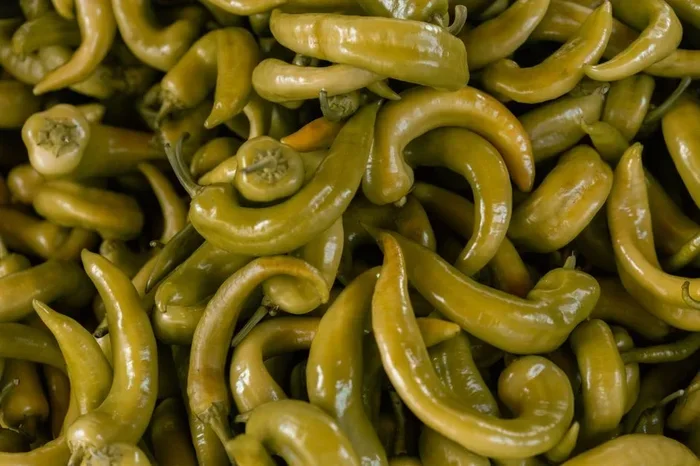
A banana pepper is a type of chili pepper that belongs to the Capsicum annuum species. They are long, curved, and bright yellow when ripe, though they can turn red or orange if left on the plant longer. The flavor is sweet and tangy with a very gentle heat. On the Scoville scale, banana peppers range from 0 to 500 units, which is barely noticeable compared to a jalapeño. This makes them a perfect banana pepper substitute in recipes where you want color and crunch without the burn.
Their mildness is one reason they appear on pizza bars and salad stations across the country. You can eat them raw, and they have a crisp, slightly waxy texture. The banana pepper flavor is often described as bright and acidic, which cuts through rich foods like cheese and cured meats. If you have never tried them, start with a fresh one sliced into strips. You will instantly understand why they are a favorite in many banana pepper dishes.
Banana Pepper vs Pepperoncini: What’s the Difference?
People often ask, “Are banana peppers the same as pepperoncini?” The answer is no. While they look alike, they belong to different pepper varieties. Pepperoncini tend to have a thinner skin and a more wrinkled texture when cured. Banana peppers have a smoother, thicker flesh and a straighter shape. The banana pepper heat level is usually lower, and the taste is sweeter. In the kitchen, you can often swap them, but the texture changes slightly.
| Feature | Banana Pepper | Pepperoncini |
|---|---|---|
| Shape | Long, straight to slightly curved | Short, wrinkled, and bulbous |
| Skin | Smooth and thick | Thin and wrinkled when pickled |
| Taste | Sweet and tangy | Tangy with a slight bitterness |
| Heat Level | 0-500 SHU | 100-500 SHU |
| Common Use | Fresh salads, pizza, rings | Pickled sandwiches, Greek salads |
Knowing this difference helps you pick the right banana pepper varieties for your next meal. If you want a crisp, sweet bite, choose a banana pepper. If you prefer a tangy, pickled bite, reach for a pepperoncini.
Health Benefits of Banana Peppers
Nutritional Value and Vitamins
Banana pepper nutrition is impressive for such a mild pepper. One cup of sliced banana peppers contains about 27 calories, 1 gram of protein, and 6 grams of carbohydrates. They are an excellent source of vitamin C, providing over 100% of your daily needs in a single cup. Vitamin C supports your immune system, helps your body absorb iron, and promotes healthy skin. They also offer vitamin A, which is vital for eye health, and small amounts of vitamin B6, folate, and potassium.
Because they are low in calories and high in water content, banana peppers make a great snack for weight management. You can munch on them raw without guilt. The fiber in these peppers aids digestion and keeps you feeling full longer. If you are looking for a crunchy, colorful addition to your banana pepper recipes, you are also adding a nutritional boost.
Capsaicin and Its Surprising Benefits
Even though banana peppers are mild, they still contain a small amount of capsaicin, the compound that gives peppers their heat. Capsaicin has been linked to pain relief, reduced inflammation, and even a temporary boost in metabolism. The banana pepper heat level is low enough that you do not experience the intense burning sensation of hotter peppers, yet you still get a tiny dose of these benefits. Some people use capsaicin creams for muscle aches, and eating mild peppers may offer a gentle supporting effect.
Capsaicin may also help clear congestion and improve circulation. If you have ever eaten a banana pepper and felt a slight warming sensation, that is the capsaicin at work. It is a gentle reminder that even the mildest peppers can do your body good.
Growing Your Own Banana Peppers
Ideal Growing Conditions
Growing banana pepper plants is a rewarding experience for home gardeners. They thrive in warm weather and need at least six to eight hours of direct sunlight each day. The soil should be well-drained and rich in organic matter. If you live in a cooler climate, start the seeds indoors about eight weeks before the last frost. Transplant the seedlings outside once the soil temperature stays above 60°F (15°C).
Water your banana pepper plants consistently, keeping the soil moist but not waterlogged. A layer of mulch helps retain moisture and keeps the roots cool. Fertilize with a balanced vegetable fertilizer every few weeks to encourage healthy growth and fruit production. In just 70 to 80 days, you can harvest your first banana peppers from the garden.
Harvesting and Storing Fresh Peppers
You can pick banana peppers when they are fully yellow and firm. If you prefer a sweeter taste, let them turn red on the plant. Use a sharp knife or scissors to cut the pepper from the stem, leaving a small piece of the stem attached. Fresh banana peppers last for about a week in the refrigerator when stored in a plastic bag. For longer storage, you can freeze them whole or sliced, or use a banana pepper preservation method like pickling or drying.
If you have an abundant harvest, consider saving seeds from your best peppers for next season. Banana pepper seeds are easy to dry and store in a cool, dark place. This saves money and ensures you have your favorite banana pepper varieties ready for the next growing cycle.
Delicious Ways to Use Banana Peppers in the Kitchen
Classic Banana Pepper Rings
One of the most popular ways to enjoy banana peppers is by making pepper rings. You slice the peppers into rings, dip them in a seasoned batter, and fry them until golden and crispy. These banana pepper rings make a fantastic appetizer or a side dish for burgers and sandwiches. The batter can be as simple as flour, salt, and a little paprika, or you can add a touch of hot sauce for extra kick.
For a healthier version, try baking the rings on a parchment-lined sheet at 400°F (200°C) for about 15 minutes. This reduces the oil and still delivers a satisfying crunch. Serve them with a ranch or honey mustard dip. Kids and adults alike love these banana pepper dishes at parties and gatherings.
Topping Pizzas and Salads
Sliced banana peppers are a classic pizza topping. They add a bright pop of color and a sweet, tangy flavor that complements mozzarella, pepperoni, and sausage. You can scatter them on your favorite banana pepper pizza before baking, or add them after cooking so they stay crisp. They also work well in calzones and flatbreads.
In salads, thin-sliced banana peppers bring a refreshing crunch. Toss them into a Greek salad with cucumbers, tomatoes, olives, and feta cheese. Their mild flavor lets the other ingredients shine while adding a pleasant little zing. For a quick lunch, layer them into a sub sandwich or wrap with turkey, cheese, and lettuce.
How to Preserve Banana Peppers for Year-Round Enjoyment
One of the best things about banana peppers is that you can preserve them and enjoy their flavor long after the growing season ends. There are several easy methods, from drying to pickling. If you want to dry them quickly, check out how to dry peppers in an air fryer for a fast, efficient method. For those who prefer a traditional approach, oven-drying them is simple; you can learn the steps in how to dry peppers in an oven. If you are looking for a more hands-off, professional technique, you can dehydrate peppers in air fryer like a pro using a dehydrator or air fryer with a dedicated setting.
Drying Peppers in an Air Fryer
Drying banana peppers in an air fryer is one of the quickest preservation methods. Slice the peppers into thin strips, remove the seeds if you prefer a milder flavor, and lay them in a single layer in the basket. Set the air fryer to 125°F (52°C) and let them run for 4 to 6 hours, checking occasionally. The peppers are done when they are dry and brittle. Store them in an airtight jar in a cool, dark place. Dried banana peppers can be crushed into flakes or ground into a powder for seasoning.
Oven-Drying and Dehydrating Methods
Using an oven is another reliable way to preserve banana peppers. Spread the slices on a baking sheet lined with parchment paper and set the oven to its lowest setting, usually around 170°F (75°C). Prop the oven door open slightly to allow moisture to escape. It may take 6 to 8 hours for the peppers to dry completely. A dehydrator works similarly and offers more consistent results. Once dried, you can store them whole or in pieces. These dried peppers are perfect for adding to soups, stews, and banana pepper relish recipes.
Pickling and Freezing
Pickling is a favorite way to keep banana peppers crisp and tangy. You can make a simple brine of vinegar, water, salt, sugar, and spices, then pour it over sliced peppers in sterilized jars. Let them ferment in the fridge for at least a week before eating. Pickled banana peppers last for months and make a great addition to charcuterie boards and sandwiches. Freezing is even simpler: just slice the peppers, spread them on a baking sheet to freeze individually, and then transfer them to a freezer bag. They will keep for up to a year.
Common Mistakes to Avoid
Overlooking the Heat Level
Even though banana peppers are mild, their heat can vary depending on the variety and growing conditions. Some plants produce peppers with a slightly higher banana pepper heat level than others. If you are serving them to children or people who avoid spice, taste one before adding them to a dish. Also, remember that the seeds and inner membranes hold most of the capsaicin. Removing them will make the pepper even milder.
Storing Them Improperly
Fresh banana peppers need moisture control to stay crisp. Storing them in a sealed plastic bag in the refrigerator crisper drawer is best. Do not wash them until you are ready to use them, as excess moisture can cause mold. If you dry or pickle them, make sure your jars are properly sealed and stored in a cool, dark place. Improper storage can lead to spoilage and waste of your hard-earned harvest.
Banana peppers are a delightful, versatile ingredient that deserves a spot in every kitchen. Their mild heat, sweet flavor, and vibrant color make them a hit in salads, pizzas, appetizers, and preserved goods. Whether you grow them in your backyard or buy them from the store, you now have the knowledge to select, use, and store them like a pro. From their banana pepper nutrition benefits to their easy preservation methods, these peppers offer so much value with very little effort. Try adding them to your next meal and discover the simple joy of banana peppers for yourself.
Frequently Asked Questions
Are banana peppers hot?
No, banana peppers are very mild. They rank between 0 and 500 on the Scoville scale, which means they have little to no heat. They are sweet and tangy rather than spicy.
Can you eat banana peppers raw?
Yes, you can eat banana peppers raw. They have a crisp, slightly waxy texture and a bright, acidic flavor. Raw banana peppers are great in salads, sandwiches, and as a snack.
What is the difference between a banana pepper and a pepperoncini?
Banana peppers are usually smoother, thicker, and sweeter, while pepperoncini are thinner, wrinkled, and more tangy. Both are mild, but their texture and taste differ slightly, especially when pickled.
How do you store fresh banana peppers?
Keep fresh banana peppers in the refrigerator crisper drawer in a plastic bag. Do not wash them until ready to use. They will stay fresh for about one week.
Can you freeze banana peppers?
Yes, you can freeze banana peppers. Slice them, spread them on a baking sheet to freeze individually, then transfer to a freezer bag. They will keep for up to a year.
What are some easy banana pepper recipes?
Popular banana pepper recipes include pickled banana peppers, fried banana pepper rings, pizza toppings, and banana pepper relish. They are simple to make and add a lot of flavor to meals.