
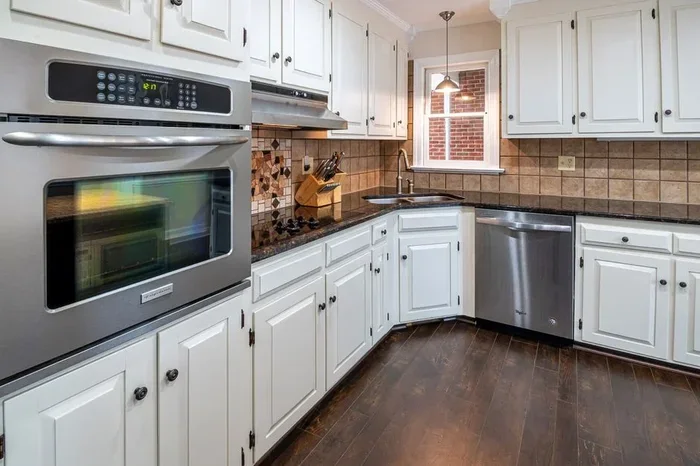
A clean kitchen starts with clean cabinets. The best kitchen cabinet cleaner removes built-up grease, fingerprints, and grime without damaging the finish. Whether you prefer store-bought products or DIY solutions, our guide covers top picks, expert techniques, and simple recipes to keep your cabinets looking brand new.
Keeping your kitchen cabinet cleaner is one of the most overlooked parts of home maintenance. Grease, fingerprints, and grime build up on cabinet surfaces every single day. Over time, this buildup can dull the finish and even damage the material. A good kitchen cabinet cleaner makes the job fast and easy. You do not need expensive products or hours of scrubbing to get great results.
The right cabinet cleaning solution removes built-up grease without stripping the finish. Whether your cabinets are wood, laminate, or painted, there is a cleaner that works for you. In this guide, we break down the best options available. We also share practical tips to keep your cabinets looking brand new for years to come.
Below, you will find our top picks, expert advice, and simple recipes you can try at home. We have tested and reviewed each product to help you make the best choice. Let us get started on making your cabinets sparkle.
Key Takeaways
- Regular cleaning preserves cabinet finish: Wiping down cabinets weekly prevents stubborn grease buildup and extends the life of your cabinetry.
- The right cleaner depends on cabinet material: Wood, laminate, and painted cabinets each require specific formulas for safe and effective cleaning.
- Natural DIY cleaners work surprisingly well: Vinegar, baking soda, and castile soap make affordable, non-toxic cabinet cleaning solutions at home.
- Technique matters as much as the product: Wiping with the wood grain, using light sprays, and drying immediately prevents damage and streaks.
- Deep clean quarterly for best results: A consistent cleaning schedule keeps cabinets looking great without requiring heavy scrubbing sessions.
- Clean hardware makes a big difference: Removing and cleaning cabinet knobs and pulls transforms the overall appearance of your cabinets.
📑 Table of Contents
- Why Your Kitchen Cabinets Need Regular Cleaning
- What Makes a Kitchen Cabinet Cleaner Effective
- Top Kitchen Cabinet Cleaners We Recommend
- How to Clean Kitchen Cabinets Like a Pro
- Natural DIY Kitchen Cabinet Cleaner Recipes
- How Often Should You Deep Clean Kitchen Cabinets
- Final Thoughts on Finding the Best Kitchen Cabinet Cleaner
Why Your Kitchen Cabinets Need Regular Cleaning
Kitchen cabinets take a lot of daily wear and tear. They sit right next to the stove, the sink, and the food prep area. This means they are exposed to grease, steam, and splatters on a regular basis. Without proper kitchen cabinet maintenance, the buildup can become stubborn and hard to remove.
Here are some important reasons why regular cleaning matters for your cabinets:
- Grease accumulation: Cooking grease settles on cabinet surfaces and attracts dust. Over time, this creates a sticky film that is hard to remove without the right cabinet degreaser.
- Smell absorption: Wood and laminate cabinets can absorb cooking odors over time. A thorough cleaning helps eliminate lingering smells and keeps your kitchen smelling fresh.
- Finish protection: Regular cleaning preserves the cabinet finish. This prevents fading, discoloration, and surface damage that can shorten the life of your cabinets.
- Hygiene: Kitchen cabinets store dishes, glasses, and food items. Dirty cabinets can contaminate the items stored inside them, which is a health concern for your family.
- Aesthetic appeal: Clean cabinets make the entire kitchen look fresh and well-maintained. This is especially important if you are planning to sell your home or just want to enjoy your cooking space more.
How Often Should You Wipe Down Cabinets?
A quick wipe-down once a week keeps heavy buildup from forming. Use a soft microfiber cloth and a mild cabinet surface cleaner for this routine. For a deeper clean, plan to do a thorough scrubbing every three to four months. This simple routine keeps your cabinets in great shape without requiring too much effort or time.
Many homeowners make the mistake of only cleaning their cabinets when the grime becomes visible. By that point, the grease has had time to penetrate the finish. A little prevention goes a long way. Set a weekly reminder on your phone to do a quick wipe-down. Your future self will thank you when it is time for a deeper clean.
What Makes a Kitchen Cabinet Cleaner Effective
Not all cabinet cleaning products are created equal. The best cleaner depends on your cabinet material, the type of grime you are dealing with, and your personal preferences. Here is what you should look for in a quality kitchen cabinet cleaner that actually delivers results.
Grease-Fighting Power
The primary job of any cabinet degreaser is to cut through kitchen grease effectively. Look for cleaners that contain surfactants or natural degreasing agents. These ingredients break down the oil molecules on the cabinet surface. A good grease removal formula should not require excessive scrubbing or elbow grease to work.
Quick Tip: If you are dealing with heavy grease buildup, spray the cleaner and let it sit for two to three minutes before wiping. This gives the formula time to penetrate and dissolve the grease. Trying to wipe it off immediately will just push the grime around.
Safe for Cabinet Materials
A great kitchen cabinet cleaner must be safe for the specific material you are working with. Wood cabinets need a gentler formula that does not strip the finish or cause discoloration. Laminate cabinets can handle stronger cleaners, but you still want to avoid harsh chemicals that could damage the surface over time. Always check the label to confirm the product is safe for your cabinet type before using it.
For painted cabinets, avoid abrasive sponges or scrubbers. These can scratch the paint and leave visible marks. Stick to soft microfiber cloths and gentle formulas that respect the paint finish.
Easy to Use and Rinse
The best cabinet cleaning solution should be easy to apply and rinse off. You do not want a product that leaves behind a sticky residue or requires multiple rinses to get clean. A spray-and-wipe format works best for most people. Look for cleaners that dry streak-free for a polished, professional look.
Busy homeowners appreciate products that work quickly. If you are cleaning kitchen cabinets on a Saturday morning, you do not want to spend hours wiping and re-wiping. A fast-acting cleaner saves you time and gives you satisfying results right away.
Non-Toxic and Family-Friendly
If you have young children or pets, choosing a non-toxic cabinet cleaner is essential. Many conventional cleaners contain harsh chemicals that can leave harmful residues on surfaces that store food. Opt for natural cabinet cleaner options or products that are labeled as safe for food-contact surfaces. Your family’s health should always come first, even when it comes to cleaning products.
Look for certifications like EPA Safer Choice or Green Seal when shopping for cabinet cleaners. These labels indicate that the product has been independently tested and meets strict safety and environmental standards.
Top Kitchen Cabinet Cleaners We Recommend
We have tested and reviewed many products to find the best kitchen cabinet cleaner options available. Here are our top recommendations based on effectiveness, safety, and overall value for your money.
Method Daily Granite Spray
This versatile spray works well on multiple kitchen surfaces, including cabinets. It cuts through light grease and fingerprints with ease. The formula is plant-based and free from harsh chemicals. It leaves a clean, fresh scent without any sticky residue. Many homeowners use this as their go-to for everyday cabinet wipe down routines.
Expert Insight: Method Daily Granite Spray is a reliable, affordable choice for homeowners who want a simple, effective cleaner. It is widely available at most grocery stores and online retailers. It is not the strongest option for heavy grease, but it excels at daily maintenance.
Krud Kutter Cabinet Cleaner
Krud Kutter is a favorite among homeowners who deal with tough grease and grime. This cleaner is specifically formulated for cabinets and other wood surfaces. It penetrates deep into the buildup to dissolve grease without damaging the finish. It is also biodegradable and low in volatile organic compounds, making it a safer choice for indoor use.
Common Mistake: Many people apply too much cleaner at once. This can leave a wet residue that is hard to wipe off. Spray a light, even coat onto your cloth rather than directly onto the cabinet. This gives you more control and prevents over-saturation.
409 Spray Cleaner
409 is a classic kitchen cleaner that works well on cabinet surfaces. It is effective at cutting grease and removing sticky residue. The spray bottle makes it easy to apply, and it dries quickly. However, it does contain some synthetic chemicals, so it may not be the best choice for those seeking a fully natural option. It works well for laminate and painted cabinets but use caution on unfinished wood.
Comparison Table
| Product | Best For | Natural | Price Range |
|---|---|---|---|
| Method Daily Granite Spray | Daily wipe-downs, light grease | Yes | Budget |
| Krud Kutter Cabinet Cleaner | Heavy grease, wood cabinets | Partially | Mid-range |
| 409 Spray Cleaner | Sticky residue, laminate cabinets | No | Budget |
How to Clean Kitchen Cabinets Like a Pro
Even the best kitchen cabinet cleaner will not work well if you do not use the right technique. Follow these steps for a professional-level clean every time. Proper technique makes a huge difference in the results you get and helps protect your cabinet surfaces from damage.
Step-by-Step Cleaning Process
- Remove items from cabinets: Take out all dishes, glasses, and stored items from the cabinets you plan to clean. This gives you full access to every surface and prevents accidental damage to your belongings.
- Dust the surfaces: Use a dry microfiber cloth to remove loose dust and crumbs from the cabinet surfaces and corners. Skipping this step can turn dust into mud when you apply the cleaner.
- Spray the cleaner: Apply your chosen cabinet cleaning solution to a soft cloth or directly onto the cabinet surface. Avoid spraying directly onto wood cabinets to prevent moisture from seeping into the joints and causing damage.
- Wipe in the direction of the grain: For wood cabinets, always wipe along the wood grain. This prevents scratching and ensures an even, streak-free clean. Going against the grain can leave visible marks that are hard to remove.
- Rinse and dry: Use a clean damp cloth to remove any cleaner residue. Dry the surface immediately with a soft towel to prevent water spots. Standing water is the enemy of cabinet finishes.
Dealing with Stubborn Stains and Grime
Some stains and grime spots require extra attention beyond a regular wipe-down. For sticky food residue, apply the cleaner and let it sit for a few minutes before scrubbing gently with a soft-bristled brush. This gives the formula time to break down the sticky mess. For water marks or white spots on wood cabinets, a paste made from baking soda and water works wonders. Apply the paste, rub gently in a circular motion, and wipe clean with a damp cloth.
If you have kitchen cabinet handles or pulls that are collecting grime, remove them periodically for a thorough cleaning. Soak them in warm soapy water, scrub with a toothbrush, and dry completely before reattaching. Clean hardware makes a surprisingly big difference in the overall appearance of your cabinets. It is one of those small details that elevates the look of the entire kitchen.
After cleaning and organizing your cabinets, consider upgrading your storage solutions. Check out the Best Slide Out Shelves For Kitchen Cabinets to maximize your storage space and keep everything tidy and accessible.
Quick Tips for Cabinet Hardware
- Remove cabinet knobs and pulls every few months for a deep clean.
- Use a toothbrush to get into the small crevices around hardware.
- Dry hardware completely before reattaching to prevent water spots.
- Consider upgrading to brushed nickel or matte black hardware for a modern look after cleaning.
Natural DIY Kitchen Cabinet Cleaner Recipes
Not everyone wants to use store-bought products. The good news is that you can make effective natural cabinet cleaner recipes right at home. These DIY solutions are affordable, non-toxic, and work surprisingly well for everyday cleaning needs. You probably already have most of the ingredients in your pantry.
Simple Vinegar and Water Solution
Mix equal parts white vinegar and warm water in a spray bottle. This natural cabinet cleaning solution cuts through light grease and leaves cabinets smelling fresh. Vinegar is a natural disinfectant and degreaser, making it a versatile option for regular cabinet wipe down routines. It is safe for most cabinet materials and dries streak-free.
Quick Tip: Add a few drops of essential oil like lemon or tea tree to mask the vinegar smell. This gives your kitchen a pleasant, natural fragrance while you clean. Lemon oil also adds a mild degreasing boost to the solution.
Baking Soda Paste for Tough Grime
For stubborn grime, mix three tablespoons of baking soda with one tablespoon of water to form a thick paste. Apply the paste to the grimy area and let it sit for ten minutes. Scrub gently with a soft cloth or sponge, then wipe clean with a damp cloth. This paste is excellent for grease removal on both wood and laminate cabinets. It is gentle enough not to scratch but strong enough to tackle tough spots.
Common Mistake: Do not use baking soda on unfinished or waxed wood cabinets. The mild abrasion can damage the natural finish. Stick to vinegar and water for waxed or unfinished wood surfaces.
Castile Soap and Olive Oil Polish
For a natural wood cabinet polish, mix a teaspoon of castile soap with a cup of warm water and a tablespoon of olive oil. This mixture cleans the surface while adding a protective shine. It is perfect for wood cabinet cleaner needs and leaves your cabinets looking beautifully polished. The olive oil nourishes the wood and helps prevent drying and cracking over time.
Once your cabinets are sparkling clean, proper maintenance becomes much easier. If you are also dealing with kitchen organization, you might want to explore the Best Roll Out Trays For Kitchen Cabinets to keep your stored items neat, accessible, and easy to find.
How Often Should You Deep Clean Kitchen Cabinets
Establishing a cleaning schedule for your kitchen cabinet cleaner routine helps you stay on top of maintenance without feeling overwhelmed. Here is a simple guide to follow based on cabinet location and usage:
- Weekly: Quick wipe-down of cabinet fronts with a damp microfiber cloth. This prevents dust and grease from building up into something harder to remove later.
- Monthly: Spray and wipe all cabinet surfaces with your chosen cabinet surface cleaner. Pay extra attention to areas near the stove and sink where grease is heaviest.
- Quarterly: A thorough deep clean using the methods described above. Remove cabinet doors if possible for a more detailed clean of the interior surfaces and hinges.
- Annually: Inspect cabinets for any damage, scratches, or finish wear. Consider applying a protective wax or polish to wood cabinets. If you notice the finish is looking worn or outdated, you may want to look into refreshing the look with the Best Most Durable Paint For Kitchen Cabinets to give them a brand-new appearance.
Consistency is the key to keeping cabinets looking great. A little effort each week saves you from heavy cleaning sessions later. Plus, well-maintained cabinets last longer and retain their value if you ever decide to sell your home. Think of it as a small investment that pays off over many years of beautiful, functional cabinetry.
Final Thoughts on Finding the Best Kitchen Cabinet Cleaner
Choosing the right kitchen cabinet cleaner does not have to be overwhelming. Whether you prefer a store-bought product or a DIY solution, the most important thing is to clean regularly and use safe, effective formulas. The products and tips we have shared in this guide will help you keep your cabinets looking their absolute best.
Start with a weekly wipe-down routine and work your way up to deeper cleans as needed. Your cabinets will look and feel brand new with just a little consistent effort. A little care goes a long way in maintaining the beauty and longevity of your kitchen cabinetry. Clean cabinets make the entire kitchen feel fresh, organized, and welcoming.
Remember to always match your cleaner to your cabinet material, use gentle techniques, and never skip the drying step. These simple habits will keep your cabinets in excellent condition for many years. Happy cleaning, and enjoy the sparkle!
Frequently Asked Questions
Can I use regular household cleaners on kitchen cabinets?
It depends on the cabinet material. Mild all-purpose cleaners work fine for laminate and painted cabinets. However, avoid harsh chemicals on wood cabinets as they can strip the finish and cause discoloration. Always test any cleaner on a small, hidden area first before applying it to the entire surface.
What is the best natural kitchen cabinet cleaner?
A simple mixture of equal parts white vinegar and warm water is the best natural option for most cabinets. For tough grime, a baking soda paste works well on laminate and painted surfaces. For wood cabinets, a castile soap and olive oil blend provides gentle cleaning with a protective shine.
How do I remove greasy buildup from kitchen cabinets?
Spray a grease-cutting cleaner like Krud Kutter onto the affected area and let it sit for two to three minutes. Then wipe with a soft microfiber cloth. For stubborn spots, apply a baking soda paste and scrub gently. Repeat if necessary until the grease is fully removed.
Is it safe to use vinegar on wood cabinets?
Vinegar is generally safe for sealed wood cabinets but should be avoided on unfinished or waxed wood. The acidity can damage the natural finish over time. For unfinished wood, stick to a damp cloth with mild soap and water, and dry immediately.
How often should I deep clean my kitchen cabinets?
A deep clean every three to four months is ideal for most households. If you cook frequently or have a large family, you may want to clean more often. Weekly quick wipe-downs and monthly surface cleaning will keep heavy buildup from forming between deep cleans.
Can I use a magic eraser on kitchen cabinets?
Magic erasers can be too abrasive for cabinet finishes, especially painted or lacquered surfaces. They may leave dull marks or scratch the finish. Stick to soft microfiber cloths and gentle cleaners for safe and effective cabinet cleaning.



