
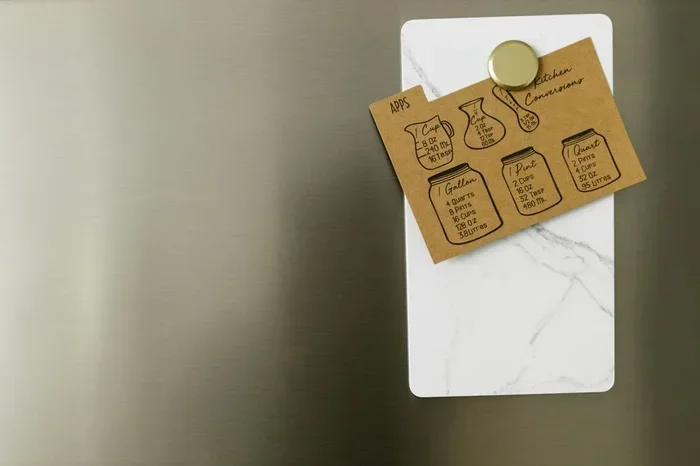
So how many ounces in a quart? A US liquid quart contains exactly 32 fluid ounces, which equals 4 cups or 2 pints. Whether you are cooking, baking, or meal prepping, knowing this quart measurement saves time and prevents costly mistakes in the kitchen.
Have you ever stood in front of a recipe and wondered, “How many ounces in a quart?” You are not alone. Whether you are a seasoned cook or just starting out in the kitchen, understanding liquid measurement conversions is one of the most useful skills you can have. A quart measurement comes up constantly in recipes for soups, smoothies, sauces, and so much more. In this guide, we break down everything you need to know about ounces in a quart, from the basic math to practical kitchen tips that make your life easier.
Knowing the exact number of ounces in a quart helps you follow recipes with confidence. It also makes recipe conversions a breeze when you need to double or halve a dish. We will walk you through the different types of quarts, the difference between fluid ounces and weight ounces, and share some handy tips for measuring liquids accurately. By the end of this article, you will never second-guess a quart measurement again.
Key Takeaways
- 32 fluid ounces: A US liquid quart contains exactly 32 fluid ounces, which is the standard measurement used in American cooking.
- 4 cups or 2 pints: One quart equals 4 cups or 2 pints, making it easy to scale recipes up or down.
- US vs. Imperial differs: The imperial quart used in the UK is larger, containing about 33.3 fluid ounces.
- Fluid ounces vs. weight ounces: Always distinguish between liquid volume and dry weight when converting measurements.
- Kitchen accuracy matters: Using the right liquid measurement tools ensures your recipes turn out perfectly every time.
- Quick mental math: Remembering that 1 quart = 32 fl oz = 4 cups makes on-the-fly conversions effortless.
📑 Table of Contents
What Is a Quart? Understanding the Basics
A quart is a unit of liquid volume used in both the US customary system and the imperial system. The word “quart” comes from the Latin word “quartus,” meaning one-quarter. This makes sense because a quart is one-quarter of a gallon. In everyday cooking, you will most often encounter the US liquid quart, which is the standard for recipes in America.
Understanding the quart measurement starts with knowing how it relates to other common units. A quart equals 2 pints, 4 cups, or 32 fluid ounces. These relationships form the backbone of kitchen measurements and make it simple to scale recipes up or down. Whether you are making a big batch of soup or a single serving of a sauce, these conversions always hold true.
The US Liquid Quart
The US liquid quart is the most common quart you will encounter in American kitchens. It equals exactly 32 US fluid ounces. This is the standard used in virtually all US cookbooks, recipe blogs, and food packaging. When a recipe calls for a quart of milk or broth, it means 32 fluid ounces in the US.
The Imperial Quart
The imperial quart, used in the United Kingdom and some Commonwealth countries, is slightly larger. It contains about 33.3 imperial fluid ounces. If you are following a British recipe, keep this difference in mind. The volume conversion between the two systems is small but can matter in precise baking.
The Dry Quart
There is also a dry quart used for measuring dry goods like grains and fruits. A dry quart equals about 37.23 cubic inches or roughly 1,101 milliliters. However, for most home cooking purposes, you will primarily work with the liquid quart. The distinction between dry ounces vs fluid ounces becomes important when you are measuring dry ingredients by weight rather than volume.
How Many Ounces in a Quart? The Full Breakdown
The direct answer to “how many ounces in a quart” depends on what type of ounce you are talking about. This is where many home cooks get confused. Let us break it down clearly so there is no ambiguity.
Fluid Ounces vs. Ounces
This is the single most important distinction in liquid measurement. A fluid ounce measures volume, while a regular ounce measures weight. One fluid ounce of water does not weigh the same as one ounce of flour. When a recipe says “a quart of liquid,” it is referring to 32 fluid ounces by volume. But if a recipe calls for “a quart of a dry ingredient,” the weight in ounces will vary depending on the ingredient’s density.
For example, a quart of water weighs about 33.38 ounces by weight. But a quart of honey weighs much more, around 44 ounces. This is why understanding the difference between fluid ounces and weight ounces is so important in the kitchen. Always check whether your recipe is asking for volume or weight.
US vs. Imperial Measurements
The US customary units system and the imperial system use different sizes for their quarts and fluid ounces. Here is a quick comparison:
- US Liquid Quart: 32 US fluid ounces (about 946 milliliters)
- Imperial Quart: 33.3 imperial fluid ounces (about 1,136 milliliters)
- US Dry Quart: About 37.23 cubic inches (not commonly used in fluid recipes)
For 99% of home cooking, you will only need to know the US liquid quart conversion: 32 fluid ounces. But if you ever come across a British or Australian recipe, remember that the imperial quart is a bit bigger.
Quick Conversion Chart for Ounces in a Quart
Having a quick reference chart right at your fingertips makes cooking so much smoother. Here is a simple conversion chart for ounces in a quart and related measurements:
- 1 quart = 32 fluid ounces
- 1 quart = 4 cups
- 1 quart = 2 pints
- 1 quart = 1/4 gallon
- 1 quart = approximately 946 milliliters
- 1 quart = approximately 0.95 liters
- 2 quarts = 64 fluid ounces
- Half quart = 16 fluid ounces
Keep this chart handy when you are scaling recipes. If a soup recipe serves 4 and calls for 1 quart of broth, and you need to serve 8 people, you simply double it to 2 quarts, which is 64 fluid ounces. This kind of recipe conversion becomes second nature once you memorize a few key numbers.
Why Knowing Ounces in a Quart Matters in the Kitchen
Understanding ounces in a quart is not just about passing a math test. It has real, practical implications for your cooking and baking. Let us look at why this knowledge matters so much.
Cooking and Baking Precision
Baking is a science, and precision matters. If a cake recipe calls for 1 quart of buttermilk and you only know how to measure in cups, you need to know that 1 quart equals 4 cups. Without this knowledge, you might eyeball it and end up with a soggy or dry cake. Cooking measurements like these separate good results from great ones.
Similarly, when you are making a large batch of stock or soup, knowing your liquid volume conversions helps you buy the right amount of ingredients. No more wasting vegetables or running short on broth halfway through cooking.
Meal Prep and Portion Control
Meal preppers love knowing ounces in a quart because it helps with portion control. If you are dividing a large container of soup into individual servings, knowing that 1 quart equals 32 fluid ounces helps you calculate exactly how many servings you get. A standard soup bowl holds about 8 to 10 fluid ounces, so a quart gives you roughly 3 to 4 servings.
When you are measuring liquids for smoothies, juices, or meal prep containers, this knowledge saves you time and reduces waste. You can confidently portion out exactly what you need. Think about it like when you are reheating rice in a rice cooker and need to measure the right amount of water. The same precision applies here.
Substituting Ingredients on the Fly
Sometimes you are mid-recipe and realize you are out of an ingredient. If a recipe calls for 1 quart of chicken broth and all you have is a carton measured in cups, knowing that 1 quart equals 4 cups saves the day. This kind of quick thinking is what makes a confident home cook.
You can also use this knowledge when adapting recipes to different measuring tools. If a recipe uses metric measurements and you only have US customary tools, converting between quarts and liters becomes straightforward.
Common Mistakes When Converting Ounces in a Quart
Even experienced cooks make mistakes with liquid measurement. Here are the most common errors and how to avoid them.
Confusing Fluid Ounces with Weight Ounces
This is the number one mistake. People often assume that 32 fluid ounces of any ingredient weighs 32 ounces. As we mentioned earlier, this is not true. A fluid ounce measures space, not weight. One fluid ounce of olive oil weighs less than one fluid ounce of maple syrup. Always check whether your recipe is asking for volume or weight, and use the appropriate measuring cups or kitchen scale accordingly.
Ignoring the US vs. Imperial Difference
If you follow recipes from different countries, the difference between US and imperial quarts can catch you off guard. An imperial quart is about 20% larger than a US quart. If you are using an imperial quart in a recipe that assumes US measurements, you will end up with more liquid than intended. This matters most in baking, where precision is everything.
Using the Wrong Measuring Tool
Using a dry measuring cup for liquids leads to inaccurate results. Always use a liquid measuring cup with a pour spout and clear markings at eye level. When you are measuring water measurements or any other liquid, place the cup on a flat surface and bend down to read the meniscus at eye level. This simple habit improves your accuracy dramatically.
Practical Tips for Measuring Liquids Accurately
Accurate measuring is the foundation of great cooking. Here are some practical tips to help you get it right every time.
Best Tools for Liquid Measurement
Investing in the right tools makes a huge difference. Here is what every kitchen should have:
- Liquid measuring cups: Glass or plastic cups with clear markings, designed for pouring liquids. Look for ones with markings for fluid ounces, cups, and milliliters.
- Measuring spoons: Essential for small amounts of liquids like vanilla extract or lemon juice.
- Kitchen scale: For recipes that require weight measurements rather than volume. A scale is especially useful when you need to know the actual weight of a quart of a specific ingredient.
- Pyrex pitchers: These versatile containers often have measurement markings and are great for mixing and storing liquids.
If you are ever unsure about a liquid measurement, a kitchen scale is your best friend. Simply weigh the liquid and use a conversion chart to determine the volume. This method works well for any liquid, from water to oil to broth.
Quick Tips for Everyday Cooking
- Always measure liquids at eye level to avoid parallax errors.
- Use the “scoop and level” method for dry ingredients and the “pour and read” method for liquids.
- When measuring coffee or other beverages, remember that the weight and volume are different. If a coffee maker calls for a specific number of ounces of water, use the fluid ounce markings on your carafe.
- Keep a conversion chart posted on your fridge or saved on your phone for quick reference.
- When in doubt, use metric measurements. The metric system is decimal-based and often easier to work with for precise conversions.
One practical example: if you are making a large batch of iced tea and the recipe calls for 2 quarts of water, you know that is 64 fluid ounces. If your pitcher only has cup markings, you simply pour 8 cups. This kind of quick thinking comes naturally once you internalize the basic quart measurement conversions. The same precision applies when you are boiling water in the Instant Pot and need to add exactly the right amount of liquid for perfect results.
Conclusion
So there you have it. The answer to “how many ounces in a quart” is 32 fluid ounces for the US liquid quart, which also equals 4 cups or 2 pints. This simple conversion is one of the most useful pieces of knowledge you can have in your kitchen arsenal. Whether you are following a recipe, meal prepping for the week, or just trying to get the proportions right for a big batch of soup, knowing your quart measurement conversions makes everything easier.
Remember the key distinction between fluid ounces and weight ounces, and always consider whether you are working with US or imperial measurements. With the tips and conversion chart in this guide, you will measure liquids with confidence and precision every single time. Keep this guide bookmarked, share it with a fellow cook, and never let a liquid measurement mystery slow you down in the kitchen again.
Frequently Asked Questions
Is 32 ounces the same as 1 quart?
Yes, 32 fluid ounces equals exactly 1 US liquid quart. This is the standard conversion used in American cooking and baking. Remember, this applies to fluid ounces, which measure volume, not weight ounces.
How many ounces in a quart of water?
A quart of water contains 32 fluid ounces by volume. By weight, a quart of water weighs approximately 33.38 ounces because water is slightly denser than the standard fluid ounce conversion. For all practical cooking purposes, 32 fluid ounces is the number you need to remember.
Can I use a quart measure for dry ingredients?
Yes, but with a caveat. A dry quart is a different measurement than a liquid quart. A dry quart is used for measuring dry goods like flour, sugar, or grains by volume. However, most home cooks use the liquid quart as a reference point. For the most accurate results with dry ingredients, use a kitchen scale to measure by weight instead of volume.
How many cups are in a quart?
There are exactly 4 cups in 1 US liquid quart. This is one of the easiest conversions to remember and is incredibly useful when scaling recipes. If a recipe calls for 1 quart of milk and you only have a 1-cup measure, you simply use 4 cups.
What is the difference between a US quart and an imperial quart?
A US liquid quart equals 32 fluid ounces (about 946 milliliters), while an imperial quart equals 33.3 imperial fluid ounces (about 1,136 milliliters). The imperial quart is roughly 20% larger. If you are following a recipe from the UK or another country that uses the imperial system, keep this difference in mind to avoid adding too much liquid to your dish.
How do I convert ounces in a quart for baking?
For baking, always use fluid ounces when the recipe refers to liquids. If a recipe calls for 1 quart of buttermilk, use 32 fluid ounces. If the recipe lists dry ingredients by weight in ounces, use a kitchen scale. Understanding whether your recipe uses fluid ounces or weight ounces is the key to baking measurements that turn out perfectly every time.



