
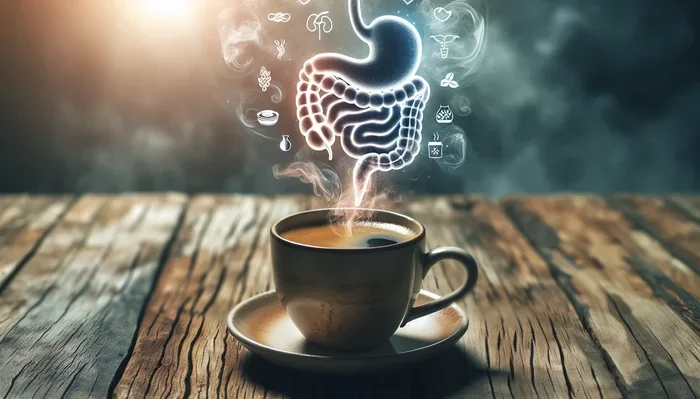
Many people wonder can coffee cause bloating and weight gain. The truth is, your daily cup might affect your gut and metabolism in surprising ways. While black coffee is low in calories, added sugars and cream can lead to extra pounds. Also, caffeine can stimulate digestion, causing temporary bloating for some folks. Understanding these effects helps you make better choices for your body.
Coffee is one of the most popular drinks in the world. Millions of people start their day with a hot cup of joe. It gives you energy and helps you focus. But some people worry about side effects. You might ask yourself can coffee cause bloating and weight gain. This is a common question for health-conscious drinkers.
The short answer is that it depends on how you drink it. Plain coffee is generally safe for most people. However, additives and individual sensitivities play a big role. In this article, we will explore the connection between coffee and your gut. We will also look at how it affects your weight. You will learn how to enjoy your brew without the discomfort.
Key Takeaways
- Coffee and Digestion: Caffeine stimulates bowel movements, which can cause temporary bloating or gas in sensitive individuals.
- Calorie Count Matters: Plain black coffee has almost no calories, but sugary additives can contribute to weight gain over time.
- Acidity Issues: The acidic nature of coffee may irritate the stomach lining, leading to discomfort and bloating for some people.
- Dehydration Risk: Caffeine is a diuretic, and mild dehydration can sometimes be mistaken for water retention or bloating.
- Additives Are the Culprit: Creamers, syrups, and whipped cream are the main drivers of weight gain, not the coffee itself.
- Individual Sensitivity: Everyone reacts differently to caffeine and acids, so listen to your body to see how it affects you.
- Moderation Is Key: Drinking coffee in reasonable amounts usually provides benefits without significant negative side effects.
📑 Table of Contents
Understanding the Link Between Coffee and Bloating
Many people feel full or gassy after drinking coffee. This sensation is often called bloating. It can feel uncomfortable and make your stomach look swollen. But why does this happen? There are a few reasons why your favorite drink might upset your stomach.
How Caffeine Stimulates Digestion
Caffeine is a natural stimulant. It wakes up your brain, but it also wakes up your digestive system. When you drink coffee, it increases acid production in your stomach. This helps break down food faster. For some people, this speed-up causes gas. When food moves too quickly through the gut, it can create air pockets. This leads to that puffy feeling in your belly.
If you drink coffee on an empty stomach, the effect might be stronger. The acid has nothing to mix with except your stomach lining. This can cause irritation. Irritation often feels like bloating or indigestion. If you notice this happening, try eating something first. A small snack can buffer the acid and protect your stomach.
The Role of Acidity in Stomach Discomfort
Coffee is naturally acidic. It contains compounds that can lower the pH level in your stomach. For most people, this is not a problem. But if you have a sensitive stomach, it can be an issue. High acidity can lead to heartburn or acid reflux. Sometimes, this discomfort is mistaken for bloating.
Dark roast coffee is often less acidic than light roast. The roasting process changes the chemical structure. Some people find they tolerate dark roast better. Also, cold brew coffee is typically smoother. It has less acidity because it steeps in cold water. If regular hot coffee hurts your stomach, try switching to cold brew. It might reduce the bloating sensation significantly.
Lactose and Dairy Additives
Often, the problem is not the coffee itself. It is what you put in it. Many people add milk or cream to their coffee. Dairy products contain lactose. Lactose is a sugar that requires an enzyme to digest. Many adults lack enough of this enzyme. This condition is called lactose intolerance.
If you are lactose intolerant, dairy will cause gas and bloating. You might blame the coffee, but the milk is the real culprit. Try switching to plant-based milks. Almond milk, oat milk, or soy milk are great options. They are usually easier on the stomach. This simple change can stop the bloating without giving up your caffeine fix.
Can Coffee Cause Weight Gain?
Weight gain is a major concern for many coffee lovers. People want to enjoy their drink without packing on pounds. So, can coffee cause weight gain directly? The answer is nuanced. Black coffee is very low in calories. However, your habits around coffee matter a lot.

Visual guide about coffee cup and bloating concept
Image source: cdn.shopify.com
Calories in Black Coffee vs. Specialty Drinks
A cup of plain black coffee has very few calories. It is often less than five calories per cup. This makes it a great drink for weight management. It provides energy without adding energy density to your diet. However, specialty drinks are different. Lattes, mochas, and frappuccinos are loaded with sugar and fat.
These drinks can have hundreds of calories. Drinking one every day adds up quickly. Over a month, this can lead to significant weight gain. It is not the caffeine causing the gain. It is the sugar and cream. If you want to lose weight, stick to black coffee. Or use a splash of low-calorie milk. Avoid sugary syrups and whipped cream toppings.
The Impact of Caffeine on Metabolism
Caffeine can actually help your metabolism. It boosts your metabolic rate for a short time. This means you burn more calories at rest. It also helps mobilize fat from fat tissues. This is why caffeine is common in weight loss supplements. However, the effect is modest. It is not a magic solution for obesity.
Relying on caffeine alone will not work. You still need a healthy diet and exercise. But having a cup before a workout might help. It can improve performance and endurance. This allows you to burn more calories during exercise. Just remember not to overdo it. Too much caffeine can cause jitters and anxiety.
Stress, Cortisol, and Belly Fat
There is another link between coffee and weight. Caffeine increases cortisol levels. Cortisol is the stress hormone. High cortisol levels can lead to weight gain, especially around the belly. This happens if you drink too much coffee or drink it late in the day. It can disrupt your sleep and increase stress.
Poor sleep is linked to weight gain. When you are tired, you crave high-calorie foods. You also move less during the day. So, drinking coffee late at night might indirectly cause weight gain. It ruins your sleep quality. Try to stop drinking caffeine by early afternoon. This helps you sleep better and manage your weight easier.
Tips to Reduce Bloating While Enjoying Coffee
You do not have to quit coffee to feel better. There are simple ways to reduce side effects. Small changes in how you drink can make a big difference. Here are some practical tips to try today.

Visual guide about coffee cup and bloating concept
Image source: blog.trumeta.com
Choose Low-Acid Options
As mentioned earlier, acidity can irritate your gut. Look for coffee beans labeled as low-acid. These are often grown at lower altitudes. You can also try dark roasts. They tend to be smoother on the stomach. Cold brew is another excellent choice. It extracts less acid from the beans. This makes it gentler for sensitive stomachs.
Watch What You Add
Pay attention to your additives. If you use dairy milk, try a lactose-free version. Or switch to almond or oat milk. These alternatives are easier to digest for many people. Also, watch the sugar. Sugar can feed bad bacteria in your gut. This can lead to gas and bloating. Use natural sweeteners like stevia if needed. Better yet, get used to the natural taste of coffee.
Drink Water Alongside Coffee
Coffee is a diuretic. This means it makes you pee more. You can lose water quickly. Dehydration can cause digestive issues. It can also make bloating feel worse. Drink a glass of water with your coffee. Stay hydrated throughout the day. This helps your digestion run smoothly. It also helps your body manage the caffeine better.
Common Mistakes to Avoid
Many people make mistakes that worsen bloating. Here are some common errors to watch out for:
- Drinking on an empty stomach: This increases acid irritation.
- Using high-fat creamers: Heavy cream can slow digestion and cause discomfort.
- Drinking too much too fast: Sipping slowly helps your body process the caffeine.
- Ignoring lactose intolerance: If milk hurts you, stop using it immediately.
- Adding too much sugar: Sugar causes inflammation and gut imbalance.
Coffee and Gut Health Long Term
Your gut health is vital for overall wellness. It affects your mood, immunity, and weight. Coffee can have both good and bad effects on your gut microbiome. It depends on the type of coffee and your body.

Visual guide about coffee cup and bloating concept
Image source: img-s-msn-com.akamaized.net
Prebiotic Properties of Coffee
Coffee contains polyphenols. These are antioxidants that feed good bacteria. They act like prebiotics. This means they help healthy bacteria grow in your gut. A healthy gut microbiome reduces inflammation. It also helps regulate digestion. So, in moderation, coffee can actually support gut health.
However, too much coffee can have the opposite effect. Excessive caffeine can stress the body. Stress harms the gut lining. It can lead to leaky gut or increased sensitivity. Balance is the key. One or two cups a day is usually safe. More than that might cause issues for sensitive people.
Listening to Your Body
Everyone is different. What works for one person might not work for another. Some people have IBS or other digestive conditions. Coffee might trigger their symptoms more easily. If you have chronic bloating, track your food and drink. See if coffee correlates with your symptoms.
If you notice a pattern, take a break. Try eliminating coffee for a week. See if your bloating improves. Then reintroduce it slowly. This helps you know if coffee is the problem. It is better to listen to your body than to force yourself to drink it. Your comfort matters more than the habit.
Making the Right Choice for Your Body
Deciding whether to drink coffee is personal. You need to weigh the benefits and risks. Coffee gives you energy and antioxidants. But it can cause issues for some. If you suspect can coffee cause bloating and weight gain is affecting you, look at your habits.
Start by changing how you prepare your drink. Remove sugary syrups. Switch to low-acid beans. Drink water throughout the day. These steps often solve the problem. If issues persist, talk to a doctor. They can check for underlying conditions. Sometimes bloating is a sign of something else.
Remember that weight gain usually comes from calories. Black coffee is not the enemy. It is the fancy drinks that add up. Focus on whole foods and exercise for weight management. Use coffee as a tool for energy, not a source of sugar. With the right approach, you can enjoy your cup without worry.
In conclusion, coffee itself is rarely the direct cause of major weight gain. It is mostly the additives and lifestyle factors. Bloating is often due to acidity or dairy. By making smart choices, you can minimize these risks. Enjoy your coffee mindfully. Your body will thank you for it.
Frequently Asked Questions
Why does coffee make my stomach bloat?
Coffee increases stomach acid and stimulates digestion, which can cause gas in sensitive people. Additionally, dairy additives like milk contain lactose, which often causes bloating if you are intolerant.
Can drinking coffee lead to weight gain?
Plain black coffee has almost no calories, so it does not directly cause weight gain. However, adding sugar, cream, or flavored syrups adds significant calories that can contribute to gaining weight over time.
Is cold brew coffee better for bloating?
Yes, cold brew is typically less acidic than hot coffee because it steeps in cold water. This lower acidity makes it gentler on the stomach and may reduce bloating or irritation for some drinkers.
Does caffeine cause water retention?
Caffeine is a diuretic, meaning it helps your body release water rather than retain it. However, dehydration from drinking too much coffee can sometimes be mistaken for water retention or bloating.
How many cups of coffee are safe to drink daily?
Most experts suggest that up to 400 milligrams of caffeine per day is safe for most adults. This is roughly equivalent to three or four cups of brewed coffee, depending on the strength.
What can I add to coffee to avoid weight gain?
To avoid extra calories, drink your coffee black or use a splash of unsweetened almond or oat milk. Avoid sugary syrups and heavy creamers, which are the main drivers of weight gain in coffee drinks.



