
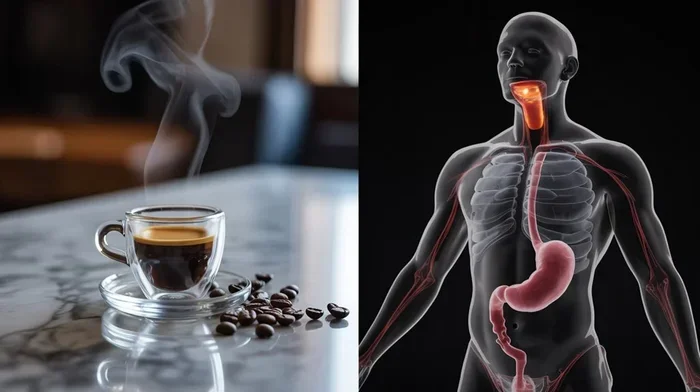
Can coffee give you heartburn? Yes, it absolutely can for many people. The high acidity and caffeine content in regular coffee often relax the valve between your stomach and esophagus, allowing acid to splash upward. However, you do not have to quit your favorite drink entirely. By choosing low-acid coffee beans, trying cold brew methods, or switching to decaf options, you can often reduce those uncomfortable burning sensations. This guide will walk you through exactly why coffee triggers reflux and share practical, easy tips to help you enjoy your cup without the pain.
Many people start their day with a warm cup of coffee. It wakes you up, boosts your mood, and gives you a moment of calm before the rush begins. But for some folks, that beloved ritual comes with an uncomfortable twist. You finish your cup, and soon after, a burning feeling rises in your chest. It is frustrating, confusing, and honestly, a bit worrying. You just want to enjoy your morning brew without the discomfort.
The good news is that you are not alone, and there are clear reasons why this happens. Coffee interacts with your digestive system in several ways. Some of those interactions are helpful, while others can stir up trouble if your body is sensitive. Understanding what is happening inside your body puts you in control. You can make smart choices that let you keep your coffee habit while keeping the burn at bay.
In this guide, we will break down exactly how coffee affects your stomach and esophagus. We will look at the role of caffeine, the impact of acidity, and the differences between various brewing methods. You will also find simple, practical swaps that many coffee lovers use to stay comfortable. By the end, you will know exactly what to try next and how to tailor your coffee routine to your body.
Key Takeaways
- Coffee acidity triggers reflux: The natural acids in coffee beans can irritate the stomach lining and worsen heartburn symptoms for sensitive individuals.
- Caffeine relaxes the esophageal valve: Caffeine lowers the pressure on the lower esophageal sphincter, making it easier for stomach acid to flow backward.
- Dark roasts may be gentler: Longer roasting times break down certain acid compounds, making dark roast coffee often easier on the stomach than light roasts.
- Cold brew reduces acidity: Steeping coffee in cold water extracts fewer acidic compounds, creating a smoother, less irritating drink.
- Timing matters significantly: Drinking coffee on an empty stomach or right before lying down greatly increases your chances of experiencing heartburn.
- Decaf is a viable alternative: Removing caffeine while keeping the coffee flavor can help many people enjoy coffee without triggering acid reflux.
- Small changes make a big difference: Adjusting your brewing method, portion size, and what you add to your coffee can help you keep enjoying it comfortably.
📑 Table of Contents
- Can Coffee Give You Heartburn? Understanding the Real Connection
- Why Coffee Triggers Heartburn in Some People
- Can Coffee Give You Heartburn More Often Than Other Drinks?
- Simple Ways to Enjoy Coffee Without the Burn
- When Coffee Heartburn May Signal a Bigger Issue
- Quick Tips for Coffee Lovers With Sensitive Stomachs
- Expert Insights on Coffee and Acid Reflux
- Final Thoughts on Can Coffee Give You Heartburn
Can Coffee Give You Heartburn? Understanding the Real Connection
The short answer is yes. For a large number of people, coffee can trigger or worsen heartburn. Heartburn happens when stomach acid flows back into the esophagus, the tube that carries food from your mouth to your stomach. This backflow creates that familiar burning sensation in your chest or throat. Coffee does not cause this problem for everyone, but it is a very common trigger, especially for people who already deal with acid reflux or gastroesophageal reflux disease.
What makes coffee tricky is that it attacks the problem from more than one angle. It is not just one ingredient or one brewing style. The combination of natural acids, caffeine, and certain compounds released during roasting can all play a role. Some people react strongly to even a small sip. Others can drink a full cup without any issues. Your personal tolerance depends on your stomach sensitivity, your overall diet, and how you prepare your coffee.
It also helps to know that coffee is not the only culprit. Large meals, spicy foods, alcohol, and lying down too soon after eating can all contribute. But if you notice a pattern where coffee consistently brings on discomfort, it is worth paying attention. Your body is giving you useful information. Once you understand the patterns, you can adjust your habits without giving up the flavors you love.
How Caffeine Affects Your Digestive System
Caffeine is one of the main reasons coffee can stir up heartburn. This natural stimulant does more than keep you alert. It also relaxes the lower esophageal sphincter, which is the muscular valve that keeps stomach acid where it belongs. When this valve relaxes too much, acid can slip upward more easily. That is why many people feel a burning sensation shortly after drinking a strong, caffeinated cup.
Caffeine also stimulates your stomach to produce more acid. Your stomach needs acid to break down food, but too much acid at the wrong time can cause irritation. If you already have a sensitive stomach lining, that extra acid can feel uncomfortable fast. This is why some people notice that highly caffeinated drinks or strong espresso blends hit them harder than milder coffee options.
The good news is that caffeine affects everyone differently. Some people metabolize it quickly and feel fine. Others are more sensitive and notice symptoms even with small amounts. If you suspect caffeine is your main trigger, you do not have to guess. Try scaling back gradually and watch how your body responds. Small changes often reveal a lot.
The Role of Acidity in Coffee and Reflux
Beyond caffeine, the natural acidity in coffee plays a big part in heartburn. Coffee beans contain various organic acids that give the drink its bright, tangy flavor. These acids are part of what makes coffee taste lively and complex. But they can also irritate the stomach lining and the esophagus, especially if you drink coffee on an empty stomach or if your digestive system is already inflamed.
Not all coffee has the same acid level. The type of bean, where it was grown, how it was roasted, and how it was brewed all change the final acidity. Lighter roasts tend to keep more of their original acidic compounds. Darker roasts often develop a different flavor profile and can feel smoother on the stomach for some people. Brewing methods matter too, because hot, fast extraction can pull out more acidic elements than slower, gentler methods.
If acidity is your issue, you have more options than you might think. Many coffee drinkers find relief simply by switching to a lower-acid blend or changing how they brew. You can also pay attention to how your stomach feels when you drink coffee with food versus on an empty stomach. Sometimes the answer is not quitting coffee entirely. It is just finding the version that agrees with you better.
Why Coffee Triggers Heartburn in Some People
People often ask why one person can drink three cups a day while another feels burning after a single sip. The answer comes down to individual sensitivity and a few overlapping factors. Your digestive system is unique. The way your stomach produces acid, how tightly your esophageal valve closes, and how quickly you process caffeine all shape your response. When several of these factors line up, coffee becomes a stronger trigger.

Visual guide about coffee cup causing heartburn
Image source: maverickscoffee.com
Another piece of the puzzle is your current stomach condition. If your stomach lining is already irritated, or if you are prone to reflux, coffee can amplify what is already happening. Stress also matters. High stress can increase stomach acid production and make you more aware of discomfort. That means a cup of coffee during a calm morning may feel very different from a cup during a rushed, tense day.
Your habits around coffee matter just as much as the coffee itself. Drinking it too fast, drinking it while lying down, or pairing it with heavy, fatty foods can all raise your chances of heartburn. Even the size of your cup plays a role. A large, highly concentrated drink delivers more acid and caffeine at once, which can overwhelm a sensitive stomach. Smaller, slower sips often feel much easier to handle.
Coffee Acidity Levels and Roast Differences
If you want to reduce heartburn, understanding roast levels is a smart place to start. Light roasts usually retain more of the bean’s original acids. They often taste brighter, sharper, and more fruity. That brightness can be delicious, but it can also feel harsher on a sensitive stomach. Medium roasts strike a balance between flavor complexity and smoother digestion for many drinkers.
Dark roasts go through longer heating, which changes the chemical makeup of the bean. Some of the acids break down during this process, and the flavor becomes deeper, richer, and less sharp. Many people with coffee-related heartburn find that dark roasts feel easier to tolerate. This does not mean dark roast is perfect for everyone, but it is often a helpful starting point if you are experimenting.
Bean origin also influences acidity. Beans from certain regions naturally taste brighter and more acidic. Beans from other regions tend to taste heavier, smoother, or more chocolatey. If you are trying to avoid reflux, look for blends described as low-acid, smooth, or stomach-friendly. These labels often point to beans and roast profiles chosen with sensitivity in mind.
Brewing Methods That May Worsen Symptoms
How you brew your coffee changes what ends up in your cup. Fast, hot brewing methods can extract more acidic compounds and create a sharper-tasting drink. Pour-over methods, strong drip coffee, and concentrated espresso can all deliver a potent mix of caffeine and acids in a short amount of time. If your stomach is sensitive, that quick concentration can feel intense.
On the other hand, slower and cooler brewing methods often produce a smoother result. Cold brew, for example, steeps coffee grounds in cold water for an extended period. This method generally extracts fewer acidic compounds, which is why many people find cold brew gentler on the stomach. It has a mellower flavor and can be a great option if hot coffee consistently bothers you.
Your brewing equipment also matters. A method that gives you more control over strength lets you adjust the final cup to your tolerance. If a full-strength brew causes problems, try making a slightly weaker version first. You may discover that a modest reduction in concentration is enough to keep your coffee enjoyable and your stomach calm.
Can Coffee Give You Heartburn More Often Than Other Drinks?
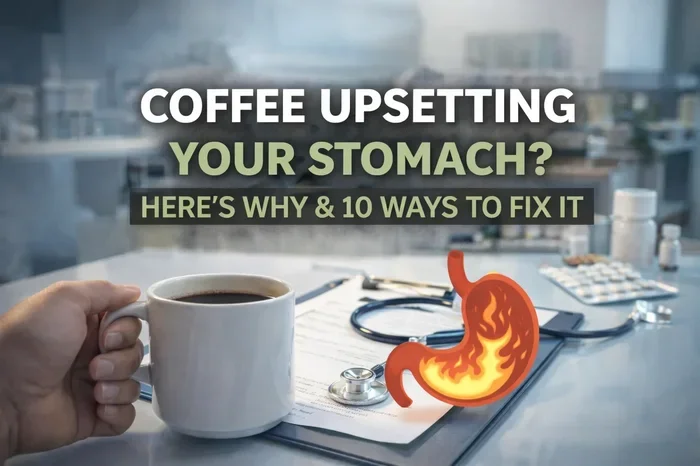
Coffee is definitely one of the more common heartburn triggers, but it is not the only drink that can cause trouble. Carbonated beverages can bloat the stomach and push acid upward. Citrus juices are highly acidic and can irritate the esophagus directly. Alcohol can relax the esophageal valve and increase acid production at the same time. So while coffee is a major player, it sits among several drinks that can stir up reflux.
Visual guide about coffee cup causing heartburn
Image source: happilycoffee.com
What sets coffee apart is how often people drink it and how strong its effects can be. Many people consume coffee daily, sometimes on an empty stomach, which makes any irritation more noticeable. The combination of caffeine and acidity gives coffee a double effect that some other drinks do not have in the same way. That is why coffee-related heartburn gets so much attention.
Still, your personal experience matters more than general lists. You might handle orange juice fine but feel burning from coffee. Or you might tolerate coffee well but notice problems with sparkling water or wine. Tracking your own reactions is the best way to figure out which drinks are safe for you and which ones deserve a little caution.
Comparing Coffee With Tea, Soda, and Alcohol
Tea can be a mixed bag. Some teas are gentle and soothing, while others contain caffeine and tannins that may bother sensitive stomachs. Green tea and black tea both have caffeine, though usually less than coffee. Herbal teas are often caffeine-free and can feel calming, which is why many people switch to them when coffee becomes problematic. If you want a warm morning drink with less stimulation, tea can be a useful alternative.
Soda brings its own challenges. The carbonation can create pressure in the stomach, and many sodas are highly acidic or sweetened with ingredients that irritate digestion. Even sugar-free versions can trigger discomfort in some people. If you notice bloating or burning after soda, the bubbles and acidity are likely part of the reason. Coffee and soda can both cause trouble, but they do it in different ways.
Alcohol is another common trigger because it relaxes the valve that keeps acid down. It can also increase stomach acid and slow digestion. A drink or two may feel fine for some people, but others notice reflux quickly. If you are already dealing with heartburn, it helps to compare how your body reacts to coffee, tea, soda, and alcohol separately. That way, you can spot your real triggers instead of guessing.
Simple Ways to Enjoy Coffee Without the Burn
If coffee has been giving you trouble, you do not have to resign yourself to a life without it. In many cases, a few small adjustments make a big difference. The goal is to reduce the pressure on your stomach and lower the chance of acid moving upward. You can do that by changing what you drink, how you drink it, and when you drink it.

Visual guide about coffee cup causing heartburn
Image source: tampareflux.com
Start by paying attention to your strongest trigger. Is it the caffeine? The acidity? The size of the cup? The timing? Once you have a clue, you can test one change at a time. That makes it easier to see what actually helps. Too many changes at once can make it hard to know what worked, so take it step by step.
Here are some practical ideas that many coffee drinkers find helpful:
- Try low-acid coffee beans: Look for blends labeled smooth, low-acid, or stomach-friendly.
- Switch to dark roast: Darker roasts often taste less sharp and may feel easier on the stomach.
- Experiment with cold brew: Cold brew is usually less acidic and can be a gentler daily option.
- Reduce caffeine gradually: Try half-caff, decaf, or smaller servings to see if symptoms improve.
- Drink with food: Having coffee after a meal rather than on an empty stomach can reduce irritation.
- Stay upright after drinking: Give your body time to digest before lying down or bending over.
- Watch portion size: A smaller cup may deliver enough flavor without overwhelming your stomach.
Choosing Low-Acid and Decaf Coffee Options
Low-acid coffee has become much easier to find, and it can be a real help for sensitive stomachs. These blends are often made from beans chosen for a smoother profile, or they may be processed in a way that reduces acidic compounds. The flavor is still coffee, but it tends to be softer and less tangy. If regular coffee feels too sharp, this is one of the first swaps worth trying.
Decaf is another useful option. Modern decaffeination methods do a good job preserving flavor while removing most of the caffeine. Since caffeine can relax the esophageal valve and increase acid production, cutting it out may reduce heartburn for some people. Decaf is especially helpful if you love the taste and ritual of coffee but do not need the stimulant effect.
You can also mix regular and decaf beans if you want a middle ground. That gives you some caffeine without the full strength of a completely caffeinated cup. Many people find that this simple blend lets them keep their coffee routine comfortable and enjoyable. It is a small change that can make a noticeable difference.
Best Brewing Habits to Reduce Heartburn Risk
Good brewing habits can lower your risk of discomfort without changing the coffee itself. One of the easiest habits is to avoid drinking coffee first thing on an empty stomach if you are prone to reflux. Food in the stomach can help buffer acid and make the drink feel less harsh. Even a small snack can help create a calmer environment for your coffee.
Another helpful habit is to sip slowly instead of rushing through the cup. Fast drinking can feel like a sudden load for your stomach, especially if the coffee is strong. Slow sipping gives your body time to handle the drink more comfortably. It also makes the experience more relaxing, which is better for digestion overall.
Temperature matters too. Very hot drinks can feel irritating to some people, especially if the esophagus is already sensitive. Letting your coffee cool a little before drinking it may make it feel smoother. You can also try a slightly weaker brew. A milder cup often keeps the flavor you enjoy while reducing the intensity that can trigger heartburn.
When Coffee Heartburn May Signal a Bigger Issue
Occasional heartburn after coffee is common and often manageable with a few changes. But if the burning is frequent, intense, or getting worse over time, it is worth taking seriously. Repeated acid reflux can irritate the esophagus and affect your comfort day after day. If coffee consistently sets off strong symptoms, your body may be telling you that your reflux needs more attention.
You should also pay attention to other symptoms that show up along with heartburn. Trouble swallowing, persistent coughing, a sour taste in the mouth, or chest discomfort that feels unusual should not be ignored. These signs can point to a more ongoing reflux problem or another digestive issue. It is always better to check in with a healthcare professional if you are unsure.
Sometimes the issue is not coffee alone but a combination of habits and conditions. Large dinners, late-night snacks, stress, excess weight, and certain medications can all contribute. Coffee may be the final spark, even if it is not the only cause. Looking at the bigger picture can help you make changes that actually stick.
Signs You Should Talk to a Doctor
If heartburn happens most days, disrupts your sleep, or keeps returning even after you change your coffee habits, it is a good idea to get it checked. Frequent reflux can turn into a chronic issue if it is left unmanaged. A doctor can help you figure out whether coffee is the main trigger or just one part of a larger pattern.
Seek prompt medical advice if you have chest pain that feels severe, pain that spreads to your arm or jaw, or difficulty swallowing. Those symptoms should never be brushed aside. It is always safer to get a professional opinion when something feels off. Heartburn is common, but it should not be ignored when it becomes persistent or severe.
A healthcare provider can also help you explore other possible causes and suggest a plan that fits your life. That might include dietary changes, medication, or simple lifestyle adjustments. The point is not to panic. The point is to get clear answers so you can feel better and make informed choices about your coffee and your health.
Quick Tips for Coffee Lovers With Sensitive Stomachs
If you want a fast snapshot of what to try first, these quick tips can help you get started without overcomplicating things. Think of this as a simple starter plan. You can build from here as you learn what your body prefers.
Start with the easiest changes first. Switch to a smaller cup, drink with food, and stay upright after your coffee. These basic habits cost nothing and often help right away. If they are not enough, move on to changing the roast or brewing method.
Test one variable at a time. Change either the bean, the roast, the brew, or the timing, but not all at once. That makes it easier to see which adjustment actually reduces your heartburn. It also keeps the process less stressful, which is better for your stomach too.
Keep a simple coffee journal. Write down what you drank, how much, whether you ate beforehand, and how you felt afterward. After a week or two, patterns usually appear. That makes your next choice much smarter and saves you from endless trial and error.
- Choose a darker roast if bright coffee bothers you.
- Try cold brew for a smoother, less acidic option.
- Cut back on caffeine if reflux seems caffeine-driven.
- Pair coffee with a light meal or snack.
- Avoid lying down soon after drinking coffee.
- Pay attention to portion size and strength.
Expert Insights on Coffee and Acid Reflux
Experts often say that coffee does not need to be treated as a universal enemy. For many people, it is more about personal tolerance than a strict ban. The most useful approach is to observe your own response and make adjustments that fit your body. What works for one person may not work for another, so flexibility matters more than rigid rules.
Another common insight is that lifestyle context matters a lot. Coffee consumed after a heavy, fatty meal may feel very different from coffee enjoyed with a light breakfast. Stress, sleep, and overall eating patterns can all influence reflux too. That means coffee is sometimes the visible trigger, even when other habits are also contributing.
Experts also point out that gradual changes usually work better than sudden elimination. If you stop coffee altogether and then reintroduce it later, you may have a harder time judging your tolerance. A slower, more careful approach helps you find a comfortable middle ground. That balance is often the real goal: enjoying coffee in a way that supports your daily life instead of disrupting it.
Final Thoughts on Can Coffee Give You Heartburn
So, can coffee give you heartburn? Yes, it can, especially if you are sensitive to caffeine, acidity, or both. But that does not mean coffee is off-limits for everyone. Most people can find a way to keep enjoying it by making thoughtful changes to the beans, the brew, the portion size, and the timing. The key is to listen to your body and test small adjustments instead of guessing.
If you are trying to reduce discomfort, start with the simplest changes first. Drink with food, stay upright, and consider a smoother roast or a lower-acid blend. If caffeine seems to be the main issue, decaf or a half-caff mix may help. If acidity is the problem, cold brew or a darker roast could be a better match. There is no single perfect solution, but there are plenty of practical paths to explore.
Your coffee routine should feel comforting, not uncomfortable. With a little experimentation, you can often keep the flavor and ritual you love while reducing the burn. And if your symptoms are frequent or severe, talking with a healthcare professional is always a smart move. That way, you can protect your comfort and make confident choices about the coffee you enjoy every day.
Frequently Asked Questions
Can coffee give you heartburn even if you drink it with food?
Yes, coffee can still cause heartburn even when you drink it with food, but food usually helps buffer the effect. If your stomach is very sensitive, the acidity or caffeine may still trigger reflux. Try a smaller cup or a lower-acid blend to see if it helps.
Is decaf coffee better for heartburn than regular coffee?
Decaf coffee can be better for heartburn if caffeine is your main trigger. It still contains some acids, so it may not solve every case of reflux. Many people find it easier to tolerate, especially when paired with food and smaller portions.
Does cold brew coffee cause less heartburn than hot coffee?
Cold brew is often less acidic than hot coffee, so it may feel gentler on the stomach for some people. It is not guaranteed to prevent heartburn, but it is a popular choice for sensitive drinkers. If hot coffee bothers you, cold brew is worth trying.
Can dark roast coffee really reduce acid reflux symptoms?
Dark roast can reduce reflux symptoms for some people because longer roasting changes the acid profile of the beans. It often tastes less sharp and may feel smoother on the stomach. Results vary, so it is best to test it and see how your body responds.
Why does coffee cause heartburn when I drink it in the morning?
Morning coffee can trigger heartburn because many people drink it on an empty stomach, when acid can feel more irritating. Caffeine can also relax the valve that keeps stomach acid down. Having a small snack first or choosing a milder brew may help.
Should I stop drinking coffee if it gives me heartburn?
You do not always need to stop completely. Many people do well by adjusting roast, brew method, portion size, or caffeine level. If heartburn is frequent, severe, or keeps returning, it is a good idea to speak with a doctor for personalized guidance.



