
How do they decaffeinate coffee? The answer starts with green coffee beans and a careful process that removes most of the caffeine while trying to keep the flavor intact. Most methods use water, solvents, or carbon dioxide to pull caffeine out before the beans are roasted. The result is a cup that tastes familiar but carries far less stimulation. If you want to enjoy coffee later in the day, understanding these methods helps you choose better beans.
If you love the taste of coffee but hate the jitters, decaf can feel like a perfect middle ground. The big question is simple: how do they decaffeinate coffee without ruining the flavor? It is not just about washing the caffeine away. The process has to be careful, because coffee beans are full of delicate compounds that create aroma, sweetness, and body.
The good news is that decaffeination is a well-established process. It usually happens in a controlled facility, not on a farm. The beans are shipped green, then treated with heat, water, or other substances that pull out caffeine. Afterward, the beans are dried and prepared for roasting. Once roasted, they look and smell a lot like regular coffee, but with far less caffeine.
This matters because many people assume decaf means flavorless. That is not always true. A good decaf can still taste rich, smooth, and complex. The difference depends on the method used, the bean quality, and how well the process protects the original flavor compounds. If you understand the basics, you can shop more confidently and brew a cup you actually enjoy.
Key Takeaways
- Four main methods: The most common decaffeination methods are solvent-based, water-based, carbon dioxide, and triglyceride processes.
- Green beans only: Decaffeination happens before roasting, while the beans are still raw and green.
- Not 100% caffeine-free: Decaf coffee still contains a tiny amount of caffeine, usually around 2 to 5 milligrams per cup.
- Flavor matters: The best methods aim to remove caffeine while preserving the natural sugars, oils, and aroma compounds.
- Labels can help: Look for terms like Swiss Water, CO2, or solvent-free if you want a specific processing style.
- Storage still counts: Even decaf beans lose freshness faster once opened, so proper storage matters for flavor.
- Taste varies by roast: A lighter roast may taste brighter, while a darker roast can mask some of the differences from decaffeination.
📑 Table of Contents
How Do They Decaffeinate Coffee Using Different Methods
The short answer to how do they decaffeinate coffee is that producers use one of several established processes. Each method tries to solve the same problem: remove caffeine while keeping the bean’s flavor intact. The main difference is the tool used to extract the caffeine. Some methods rely on solvents, while others use water or carbon dioxide.
Before any method begins, the beans are usually steamed or soaked. This step helps open the bean structure and makes the caffeine easier to remove. Once the caffeine is extracted, the beans are dried again so they can be stored and later roasted. If the beans stayed wet, they would spoil or lose quality.
Here are the most common approaches:
- Solvent-based methods: These use a chemical solvent to bind with caffeine and draw it out.
- Water-based methods: These use water and flavor-preserving filters to remove caffeine.
- Carbon dioxide methods: These use pressurized CO2 to target caffeine more selectively.
- Triglyceride methods: These use oils to remove caffeine while trying to protect flavor.
Each method has strengths and trade-offs. Some are better at preserving certain flavor notes. Others are more efficient for large-scale production. That is why you may notice differences from one decaf brand to another.
Solvent-Based Decaffeination
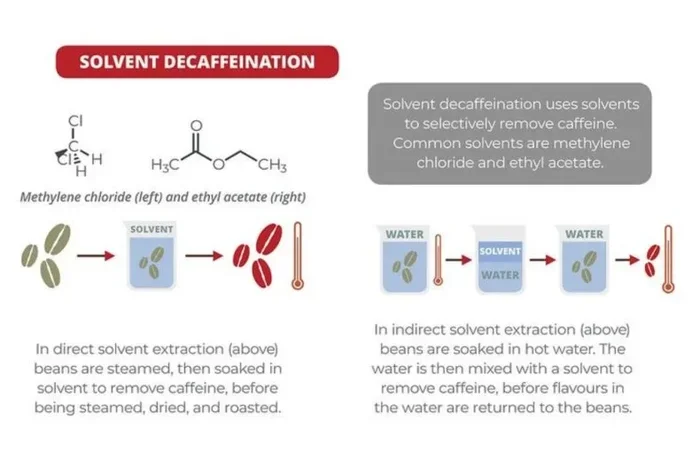
Solvent-based decaffeination is one of the oldest and most familiar methods. In this process, green coffee beans are steamed and then exposed to a solvent that attaches to caffeine molecules. The solvent is later removed, and the beans are dried. The goal is to leave as much of the original flavor as possible.
There are two common versions of this approach. In one version, the solvent touches the beans directly. In another version, the solvent works on water that has already absorbed compounds from the beans. That indirect method is often called the European process. It is designed to reduce direct contact between the beans and the solvent.
People sometimes worry about solvents because the word sounds harsh. In practice, the solvents used are carefully controlled, and the beans are rinsed and dried so that only trace amounts remain, if any. Still, some coffee drinkers prefer non-solvent methods for peace of mind. If that matters to you, it is worth checking how the beans were processed.
Water-Based Decaffeination
Water-based decaffeination is popular because it can sound simple and natural. In this method, beans are soaked in hot water, which pulls out caffeine along with other soluble compounds. At first, that could strip away flavor too. So the trick is what happens next.
Many water-based systems use a filter or carbon element that captures caffeine while letting flavor compounds return to the beans. In some versions, the same water is used repeatedly so the flavor balance stays more stable. This can help the final cup keep more of its original character.
A well-known example is the Swiss Water process. It uses water, temperature, and filtration to remove caffeine without relying on solvents. Many consumers like it because it feels clean and straightforward. If you see that label, it usually means the producer chose a water-focused method.
Carbon Dioxide Decaffeination
Carbon dioxide decaffeination is a more modern option. It uses CO2 under pressure to act like a selective agent for caffeine. In simple terms, the carbon dioxide binds with caffeine and leaves many other compounds behind. That selectivity is one reason people find this method interesting.
This process can be very precise. Because it targets caffeine more specifically, it may preserve more of the bean’s original flavor profile. It also avoids some of the concerns that come with solvents. However, the equipment is more specialized, so it is not always used for every batch or every brand.
If you are comparing decaf options, CO2-processed coffee is worth looking for. It is often marketed as a high-quality method because it can be gentle on the bean. That does not automatically guarantee the best cup, since roast and bean origin still matter a lot, but it is a strong sign that the producer paid attention to flavor.
Triglyceride Process and Other Approaches
The triglyceride process uses oils, often from coffee or other food-grade sources, to remove caffeine. The beans are soaked or heated with the oil, which helps draw out caffeine over time. Afterward, the beans are separated from the oil and prepared for roasting. This method is less common in everyday conversation, but it is still part of the broader decaffeination landscape.
There are also variations within each main method. Facilities may adjust time, temperature, and repetition to improve results. Some processes focus on speed, while others focus on flavor retention. That is why decaf is not one single thing. It is a category with several different production choices behind it.
If you want to keep things simple, remember this: the best method for you depends on what you value most. If you want a solvent-free option, water or CO2 methods may appeal to you. If you mainly care about taste and price, you may want to compare several bags and taste them side by side.
What Happens to the Flavor When Caffeine Is Removed
Many people ask how do they decaffeinate coffee because they fear the flavor will disappear. The truth is more nuanced. Removing caffeine can affect flavor, but it does not have to ruin it. Coffee flavor comes from many compounds, not just caffeine. Aromas, sugars, acids, and oils all play a role.
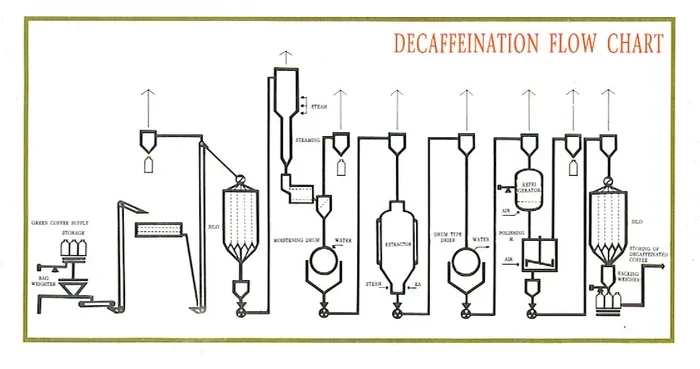
Visual guide about Decaffeinating coffee beans process
Image source: hasblog.co.uk
During decaffeination, some flavor compounds can be lost. That is unavoidable to some degree, because the process has to move substances in and out of the bean. The goal is to lose as little as possible. Better methods try to keep the balance of sweetness, acidity, and body intact. Poorer processes may leave the coffee tasting flat or overly plain.
Roasting also changes the final result. A decaf bean may start with a different moisture level or structure than a regular bean. A skilled roaster can adjust the roast to bring out the best in that bean. That means two decaf coffees can taste very different even if they came from the same region.
Why Decaf Can Taste Different From Regular Coffee
Decaf can taste different because the bean has gone through an extra step before roasting. Even when done well, that step changes the bean slightly. Some subtle flavor notes may be softer. Some cups may taste a little less bright or a little more mellow. That is not always a bad thing.
For some drinkers, a smoother decaf is actually ideal. It can feel gentler on the stomach or more relaxing in the evening. For others, the difference is noticeable in a way they do not enjoy. If that sounds familiar, try a few different decaf styles. A water-processed coffee may taste different from a solvent-processed one, and a light roast may taste different from a dark roast.
How Roast Level Changes Decaf Flavor
Roast level has a big impact on how decaf tastes. Lighter roasts tend to preserve more origin character, so you may notice fruitiness, floral notes, or brighter acidity. Darker roasts usually bring out deeper, bolder flavors and can make the cup taste more uniform. If a decaf tastes too flat, a different roast may help.
It is also helpful to think about brewing. A grind that is too fine or too coarse can make any coffee taste off. Decaf is no exception. If your decaf tastes weak or bitter, the issue may not be the decaffeination at all. It may be the grind, water temperature, or brew time.
Is Decaf Coffee Completely Caffeine-Free
This is one of the most common follow-up questions after people learn how do they decaffeinate coffee. The answer is no. Decaf is not completely caffeine-free. Most decaf coffee still contains a small amount of caffeine. The exact amount varies by bean, method, and brew strength.
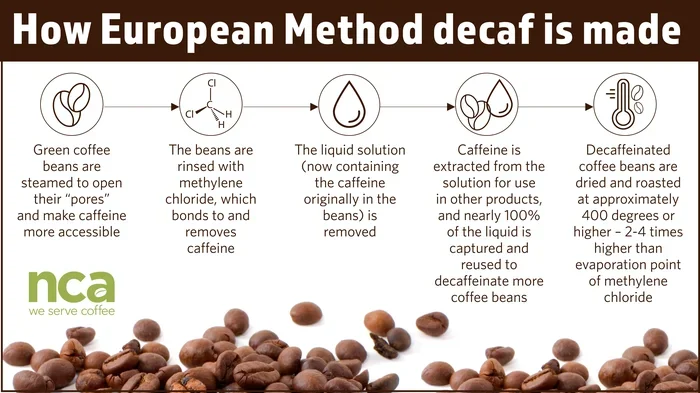
Visual guide about Decaffeinating coffee beans process
Image source: ncausa.org
In a typical cup, decaf may contain only a few milligrams of caffeine. That is much less than regular coffee, but not zero. For most people, that tiny amount is not enough to cause the same effect as a full cup of caffeinated coffee. Still, if you are very sensitive, it is smart to treat decaf as low-caffeine rather than caffeine-free.
If you need to avoid caffeine entirely for medical reasons, check the product details carefully. Some brands are more consistent than others. Also remember that espresso, drip coffee, and strong French press brews can all deliver different amounts, even when the beans are decaf.
How Much Caffeine Is Usually Left
The leftover caffeine is usually small, but it depends on the process and the bean. Some cups may have just a trace. Others may have a bit more. The difference is one reason you should not assume every decaf behaves the same way. If you are tracking your intake closely, pay attention to both the brand and the brew method.
It also helps to remember that caffeine sensitivity varies from person to person. One person may feel perfectly relaxed after decaf, while another may notice a slight effect. That does not mean the decaf is inconsistent. It just means your body responds differently.
How to Choose Better Decaf Coffee
If you want a better cup, start with the basics. Look for fresh beans, clear labeling, and a roast date if possible. A decaf bag that sits on a shelf for months may taste stale, no matter how well it was decaffeinated. Freshness matters because coffee flavor fades over time.
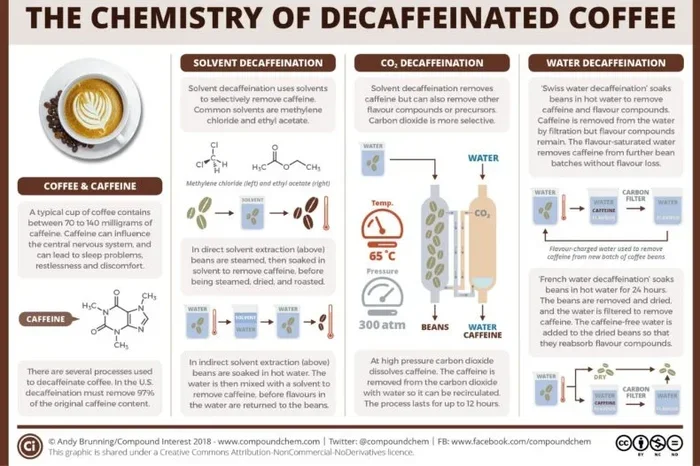
Visual guide about Decaffeinating coffee beans process
Image source: helenacoffee.vn
Next, think about the process. If you care about avoiding solvents, choose a water-based or CO2-processed coffee. If you care more about flavor style, compare a few options and see which one suits your taste. There is no single best decaf for everyone. Your ideal cup depends on how you brew and what flavors you enjoy.
Storage also matters. Once you open a bag, keep the beans in a sealed container and away from heat, light, and moisture. Good storage helps preserve aroma and flavor. If you want practical advice on keeping coffee ingredients fresh, you may also find it useful to learn how do i store cooked bacon for general kitchen freshness habits, or how do you store spring onions when you want to keep produce in good shape longer.
What Label Terms Can Tell You
Labels can give you clues, though they are not always complete. Some bags mention the decaffeination method directly. Others only say “decaf.” If the method matters to you, look for more specific language. Terms like Swiss Water, CO2, or solvent-free can help narrow things down.
Origin is another useful clue. A decaf from one region may taste different from a decaf from another region, even if the process is similar. Bean variety, altitude, and processing on the farm all influence flavor before the beans ever reach the decaffeination facility.
Quick Tips for Buying Decaf
- Check the roast date: Fresher is usually better for flavor.
- Read the method: If you care about solvents or water-based processing, look for clear labeling.
- Match roast to taste: Lighter roasts can be brighter; darker roasts can be bolder.
- Buy whole bean when possible: Whole beans often stay fresh longer than pre-ground coffee.
- Taste more than one: Different decaf styles can surprise you.
Common Mistakes People Make With Decaf
One common mistake is assuming all decaf tastes the same. That makes people give up too quickly. In reality, decaf can vary a lot. A coffee that tastes dull in one brand may taste smooth and balanced in another. If your first decaf disappointed you, try a different method or roast before deciding you do not like decaf at all.
Another mistake is storing decaf poorly. Coffee loses aroma and flavor when it is exposed to air, heat, and moisture. That can make even a good decaf taste flat. Keep the bag sealed or transfer the beans to an airtight container. If you want more ideas for keeping kitchen staples in good condition, you can also read how to store sugar or how to store chickpeas for general storage habits that help reduce waste.
A third mistake is brewing decaf the same way you brew strong regular coffee without adjusting for taste. Decaf may need a slightly different approach. If the cup tastes weak, try a finer grind or a longer brew. If it tastes harsh, try a coarser grind or slightly cooler water. Small changes can make a noticeable difference.
Expert Insights on Decaf Quality
The best decaf usually comes from a chain of good decisions. The bean should start with solid quality. The decaffeination method should fit the flavor goal. The roaster should treat the bean with care. And the brewer should use a decent grind and fresh water. When those pieces line up, decaf can be surprisingly good.
It also helps to think about when you drink it. Decaf is often chosen for the evening, for lower-caffeine days, or for people who enjoy the ritual of coffee without wanting a strong stimulant effect. In those moments, comfort and flavor matter more than caffeine. That is why a smoother, well-balanced decaf can feel like the right choice.
Final Thoughts on How Do They Decaffeinate Coffee
So, how do they decaffeinate coffee? They use carefully controlled processes that remove most of the caffeine from green beans before roasting. Some methods use solvents, some use water, and some use carbon dioxide or oils. Each approach has different strengths, and each one can produce a very different cup.
The best decaf is not just about low caffeine. It is about flavor, freshness, and the right match for your taste. If you choose a good method, buy fresh beans, and store them well, you can enjoy a satisfying cup without the full caffeine effect. Decaf is not a compromise if you pick it thoughtfully. For many people, it becomes a daily coffee they genuinely look forward to.
Frequently Asked Questions
How do they decaffeinate coffee without removing all the flavor?
They use methods that target caffeine while trying to keep other flavor compounds in the bean. Water, carbon dioxide, and controlled solvent processes are designed to remove caffeine more selectively. Good roasting and fresh beans also help preserve taste.
What is the Swiss Water process?
The Swiss Water process is a water-based decaffeination method that uses water, temperature, and filtration to remove caffeine without solvents. It is popular with consumers who want a solvent-free option. The flavor outcome still depends on bean quality and roast.
Does decaf coffee still have caffeine?
Yes, decaf coffee usually still has a small amount of caffeine left. It is much less than regular coffee, but not completely zero. If you are very sensitive, it is best to think of decaf as low-caffeine rather than caffeine-free.
Why does some decaf taste flat or dull?
Decaf can taste flat if too many flavor compounds are lost during processing, if the beans are stale, or if the roast is not a good match for the bean. Brewing problems can also make it taste dull. Trying a different method or fresher beans often helps.
Is one decaffeination method better than the others?
No single method is best for everyone. Water and CO2 methods are often preferred by people who want to avoid solvents. Solvent-based methods can be efficient and still produce good coffee. The best choice depends on your taste, budget, and preferences.
How should I store decaf coffee beans?
Store decaf beans in an airtight container, away from heat, light, and moisture. Use them reasonably fresh for the best flavor. Once opened, coffee loses quality faster, so smaller batches can help you keep it tasting better longer.



