Can I make espresso in a regular coffee maker? The short answer is no, but you can brew a very strong coffee that mimics espresso when paired with the right technique. True espresso requires high pressure, fine grinds, and a specialized machine, while a regular coffee maker relies on gravity and larger grounds. Still, you can create bold, concentrated coffee that works well in lattes, americanos, and other espresso-style drinks. In this guide, you will learn why the brewing methods differ, how to maximize strength with your current setup, and which affordable alternatives deliver the closest results.
Many coffee lovers ask the same question every morning: can I make espresso in a regular coffee maker? It is a fair question, especially if you want a bold shot for a latte or an iced coffee without buying a new machine. The good news is that you can brew a very strong cup of coffee with the gear you already own. The honest news is that this will not be true espresso.
Espresso is a specific brewing style, not just a fancy word for strong coffee. It depends on pressure, fine grounds, and a short extraction time. A standard drip machine works very differently. It uses gravity, a slower brew time, and a coarser grind. That means your cup will taste richer if you tweak the recipe, but it will not have the same texture or intensity as a café shot.
Still, you can get surprisingly close for home drinks. If you adjust your ratio, use fresh beans, and choose the right brew mode, you can make a concentrated coffee base that works beautifully in milk drinks, americanos, and iced beverages. In this guide, we will break down what espresso really is, why a regular coffee maker behaves differently, and how to get the strongest possible cup from it. We will also look at better tools if you want a more authentic result without spending a fortune.
Key Takeaways
- Espresso needs pressure: True espresso relies on nine bars of pressure, which a standard drip machine cannot generate.
- You can brew strong coffee: A regular coffee maker can produce concentrated coffee that serves as a decent substitute in mixed drinks.
- Grind size matters: Use a medium-fine grind and a higher coffee-to-water ratio to increase boldness and body.
- Water and temperature count: Fresh water and proper heat improve extraction, helping your coffee taste richer and smoother.
- Moka pots and AeroPress work better: These tools create more pressure and a stronger cup, getting you closer to espresso-like coffee.
- Milk and flavor help: Steamed milk, syrups, and foam can make a strong drip coffee feel more like a café drink.
- Know your limits: If you love authentic crema and intense espresso, consider a dedicated machine or an all-in-one espresso maker.
📑 Table of Contents
- Can I Make Espresso in a Regular Coffee Maker? The Short Answer
- How to Make Strong Coffee in a Regular Coffee Maker
- Best Ways to Get Closer to Espresso at Home
- How to Turn Strong Drip Coffee Into an Espresso-Style Drink
- Common Mistakes When Trying to Make Espresso in a Drip Machine
- When It Is Worth Buying a Real Espresso Setup
- Quick Tips for a Stronger Home Brew
- Final Thoughts on Can I Make Espresso in a Regular Coffee Maker
Can I Make Espresso in a Regular Coffee Maker? The Short Answer
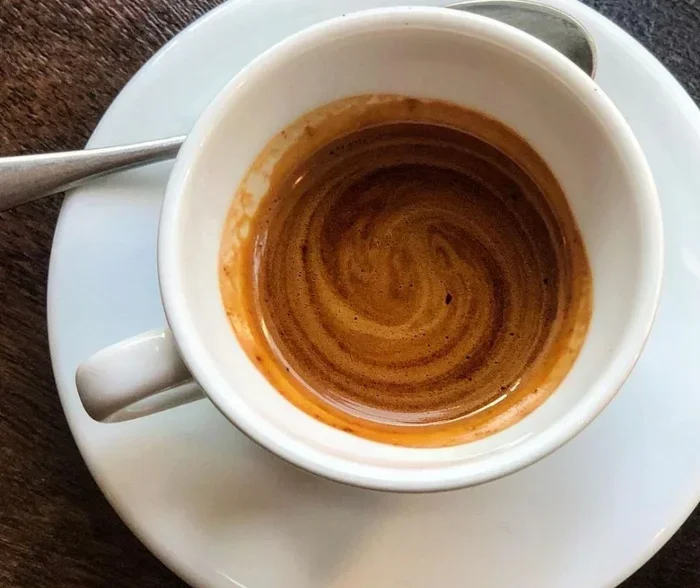
If you want a literal answer, can I make espresso in a regular coffee maker? No, not in the true sense. A drip machine does not produce the pressure needed for espresso extraction. It also cannot create the thick crema that sits on top of a real shot. Crema is that golden foam you see on fresh espresso, and it comes from emulsified oils and gases released under pressure.
That said, you can absolutely make a strong coffee concentrate that works as a substitute in many recipes. If your goal is a homemade latte, a flavored milk drink, or a bold iced coffee, a well-brewed drip cup can do the job. You just need to treat it as a strong coffee base rather than a true espresso shot.
What Makes Espresso Different From Drip Coffee
Espresso and drip coffee share the same basic ingredient, but the brewing process changes everything. Here are the main differences:
- Pressure: Espresso uses force to push hot water through tightly packed grounds. Drip coffee lets water flow down through the grounds by gravity.
- Grind size: Espresso uses a very fine grind. Drip coffee usually needs a medium grind so water can move through evenly.
- Brew time: Espresso is fast. Drip coffee takes longer, which changes the flavor balance.
- Flavor profile: Espresso is intense, concentrated, and often more bitter or rounder in body. Drip coffee is usually lighter and more mellow.
- Serving size: Espresso is served in small amounts. Drip coffee is typically brewed in larger cups or carafes.
Because of these differences, a regular coffee maker cannot fully replicate espresso. Even so, the flavor gap can shrink if you brew a smaller, stronger cup and use good beans.
Why a Regular Coffee Maker Cannot Create Real Pressure
Most drip machines are built for convenience and consistency. Water heats up, travels to the showerhead, and drips through the basket into the carafe. That process is simple and reliable, but it does not create pressure. Without pressure, the water cannot extract the same dense, concentrated flavors that espresso produces.
Think of it this way: espresso is like squeezing juice from a fruit with force, while drip coffee is more like letting fruit steep in water. Both can taste good, but they are not the same drink. If you want a more espresso-like result, you need a tool that can apply pressure or at least simulate it better.
How to Make Strong Coffee in a Regular Coffee Maker
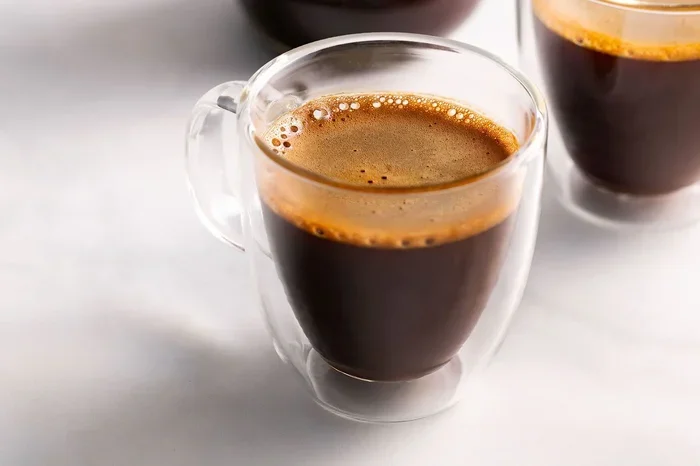
Even though you cannot make true espresso, you can still improve your machine’s output. If you want a bolder cup, a few small changes make a big difference. The goal is to increase extraction without turning the coffee bitter or harsh.
Visual guide about espresso cup and coffee maker
Image source: thespruceeats.com
Use a Higher Coffee-to-Water Ratio
The easiest way to strengthen your cup is to use more coffee. Many drip recipes lean mild because they are designed for a standard mug. If you want a stronger base, try using more grounds for the same amount of water. You can experiment in small steps until the flavor feels rich but still smooth.
A good starting point is to increase your usual amount of coffee by a noticeable margin and taste the result. If the cup feels weak, add a little more next time. If it tastes harsh, reduce the dose slightly. Small adjustments help you find the sweet spot for your beans and machine.
Choose a Finer Grind, But Not Too Fine
Grind size affects how quickly water pulls flavor from the beans. A finer grind can create a stronger cup because the water has more surface area to work with. However, if the grind is too fine for a drip machine, the water may struggle to pass through. That can lead to over-extraction, clogging, or a muddy taste.
Aim for a medium-fine grind if your machine allows it. This can give you more body than a coarse grind while still keeping the brew flow steady. If you grind too fine, you may notice slow dripping or a bitter finish. If that happens, back off a little and test again.
Use Fresh Beans and Good Water
Strong coffee starts with good ingredients. Fresh beans usually taste brighter and more lively than old ones. Stale coffee can taste flat, even if you use a lot of it. Water matters too. If your water tastes off, your coffee will too.
Try these simple habits:
- Use beans that are freshly roasted if possible.
- Grind only what you need for the brew.
- Use clean, fresh water.
- Avoid old grounds sitting in the basket for too long.
These basics do not turn drip coffee into espresso, but they help your strong brew taste its best.
Try a Smaller Brew Size
Some coffee makers let you brew a smaller amount, like a cup or two instead of a full pot. Brewing less water with the same coffee dose can create a more concentrated result. This is one of the easiest ways to mimic a stronger base for milk drinks or iced coffee.
If your machine has a small-brew setting, use it. If not, simply measure your water and grounds carefully so you are not diluting the flavor more than necessary. The key is consistency. Once you find a ratio you like, repeat it.
Clean Your Machine Regularly
A dirty coffee maker can weaken flavor and change the way water flows. Oils and residue build up over time, and that can make even a strong brew taste dull. Regular cleaning helps your machine perform the way it should.
A simple cleaning routine usually includes rinsing removable parts, washing the carafe, and descaling when needed. If your coffee starts tasting strange or the brew slows down, cleaning is a good first step.
Best Ways to Get Closer to Espresso at Home
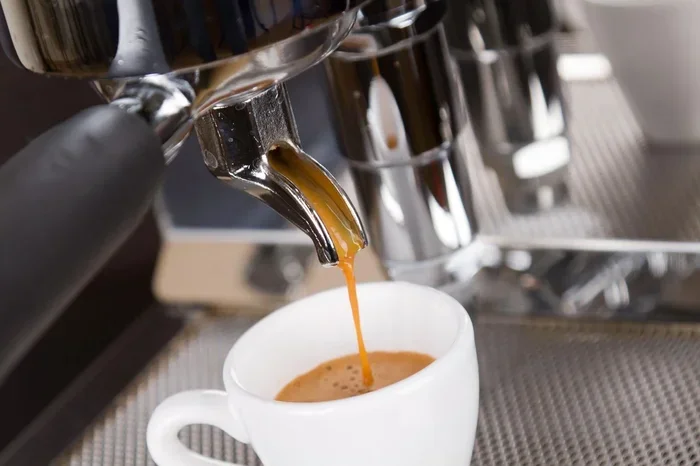
If you want something stronger and more espresso-like, a few affordable tools do a better job than a standard drip machine. These options are popular because they are simple, portable, and capable of producing a concentrated cup.
Visual guide about espresso cup and coffee maker
Image source: helenacoffee.vn
Moka Pot: The Classic Stovetop Option
A Moka pot is one of the closest home alternatives to espresso without using a pump machine. It brews coffee by pushing steam pressure through the grounds. The result is bold, rich, and much stronger than typical drip coffee. It will not be identical to café espresso, but it can make excellent milk drinks and straight strong coffee.
If you are curious about this style of brewing, you can learn more in our guide on how to make coffee in a stove top percolator. While the Moka pot is slightly different, both methods focus on stronger, more concentrated coffee using simple equipment.
AeroPress: Strong, Smooth, and Versatile
The AeroPress is another favorite for people who want a concentrated cup without a big machine. It uses manual pressure, which gives you more control over the brew. You can make a small, strong serving that works well as an espresso substitute in lattes or iced drinks.
One of the best parts is flexibility. You can adjust grind size, water amount, and brew time to suit your taste. That makes it easy to experiment until you find a bold recipe you enjoy.
Espresso Machines and All-in-One Options
If you truly want espresso, a dedicated machine is the most reliable path. Even a modest machine can give you pressure, crema, and a more authentic shot. For some home brewers, the best choice is an best all in one coffee and espresso maker because it covers both regular coffee and espresso-style drinks in one setup.
If you also want convenience, you might look at a best 2 in 1 coffee and espresso machine. These machines can be helpful if you like a quick espresso shot sometimes and a standard cup other times. The right choice depends on how often you make espresso drinks and how much counter space you have.
How to Turn Strong Drip Coffee Into an Espresso-Style Drink
If you are sticking with your current coffee maker, you can still create drinks that feel close to café favorites. The trick is to treat your strong coffee as a base and build around it with milk, foam, ice, or flavor.
Visual guide about espresso cup and coffee maker
Image source: bravocooking.com
Make a Homemade Latte or Cappuccino
A latte is mostly milk with a shot of espresso, while a cappuccino has more foam and a stronger coffee presence. With strong drip coffee, you can mimic the idea by using less liquid coffee and more milk or foam. The result will not be identical, but it can still be creamy and satisfying.
Try this simple approach:
- Brew a small, strong cup of coffee.
- Heat milk until hot and pleasant.
- Froth the milk if you have a frother or a small whisk.
- Pour the milk over the coffee and top with foam.
- Add vanilla, cinnamon, or syrup if you want extra flavor.
This works especially well if your coffee is bold enough to stand up to the milk. If the drink tastes too weak, increase the coffee dose next time.
Build an Americano or Iced Coffee
An Americano is usually espresso diluted with hot water. With strong drip coffee, you can create a similar idea by starting with a concentrated brew and adding water to taste. For iced coffee, pour the strong base over ice and add milk or sweetener if you like.
The benefit of a strong base is that it holds up better once you add water, ice, or milk. A mild brew can taste thin when chilled or diluted, while a richer brew keeps the flavor more balanced.
Add Texture and Flavor
Part of what makes espresso drinks feel special is texture. Foam, steamed milk, and creamy toppings change the experience a lot. Even without espresso, you can improve the feel of your drink with a few extras:
- Frothed milk for a café-style finish
- A dusting of cocoa or cinnamon
- A little vanilla or caramel syrup
- Ice for a chilled, refreshing drink
These touches do not change the brewing method, but they make a strong drip coffee feel more like a treat.
Common Mistakes When Trying to Make Espresso in a Drip Machine
When people ask, can I make espresso in a regular coffee maker? they often expect a stronger cup and then feel disappointed by the result. A few common mistakes can make the cup weaker, bitter, or flat. Avoiding them helps you get the best possible outcome.
Using Too Much Water
If you use too much water for the amount of coffee, the brew will taste thin. This is one of the easiest problems to fix. Simply reduce the water or increase the coffee dose until the cup feels richer.
Grinding Too Fine for Drip Brewing
A very fine grind can slow the brew and create harsh flavors in a drip machine. If your coffee tastes burnt or overly bitter, the grind may be too fine for your setup. Try a slightly coarser setting and see whether the flavor improves.
Using Stale Coffee
Stale beans can make any brew taste dull. Even a strong ratio will not fully fix flat coffee. If your cup lacks brightness or depth, check the freshness of your beans first.
Expecting Crema From a Drip Machine
Crema is a sign of espresso-style pressure extraction. A drip machine will not produce it in the same way. If you expect a thick golden layer on top, you may be disappointed. Instead, focus on flavor, body, and how well the coffee works in your drink.
Overheating the Coffee
If coffee sits on a hot plate too long, it can turn harsh and stale-tasting. This can make a strong brew feel worse instead of better. Try to serve it soon after brewing, or use a thermal carafe if your machine has one.
When It Is Worth Buying a Real Espresso Setup
A regular coffee maker can do a lot, but it has limits. If you drink espresso drinks often, or if you care about crema, pressure, and a more authentic shot, it may be time to upgrade. You do not need the most expensive machine to get a better result. You just need something designed for espresso-style brewing.
Some people start with a Moka pot or AeroPress because they are affordable and simple. Others prefer a compact espresso machine for convenience. If you want both regular coffee and espresso in one place, you can explore a best all in one coffee maker with grinder or a best all in one cappuccino espresso and coffee maker. These options can save space and make daily brewing easier.
If you are not sure what fits your routine, think about how you actually drink coffee. If you mostly want milk drinks and a strong base, a drip machine with the right ratio may be enough. If you want straight espresso or a more café-like experience, a dedicated setup will serve you better.
Quick Tips for a Stronger Home Brew
Here are a few fast ideas you can try today:
- Use more coffee: A stronger ratio gives you a bolder cup.
- Grind medium-fine: This can improve body without clogging the brew.
- Brew less water: A smaller serving is more concentrated.
- Keep beans fresh: Fresh coffee tastes better in any brew method.
- Clean often: A clean machine helps flavor stay clean too.
- Add milk or foam: Texture makes strong coffee feel more espresso-like.
- Experiment slowly: Small changes help you find what tastes best.
Final Thoughts on Can I Make Espresso in a Regular Coffee Maker
So, can I make espresso in a regular coffee maker? Not exactly, but you can make a strong, concentrated coffee that works well in many espresso-style drinks. If you want a real shot with pressure and crema, you will need a different tool. If you mainly want bold flavor for lattes, americanos, or iced coffee, your current machine can still be useful.
The best approach is to manage your expectations and optimize what you have. Use a stronger ratio, keep your beans fresh, and brew a smaller, richer cup when you need a base for milk drinks. If you want to get closer to espresso, try a Moka pot, an AeroPress, or a dedicated espresso machine. With a little experimentation, you can build a home routine that tastes bold, smooth, and satisfying.
Frequently Asked Questions
Can I make espresso in a regular coffee maker and get crema?
You cannot get true crema from a regular coffee maker because crema comes from pressure-based espresso extraction. You can still brew a strong coffee, but it will not have the same foamy top layer.
What is the strongest coffee I can make in a drip machine?
The strongest result usually comes from using more coffee, less water, and a medium-fine grind. Fresh beans and a clean machine also help the cup taste bold instead of dull.
Is strong drip coffee the same as espresso?
No, strong drip coffee is not the same as espresso. Espresso is brewed with pressure and a very fine grind, while drip coffee uses gravity and a longer brew time.
Can I use strong coffee from a regular maker in a latte?
Yes, you can use strong drip coffee as the base for a latte. It will not be identical to espresso, but it can still make a creamy, flavorful milk drink.
What is a good low-cost alternative to espresso?
A Moka pot or AeroPress is a popular low-cost alternative because both can make a concentrated, bold cup. They are not true espresso machines, but they get you closer than most drip brewers.
Should I buy an espresso machine if I only want lattes?
If you mostly want lattes, you may not need a full espresso setup right away. A strong coffee base can work well, though a machine with espresso capability will give you a more authentic result.