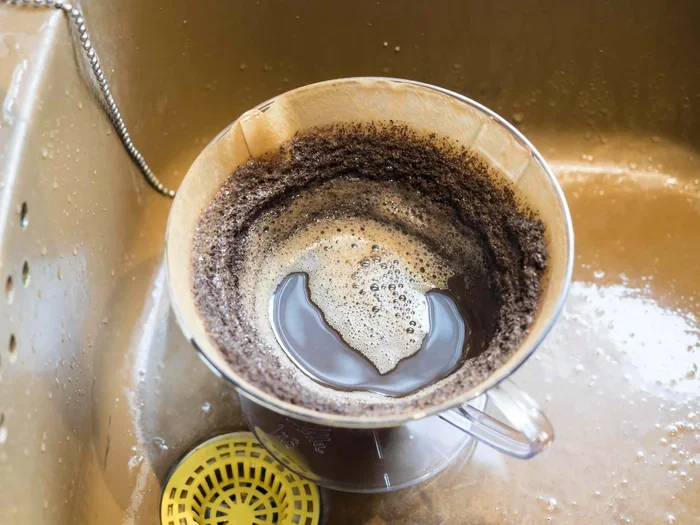
Can I put coffee grounds down the sink? The short answer is no, and here is why it matters for your home. Coffee grounds clump together and create stubborn blockages in pipes. You should toss them in the trash or use them for gardening instead. Following these simple steps keeps your plumbing safe and efficient.
Key Takeaways
- Avoid the sink: Never pour coffee grounds down the drain because they clump and cause clogs.
- Trash disposal works: Scrape grounds into a bag or bin before washing your mug.
- Compost is best: Used grounds add nitrogen to garden soil and reduce waste.
- Garbage disposals struggle: disposals do not grind wet grounds well and can jam.
- Clean habits help: Rinse your coffee maker and sink regularly to prevent buildup.
- Reuse ideas exist: You can use grounds for deodorizing, exfoliating, or pest deterrence.
- Fix leaks early: Watch for slow drains and address them before small clogs grow.
📑 Table of Contents
- Can I Put Coffee Grounds Down the Sink? The Simple Answer
- Why Coffee Grounds Cause Clogs
- What Happens If You Pour Grounds in the Garbage Disposal
- Safe Ways to Dispose of Used Coffee Grounds
- How to Keep Your Kitchen Sink and Pipes Clean
- Common Mistakes People Make With Coffee Grounds
- Expert Tips for Coffee Lovers and Homeowners
- Key Takeaways
Can I Put Coffee Grounds Down the Sink? The Simple Answer
You just finished a great cup of coffee. The mug is empty. You stand at the sink and wonder where the used grounds should go. Can I put coffee grounds down the sink? The answer is no. Coffee grounds look harmless, but they cause real problems in pipes. They do not dissolve like sugar or salt. They stick together and trap other debris. Over time, this creates slow drains and expensive clogs.
This guide explains why grounds are risky for plumbing. It also shows you better ways to dispose of them. You will learn how to protect your sink, your garbage disposal, and your wallet. Let us keep your kitchen running smoothly.
Why Coffee Grounds Cause Clogs
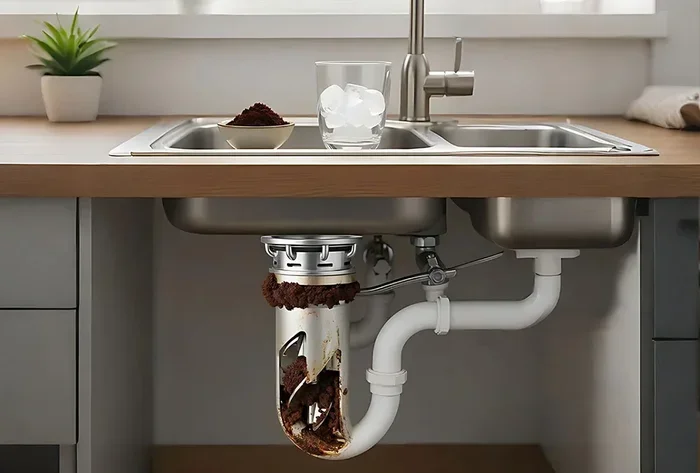
Coffee grounds are small, but they are not simple. They are coarse and slightly oily. When they mix with water, they do not vanish. They settle into pipe walls and form a paste. This paste catches hair, soap scum, and food bits. The result is a stubborn blockage that grows quietly.
Visual guide about coffee grounds sink drain
Image source: cdn.shopify.com
The Science of Grounds in Pipes
Water flows fast in straight pipes, but it slows in bends. Grounds drift downward and collect in those bends. They also stick to rough spots inside older pipes. Once a layer forms, new grounds add to it. The pipe narrows little by little. A small amount seems fine at first. The trouble starts after many cups.
Signs You Already Have a Problem
Watch for these warning signs in your kitchen:
- Slow drainage: Water lingers in the sink longer than usual.
- Gurgling sounds: Air trapped in the pipe makes odd noises.
- Bad smells: Trapped grounds and debris begin to decay.
- Recurring backups: The sink fills slightly after each use.
If you notice these signs, stop pouring anything down the drain. Call a plumber if the problem persists.
What Happens If You Pour Grounds in the Garbage Disposal
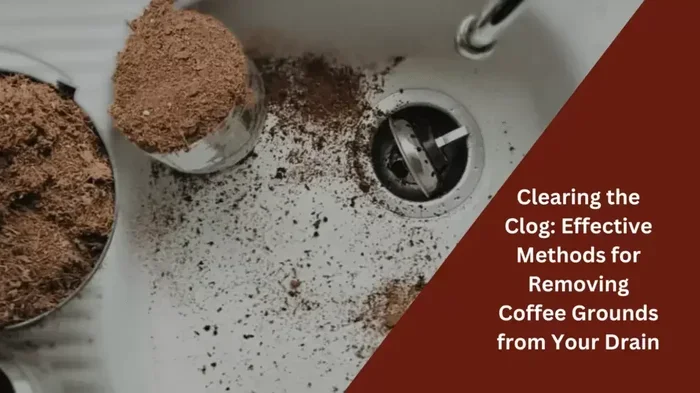
Many people think a garbage disposal solves every kitchen waste problem. It does not. A disposal chops food into smaller pieces. It does not turn wet coffee grounds into liquid. The motor can handle soft scraps, but grounds are tricky. They slip past the blades and collect in the trap.
Visual guide about coffee grounds sink drain
Image source: topratedespressocoffeemaker.com
Why Disposals Struggle with Grounds
Disposals rely on water flow to carry waste away. Grounds are heavy and gritty. They settle in the discharge pipe and the P-trap. This buildup reduces grinding power over time. It also creates odors inside the unit. You may hear the disposal work harder than it should.
Better Habits for Your Disposal
Use the disposal for small, soft food bits only. Keep grounds out of it. Follow these simple rules:
- Run cold water: Cold water helps move waste through the pipe.
- Keep it short: Run the disposal for a few seconds at a time.
- Avoid grease: Fat solidifies and traps grounds even more.
- Clean regularly: Use citrus peels or mild cleaning methods to freshen the unit.
A little care keeps the disposal strong and the sink clear.
Safe Ways to Dispose of Used Coffee Grounds
You have several easy options. Each one is simple and safe for your home. Pick the method that fits your routine.
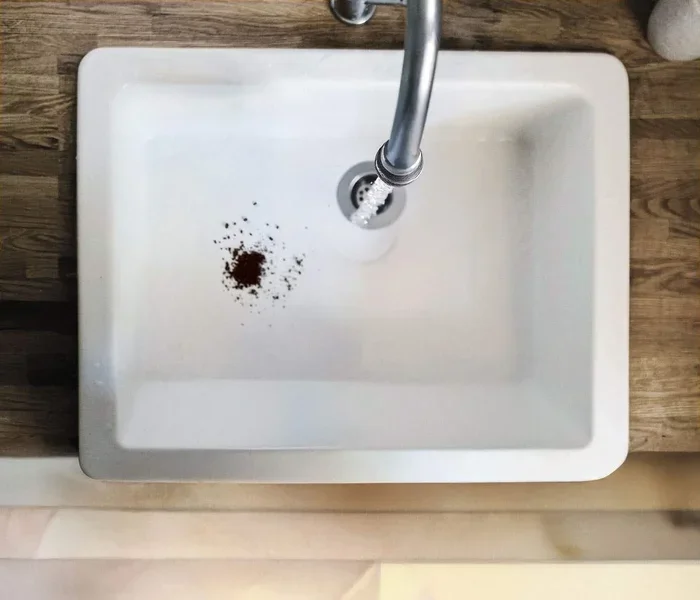
Visual guide about coffee grounds sink drain
Image source: romylondonuk.com
Toss Them in the Trash
This is the fastest choice. Scrape the wet grounds into a bag or bin. Wrap them in a paper towel if you prefer less mess. Throw the bag in your kitchen trash. This method prevents pipe problems completely.
Compost Them for Your Garden
Used grounds are great for compost. They add nitrogen and improve soil texture. Mix them with dry leaves, cardboard, or grass clippings. Do not pile them alone, because they can clump. A balanced compost pile breaks them down nicely.
Use Them Around the House
Grounds have handy uses beyond the trash can. Try these ideas:
- Deodorize: Place dried grounds in a small bowl to absorb odors.
- Scrub: Mix grounds with a little soap for a gentle hand scrub.
- Garden boost: Sprinkle small amounts around acid-loving plants.
- Pest deterrent: Spread a thin ring around entry points to discourage ants.
These tricks reduce waste and give grounds a second life.
How to Keep Your Kitchen Sink and Pipes Clean
Good habits prevent most sink problems. You do not need fancy tools. You need a steady routine.
Daily and Weekly Care
Rinse the sink after each use. Wipe the drain area to catch loose grounds. Once a week, flush the drain with hot water. This helps move minor residue along. Avoid pouring oil or thick sauces down the sink. They combine with grounds and make clogs worse.
Simple Cleaning Steps
Try this quick routine:
- Clear the drain: Remove visible bits from the strainer.
- Flush with hot water: Let it run for a minute.
- Wipe the basin: Clean the sink surface and faucet base.
- Check the strainer: Keep it in place to catch debris.
A strainer is your first line of defense. It stops grounds before they enter the pipe.
Common Mistakes People Make With Coffee Grounds
Small errors lead to big plumbing bills. Avoid these common traps.
Mistake 1: Assuming Grounds Dissolve
Grounds do not melt away. They stay solid and settle in pipes. This belief causes slow buildup over time.
Mistake 2: Relying on the Disposal
A disposal is not a magic drain. It moves some waste, but grounds collect in the trap. Use it wisely and keep grounds out.
Mistake 3: Pouring Grounds With Grease
Grease hardens as it cools. Grounds stick to that hardened layer. Together, they form a tough blockage. Keep both out of the sink.
Mistake 4: Ignoring Early Warning Signs
A slow sink is a warning. Do not wait for a full backup. Act early with cleaning and careful disposal.
Mistake 5: Composting Too Much at Once
Heavy layers of grounds can mat down. Mix them with dry materials. A balanced pile works better and smells less.
Expert Tips for Coffee Lovers and Homeowners
If you brew daily, these tips save time and protect pipes. Build a simple disposal routine. Keep a small container near your coffee station. Scrape grounds there before washing the filter or mug. This one habit prevents most sink issues.
Quick Tips for Busy Mornings
- Prep a scrap bowl: Keep it beside the brewer for easy scraping.
- Rinse the filter first: Remove most grounds before washing.
- Use a strainer: Catch stray bits before they reach the drain.
- Store trash bags nearby: Make disposal fast and clean.
When to Call a Professional
Call a plumber if drains stay slow after cleaning. Call if you smell strong odors from the pipe. Call if water backs up repeatedly. Early help prevents damage and keeps costs down.
Key Takeaways
Protecting your sink is simple once you know the rules. Keep grounds out of the drain. Use the trash or compost instead. Maintain a clean strainer and rinse the sink often. These steps keep water flowing and avoid repair costs.
Small habits make a big difference. A few seconds of care each morning protects your whole kitchen. Your pipes stay clear, your disposal lasts longer, and your home stays fresh.
Frequently Asked Questions
Can I put coffee grounds down the sink if I use a garbage disposal?
No, you should still avoid it. A garbage disposal does not dissolve grounds, and they can collect in the trap. Toss them in the trash or compost instead.
What is the best way to dispose of used coffee grounds?
The best way is to scrape them into the trash or add them to a compost pile. Both methods keep your pipes safe and reduce waste.
Do coffee grounds damage pipes over time?
Yes, they can. Grounds clump together and trap other debris, which narrows the pipe. This often leads to slow drains and stubborn clogs.
Can coffee grounds help my garden?
Yes, in moderation. Used grounds add nitrogen and improve soil texture when mixed into compost. Do not pile them thickly, because they can clump and slow airflow.
How do I stop coffee grounds from going down the drain?
Use a sink strainer and scrape grounds into a small container before washing. Empty the container into the trash or compost each day.
What should I do if my sink is already slow from coffee grounds?
Stop pouring anything down the drain and clean the strainer. Flush with hot water and watch for improvement. If the problem continues, contact a plumber.