Mixing Adderall and coffee can amplify side effects like jitteriness and increased heart rate. While many people do consume caffeine while on this medication, it requires caution. You should always talk to your doctor before combining stimulants. Understanding how these substances interact helps you make safer choices for your daily routine.
Key Takeaways
- Increased Heart Rate: Combining caffeine and Adderall may raise your heart rate more than either substance alone.
- Jitteriness and Anxiety: You might feel more nervous, shaky, or anxious when mixing these stimulants.
- Sleep Disruption: Both substances can interfere with sleep, so timing your intake is crucial.
- Appetite Suppression: Adderall already reduces hunger, and coffee can worsen this effect, leading to skipped meals.
- Individual Variation: Everyone reacts differently, so what works for one person might not work for another.
- Doctor Consultation: Always check with your healthcare provider before making changes to your diet or medication routine.
- Moderation is Key: If you do drink coffee, keep your caffeine intake low to minimize potential risks.
📑 Table of Contents
- Can I Take Adderall with Coffee
- Understanding How Adderall Works
- The Impact of Caffeine on the Body
- Potential Risks of Mixing Adderall and Coffee
- Potential Benefits of Moderate Caffeine Intake
- Tips for Safely Combining Adderall and Coffee
- Common Mistakes to Avoid
- Expert Insights on Stimulant Combinations
- Key Takeaways for Daily Management
- Conclusion
Can I Take Adderall with Coffee
Many people wonder about mixing their medication with their favorite morning brew. It is a very common question. You might rely on coffee to wake up. You might also rely on your medication to focus. So, putting them together seems logical. But your body processes these substances in specific ways. Adding them together changes how you feel.
Adderall is a stimulant medication. It helps manage symptoms of ADHD. Coffee contains caffeine, which is also a stimulant. When you take two stimulants at once, the effects can stack. This does not always mean it is dangerous. But it does mean you need to pay attention. Your heart rate might go up. You might feel more awake than intended. Some people handle it fine. Others feel quite uncomfortable.
This article explores what happens when you mix them. We will look at the benefits and the risks. You will learn how to manage your intake safely. We will also discuss what signs to watch for. Your health and safety come first. Making informed choices helps you stay balanced. Let’s dive into the details so you can decide what is best for you.
Understanding How Adderall Works
Adderall is a prescription medication. Doctors prescribe it for Attention Deficit Hyperactivity Disorder. It contains amphetamine salts. These salts affect chemicals in your brain. Specifically, they increase dopamine and norepinephrine. These neurotransmitters help with focus and attention. They also help control impulses.

Visual guide about prescription pills and coffee
Image source: onehundredcoffee.b-cdn.net
When you take this medication, you might feel more alert. You might find it easier to sit still. Your ability to concentrate often improves. This is the goal of the treatment. However, stimulants also affect the body physically. Your heart rate can increase. Your blood pressure might rise slightly. Your metabolism can speed up too.
Because it is a central nervous system stimulant, it keeps you awake. This is why some people take it early in the day. Taking it later can cause sleep problems. The medication has a specific duration. It lasts for several hours depending on the type. Immediate release works faster. Extended release works longer. Knowing how long it lasts helps you plan your day.
The Role of Dopamine
Dopamine is a feel-good chemical. It rewards your brain for doing tasks. People with ADHD often have lower levels of dopamine activity. Adderall helps bring those levels up. This makes everyday tasks feel more manageable. It reduces the struggle to focus. When you add caffeine, you are also stimulating the brain. Caffeine blocks adenosine receptors. Adenosine makes you feel tired. By blocking it, caffeine keeps you alert.
The Impact of Caffeine on the Body
Coffee is a popular drink worldwide. People love it for the taste and the energy boost. The active ingredient is caffeine. Caffeine is a natural stimulant. It comes from coffee beans, tea leaves, and other plants. When you drink it, it enters your bloodstream quickly. You might feel the effects within minutes.
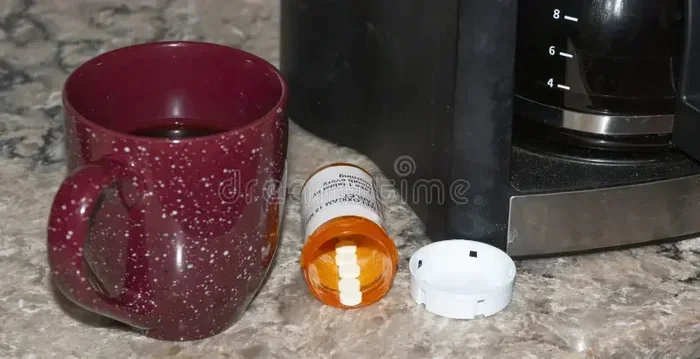
Visual guide about prescription pills and coffee
Image source: thumbs.dreamstime.com
Caffeine wakes up your brain. It improves alertness and reduces fatigue. Many people use it to start their day. It can also improve physical performance. Athletes often use it before workouts. But too much caffeine causes problems. You might feel anxious or shaky. Your heart might beat faster. You might experience stomach issues too.
Everyone has a different tolerance. Some people drink espresso before bed and sleep fine. Others feel jittery after one cup. Genetics play a role here. Your liver enzymes process caffeine at different speeds. If you process it slowly, it stays in your system longer. This matters when you mix it with medication.
Caffeine Sensitivity Levels
You should know your own sensitivity. Do you feel calm after a cup? Or do you feel wired? If you feel wired, you have high sensitivity. Mixing this with Adderall might be too much stimulation. If you feel little effect, you might tolerate the mix better. Tracking your reaction helps you understand your limits.
Potential Risks of Mixing Adderall and Coffee
Now we get to the big question. Can you mix them safely? The answer is not a simple yes or no. It depends on your health and dosage. There are potential risks you must consider. The main concern is overstimulation. Both substances speed up your nervous system. Putting them together amplifies this effect.

Visual guide about prescription pills and coffee
Image source: thumbs.dreamstime.com
Your heart works harder when you are stimulated. Adding caffeine to Adderall can strain your cardiovascular system. This is a concern for people with heart conditions. If you have high blood pressure, you need to be extra careful. Chest pain or palpitations are warning signs. You should stop and seek help if these occur.
Anxiety is another common side effect. Stimulants can make you feel nervous. Caffeine can also increase anxiety levels. Together, they might make you feel very jittery. You might feel like you cannot sit still. Your mind might race too fast. This counteracts the focus you want from the medication. Instead of calming your ADHD, it might make you feel chaotic.
Cardiovascular Concerns
Your heart health is paramount. Stimulants constrict blood vessels. This raises blood pressure. Caffeine does this too. Combining them creates a stronger effect. If you have a history of heart issues, talk to your doctor. They might advise against caffeine. They might suggest decaf instead. Monitoring your pulse is a good habit. If your heart rate feels too high, cut back.
Sleep Disruption Issues
Sleep is vital for brain health. ADHD management often relies on good sleep. Both Adderall and caffeine can ruin your sleep. Adderall stays in your system for hours. Caffeine does too. If you take your meds late, sleep suffers. If you drink coffee late, sleep suffers. Doing both makes it worse. Poor sleep worsens ADHD symptoms. It becomes a vicious cycle. You feel tired, so you drink coffee. You take meds, so you stay awake. Then you cannot sleep at night.
Potential Benefits of Moderate Caffeine Intake
It is not all bad news. Some people do mix them without major issues. In fact, some find it helpful. Caffeine can boost the focus effects. It might help you feel more alert in the morning. If your dosage is low, caffeine might fill the gap. Some studies suggest caffeine has mild ADHD benefits. It is not as strong as medication, but it helps.
For some, the combination provides a balanced energy. You get the structured focus from the meds. You get the wakefulness from the coffee. This works if you keep the caffeine amount low. One small cup might be fine. It depends on your body weight and tolerance. You must listen to your body. If you feel good, it might be safe for you.
Enhanced Alertness
Morning grogginess is real. Some people struggle to wake up even with meds. A small amount of caffeine can help bridge that gap. It helps you start your day faster. This is useful for people with slow mornings. Just ensure you do not overdo it. The goal is alertness, not agitation.
Tips for Safely Combining Adderall and Coffee
If you decide to drink coffee, do it wisely. Safety comes from moderation and timing. Here are some practical tips to follow. These steps help minimize risks while keeping your routine.
Start with small amounts. Do not drink a large mug immediately. Try a half cup first. See how you feel after an hour. If you feel fine, you can have more. This prevents sudden spikes in stimulation.
Time your intake carefully. Wait after taking your medication. Let the meds settle in your system. Then have your coffee. Do not take them at the exact same second. Spacing them out helps you gauge effects. Also, avoid coffee late in the day. Stop caffeine by early afternoon. This protects your sleep schedule.
Stay hydrated. Both substances can dehydrate you. Drink plenty of water throughout the day. Water helps your kidneys process everything. It also helps with dry mouth, a common side effect. Carry a water bottle with you. Sip often.
Monitor your heart rate. Check your pulse occasionally. If you have a smartwatch, use it. Notice if your heart feels racing. If it does, skip the coffee next time. Your body gives you signals. Listen to them.
Choose lower caffeine options. Not all coffee is the same. Espresso has more caffeine per ounce. Drip coffee varies by brew. Try lighter roasts or tea. Tea has less caffeine and contains L-theanine. L-theanine promotes relaxation. It might balance the jitters better.
Listen to Your Body
Your body knows best. If you feel anxious, stop. If you feel shaky, drink water. If you feel sick, rest. Do not push through discomfort. Medication should help you function. It should not make you feel ill. Adjusting your coffee habit is easier than changing meds. Start there.
Common Mistakes to Avoid
People often make errors when managing their intake. Avoiding these mistakes keeps you safer. One common mistake is ignoring side effects. You might think feeling shaky is normal. It is not always normal. It might mean you have too much stimulation. Another mistake is drinking too much coffee. Three cups is likely too much with meds. Stick to one or less.
Skipping meals is another big error. Adderall suppresses appetite. Coffee does too. You might forget to eat. Low blood sugar makes you feel worse. You might get headaches or feel weak. Eat protein-rich breakfast. Food slows down absorption. It buffers the effects on your stomach.
Ignoring your doctor’s advice is risky. They know your health history. They might say no caffeine at all. If they say that, listen. They might suggest alternatives. Decaf coffee gives the taste without the stimulant. It is a good compromise.
The Appetite Trap
Not eating enough is dangerous. Your brain needs fuel. ADHD brains need steady glucose. Skipping meals leads to crashes. You might feel irritable or foggy. Make sure you eat even if you are not hungry. Set an alarm to remind you. Nutrition supports your medication working well.
Expert Insights on Stimulant Combinations
Medical experts generally advise caution. They suggest limiting caffeine when on stimulants. The combination increases the load on your heart. It also increases the risk of dependency. You might rely on coffee to feel normal. This is not ideal for long-term health. Experts recommend focusing on sleep and diet first. These natural factors boost energy too.
Therapists often suggest behavioral strategies. These help manage ADHD without extra stimulants. Exercise is a great natural stimulant. It releases endorphins and dopamine. A morning workout might replace your coffee need. It also helps burn off excess energy. This reduces the need for chemical stimulation.
Doctors also look at your specific dosage. Higher doses of Adderall mean less room for caffeine. Lower doses might allow more flexibility. This is why personalization matters. There is no one-size-fits-all rule. Your treatment plan is unique to you. Respect that uniqueness.
Natural Energy Boosters
Consider other ways to boost energy. Sleep is the number one factor. Prioritize seven to eight hours. Hydration is next. Drink water before coffee. Exercise helps circulation. Even a short walk helps. These habits support your medication. They reduce the need for extra caffeine.
Key Takeaways for Daily Management
Managing your intake is about balance. You do not have to quit coffee forever. But you must be smart about it. Keep your doses low. Watch your heart. Protect your sleep. Eat your meals. These steps ensure you stay healthy. Your medication is there to help you thrive. Coffee should not get in the way of that.
Remember that changes take time. If you quit coffee, you might feel withdrawal. Do it gradually. If you start coffee, introduce it slowly. Give your body time to adjust. Patience leads to better results. Rushing leads to mistakes. Take care of yourself first.
Ultimately, you are in charge of your health. You know how you feel best. Use that knowledge. Combine it with medical advice. This is the safest path forward. You can enjoy your morning routine. You just need to tweak it for safety. Small changes make a big difference.
Conclusion
So, can I take Adderall with coffee? The answer is yes, but with care. Mixing stimulants increases side effects like heart rate and anxiety. However, moderate caffeine intake is manageable for many. You must monitor your body closely. Pay attention to sleep and appetite. Always consult your healthcare provider before making changes. Your safety is the most important thing. By following these tips, you can enjoy your coffee and manage your ADHD effectively. Make informed choices for a healthier day.
Frequently Asked Questions
Can I drink decaf coffee with Adderall?
Yes, decaf coffee is generally safer because it contains very little caffeine. It gives you the taste and ritual without the extra stimulant effect. However, decaf is not completely caffeine-free, so monitor your reaction.
How long should I wait to drink coffee after taking Adderall?
It is best to wait at least 30 to 60 minutes after taking your medication. This allows the medication to start working before you introduce caffeine. Spacing them out helps you notice any adverse effects more clearly.
Will coffee make my ADHD medication less effective?
Coffee does not typically make Adderall less effective, but it can mask the feeling of focus. The combination might make you feel too wired, which feels like poor focus. It changes how the medication feels rather than how it works chemically.
What are the signs that I have had too much caffeine with Adderall?
Signs include a racing heart, excessive sweating, trembling hands, and high anxiety. You might also feel irritable or have trouble sleeping later. If you notice these, reduce your caffeine intake immediately.
Can I drink energy drinks with Adderall instead of coffee?
Energy drinks are usually riskier because they often contain higher caffeine levels and other stimulants. These additional ingredients can increase heart strain and side effects. Water or tea is a safer choice for hydration and mild energy.
Does caffeine affect how long Adderall stays in my system?
Caffeine does not significantly change how long Adderall stays in your body. However, both substances compete for some processing pathways in the liver. This might slightly alter how you feel the effects, but the duration remains largely the same.