Many patients ask if they can have their morning brew before lab work. The short answer is usually no, because black coffee can affect blood test results. Even without sugar or cream, caffeine changes your metabolism and digestion. This article explains exactly why doctors recommend water only and what happens if you break the fast.
Getting ready for a medical test can feel stressful. You want to follow the rules perfectly. But what about your morning routine? Many people rely on caffeine to start their day. It is hard to imagine skipping that warm cup of comfort. This leads to a very common question. Can you drink coffee before a fasting blood test?
The answer is not as simple as yes or no. It depends on what you are testing. It also depends on what is in your cup. Most doctors say no to coffee. They want you to drink only water. This ensures your results are accurate. Accurate results help your doctor make the right choices for your health.
In this guide, we will break down everything you need to know. We will look at why fasting matters. We will discuss how caffeine impacts your body. We will also share tips to make the process easier. You will feel confident and prepared for your lab visit.
Key Takeaways
- Water is best: Plain water is the only safe drink during a fasting window.
- Coffee changes results: Caffeine can alter blood sugar and lipid panel numbers.
- Additives matter: Sugar, milk, or cream definitely break your fasting state.
- Medications vary: Some pills are okay with water, but check with your doctor.
- Hydrate well: Drinking water helps make blood drawing easier and less uncomfortable.
- Ask questions: Always confirm specific rules with your healthcare provider beforehand.
- Plan ahead: Schedule your test early so you can eat breakfast immediately after.
📑 Table of Contents
Why Fasting Matters for Blood Tests
Fasting means you do not eat or drink anything except water. This usually lasts for 8 to 12 hours. Your body needs time to clear out food from your system. When you eat, your body starts digesting. This changes the chemicals in your blood.
Lab tests measure specific markers. These markers show how your body is working. Food intake can spike these markers temporarily. This gives a false picture of your health. Doctors need a baseline to compare against. A baseline shows your normal levels without food interference.
Think of it like weighing yourself. You would not weigh yourself after a big meal. You want to know your true weight. Blood tests work the same way. You want to know your true blood levels. Skipping food ensures the data is clean and reliable.
Common Tests That Require Fasting
Not every blood test needs fasting. But many important ones do. Your doctor will tell you if you need to fast. Here are the most common tests that require an empty stomach.
- Glucose tests: These measure blood sugar levels. Food spikes sugar quickly.
- Lipid panels: These check cholesterol and triglycerides. Fat from food stays in the blood.
- Liver function tests: These assess how your liver processes substances.
- Kidney function tests: These measure waste products in your blood.
- Iron tests: Iron levels can rise after eating iron-rich foods.
If you are unsure, always ask. It is better to be safe than sorry. Drinking coffee might seem harmless. But it could ruin the test results. Then you would have to do it all over again.
Can You Drink Coffee Before a Fasting Blood Test
This is the big question. Most healthcare providers say no. You should avoid coffee entirely during the fasting window. Even if you drink it black, it can cause issues. Caffeine is a stimulant that affects your physiology.
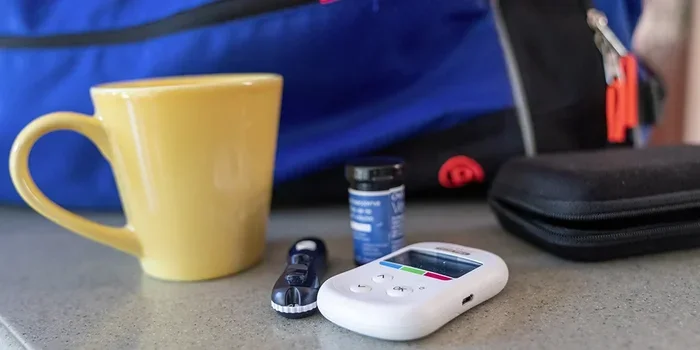
Visual guide about coffee cup blood test kit
Image source: cdn.shopify.com
Black coffee has almost no calories. So why is it a problem? The issue is not just calories. It is about how your body reacts to caffeine. Caffeine stimulates your nervous system. It also triggers the release of certain hormones. These changes can alter blood test markers.
Some studies suggest black coffee might be okay for some tests. But most labs prefer zero risk. They want to ensure the highest accuracy. Since you cannot know for sure, stick to water. It is the safest choice for your health data.
The Impact of Caffeine on Results
Caffeine does more than wake you up. It changes how your body functions temporarily. This can skew specific blood markers. Let us look at how caffeine affects different areas.
- Blood pressure: Caffeine can raise blood pressure briefly. This affects cardiovascular readings.
- Blood sugar: Caffeine may affect insulin sensitivity. This changes glucose test results.
- Digestive system: Coffee stimulates acid production. This impacts digestion related markers.
- Hydration levels: Caffeine is a mild diuretic. It makes you urinate more. This can concentrate your blood.
Concentrated blood can look different than hydrated blood. Your doctor might think you are dehydrated. Or they might see higher levels of certain substances. This leads to confusion and unnecessary worry. Avoiding caffeine removes this variable completely.
Black Coffee Versus Coffee With Additives
What if you add cream or sugar? This is definitely not allowed. Any calories break a fast. Sugar spikes your insulin immediately. Cream adds fat and protein to your system.
Even a splash of milk matters. Plant-based milks also contain calories. Sweeteners like honey or agave are sugars. Artificial sweeteners might also trigger a response. Your body reacts to the taste of sweetness sometimes.
Here is a quick comparison of what breaks a fast.
- Black coffee: Controversial, but usually avoided to be safe.
- Coffee with sugar: Definitely breaks the fast.
- Coffee with cream: Definitely breaks the fast.
- Coffee with milk: Definitely breaks the fast.
- Plain water: Safe and encouraged.
Stick to water to be absolutely sure. It eliminates all risk of contamination. Your lab technician will appreciate your compliance too.
What About Medications and Supplements
Many people take daily medications. You might wonder if you can take them with coffee. The general rule is to take meds with water. Coffee can interact with certain drugs. It changes how your body absorbs medicine.
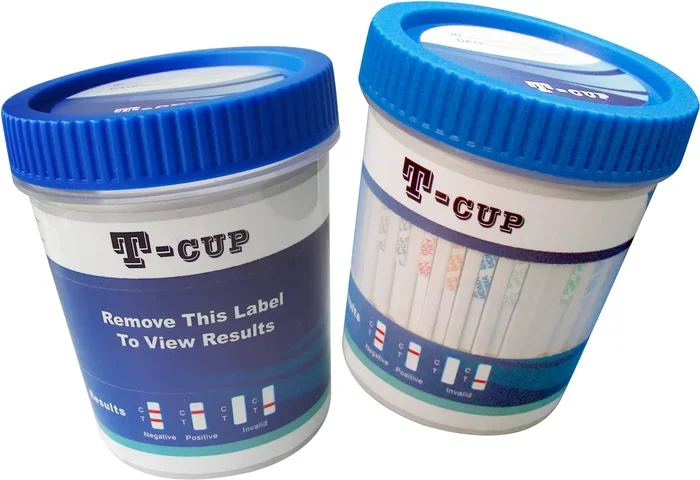
Visual guide about coffee cup blood test kit
Image source: medline.com
Some medications require food to work well. Others need an empty stomach. Your doctor or pharmacist knows best. Always ask them about your specific prescriptions. Do not guess when it comes to medicine.
Supplements are also tricky. Vitamins and minerals can affect blood levels. Iron supplements are a big example. You usually need to stop them before testing. Biotin is another supplement to watch out for. It can interfere with lab assays.
Water vs Coffee for Taking Pills
Water is the neutral choice. It does not react with most medications. Coffee contains acids and oils. These can bind to certain drugs. This reduces how much medicine your body gets.
If you need to take a pill, use a full glass of water. This helps the pill dissolve properly. It ensures the dose reaches your system. Coffee might make the pill less effective. Consistency is key for managing health conditions.
Tips for Handling the Fasting Period
Fasting can be hard. You might feel hungry or tired. Headaches are common if you quit caffeine suddenly. Here are some tips to make it easier. Schedule your test for the morning. This way you sleep through most of the fast.
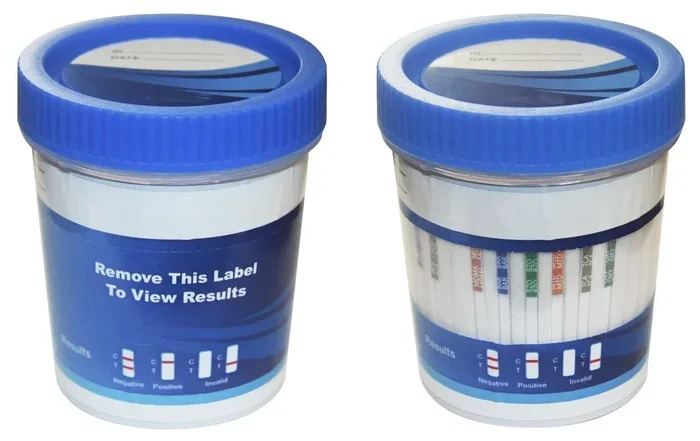
Visual guide about coffee cup blood test kit
Image source: csuxjmfbwmkxiegfpljm.supabase.co
Prepare your clothes the night before. This reduces stress in the morning. Bring a snack for after the test. You will want to eat immediately. Having food ready makes the wait worth it.
Staying Hydrated With Water
Drink plenty of water the day before. This helps your veins stay visible. It makes the blood draw easier. Being well hydrated reduces fainting risks. You can drink water during the fast too.
Do not overdo it right before the test. Too much water right before might dilute blood. Just drink normally throughout the fasting period. Room temperature water is gentle on the stomach.
Managing Caffeine Withdrawal
If you are a heavy coffee drinker, you might feel withdrawal. Headaches and irritability are common symptoms. Try to reduce caffeine a few days before. This lessens the shock to your system.
You can also ask your doctor for advice. They might allow a small amount in rare cases. But usually, you must tough it out for one morning. The accuracy of your health data is worth it.
What Happens If You Accidentally Drink Coffee
Mistakes happen. You might forget and have a sip. Do not panic. Tell the lab technician immediately. They need to know to interpret your results correctly.
They might reschedule the test. This is better than getting wrong data. Wrong data could lead to wrong treatment. Honesty is the best policy here. It saves you time and money in the long run.
If you drank a lot, reschedule. If it was a tiny sip, they might proceed. But only they can make that call. Do not hide the mistake. It puts your health at risk.
Conclusion
Preparing for a blood test does not have to be confusing. The rules are there to protect your health. Accurate results lead to better care. When asking can you drink coffee before a fasting blood test, the safest answer is no.
Stick to plain water during your fasting window. Avoid all additives like sugar and cream. Check with your doctor about medications. Plan your morning to minimize stress. These steps ensure your lab visit goes smoothly.
Your health is worth the temporary sacrifice. Skipping coffee for a few hours is small. Knowing your true health status is priceless. Follow the guidelines and stay hydrated. You will be ready for your next checkup with confidence.
Frequently Asked Questions
Does black coffee break a fast for blood work?
Most doctors recommend avoiding even black coffee. Caffeine can alter blood pressure and sugar levels. Water is the only safe beverage during the fasting window.
Can I drink water before a fasting blood test?
Yes, drinking water is encouraged and safe. It helps keep you hydrated and makes blood drawing easier. Just avoid adding any flavors or sweeteners to the water.
What happens if I drink coffee before my test?
Your results might be inaccurate due to caffeine effects. The lab might ask you to reschedule the appointment. Always inform the technician if you accidentally consumed something.
Can I take my morning medication with coffee?
You should take medications with plain water instead. Coffee can interact with certain drugs and change absorption rates. Check with your pharmacist for specific instructions on your prescriptions.
How long do I need to fast before blood work?
Most fasting tests require 8 to 12 hours of no food. Your doctor will give you a specific time frame to follow. Schedule your test early in the morning to make fasting easier.
Is tea allowed during a fasting blood test?
Like coffee, most teas contain compounds that affect results. Herbal teas might be okay, but plain water is safest. Always ask your healthcare provider before drinking any beverages.