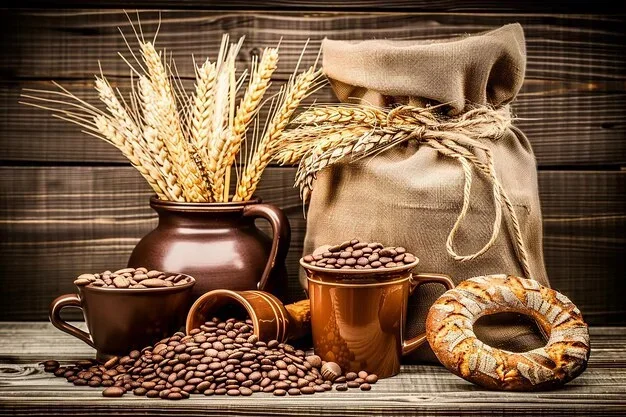
Pure coffee beans are naturally gluten-free, making them a safe choice for most people with celiac disease or gluten sensitivity. However, cross-contamination during processing and additives in flavored coffee can introduce hidden gluten into your cup. Always check labels, choose certified gluten-free brands, and ask about ingredients when dining out. With a little care, you can enjoy your daily brew without worry.
Many people start their day with a hot cup of coffee. It is one of the most loved drinks in the world. But if you follow a gluten-free diet, you might pause and ask a simple question. Does coffee contain gluten? This is a very common concern, especially for people with celiac disease or gluten sensitivity. The good news is that plain coffee is naturally free of gluten. Coffee beans come from a plant seed, not a grain. That means the bean itself does not hold the proteins that cause problems for gluten-sensitive people.
However, the story does not end there. Modern coffee drinks can be complex. Flavored syrups, instant powders, blends, and even shared brewing equipment can introduce hidden risks. Some coffee products also include additives that may carry gluten. If you are careful, you can still enjoy your favorite brew safely. In this article, we will break down everything you need to know. We will look at the science, the risks, the label reading tips, and the best habits for a safe cup. Let’s dive in and make your morning routine easier and safer.
Key Takeaways
- Pure coffee beans are naturally gluten-free: Coffee comes from a fruit seed, not a grain, so it does not contain gluten by nature.
- Cross-contamination is the real risk: Shared equipment, facilities, and processing lines can introduce gluten particles into your coffee.
- Flavored and blended coffees may contain gluten: Some syrups, powders, and additives use wheat-based ingredients for flavoring or texture.
- Check labels and certifications: Look for “gluten-free” labels, allergen statements, and ingredient lists before buying.
- Brewing methods matter: Dedicated equipment and clean practices help prevent gluten transfer at home or in cafes.
- Consult a professional if unsure: People with celiac disease or severe sensitivity should verify products with manufacturers or dietitians.
📑 Table of Contents
Understanding Gluten and Why It Matters
Gluten is a group of proteins found in certain grains. The main ones are wheat, barley, and rye. These proteins give dough its stretchy texture. They also help bread rise and keep its shape. For most people, gluten is harmless. But for some, it triggers serious health issues. Celiac disease is an autoimmune condition. When someone with celiac eats gluten, the immune system attacks the small intestine. This can lead to poor nutrient absorption, stomach pain, bloating, fatigue, and long-term damage.
There is also non-celiac gluten sensitivity. People with this condition do not have the autoimmune response of celiac disease. Still, they feel unwell after eating gluten. Symptoms can include headaches, brain fog, joint pain, and digestive upset. A wheat allergy is different too. It involves the immune system reacting to wheat proteins, not just gluten. Because these conditions vary, people manage them in different ways. Some need strict avoidance. Others can tolerate tiny amounts. Either way, knowing where gluten hides is very important.
Why Coffee Raises Questions
Coffee is not a grain. It comes from the Coffea plant. The beans are actually seeds found inside a fruit. So, in their natural form, coffee beans do not contain gluten. The confusion often comes from the way coffee is processed and served today. Many products are no longer just plain roasted beans. They may include flavorings, fillers, or blends. Some are made in facilities that also handle wheat or barley. That is where the risk begins.
Another reason people ask about coffee is cross-contact. If a grinder, brewer, or cafe counter touches bread, pastries, or flour-based items, tiny particles can transfer. Even a small amount can matter for someone with celiac disease. So, while the bean is safe, the journey from farm to cup can add complexity. Understanding this journey helps you make better choices.
Does Coffee Contain Gluten? The Short Answer
Pure, unflavored coffee beans are gluten-free. If you buy whole beans or ground coffee with no additives, you are generally safe. The roasting process does not create gluten. Brewing with water does not add gluten either. Black coffee, made from plain beans, is one of the simplest drinks you can have. For most people on a gluten-free diet, it is a safe and enjoyable choice.
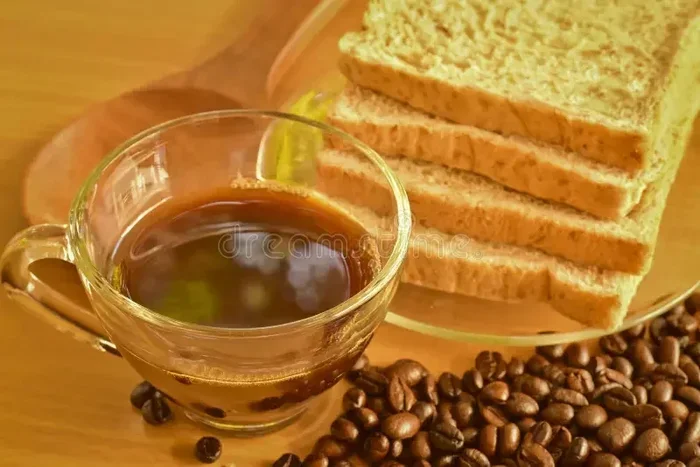
Visual guide about fresh coffee beans and wheat
Image source: thumbs.dreamstime.com
The key word here is “plain.” Once flavor, creamers, or blends enter the picture, the risk changes. Some instant coffees use additives for texture or taste. Some flavored coffees rely on natural or artificial flavorings that may be derived from gluten sources. Some products are processed in shared facilities. That is why reading labels matters so much. A simple black coffee is usually fine. A fancy flavored latte may need a closer look.
What the Research Says
Most food safety experts agree that coffee beans do not naturally contain gluten. Major health organizations recognize plain coffee as safe for gluten-free diets. The real concern is contamination, not the bean itself. Studies and food analyses generally show that roasted coffee has no gluten proteins unless something is added. That said, food manufacturing is complex. Ingredients can change. Facilities can vary. That is why certified products are helpful for people who need strict avoidance.
If you have celiac disease, you may want to choose brands that test for gluten. Some companies follow strict protocols. They keep gluten-containing ingredients away from their coffee lines. They may also label products clearly. This extra step can bring peace of mind. For people with mild sensitivity, plain coffee is often well tolerated. Still, listening to your body is always wise.
Hidden Sources of Gluten in Coffee Products
Even when the bean is safe, other parts of your coffee drink may not be. The biggest risks come from additives, blends, and equipment. Let’s walk through the most common hidden sources so you can spot them easily.
Visual guide about fresh coffee beans and wheat
Image source: images.surferseo.art
Flavored Coffees and Syrups
Flavored coffee sounds fun, but it can be tricky. Some flavors come from natural sources that are safe. Others use carriers or thickeners that may contain gluten. For example, some powdered flavor mixes use wheat-based ingredients. Some syrups include thickeners or stabilizers that are not gluten-free. Barista-style drinks in cafes can also have hidden ingredients. Always ask what is in the syrup or sauce. If you are unsure, choose plain coffee and add your own safe flavorings.
Instant Coffee and Coffee Blends
Instant coffee is convenient, but it is not always just coffee. Some brands add anti-caking agents, fillers, or flavor enhancers. A few of these additives may come from gluten-containing grains. Blends can also mix coffee with other substances to change the taste or strength. That is why the ingredient list matters. If you see wheat, barley, rye, or vague terms like “natural flavors” without clarification, it is worth checking further. When in doubt, pick a brand that clearly labels its product as gluten-free.
Cross-Contamination in Processing and Brewing
Cross-contamination happens when gluten particles move from one surface to another. This can occur during harvesting, roasting, grinding, or brewing. Shared equipment is a common cause. For example, a coffee grinder used for flavored coffee that contains gluten may leave traces behind. A cafe that serves pastries and uses the same counter space may also create risk. Even packaging lines can be shared. These risks are usually small, but for someone with celiac disease, small matters. Clean equipment and dedicated tools help a lot.
Creamers, Milk Alternatives, and Add-Ins
Coffee is often more than coffee. Many people add cream, milk, or plant-based alternatives. Some creamers use thickeners or stabilizers. Some flavored creamers include sweeteners and additives that may not be gluten-free. Oat milk is popular, but oats can be cross-contaminated with wheat unless they are certified gluten-free. Some protein powders and sweeteners also carry gluten. So, the cup you build matters just as much as the bean you start with.
How to Choose Safe Coffee on a Gluten-Free Diet
You do not have to give up coffee. You just need a smart approach. With a few simple habits, you can enjoy your brew and stay safe. Here are the best steps to follow.
Visual guide about fresh coffee beans and wheat
Image source: c8.alamy.com
Read Labels Carefully
Start with the ingredient list. Look for obvious gluten sources like wheat, barley, rye, and malt. Also watch for terms that may hide gluten, such as “natural flavors,” “modified food starch,” or “hydrolyzed wheat protein.” If a product says “gluten-free,” that is a strong sign. In many regions, that label means the product meets strict limits for gluten content. Still, read the full list. Labels can change over time. When a product is new, double-check before buying.
Look for Certifications and Clear Statements
Certifications can make shopping easier. A certified gluten-free label means the product was tested or reviewed against set standards. This is especially helpful for people with celiac disease. Some coffee brands also publish allergen statements. They may say the product is made in a facility that handles wheat. That does not automatically mean the coffee contains gluten, but it tells you about the risk level. Choose the level of caution that matches your needs.
Pick Plain Beans and Add Your Own Flavors
One of the safest choices is plain coffee. Whole beans or ground coffee with no additives are usually the simplest option. You can then add your own safe ingredients. Try cinnamon, cocoa powder, or vanilla extract that you know is gluten-free. You control the recipe. This also lets you avoid uncertain syrups or pre-flavored blends. If you love flavored coffee, look for brands that state their flavoring sources clearly.
Ask Questions at Cafes and Restaurants
Dining out can feel uncertain, but asking helps. Simple questions make a big difference. Ask if the coffee is plain or flavored. Ask what is in the syrups, sauces, or creamers. Ask if they use shared equipment for gluten-containing items. Many cafes are happy to help if you explain your needs. If you have celiac disease, mention that clearly. Staff may be able to suggest safer options or clean equipment before making your drink.
Keep Your Home Gear Clean
Your kitchen habits matter too. If you share a grinder with someone who uses flavored coffee blends, clean it well. If you use a brewer that also handles other products, keep it dedicated to plain coffee when possible. Wash counters, spoons, and mugs carefully. Store your coffee away from bread, cookies, or flour-based snacks. These small steps reduce cross-contact at home.
Practical Tips for a Safe Daily Coffee Routine
Building a routine is easier when you keep it simple. Here are some practical ideas you can use every day.
Smart Shopping Habits
- Buy plain coffee beans or grounds when possible.
- Choose products labeled gluten-free if you need strict avoidance.
- Check ingredient lists every time, even for familiar brands.
- Store coffee separately from gluten-containing snacks.
- Keep a short list of trusted brands that work for you.
Safe Drink Building
- Start with black coffee or plain brewed coffee.
- Add milk or alternatives you know are safe.
- Use cinnamon, cocoa, or extracts that are labeled gluten-free.
- Avoid unknown syrups or sauces unless you verify them.
- If you order out, ask for plain options and simple add-ins.
When You Are Unsure
If a product is unclear, pause and verify. Contact the manufacturer if needed. Many companies answer questions about ingredients and facility practices. You can also check allergen guides online. For people with celiac disease, a cautious approach is best. It is better to ask than to guess. Over time, you will find brands and habits that feel easy and safe.
Quick Tips
- Keep it plain: Plain coffee is the simplest and safest starting point.
- Verify flavors: Syrups and powders can hide gluten, so check before using.
- Clean gear matters: Shared grinders and counters can transfer gluten particles.
- Read every time: Formulas and facilities can change, so check labels often.
- Trust certified options: Certified gluten-free products add extra confidence.
Common Mistakes to Avoid
Even well-meaning coffee lovers make mistakes. Here are some common ones and how to avoid them.
Assuming All Flavored Coffee Is Safe
Flavored coffee is not automatically unsafe, but it is not automatically safe either. Some flavorings are fine. Others may use gluten-based carriers or additives. Never assume. Check the product details or ask the brand directly.
Ignoring Cross-Contact at Home
People often focus on the bean and forget the tools. A grinder, scoop, or brewer can carry traces from other foods. Keep your coffee tools clean and separate when needed. This is especially important if your household also eats gluten.
Forgetting About Add-Ins
The coffee itself may be safe, but the creamer, milk alternative, or sweetener might not be. Oat milk, flavored creamers, and some powders deserve a second look. Build your cup from safe parts, not just a safe base.
Not Asking at Cafes
Some people stay silent to avoid inconvenience. But asking is normal and reasonable. Most cafes hear these questions often. A simple conversation can prevent a bad reaction and help you feel more confident.
Expert Insights
Nutrition and food safety professionals often say the same thing: plain coffee is generally safe, but the details matter. The bean is not the problem. The ingredients, processing, and handling are what deserve attention. For people with celiac disease, the safest path is clear labeling, careful ingredient checks, and clean preparation. For people with mild sensitivity, many can enjoy plain coffee without issues. Still, each person is different. Tracking your own response is a smart habit. If a certain product causes symptoms, note it and investigate further.
Another helpful insight is that simplicity reduces risk. The more ingredients a drink has, the more chances there are for hidden gluten. A straightforward cup made from plain coffee and safe add-ins is easier to manage. That does not mean you cannot enjoy variety. It just means variety works best when you know what is in it.
Key Takeaways
- Plain coffee beans are naturally gluten-free, so black coffee is usually a safe choice.
- Flavored coffees, instant blends, and additives may introduce gluten or cross-contamination risks.
- Labels, certifications, and ingredient lists are your best tools for safe shopping.
- Clean equipment and careful add-ins help prevent gluten transfer at home and in cafes.
- Ask questions and verify when unsure, especially if you have celiac disease or high sensitivity.
Conclusion
So, does coffee contain gluten? In its pure form, no. Coffee beans are naturally free of gluten. That is great news for anyone who loves a daily cup. The real concerns come from flavored products, additives, shared equipment, and cross-contamination. These risks are manageable when you know what to look for. Read labels, choose plain or certified options, and keep your brewing habits clean. When you order out, ask simple questions and build your drink from safe ingredients.
With a little attention, coffee can stay a comforting and safe part of your routine. You do not need to give up your favorite brew. You just need to make informed choices. Start with plain coffee, verify the extras, and enjoy your cup with confidence.
Frequently Asked Questions
Is plain black coffee gluten-free?
Yes, plain black coffee made from unflavored beans is naturally gluten-free. Coffee beans are seeds, not grains, so they do not contain gluten proteins. The main risks come from additives or cross-contact, not the bean itself.
Can flavored coffee contain gluten?
It can, depending on the ingredients and processing. Some flavored coffees use syrups, powders, or carriers that may include gluten sources. Always check the label or ask the brand if you are unsure.
Are instant coffee and coffee blends safe for celiac disease?
Many are safe, but not all. Some instant coffees and blends include additives or are made in shared facilities. Look for gluten-free labels and read the ingredient list before choosing.
Does cross-contamination in coffee makers matter?
Yes, especially for people with celiac disease. Shared grinders, brewers, counters, or utensils can transfer gluten particles. Clean equipment and dedicated tools help reduce this risk.
What should I ask at a cafe if I need gluten-free coffee?
Ask whether the coffee is plain or flavored, and what is in any syrups or creamers. You can also ask if they use shared equipment for gluten-containing items. Clear questions help staff guide you to safer options.
How can I make my home coffee routine safer?
Use plain beans, keep your grinder and brewer clean, and store coffee away from gluten snacks. Choose add-ins you know are safe, like certified gluten-free milk alternatives or spices. These simple habits lower the chance of cross-contact.