
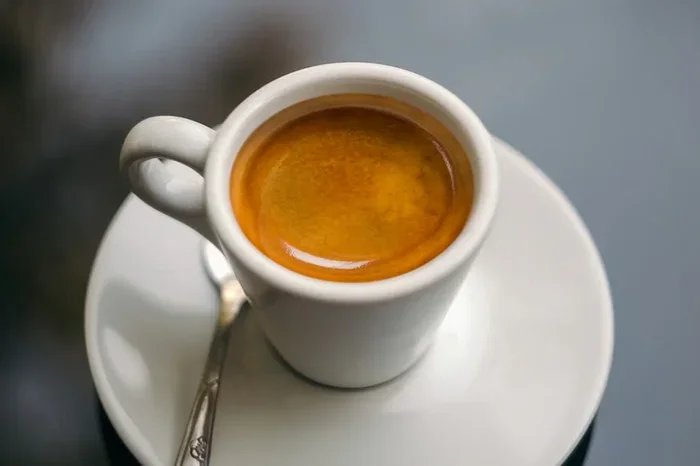
Yes, you can use espresso beans for drip coffee, but the flavor profile will differ from beans roasted specifically for drip brewing. Espresso beans are typically darker roasted, which brings out bold, smoky, and chocolatey notes that work well in drip machines. However, you may notice a stronger, more intense cup with less acidity. Adjusting your grind size and coffee-to-water ratio helps you get a balanced, delicious result every time.
Many coffee lovers stare at a bag of dark, shiny beans and ask the same question: can you use espresso beans for drip coffee? The short answer is yes. You can absolutely brew espresso beans in a standard drip coffee maker. The longer answer is a bit more interesting. Espresso beans and drip beans are not two completely different species of coffee. They are usually the same coffee cherry, just roasted and blended with different goals in mind. Espresso roasts tend to be darker, fuller, and more intense. Drip roasts often aim for brighter acidity, clearer flavor notes, and a smoother finish.
That difference matters, but it does not mean you need two separate coffee stashes. If you already love a certain espresso roast, it can make a rich, satisfying drip cup. You may just need to tweak your grind, your ratio, and your expectations. In this guide, we will walk through what changes when you use espresso beans in a drip brewer, how to get the best flavor, and what mistakes to avoid. By the end, you will know exactly how to turn those dark, bold beans into a great morning mug.
Key Takeaways
- Yes, it works: You can brew espresso beans in a drip coffee maker without damaging your machine or ruining the cup.
- Flavor shifts: Darker espresso roasts produce a bolder, less acidic, and more chocolatey or smoky cup compared to lighter drip roasts.
- Grind matters: Use a medium grind for drip brewing; too fine causes over-extraction and bitterness, while too coarse leads to weak coffee.
- Ratio adjustment: Start with a standard coffee-to-water ratio and tweak it to balance the stronger roast character of espresso beans.
- Freshness wins: Freshly ground espresso beans deliver better aroma and flavor than pre-ground options, even in drip brewers.
- Water quality counts: Clean, filtered water improves taste and protects your machine, especially with darker roasted beans.
- Experiment fearlessly: Try different roast levels, grind sizes, and ratios to find your perfect drip cup using espresso beans.
📑 Table of Contents
- What Makes Espresso Beans Different From Drip Beans
- Can You Use Espresso Beans For Drip Coffee Without Issues
- Best Grind Size and Brew Ratio For Drip Coffee With Espresso Beans
- Flavor Differences You Will Notice in the Cup
- Common Mistakes When Using Espresso Beans in Drip Brewers
- Tips to Get the Best Drip Coffee From Espresso Beans
- When Espresso Beans May Not Be the Best Choice
- Final Thoughts on Brewing Espresso Beans in a Drip Machine
What Makes Espresso Beans Different From Drip Beans
When people hear espresso beans, they often imagine a special type of coffee that only works in an espresso machine. That is not quite right. The label usually refers to the roast style and the intended brew method, not a unique bean variety. Espresso-focused roasts are commonly darker, with more body and a heavier mouthfeel. They often highlight chocolate, caramel, spice, and roasted nut flavors. Drip-focused roasts can range from light to dark, but they often lean toward brighter, more delicate flavor profiles.
Roast Level and Flavor Direction
Roast level plays a huge role in how your cup tastes. Darker roasts, which are common for espresso, break down more of the bean’s original acids. That means less brightness and more deep, rounded flavors. Lighter roasts keep more of those original fruit, floral, and citrus notes. If you brew a dark espresso roast in a drip machine, you will likely get a cup that feels fuller and bolder, with less tangy lift. That can be a great thing if you enjoy strong, cozy coffee.
Grind Size and Brewing Method
Grind size is where the brew method really matters. Espresso uses a fine grind and high pressure to pull a concentrated shot quickly. Drip coffee uses a coarser, medium grind and relies on gravity and slower water flow. If you take espresso-ground coffee and drop it into a drip basket, the water may struggle to pass through evenly. That can lead to over-extraction, bitterness, or even a clogged filter. For the best drip results, aim for a medium grind, even if the beans are labeled for espresso.
Bean Blends and Single Origins
Some espresso beans are blends created for balance and crema. Others are single origins chosen for a specific flavor profile. Either type can work in drip brewing. A blended espresso roast may give you a smooth, consistent cup with low acidity. A single-origin dark roast may bring out more complex spicy or chocolatey notes. The key is to read the roast date and flavor notes, not just the word “espresso” on the package.
Quick Tip: If your espresso beans are already ground very fine, consider running them through a grinder adjustment or buying whole beans and grinding fresh for drip. A medium grind usually performs best in drip baskets and paper filters.
Can You Use Espresso Beans For Drip Coffee Without Issues
This is the big question, and the answer is reassuring. Can you use espresso beans for drip coffee without causing problems? Yes. Your drip machine will not break, and the brew will still be coffee. The real question is how the cup will taste and whether you need to adjust anything. Since espresso beans are often darker and more intense, the drip cup may taste stronger and less bright. That is not a flaw. It is just a different direction on the flavor map.
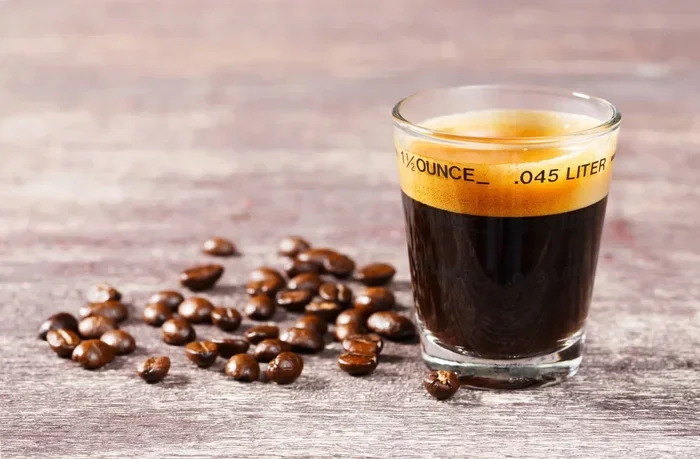
Visual guide about Espresso beans drip coffee
Image source: roastycoffee.com
Taste Expectations Before You Brew
Before you start, it helps to know what to expect. A drip cup made with espresso beans often has these traits:
- Full body: The cup feels heavier and richer on the palate.
- Lower acidity: Bright citrus or fruit notes may fade, while chocolate and spice come forward.
- Bold aroma: Darker roasts often produce a strong, warm scent that fills the kitchen.
- Potential bitterness: If the grind is too fine or the brew runs too long, the cup can turn harsh.
If you enjoy a robust, comforting mug, these traits can be a perfect match. If you prefer a light, tea-like coffee with crisp acidity, a darker espresso roast may not be your ideal drip choice.
When Espresso Beans Shine in Drip Brewing
There are plenty of moments when espresso beans make excellent drip coffee. They can be especially nice when you want a dependable, strong cup without fuss. Think about those mornings when you need a dependable caffeine boost and a flavor that feels substantial. A dark roast can also pair well with milk, sweeteners, or flavored syrups because the base coffee already has a sturdy, roasted character.
If you are curious about how different machines handle the same beans, you may also want to explore best espresso machines compared for rich coffee to understand how brew method changes flavor intensity.
Best Grind Size and Brew Ratio For Drip Coffee With Espresso Beans
Getting a great drip cup from espresso beans comes down to two main levers: grind size and ratio. If you master those, you can make the same beans taste balanced instead of heavy or bitter.
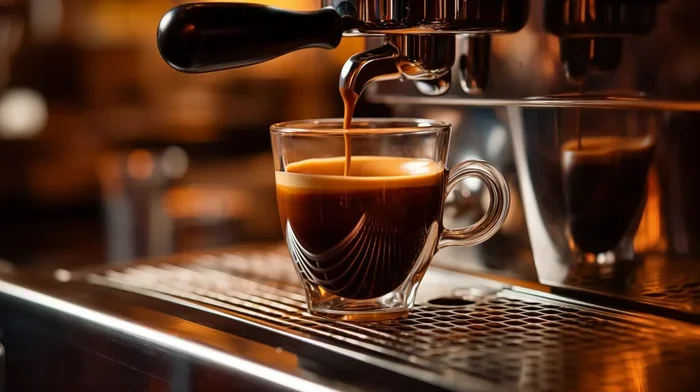
Visual guide about Espresso beans drip coffee
Image source: images8.alphacoders.com
Choose the Right Grind Size
For drip brewing, a medium grind is usually the safest starting point. Think of the texture as similar to sea salt or rough sand. If the grind is too fine, the water slows down and the coffee over-extracts. That can create astringent, bitter notes. If the grind is too coarse, the water rushes through and the coffee tastes thin and under-developed.
If you are grinding at home, start with a medium setting and taste the result. Adjust one step at a time. Small changes can make a noticeable difference. If you buy pre-ground coffee labeled for espresso, it may be too fine for drip. In that case, you can try using a slightly smaller amount in the basket or brewing a shorter cycle if your machine allows it.
Set a Smart Coffee-to-Water Ratio
A good starting ratio for drip coffee is about one to two tablespoons of ground coffee per six ounces of water, depending on how strong you like it. Because espresso beans can taste bolder, you may want to begin near the middle of that range and adjust from there. If the cup feels too intense, use a little less coffee next time. If it feels flat, add a touch more.
Here is a simple starting guide:
- Mild cup: One tablespoon per six ounces of water
- Medium cup: One and a half tablespoons per six ounces of water
- Strong cup: Two tablespoons per six ounces of water
These are starting points, not rigid rules. Your perfect cup depends on the roast, the bean, and your personal taste.
Water Temperature and Brew Time
Most drip machines handle water temperature automatically, but the general sweet spot is just below boiling. If your machine has a programmable brew timer, keep an eye on the cycle length. A very long brew can pull out harsh compounds from dark roasts. A steady, even brew usually gives the cleanest flavor.
Common Mistake: Using espresso-fine grounds in a drip basket without adjusting the dose. This can clog the filter and create a bitter, over-extracted cup. If your grounds look powdery, they are likely too fine for drip.
Flavor Differences You Will Notice in the Cup
If you switch from a medium drip roast to an espresso roast, the cup will tell you the difference right away. The aroma may feel deeper and more roasted. The first sip may seem heavier and less sharp. The finish may linger with chocolate, toasted nut, or spice notes instead of fruit or floral hints.
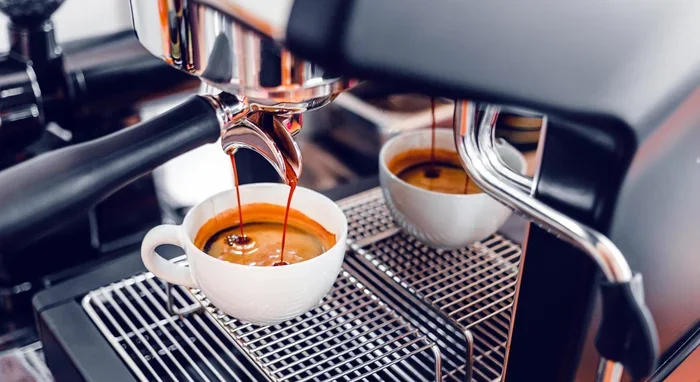
Visual guide about Espresso beans drip coffee
Image source: static.vecteezy.com
Body, Acidity, and Aftertaste
Body refers to the weight and texture of the coffee in your mouth. Espresso beans usually create more body in a drip brew. Acidity is the bright, lively quality that makes coffee taste crisp. Darker roasts generally have lower perceived acidity. Aftertaste is the flavor that stays after you swallow. With espresso beans, the aftertaste often leans toward roasted sweetness or a warm, cocoa-like finish.
Milk, Sugar, and Add-In Compatibility
One of the nice things about darker roasts is how well they play with add-ins. If you enjoy a milky coffee or a sweeter morning drink, espresso beans can hold their own without disappearing. The stronger base flavor can balance milk, cream, oat milk, or a little sugar. That makes these beans a solid choice for people who like a dessert-like coffee experience.
If you want to compare how different roast styles affect overall flavor, you might enjoy reading about best non oily coffee beans for espresso machine, which can help you understand how bean characteristics and roast appearance relate to taste.
Common Mistakes When Using Espresso Beans in Drip Brewers
Even though this swap is simple, a few mistakes can make the cup less enjoyable. The good news is that they are easy to avoid once you know what to watch for.
Mistake 1: Assuming All Espresso Beans Are the Same
Some espresso roasts are extremely dark and smoky. Others are medium-dark and still retain some sweetness. Do not treat every bag the same. Check the flavor notes and roast level before you brew. If a roast sounds very intense, start with a slightly lighter dose in your drip basket.
Mistake 2: Using a Grind That Is Too Fine
A fine espresso grind can cause slow water flow and uneven extraction in a drip machine. That often leads to bitterness. If you notice the brew drips very slowly or the coffee tastes harsh, coarsen the grind a bit next time.
Mistake 3: Overloading the Basket
More coffee is not always better. Overfilling the basket can restrict water flow and create an unbalanced brew. Stick to a reasonable dose for your machine’s size and adjust based on taste.
Mistake 4: Ignoring Freshness
Old coffee loses aroma and complexity, no matter the roast. If your espresso beans have been sitting for a long time, the drip cup may taste flat or stale. For the best result, use beans that are still fresh and grind them just before brewing when possible.
Expert Insight: Darker roasts can taste great in drip brewers, but they reward consistency. Keep your grind, ratio, and water quality steady, then change one variable at a time. That makes it much easier to find the sweet spot.
Tips to Get the Best Drip Coffee From Espresso Beans
If you want to make the most of espresso beans in a drip setup, a few simple habits can elevate the cup. These are practical, easy to test, and useful whether you are a casual drinker or a serious coffee fan.
Start With Fresh, Good-Quality Beans
The roast style matters, but bean quality matters too. Look for a roast date if the package lists one. Choose beans that smell fragrant and lively, not dull or musty. Fresh beans give you more flavor, better aroma, and a cleaner finish.
Grind Just Before Brewing When Possible
Pre-ground coffee is convenient, but whole beans keep their flavor longer. Grinding right before brewing preserves volatile aromas and helps the coffee taste brighter and more complete. If convenience is your priority, pre-ground can still work well. Just store it in a sealed container away from heat and light.
Use Clean, Filtered Water
Coffee is mostly water, so water quality affects taste more than many people expect. Filtered water usually tastes cleaner and lets the coffee’s flavor come through without extra chlorine or mineral notes. It also helps protect your machine from buildup over time. If you want to learn more about protecting your brew equipment, check out best water filtration system for espresso machines for a closer look at water quality and machine care.
Keep Your Machine Clean
A dirty drip machine can add off-flavors to even the best beans. Wash removable parts regularly, rinse the carafe, and clean the brew basket after use. If your machine has a descaling routine, follow it on schedule. Clean equipment supports cleaner, more consistent coffee.
Experiment With Small Changes
Coffee brewing is part science and part personal taste. If the cup is too strong, reduce the dose slightly. If it feels dull, try a little more coffee or a fresher grind. If the flavor seems muddy, check the water flow and make sure the filter is seated properly. Small adjustments can make a big difference.
Key Takeaway: Espresso beans can make excellent drip coffee when you respect the roast style. Use a medium grind, choose a balanced ratio, and keep your water and machine clean. From there, let your taste guide the rest.
When Espresso Beans May Not Be the Best Choice
Even though you can use espresso beans for drip coffee, there are times when another roast may suit you better. If you love bright, light, tea-like coffee, a very dark roast may feel too heavy. If you want delicate fruit or floral notes, a lighter drip roast will usually show those flavors more clearly. If you brew a large pot for a group with varied tastes, a medium roast may be the safest crowd-pleaser.
Also, if you are using a machine with a very fine permanent filter or a brew style that already runs slowly, a fine espresso grind may cause problems. In that case, whole beans ground for drip can be a better match.
Final Thoughts on Brewing Espresso Beans in a Drip Machine
So, can you use espresso beans for drip coffee? Absolutely. You do not need a separate bag of beans for every brew method. You just need to understand how roast level, grind size, and ratio shape the final cup. Espresso beans often bring boldness, richness, and roasted sweetness to drip coffee, which many people love. With a few simple adjustments, you can turn those beans into a smooth, satisfying mug that fits your taste.
The best approach is simple: start with a medium grind, use a balanced coffee-to-water ratio, and taste as you go. If the cup is too intense, ease back. If it needs more depth, add a little more coffee or freshen the grind. Coffee is meant to be enjoyed, not overcomplicated. Once you find the setup that tastes right to you, the process becomes easy and rewarding.
If you ever want to explore more coffee gear and brewing choices, you can also look into best coffee maker with espresso and regular coffee for a broader view of machines that handle multiple brew styles.
Frequently Asked Questions
Can you use espresso beans for drip coffee without damaging the machine?
Yes, you can use espresso beans in a drip machine without causing damage. The main thing to watch is grind size, because overly fine grounds can slow the brew or clog the filter. If you use a medium grind and a reasonable coffee dose, the machine should brew normally.
Will drip coffee made with espresso beans taste too bitter?
It can taste bitter if the grind is too fine, the dose is too high, or the brew cycle runs too long. Darker espresso roasts already taste bold, so they need a balanced setup. Start with a medium grind and a moderate coffee-to-water ratio, then adjust based on taste.
Do I need a special grind size if I use espresso beans in a drip coffee maker?
Yes, a medium grind usually works best for drip brewing. Espresso grind is typically too fine for a drip basket and can lead to slow extraction and harsh flavor. If your beans are pre-ground for espresso, you may want to use less coffee or grind fresh to a medium texture.
Are espresso beans stronger than drip beans?
Espresso beans are often roasted darker, which makes them taste bolder and fuller rather than literally containing more caffeine. The perceived strength comes from roast level, blend style, and brew method. In drip coffee, those beans usually produce a richer, less acidic cup.
Can I use pre-ground espresso beans in a drip machine?
You can, but the grind may be too fine for optimal drip brewing. If the package says it is ground for espresso, expect a slower brew and a stronger, more intense cup. For better results, whole beans ground fresh to a medium setting usually perform better in drip coffee makers.
What is the best coffee-to-water ratio for drip coffee with espresso beans?
A good starting point is about one to two tablespoons of ground coffee per six ounces of water, depending on your taste. Because espresso beans can taste bold, begin with a moderate amount and adjust up or down after tasting. Small changes in ratio can noticeably change the cup’s strength and balance.



