
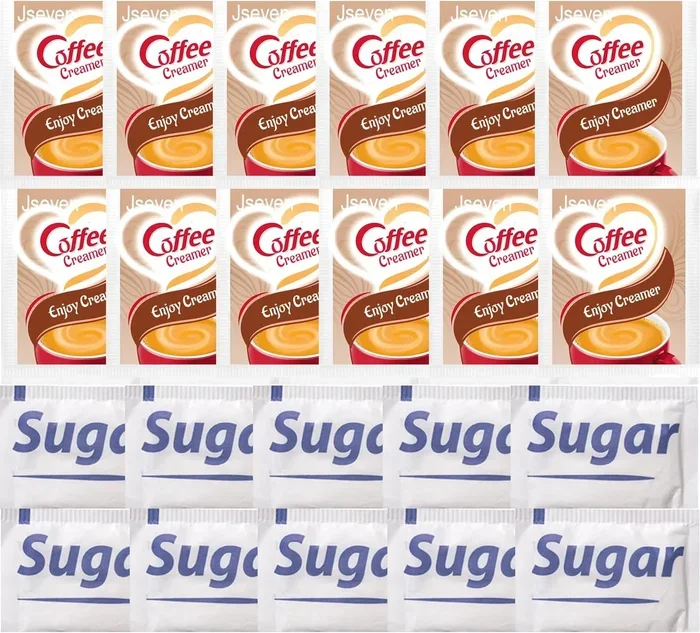
Most liquid coffee creamers pack a surprising amount of added sugar into every serving. A single tablespoon can contain 3 to 5 grams of sugar, which adds up fast if you pour multiple servings. Powdered and non-dairy creamers often hide even more sweeteners to improve taste and texture. Reading nutrition labels and choosing unsweetened creamers can help you control your daily sugar intake without giving up your favorite morning brew.
Many people start their day with a hot cup of coffee and a splash of creamer. It feels like a small, harmless habit. Yet that little pour can hide a surprising amount of sugar. If you have ever looked at the back of a creamer bottle and wondered what all those numbers mean, you are not alone. The sugar content in coffee creamer varies a lot by brand, flavor, and type. Some options are light and simple. Others taste more like dessert than a coffee add-in.
This guide breaks down exactly what is in your creamer. We will look at liquid creamers, powdered creamers, and non-dairy choices. You will learn how to read labels, compare serving sizes, and pick lower-sugar options that still taste great. Whether you drink one cup a day or several, knowing what you add to your coffee can help you make smarter choices without losing the flavor you love.
Key Takeaways
- Standard serving size: Most creamers list 1 tablespoon as a serving, but many people pour 2 to 3 tablespoons per cup.
- Sugar ranges widely: Flavored creamers often contain 4 to 8 grams of sugar per tablespoon, while original versions may have 1 to 3 grams.
- Powdered creamers: These often use corn syrup solids and can contain 5 to 7 grams of sugar per serving.
- Non-dairy and plant-based options: Many still add cane sugar or syrups, so check the ingredient list carefully.
- Label reading matters: Look for “added sugars” on the nutrition panel and scan for syrup, dextrose, or cane sugar in the ingredients.
- Lower-sugar swaps: Unsweetened almond milk, heavy cream, or sugar-free creamers can cut added sugar dramatically.
- Portion control helps: Measuring your creamer instead of free-pouring keeps sugar intake predictable and manageable.
📑 Table of Contents
- How Much Sugar Is in Coffee Creamer: The Basics
- Liquid Creamers and Sugar Content
- Powdered Creamers and Sugar Content
- Non-Dairy and Plant-Based Creamers
- Sugar-Free and Low-Sugar Creamer Options
- How to Read Labels and Make Smarter Choices
- Expert Insights and Practical Tips
- Comparison Table: Creamer Types and Typical Sugar
- Conclusion
How Much Sugar Is in Coffee Creamer: The Basics
The short answer is that it depends on the creamer. A typical liquid coffee creamer lists one tablespoon as a serving. That single tablespoon often contains 3 to 5 grams of sugar. Flavored versions, like vanilla or caramel, can climb higher. Some reach 6 to 8 grams per tablespoon. Powdered creamers can be similar or higher because they often use corn syrup solids to keep the powder smooth and mixable.
The tricky part is that most people do not stop at one tablespoon. If you pour two or three tablespoons into a large mug, the added sugar adds up quickly. Three tablespoons of a creamer with 5 grams of sugar each gives you 15 grams of sugar before you even taste the coffee. That is a meaningful chunk of the daily limit many health groups suggest.
Why Creamers Contain Sugar
Sugar is not just there for sweetness. It also helps with texture and mouthfeel. A creamer needs to blend smoothly into hot coffee without separating. Sugar and corn-based sweeteners help create that creamy consistency. They also balance bitterness and round out the flavor. That is why even “original” creamers often include some sugar, while flavored ones use more.
Serving Size Reality Check
The label tells one story. Your mug tells another. Many creamers suggest a 1 tablespoon serving, but real-life pouring is often bigger. Some people free-pour without measuring. Others use a heaping spoonful. If you want a clear picture of your daily sugar intake, measure your creamer for a few days. You may be surprised by how much you actually use.
Liquid Creamers and Sugar Content
Liquid coffee creamers are the most common type found in fridges and on shelves. They come in original, sweetened, and flavored varieties. The nutrition facts label is your best friend here. Look at the line for total sugars and the line for added sugars. Total sugars include any naturally occurring sugar, while added sugars show what the maker put in on purpose.
Visual guide about coffee creamer sugar cubes
Image source: storied-goods.com
Here is a general idea of what you might see. These are not exact numbers for every brand, but they show the typical range.
Original liquid creamer: about 1 to 3 grams of sugar per tablespoon.
Sweetened original: about 3 to 5 grams per tablespoon.
Flavored creamers: about 4 to 8 grams per tablespoon.
Sugar-free creamers: 0 grams of sugar, but they may use artificial sweeteners or natural zero-calorie sweeteners.
Flavored Creamers and Hidden Sweetness
Vanilla, hazelnut, caramel, and seasonal flavors often taste like a treat. That is because they are closer to a treat than a plain creamer. Flavored coffee creamers usually rely on cane sugar, corn syrup, or syrup solids to deliver that smooth, sweet taste. Some also include natural or artificial flavors to boost the profile. If you love a sweet mug, try using less flavored creamer and adding a dash of cinnamon or vanilla extract instead. You get the aroma with less sugar.
Dairy vs. Non-Dairy Liquid Creamers
Traditional dairy-based creamers often use milk or cream and may have less added sugar if they are plain. Non-dairy creamers are usually plant-oil based and may include more stabilizers and sweeteners. Some plant-based creamers use almond, oat, or coconut bases. These can be lower in sugar, but many still add sweeteners for taste. Always check the ingredient list, not just the front of the bottle. Words like “sweetened,” “vanilla syrup,” or “cane sugar” tell you there is added sugar inside.
Powdered Creamers and Sugar Content
Powdered coffee creamer is popular because it stores well and mixes easily. It is often used in offices, camping kits, and bulk pantries. The powder form needs ingredients that keep it dry and free-flowing. That is why many powdered creamers use corn syrup solids and vegetable oil solids. These ingredients also bring sugar into the mix.
Visual guide about coffee creamer sugar cubes
Image source: irepo.primecp.com
A typical powdered creamer can contain 5 to 7 grams of sugar per serving. Some versions are higher. Some are lower. The serving size is usually one teaspoon or one tablespoon, so read the label carefully. If the serving is one teaspoon, but you use a tablespoon, you are getting three times the sugar listed.
How Powdered Creamers Differ From Liquid
Powdered creamers often taste a bit sweeter than plain liquid creamers because the dry form concentrates the sweet taste. They also dissolve quickly in hot coffee. That convenience is nice, but it can lead to overpouring. Since the powder is light and airy, a spoonful can look small while still delivering a solid sugar hit. If you use powdered creamer, try leveling the spoon instead of heaping it.
Ingredients to Watch For
Scan the ingredient list for these common sugar sources:
- Corn syrup solids
- Cane sugar
- Dextrose
- Maltodextrin
- Fructose
- Sucrose
If you see these near the top of the list, the creamer likely has more sugar than you expect. Ingredients are listed by weight, so the earlier a sweetener appears, the more the product contains.
Non-Dairy and Plant-Based Creamers
Non-dairy creamers have grown a lot in recent years. People choose them for taste, storage, or dietary reasons. Some are fully plant-based. Others are labeled non-dairy but still contain caseinate or other milk-derived ingredients, so check if you have allergies or follow a vegan diet.
Visual guide about coffee creamer sugar cubes
Image source: m.media-amazon.com
Many plant-based creamers use almond milk, oat milk, coconut milk, or soy as the base. Some are unsweetened and very low in sugar. Others add cane sugar, brown rice syrup, or barley malt for a smoother taste. An unsweetened almond milk creamer might have less than 1 gram of sugar per tablespoon. A sweetened oat creamer might have 4 to 6 grams. The range is wide, so label reading matters.
Unsweetened vs. Sweetened Plant Creamers
Unsweetened versions are the simplest choice if you want to limit sugar. They often taste milder, so you may want to add a pinch of cinnamon, a drop of vanilla, or a tiny drizzle of honey if you need a little sweetness. Sweetened plant creamers can be delicious, but they behave like flavored dairy creamers. They bring added sugar and sometimes extra calories.
Sugar-Free and Low-Sugar Creamer Options
If you want to cut back, sugar-free creamers are one path. These products use artificial sweeteners or natural zero-calorie sweeteners like stevia or monk fruit. They can taste very close to regular creamers, though some people notice a slight aftertaste. Sugar-free does not always mean calorie-free, so still check the label if you track calories.
Another option is to switch to heavy cream or half-and-half in small amounts. Plain dairy cream has very little sugar naturally. Heavy cream has about 0.5 grams of sugar per tablespoon. Half-and-half has a bit more, but still far less than many sweetened creamers. These options give richness without a big sugar load.
Simple Swaps to Lower Sugar
You do not have to give up creaminess to reduce sugar. Try these swaps:
- Use unsweetened almond milk for a light, low-sugar splash.
- Try a small splash of heavy cream for richness with minimal sugar.
- Choose unsweetened oat or coconut creamer and add your own spice.
- Pick sugar-free vanilla creamer if you want sweetness without the sugar.
- Add a pinch of cinnamon, nutmeg, or cocoa powder for flavor without sweeteners.
How to Read Labels and Make Smarter Choices
The nutrition label tells the real story. Start with the serving size. Then look at total sugars and added sugars. Added sugars are the ones you want to watch because they are the sweeteners added during processing. If a creamer has 4 grams of added sugar per tablespoon and you use three tablespoons, that is 12 grams of added sugar in one mug.
Next, scan the ingredient list. Shorter lists are often easier to understand. Look for familiar ingredients and watch for syrups, dextrose, and cane sugar. If you see “natural flavors,” that does not always mean sugar, but it can hide sweetness in some products. When in doubt, choose the plainest version and flavor it yourself.
Quick Label-Reading Checklist
- Check the serving size first.
- Find added sugars on the nutrition panel.
- Look for sugar sources in the ingredient list.
- Compare flavored vs. original versions side by side.
- Notice if the serving is a teaspoon or a tablespoon.
- Choose unsweetened when you want the lowest sugar option.
Common Mistakes to Avoid
People often assume “creamer” means “just a little bit of sugar.” That is not always true. Another common mistake is ignoring serving size. A product with 2 grams of sugar per teaspoon becomes 6 grams per tablespoon. Free-pouring is another trap. Without a measuring spoon, it is easy to pour two or three servings without noticing. Finally, do not assume “plant-based” means low sugar. Many plant creamers are sweetened just like dairy creamers.
Expert Insights and Practical Tips
Small changes can make a big difference over time. If you drink coffee every day, the sugar from creamer can become a steady source of added sugar in your diet. Cutting back by half a tablespoon or switching to an unsweetened option can lower your intake without much effort. Many people find that after a week or two, their taste buds adjust and they enjoy coffee with less sweetness.
You can also rotate your options. Use a sweetened creamer on weekends and an unsweetened one on busy weekdays. Or keep a sugar-free vanilla on hand for mornings when you want a treat. Variety helps you enjoy your coffee while keeping sugar in check.
Quick Tips for Lower-Sugar Coffee
- Measure your creamer for a few days to learn your real portion.
- Start with half the usual amount and add more only if needed.
- Choose original or unsweetened versions more often than flavored ones.
- Flavor coffee with cinnamon, vanilla, or a pinch of salt instead of sugar.
- Keep a sugar-free creamer as a backup for sweet cravings.
- Read the label each time you buy a new brand, since recipes change.
Comparison Table: Creamer Types and Typical Sugar
This simple table shows the typical sugar range you might see. Always check your specific brand, because formulas vary.
| Creamer Type | Typical Sugar Per Tablespoon | Notes |
|---|---|---|
| Original liquid creamer | 1 to 3 grams | Mild sweetness, good baseline |
| Sweetened liquid creamer | 3 to 5 grams | Common in grocery shelves |
| Flavored liquid creamer | 4 to 8 grams | Vanilla, caramel, hazelnut, etc. |
| Powdered creamer | 5 to 7 grams | Often uses corn syrup solids |
| Unsweetened plant creamer | 0 to 1 gram | Check for “unsweetened” on label |
| Sweetened plant creamer | 3 to 6 grams | Oat and coconut bases vary |
| Heavy cream | About 0.5 grams | Rich, low sugar, high fat |
| Half-and-half | About 1 gram | Creamy, moderate calories |
Conclusion
So, how much sugar is in coffee creamer? The answer depends on the type, flavor, and serving size. A plain liquid creamer may have only a few grams per tablespoon. A flavored or powdered version can bring more. The key is to know what you are pouring. Read the nutrition label, watch the added sugars, and measure your portions. Small changes add up. Choosing an unsweetened creamer, using less per cup, or trying a sugar-free option can help you enjoy coffee without the extra sugar. Your morning cup can still taste rich and satisfying. It just takes a little awareness and a few smart swaps.
Frequently Asked Questions
How much sugar is in a tablespoon of coffee creamer?
Most liquid creamers have about 3 to 5 grams of sugar per tablespoon, while flavored versions can reach 6 to 8 grams. Powdered creamers often sit in a similar range, but always check the label because brands vary.
Do powdered coffee creamers have more sugar than liquid ones?
They can. Powdered creamers often use corn syrup solids and may contain 5 to 7 grams of sugar per serving. The exact amount depends on the brand and serving size, so compare labels before you buy.
Are non-dairy creamers lower in sugar?
Not always. Some non-dairy and plant-based creamers are unsweetened and very low in sugar, while others add cane sugar or syrups just like dairy creamers. Look for “unsweetened” on the label to keep sugar low.
What is the lowest sugar coffee creamer option?
Unsweetened plant milk, heavy cream, and sugar-free creamers are usually the lowest-sugar choices. Heavy cream has only about 0.5 grams of sugar per tablespoon, making it a rich, low-sugar option.
How can I tell if my creamer has added sugar?
Check the nutrition panel for “added sugars” and scan the ingredient list for cane sugar, corn syrup, dextrose, or syrup solids. If these appear near the top, the creamer likely has more added sugar than you expect.
Can I reduce sugar in coffee without losing flavor?
Yes. Try using less creamer, switching to an unsweetened version, or adding cinnamon, vanilla, or a pinch of salt for flavor. Many people find their taste adjusts quickly, and coffee still tastes smooth and satisfying.



