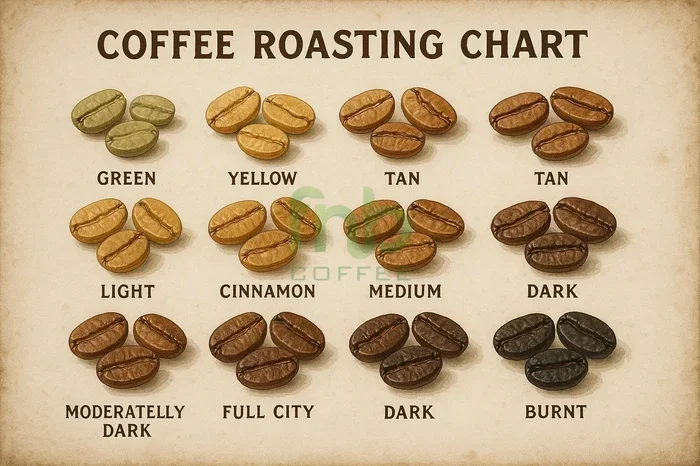
The difference between coffee roasts comes down to how long beans are heated and how that changes flavor, acidity, and body. Light roasts taste bright and fruity, medium roasts balance sweetness and richness, and dark roasts bring bold, smoky notes. Understanding these roast levels helps you pick the perfect cup for your taste. You will also learn how roast impacts caffeine and how to choose beans with confidence.
If you have ever stood in front of a coffee aisle and felt confused, you are not alone. The bags all look similar, but the words on the label can change everything. You may see light, medium, or dark printed in bold letters. You may also spot city, full city, Vienna, or French roast. These names can feel like a secret code. The good news is that they are not as complicated as they seem. Once you understand the basics, choosing coffee becomes much easier and much more fun.
At the center of it all is one simple idea. The difference between coffee roasts is mostly about heat, time, and how those two things change the bean. Roasting turns green coffee beans into the aromatic brown beans you recognize. As the beans heat up, they lose moisture, expand, and develop new flavors. The longer they roast, the more the flavor changes. That means the roast level is not just a color. It is a flavor profile, a texture, and a whole experience in the cup.
This matters because roast level can shape what you taste more than many people expect. A light roast can taste bright, floral, or fruity. A dark roast can taste bold, chocolatey, or smoky. The same coffee bean can taste very different depending on how it is roasted. If you know what each roast brings to the cup, you can match coffee to your mood, your brew method, and your taste buds. That is the real value of learning this topic. It helps you stop guessing and start enjoying.
Key Takeaways
- Light roasts keep more origin flavor, higher acidity, and a lighter body.
- Medium roasts offer a balanced taste with noticeable sweetness and smooth richness.
- Dark roasts deliver bold, smoky flavors with lower acidity and a heavier body.
- Roast level changes flavor more than caffeine, though light roasts may retain slightly more caffeine by volume.
- Bean origin, grind size, and brew method matter just as much as the roast.
- Freshly roasted beans usually taste best within a few weeks of the roast date.
- Taste is personal, so try small batches to find your ideal roast level.
📑 Table of Contents
- What Creates the Difference Between Coffee Roasts
- How Roast Level Changes Flavor, Body, and Acidity
- Does Roast Level Affect Caffeine Content
- How to Choose the Right Roast for Your Taste
- Common Roast Labels and What They Mean
- Quick Tips for Tasting Coffee Roasts
- Common Mistakes When Choosing Coffee Roasts
- Expert Insights on Roast Preference
- Final Thoughts on the Difference Between Coffee Roasts
What Creates the Difference Between Coffee Roasts
Roasting is a careful balance of heat and timing. Green coffee beans start out soft, grassy, and quite different from the final product. As they heat, a series of changes takes place. First, the beans dry out. Then they begin to change color. After that, flavor compounds develop and the bean structure shifts. If the roast continues long enough, the oils move toward the surface and the taste becomes deeper and heavier.
The main thing to remember is that roasting is not just about making beans brown. It is about shaping flavor. A shorter roast preserves more of the bean’s original character. A longer roast creates more roasted, toasty, and sometimes bitter notes. This is why two coffees from the same region can taste completely different. The roast level changes the story the bean tells.
Light Roasts and Their Flavor Profile
Light roasts are usually roasted for a shorter time. They stay closer to the bean’s natural flavors. You may notice bright acidity, lighter body, and clearer fruit or floral notes. These coffees often taste crisp and lively. They can be a great choice if you enjoy subtle flavors and want to taste the origin more clearly.
Light roasts also tend to keep more complexity. Because they are not heated as long, some of the delicate flavor notes remain intact. That can be exciting, but it also means they may not taste as smooth or bold as darker roasts. If you want a coffee that feels energetic and bright, light roast is a strong option.
Medium Roasts and Balanced Taste
Medium roasts sit in the middle of the spectrum. They usually offer a balance between acidity and body. You may get sweetness, mild fruit notes, and a smoother finish than a light roast. Many people enjoy medium roasts because they feel approachable and versatile. They can work well in many brew methods and with many taste preferences.
This roast level often brings a rounded flavor. It can taste rich without becoming too heavy. If light roasts feel too sharp and dark roasts feel too intense, medium roasts may be the sweet spot. They are often a safe starting point for people who want a friendly, balanced cup.
Dark Roasts and Bold Character
Dark roasts are heated longer and usually taste bolder. The flavor often leans toward chocolate, caramel, toast, or smoke. Acidity is typically lower, and the body can feel heavier. Some people love dark roasts because they are strong, comforting, and familiar. Others enjoy them because they pair well with milk and sugar.
A dark roast can also hide some of the bean’s original flavor. That does not make it worse. It simply means the roast itself plays a bigger role in the taste. If you want a cup that feels deep and powerful, dark roast is a natural fit. It can be especially appealing for espresso-style drinks or for anyone who likes a robust coffee experience.
How Roast Level Changes Flavor, Body, and Acidity
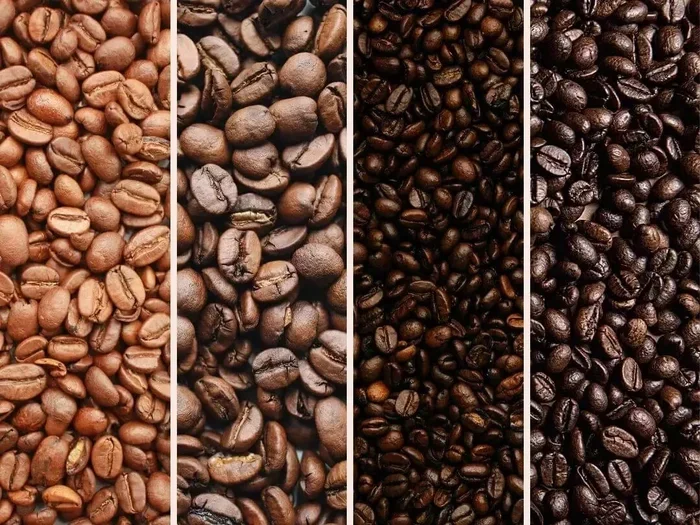
One of the easiest ways to understand coffee is to think about three parts of taste: flavor, body, and acidity. Flavor is what you smell and taste first. Body is the weight or feel of the coffee in your mouth. Acidity is the bright, lively quality that can make coffee taste crisp. Roast level affects all three.
Visual guide about fresh coffee beans different roasts
Image source: homecoffeeexpert.com
Light roasts often have more noticeable acidity and a lighter body. Their flavor can feel clean and vivid. Medium roasts usually soften the acidity and add more body. Dark roasts often reduce acidity further and create a fuller mouthfeel. None of these are better or worse by default. They are simply different experiences.
Why Some Roasts Taste Fruity or Floral
Some coffees taste like berries, citrus, or flowers. This is more common in lighter roasts, especially when the bean comes from a region known for bright flavors. The roast preserves more delicate notes instead of pushing the flavor toward toast or chocolate. If you enjoy complex and nuanced coffee, these roasts can be very rewarding.
Keep in mind that fruitiness is not only about roast. The bean’s origin and processing method matter too. Still, roast level can either highlight those notes or soften them. That is why the same coffee can seem completely different depending on how it is roasted.
Why Some Roasts Taste Smoky or Chocolatey
As the roast gets darker, the flavor tends to move toward deeper, warmer notes. You may notice cocoa, roasted nuts, caramel, or a smoky edge. These flavors can feel cozy and satisfying. They also tend to be easier to recognize for people new to specialty coffee.
This is one reason dark roasts remain popular. They offer a familiar, strong profile that many people find comforting. If you prefer a cup that tastes rich and straightforward, a darker roast may be a great match.
Does Roast Level Affect Caffeine Content
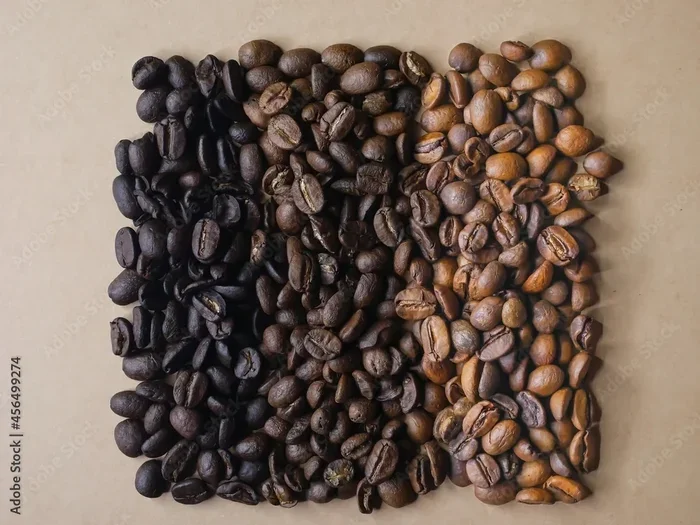
This is one of the most common questions about coffee. People often assume dark roast has more caffeine because it tastes stronger. Others believe light roast has more because it feels sharper. The truth is a little more nuanced. Caffeine does change during roasting, but the difference is usually small in everyday drinking.
Visual guide about fresh coffee beans different roasts
Image source: as1.ftcdn.net
In general, caffeine is fairly stable during roasting. However, beans lose mass and water as they roast. That means the way you measure coffee can affect the result. If you measure by scoop, lighter beans may pack differently than darker beans. If you measure by weight, the caffeine difference may be less noticeable. For most drinkers, brew method, dose, and bean type matter more than roast alone.
Light Roast and Caffeine Myths
A common myth says light roast always has much more caffeine. Another says dark roast always has less. In reality, both can be close. The bigger factor is often how much coffee you use and how you brew it. A strong cup depends on many choices, not just the color of the bean.
So if you want more caffeine, do not focus only on roast. Look at your recipe, your grind, and your brew time. Those details often make a bigger difference in the final cup.
Why Dark Roast Feels Stronger
Dark roast can taste stronger because of its bold flavor, not necessarily because it contains far more caffeine. The intense taste can create a powerful impression. That is useful if you enjoy a robust cup, but it is not the same as measuring caffeine content precisely.
This is a good example of how taste and chemistry do not always line up. Coffee can feel strong because of flavor, body, and bitterness, even when the caffeine level is similar to other roasts.
How to Choose the Right Roast for Your Taste
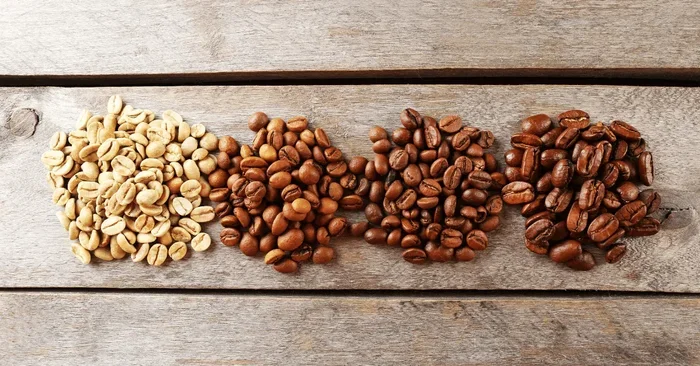
The best roast is the one you enjoy most. That sounds simple, but it helps to have a starting point. Think about what you like in other drinks or foods. Do you prefer bright flavors or deep, rich ones? Do you want a smooth cup or something with more lift and acidity? Your answers can guide you toward a roast level.
Visual guide about fresh coffee beans different roasts
Image source: fluentincoffee.com
It also helps to think about how you brew coffee. Some roasts work well in drip machines, some shine in pour-over, and some are excellent for espresso. You do not need to master every method at once. Start with one brew style and explore from there.
Good Roast Choices for Beginners
If you are new to coffee, a medium roast is often a friendly place to begin. It usually tastes balanced and is not too intense. Many everyday drinkers enjoy it because it feels familiar and smooth. If you like a little more brightness, try a light roast. If you want something bolder, try a dark roast. There is no wrong starting point.
Another helpful approach is to buy small amounts. Try a few different roasts over a week or two. Taste them side by side if you can. Your palate will notice differences more quickly when you compare them directly.
Matching Roast to Brew Method
Brew method can change how a roast tastes. A light roast may taste delicate in a drip brew but more vivid in a pour-over. A dark roast can taste smooth and strong in espresso drinks or rich in a French press. The method affects extraction, so the same bean can feel different in another cup.
If you use a simple home brewer, try a roast that matches your equipment. If you enjoy manual brewing, you may have more room to experiment. Either way, the goal is the same: find a combination that makes your daily cup more enjoyable.
Common Roast Labels and What They Mean
Coffee bags often use names that sound technical. You may see terms like city roast, full city, Vienna, French, or Italian roast. These labels can be helpful, but they are not always used the same way by every roaster. That means the name alone is not enough. You still need to look at the flavor description and the roast level.
A lighter city-style roast is usually closer to a light or medium-light roast. Darker names like French or Italian usually point to a darker finish. Still, the best clue is often the tasting notes. Words like citrus, berry, or tea-like suggest a lighter roast. Words like chocolate, smoke, or spice often suggest a darker one.
Why Roaster Descriptions Matter More Than Names
Roasters use different styles and machines. One shop’s medium roast may taste different from another shop’s medium roast. That is normal. The label gives you a hint, but the description tells you more. If a bag says bright, juicy, or acidic, expect a lighter feel. If it says bold, smoky, or bittersweet, expect a darker profile.
This is why reading the bag can be so useful. You do not need to memorize every roast term. You just need to learn how to connect the words on the label with the flavor you want.
Freshness and Roast Date
Roast level is important, but freshness matters too. Coffee usually tastes best when it is not too old. After roasting, beans need a little time to settle, but they also lose aroma over time. If you want the clearest flavor, pay attention to the roast date when possible.
Fresh coffee can make a noticeable difference, especially with lighter roasts. The flavors can feel more lively and detailed. Darker roasts can also benefit from freshness, though their bolder profile may stay pleasant a bit longer. Either way, good storage helps preserve quality.
Quick Tips for Tasting Coffee Roasts
Tasting coffee is easier when you slow down a little. Try these simple habits:
- Smell first. Aroma gives you a preview of the flavor.
- Sip slowly. Let the coffee spread across your tongue.
- Notice acidity. Ask yourself if the cup feels bright or mellow.
- Pay attention to body. Is it light, smooth, or heavy?
- Compare two roasts. Side-by-side tasting makes differences clearer.
These small steps can help you learn faster. You do not need fancy tools. You just need a little attention and a willingness to notice what you enjoy.
Common Mistakes When Choosing Coffee Roasts
A few common mistakes can make coffee shopping harder than it needs to be. Avoiding them can save time and improve your cups.
- Assuming dark roast is always stronger in caffeine. Flavor strength and caffeine are not the same thing.
- Picking only by color. Color helps, but flavor notes matter more.
- Ignoring brew method. The same roast can taste different in another brewer.
- Buying huge bags before trying a small amount. Tasting first is safer and smarter.
- Forgetting freshness. Old coffee can taste flat, even at the right roast level.
If you keep these pitfalls in mind, you will make better choices and waste less coffee.
Expert Insights on Roast Preference
Experienced coffee drinkers often say the best roast is the one that fits your routine. Some people want a bright morning cup that wakes them up. Others want a smooth cup they can sip slowly. Some like a bold base for milk drinks. There is room for all of it.
Another useful insight is that personal taste changes. You may enjoy light roasts one season and darker ones another. That is normal. Coffee preference is not fixed. It can evolve as your palate changes and as you try new beans. The more you explore, the more confident you become.
Final Thoughts on the Difference Between Coffee Roasts
Learning the difference between coffee roasts opens the door to better coffee choices. Light roasts tend to be brighter and more delicate. Medium roasts offer balance and sweetness. Dark roasts bring boldness and deeper roasted flavors. Each level has its own strengths, and each can be delicious in the right context.
The best part is that you do not need to become an expert overnight. Start with what you already enjoy. Try a few roasts. Notice the flavor, body, and acidity. Over time, you will build a clear sense of what you like. That makes every cup more satisfying. Coffee is meant to be enjoyed, and roast level is one of the easiest ways to shape that enjoyment.
Frequently Asked Questions
What is the main difference between coffee roasts?
The main difference between coffee roasts is how long the beans are heated and how that changes flavor, acidity, and body. Light roasts keep more original bean flavor, medium roasts are more balanced, and dark roasts taste bolder and richer.
Do light roasts taste better than dark roasts?
Not necessarily. Light roasts are not better or worse than dark roasts. They simply offer different flavor experiences. Light roasts often taste brighter and more complex, while dark roasts taste stronger and smoother.
Which coffee roast has the most caffeine?
The caffeine difference between roasts is usually small. Light roasts may retain slightly more caffeine by volume in some cases, but brew method, dose, and bean type often matter more than roast level alone.
Why do some coffee roasts taste smoky or bitter?
Darker roasts taste smoky or bitter because the beans are heated longer, which creates deeper roasted flavors. This can be pleasant and bold, but it can also reduce some of the bean’s original sweetness and brightness.
How do I know which roast I should buy?
Choose a roast based on your taste preferences. If you like bright, fruity flavors, try a light roast. If you want balance, try a medium roast. If you prefer bold, chocolatey coffee, try a dark roast. Tasting small batches can help you decide.
Does roast level matter for espresso?
Yes, roast level can affect how coffee tastes as espresso. Darker roasts are often chosen for a bold, smooth shot, while lighter roasts can taste more complex and acidic. The best choice depends on whether you want a strong, classic espresso or a brighter, more layered flavor.