Does coffee affect blood sugar? Yes, caffeine can temporarily raise glucose levels and reduce insulin sensitivity in some people. However, the effect varies based on your health, how much you drink, and what you add to your cup. Understanding this link helps you manage energy and metabolic health better.
Key Takeaways
- Caffeine can spike blood sugar: It may cause a short-term rise in glucose, especially in people with diabetes.
- Insulin sensitivity drops temporarily: Caffeine can make your cells less responsive to insulin for a few hours.
- Additives matter most: Sugar, syrups, and creamers often impact blood sugar more than the coffee itself.
- Black coffee is lower risk: Unsweetened coffee has minimal direct impact on glucose for most healthy people.
- Timing plays a role: Drinking coffee right before or after meals can change how your body handles carbs.
- Decaf is a safer option: Removing caffeine reduces the glucose-raising effect while keeping antioxidants.
- Personal response varies: Genetics, tolerance, and activity level all change how coffee affects your numbers.
📑 Table of Contents
- How Does Coffee Affect Blood Sugar Levels?
- The Role of Caffeine in Insulin Sensitivity
- Does Black Coffee Raise Blood Sugar?
- What You Add to Your Coffee Matters More
- Timing Your Coffee for Better Blood Sugar Control
- Coffee, Diabetes, and Long-Term Metabolic Health
- Quick Tips for Enjoying Coffee Without Spikes
- Expert Insights on Coffee and Glucose
- Key Takeaways
How Does Coffee Affect Blood Sugar Levels?
Many people start their day with a hot cup of coffee. It wakes you up and gives you a boost of energy. But if you track your glucose or manage diabetes, you might wonder about the link between your favorite drink and your numbers. The short answer is yes, coffee can influence blood sugar, but the story is a bit more nuanced.
Caffeine is the main active compound in coffee. It stimulates your nervous system and triggers the release of stress hormones like adrenaline. These hormones tell your liver to release stored glucose into your bloodstream. This natural response gives you a quick energy push, but it can also cause a temporary rise in blood sugar levels.
For most healthy people, this spike is small and short-lived. Your body handles it easily with normal insulin function. However, if you have insulin resistance or diabetes, that same spike can linger longer and feel more noticeable. The key is understanding how your own body reacts and making small adjustments to keep your levels steady.
What the Research Says About Caffeine and Glucose
Scientists have studied this topic for years. Many studies show that caffeine can reduce insulin sensitivity by about 15 to 20 percent in the short term. This means your cells do not take up glucose as quickly after you drink it. The effect usually peaks within one to two hours and fades as the caffeine leaves your system.
Other research points out that long-term coffee drinkers may actually have better glucose control over time. This seems confusing at first, but it makes sense when you look at the whole picture. Coffee is rich in antioxidants and polyphenols. These plant compounds help reduce inflammation and support metabolic health. So, while caffeine may cause a brief bump, the overall beverage can still fit well into a balanced routine.
The takeaway is simple. Short-term effects and long-term habits are not the same thing. A single cup might nudge your numbers up for a few hours. Regular, moderate consumption as part of a healthy lifestyle may support better metabolic balance over months and years.
Why Black Coffee and Sweetened Coffee Differ So Much
The coffee itself is only part of the equation. What you put in your cup often matters more for blood sugar than the brew. Black coffee contains almost no calories and zero carbohydrates. It has a very mild effect on glucose for most people.
Once you add sugar, flavored syrups, sweetened creamers, or even some plant milks, the carbohydrate load jumps up. Those additions break down into glucose quickly and can cause a much larger spike than the caffeine ever would. A latte with flavored syrup can easily contain as many carbs as a small dessert.
If you want to keep your numbers stable, focus on the extras first. Try swapping sugary add-ins for unsweetened options. A splash of plain milk or a sugar-free creamer can give you creaminess without the glucose surge. Small changes here often make the biggest difference in your daily readings.
The Role of Caffeine in Insulin Sensitivity
Insulin is the hormone that helps move glucose from your blood into your cells. When insulin sensitivity drops, your body has to work harder to clear sugar from your bloodstream. Caffeine can temporarily blunt this process, which is why some people notice higher readings after their morning cup.
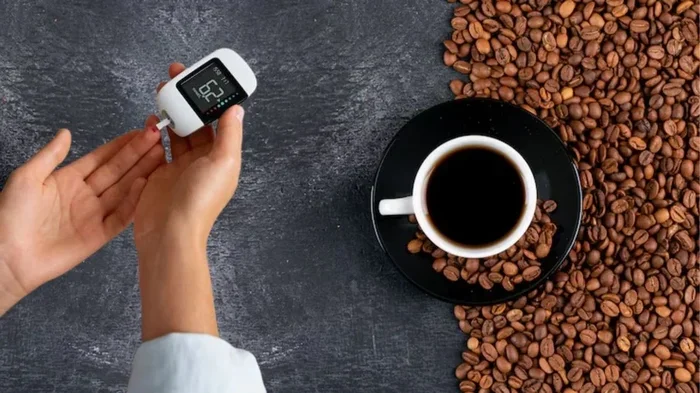
Visual guide about black coffee blood sugar test
Image source: img-cdn.publive.online
This effect is not permanent. Your body adapts to caffeine over time, and regular drinkers often experience a smaller impact than occasional consumers. Still, if you are prone to blood sugar swings, it helps to know when caffeine might be working against you.
How Adrenaline and Stress Hormones Play a Part
Caffeine triggers your adrenal glands to release adrenaline and cortisol. These hormones prepare your body for action. One of their jobs is to make sure you have enough fuel available, so they signal your liver to release glucose. This is helpful if you are running a race or facing a real threat. It is less helpful if you are sitting at a desk and trying to keep your levels flat.
Stress hormones also make your cells temporarily less responsive to insulin. The combination of more glucose in your blood and less insulin action creates a short-term rise. For people without metabolic issues, this is usually harmless. For those managing diabetes or prediabetes, it can show up clearly on a monitor.
Who Feels the Strongest Effect?
Not everyone reacts the same way. Several factors change how much caffeine affects your glucose. Your current insulin sensitivity is a big one. If your cells already struggle to use insulin well, caffeine can make that struggle more noticeable. Your caffeine tolerance matters too. A person who drinks three cups a day may feel less of a glucose shift than someone who has one cup once a week.
Genetics also play a role. Some people metabolize caffeine quickly, while others process it slowly. Slow metabolizers keep caffeine in their system longer, which can extend the window of insulin resistance. Activity level, sleep quality, and overall diet all add to the picture as well.
Does Black Coffee Raise Blood Sugar?
This is one of the most common questions people ask. The honest answer is that plain black coffee has a very small direct impact on blood sugar for most healthy individuals. It contains negligible carbohydrates and almost no calories. The main concern is the caffeine content, not the liquid itself.

Visual guide about black coffee blood sugar test
Image source: i.ytimg.com
If you drink black coffee on an empty stomach, some people notice a mild rise in glucose. Others see no change at all. The response depends on your personal metabolism and how sensitive you are to caffeine. If you pair black coffee with a balanced meal, the effect usually blends into the normal post-meal glucose curve.
When to Choose Decaf Instead
Decaf coffee is a smart option if you want the taste and antioxidants without the caffeine-driven glucose bump. The decaffeination process removes most of the caffeine, which removes the main trigger for that short-term insulin resistance. You still get the rich flavor and many of the beneficial plant compounds.
Decaf can be especially helpful for people who drink coffee later in the day or right before meals. It lets you enjoy the ritual without worrying as much about a spike. If you are trying to fine-tune your numbers, swapping one or two regular cups for decaf is a simple experiment worth trying.
What You Add to Your Coffee Matters More
If blood sugar is your main concern, look at the add-ins before you blame the brew. Coffee is a blank canvas, and many popular toppings are loaded with fast-acting carbohydrates. These ingredients digest quickly and push glucose up faster than caffeine ever could.

Visual guide about black coffee blood sugar test
Image source: coffeexplore.com
Common culprits include table sugar, flavored syrups, sweetened condensed milk, honey, agave, and many store-bought creamers. Even some oat milks and almond milks contain added sugars or starches that can raise glucose. Reading labels helps you spot hidden carbs before they hit your cup.
Smarter Swaps for Stable Glucose
You do not have to drink bitter black coffee if you dislike it. There are many ways to make your cup enjoyable while keeping blood sugar in check. Try these simple swaps:
- Use unsweetened milk or cream: Plain dairy milk, unsweetened almond milk, or a small amount of heavy cream add richness without a big sugar load.
- Choose low-glycemic sweeteners: Options like stevia or monk fruit add sweetness with little to no impact on glucose for most people.
- Flavor with spices: Cinnamon, nutmeg, vanilla extract, or a pinch of cocoa powder can make coffee taste special without adding carbs.
- Watch portion sizes: Even lower-carb add-ins can add up if you use a lot. Start small and adjust to your taste.
- Try cold brew: Cold brew often tastes smoother and less acidic, which can make it easier to enjoy with fewer add-ins.
Timing Your Coffee for Better Blood Sugar Control
When you drink coffee can be just as important as what is in it. Caffeine has a half-life of several hours, which means it stays active in your body long after you finish your cup. If you drink it right before a carbohydrate-heavy meal, you may see a larger post-meal rise than usual.
Many people find that spacing coffee away from meals helps smooth out their numbers. For example, having your cup between meals instead of directly with breakfast can reduce the overlap between caffeine-induced glucose release and food-derived glucose. This is not a hard rule for everyone, but it is a useful pattern to test.
Coffee Before or After Workouts
Exercise changes how your body handles glucose. Physical activity makes your cells more sensitive to insulin and helps clear sugar from your blood. If you drink coffee before a workout, the caffeine may give you an energy boost and improve performance. The exercise then helps counteract any temporary insulin resistance from the caffeine.
Some people prefer to wait until after training to have their coffee. Others use it as a pre-workout drink and then eat a balanced meal afterward. Both approaches can work. The best choice depends on your goals, your tolerance, and how your glucose responds on active days.
Morning Routine Tips for Stable Numbers
If you check your glucose in the morning, you may notice that your numbers vary from day to day. Sleep quality, stress, and what you ate the night before all matter. Coffee can be one more variable in that mix. A few simple habits can help you keep things predictable:
- Test before and after coffee: Seeing your own pattern is the fastest way to learn your personal response.
- Pair coffee with protein and fiber: A balanced breakfast slows down glucose absorption and offsets caffeine’s effects.
- Stay hydrated: Coffee has a mild diuretic effect, and good hydration supports healthy metabolism.
- Keep your routine consistent: Similar timing and similar add-ins make your numbers easier to interpret.
Coffee, Diabetes, and Long-Term Metabolic Health
People with diabetes often worry that coffee is off-limits. That is not true for most people. Moderate coffee consumption can fit into a diabetes-friendly plan when you pay attention to portions, timing, and add-ins. The goal is not to eliminate coffee but to make it work for your body.
Some long-term studies suggest that regular coffee drinkers have a lower risk of developing type 2 diabetes compared to non-drinkers. Researchers believe the antioxidants, anti-inflammatory compounds, and other plant chemicals in coffee may support better insulin function over time. Again, this does not cancel out the short-term caffeine effect, but it shows that coffee is not simply a problem for blood sugar.
Practical Guidelines for People Managing Diabetes
If you live with diabetes or prediabetes, a few practical steps can help you enjoy coffee without unwanted spikes:
- Start with black coffee or decaf: This gives you a low-carb base and lets you control the variables.
- Limit added sugar: Even a teaspoon or two can add up over several cups.
- Monitor your response: Check your levels before and after drinking coffee to learn your personal pattern.
- Avoid large doses on an empty stomach: A smaller cup with food is often gentler on glucose than a large drink on an empty stomach.
- Talk to your care team: If you notice consistent spikes, your doctor or dietitian can help you adjust your plan.
Common Mistakes People Make
A few habits can make coffee harder on blood sugar than it needs to be. Watch out for these common traps:
- Assuming all coffee drinks are equal: A plain brew and a sugary frappucino-style drink affect glucose very differently.
- Ignoring hidden sugars in creamers and milks: Flavored and sweetened options can sneak in extra carbs.
- Drinking huge servings: More caffeine means a stronger temporary effect on insulin sensitivity.
- Changing too many things at once: If you swap beans, add-ins, and timing all in one day, you cannot tell what changed your numbers.
- Forgetting the rest of the day: Sleep, stress, movement, and meals all interact with coffee and glucose.
Quick Tips for Enjoying Coffee Without Spikes
You can keep your coffee ritual and still support steady blood sugar. Here are some quick, practical tips you can try this week:
- Choose smaller cups: A modest serving keeps caffeine lower and makes add-in control easier.
- Go easy on syrups: One pump instead of three can cut carbs significantly.
- Add cinnamon for flavor: It adds warmth and may offer mild metabolic benefits without raising glucose.
- Try half-caff: Mixing regular and decaf reduces caffeine while keeping the taste you like.
- Eat a balanced breakfast: Protein, fiber, and healthy fats help blunt glucose swings.
- Track your pattern: A simple notebook or app can reveal your personal coffee-glucose connection.
Expert Insights on Coffee and Glucose
Health experts generally agree that coffee is safe for most people when consumed in moderation. The main advice is to personalize it. Your body, your health status, and your daily habits all matter. What works for one person may not work for another, so self-observation is valuable.
Experts also emphasize that coffee is just one piece of the puzzle. Overall diet quality, physical activity, sleep, and stress management have a much larger impact on blood sugar over time. If coffee fits into a balanced lifestyle, it can stay part of your routine without causing harm for most people.
If you have a specific condition or take medication that affects glucose, it is always wise to check with a healthcare professional. They can help you interpret your readings and make adjustments that match your needs.
Key Takeaways
Coffee and blood sugar have a real but manageable connection. Caffeine can cause a short-term rise in glucose and a temporary drop in insulin sensitivity, especially in people who are sensitive or who have diabetes. The bigger driver of spikes is often what you add to the cup, not the coffee itself. Black coffee and decaf are gentler choices, and smart add-ins can keep your drink enjoyable without a big sugar load. Timing, portion size, and personal monitoring help you find the balance that works for you.
If you are curious about how your body responds, start with a simple experiment. Try a cup of black coffee or decaf, note your numbers, and compare that to a sweetened drink. Small changes often lead to big improvements in how you feel and how steady your levels stay.
Frequently Asked Questions
Does coffee raise blood sugar immediately?
It can cause a temporary rise within one to two hours, mainly because caffeine triggers adrenaline and releases stored glucose. The effect is usually mild for healthy people but may be more noticeable if you have insulin resistance or diabetes.
Is black coffee safe for people with diabetes?
Yes, plain black coffee is generally safe for most people with diabetes because it has almost no carbs or calories. The main caution is caffeine’s short-term effect on insulin sensitivity, so monitoring your own response is a smart idea.
Does decaf coffee affect blood sugar less than regular coffee?
Decaf usually has less impact because most of the caffeine is removed, and caffeine is the main driver of the temporary glucose rise. You still get the flavor and many antioxidants without as much of the short-term insulin blunting effect.
What in coffee makes blood sugar go up?
Caffeine is the main compound that can nudge blood sugar up by stimulating stress hormones and reducing insulin sensitivity for a short time. Added sugars, syrups, sweetened creamers, and some milks can raise glucose even more than the caffeine itself.
Can I drink coffee before a blood sugar test?
It is usually best to follow your provider’s instructions, since coffee can temporarily affect glucose and may interfere with some test results. If you are fasting for a test, plain water is often the safest choice until you get clear guidance.
How many cups of coffee are okay for blood sugar control?
Moderation matters, and many people do well with one to three cups per day when they keep add-ins low and watch their personal response. If you notice consistent spikes, reducing portion size, switching to decaf, or adjusting timing can help.