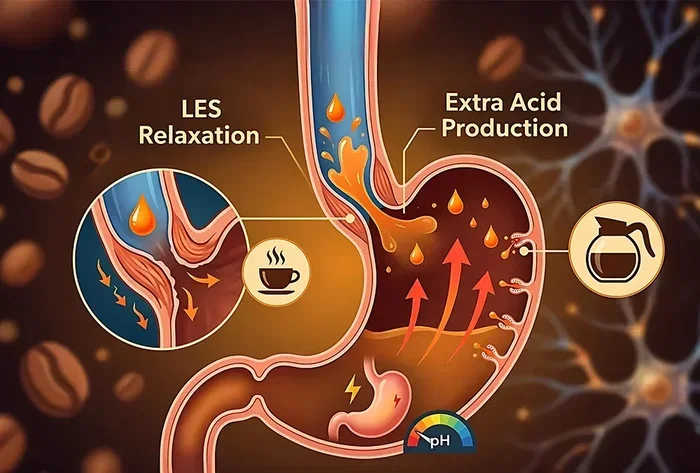
Coffee often triggers acid reflux for many people. The caffeine and acids in your cup can relax the esophageal sphincter and increase stomach acid. However, low-acid options and smart brewing choices may let you enjoy coffee without the burn. This guide breaks down the science and offers practical ways to manage your symptoms.
Key Takeaways
- Coffee can worsen reflux: Caffeine relaxes the valve between your stomach and esophagus, allowing acid to escape upward.
- Acidity matters: Regular coffee is naturally acidic, which can irritate an already sensitive esophagus.
- Dark roasts may be gentler: Longer roasting breaks down some acids, making dark roasts easier on the stomach for some drinkers.
- Cold brew is less acidic: Steeping coffee in cold water extracts fewer acids, offering a smoother option for reflux sufferers.
- Decaf is not a perfect fix: Removing caffeine helps, but some acids remain, so symptoms may still occur.
- Timing and portion size count: Drinking small amounts and avoiding coffee on an empty stomach can reduce flare-ups.
- Listen to your body: Everyone reacts differently, so track your symptoms and adjust your habits accordingly.
📑 Table of Contents
Introduction
You wake up craving that warm, rich cup of coffee. It smells amazing and gives you a quick energy boost. But then the familiar burning sensation starts in your chest. If you deal with acid reflux, you have probably asked yourself whether your favorite drink is helping or hurting.
The short answer is that coffee often makes reflux worse. Yet the full story is a bit more nuanced. Not every cup affects every person the same way. Small changes in how you brew, what you choose, and when you drink can make a big difference. In this article, we will walk through what the science says and share simple tips you can try today.
Does Coffee Help With Acid Reflux or Make It Worse?
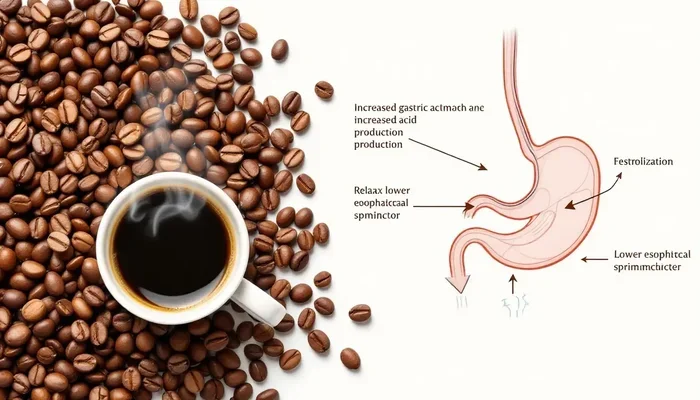
Visual guide about coffee cup acid reflux concept
Image source: images.surferseo.art
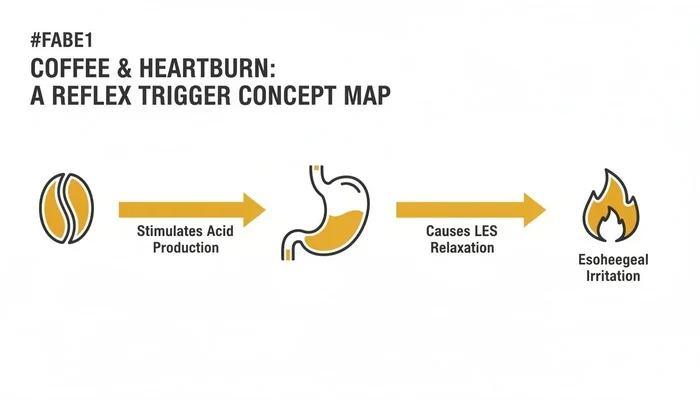
Most people find that coffee triggers their symptoms rather than helps them. The main reason is caffeine. Caffeine relaxes the lower esophageal sphincter, which is the tight band of muscle that keeps stomach contents from moving back up. When that muscle loosens, acid can creep into the esophagus and cause heartburn.
Coffee also contains natural acids. Even without caffeine, those acids can irritate a sensitive throat or esophagus. If you already have inflammation, a hot, acidic drink can feel uncomfortable fast. That is why many reflux sufferers notice burning soon after their first sip.
Some people do tolerate coffee well. Their bodies may handle the caffeine and acids without a flare-up. Others feel symptoms after just a few sips. The difference often comes down to how much you drink, what kind of coffee you choose, and how sensitive your digestive system is. If you want to enjoy coffee without the pain, you need a plan that fits your own body.
Why Caffeine Plays a Big Role
Caffeine is a stimulant. It wakes up your brain and gives you energy. It also relaxes smooth muscles in your body, including the valve that guards your esophagus. When that valve opens too easily, acid escapes upward. This is one of the main reasons people link coffee to heartburn.
Caffeine can also increase stomach acid production. More acid means more potential for reflux when the valve is relaxed. If you drink a large, strong cup on an empty stomach, the effect can be stronger. Smaller servings and milder blends tend to be easier to handle.
How Coffee Acidity Affects Your Stomach
Coffee naturally contains several acids. These give coffee its bright, tangy flavor. They also lower the pH of the drink, making it more acidic. For someone with a healthy esophagus, this is usually fine. For someone with reflux, that extra acidity can sting.
The roasting process changes the acid profile. Darker roasts tend to have slightly less of certain acids than lighter roasts. The heat of a long roast breaks down some compounds. That does not make dark coffee neutral, but it can make it feel gentler for some people. If light roasts bother you, a darker roast might be worth a try.
What the Research Says About Coffee and Heartburn
Visual guide about coffee cup acid reflux concept
Image source: cdn.outrank.so
Studies on coffee and reflux show mixed results, but a clear pattern emerges. Many people report worse symptoms after drinking coffee. Some clinical observations link caffeine and acidic drinks to more frequent heartburn episodes. At the same time, not everyone reacts the same way, and a few studies find only a modest effect.
One important point is that research often looks at caffeine in general, not just coffee. Other drinks with caffeine, like strong tea or energy drinks, can also relax the esophageal valve. So the issue is not only coffee. It is the combination of caffeine, acidity, and your personal sensitivity.
Another factor is lifestyle. People who drink coffee with heavy, fatty meals may notice more symptoms. Lying down soon after drinking can also make reflux worse. When you look at the whole picture, coffee is one piece of a bigger puzzle. Managing reflux often means adjusting several habits, not just quitting coffee.
Coffee, Caffeine, and the Esophageal Sphincter
The lower esophageal sphincter acts like a one-way door. It opens to let food pass into the stomach, then closes to keep contents there. Caffeine can make that door a little leaky. When it stays loose, acid moves upward and causes that familiar burning feeling.
This effect can happen even if you do not feel caffeine jitters. A mild relaxation of the muscle is enough to allow some reflux. If you already have a weak valve or a hiatal hernia, the impact can be stronger. That is why some people feel symptoms quickly, while others notice nothing at all.
Why Some People Tolerate Coffee Better
Tolerance varies a lot. Some stomachs handle acid and caffeine without much trouble. Others are highly reactive. Genetics, stress levels, meal timing, and overall gut health all play a role. If your reflux is mild, you might enjoy coffee in small amounts. If your reflux is frequent or severe, even a little coffee may be too much.
Your choice of coffee matters too. A mild, dark roast brewed with a paper filter often causes fewer problems than a strong, light roast brewed as espresso. The filter traps some oils and compounds that can irritate the stomach. Espresso is concentrated and may hit harder. If you are sensitive, simple changes in brew style can help.
Best Coffee Choices for Acid Reflux Sufferers
Visual guide about coffee cup acid reflux concept
Image source: askthenurseexpert.com
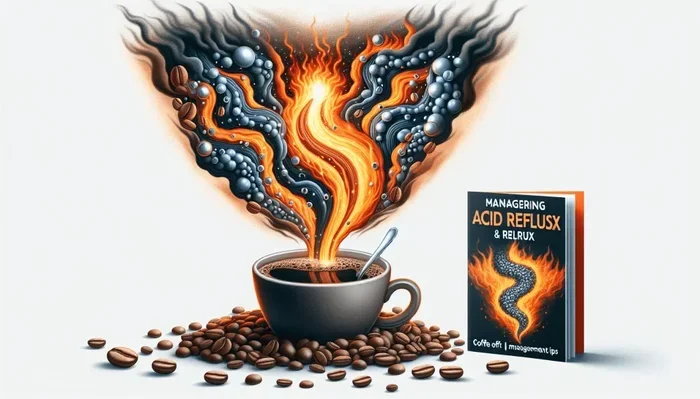
If you want to keep coffee in your routine, choose options that are easier on the stomach. Start with the roast. Dark roasts usually have a smoother acid profile than light roasts. They taste bold but can feel gentler for many reflux sufferers.
Next, think about the brew method. Cold brew is a popular choice because it extracts fewer acids. The long, cool steep produces a mellow cup with less sharpness. Many people with heartburn find cold brew much easier to tolerate. If you prefer hot coffee, try a paper filter drip. The filter removes some oils that can trigger symptoms.
Decaf is another option. Removing caffeine reduces the muscle-relaxing effect. It does not remove all acids, so some people still feel discomfort. But for those whose main trigger is caffeine, decaf can be a helpful middle ground. You keep the ritual and flavor, with less risk of heartburn.
Low-Acid and Dark Roast Options
Low-acid coffees are grown and processed to reduce acidity. Some brands label their beans as stomach-friendly or smooth. These can be a good starting point if regular coffee burns your throat. Dark roasts also tend to taste less bright and sharp, which many sensitive drinkers prefer.
When you shop, look for terms like dark roast, smooth, or low-acid. Taste is personal, so you may need to try a few bags. Start with a small amount and see how your body reacts. If a new bean works well, you can slowly increase your serving size.
Cold Brew and Decaf as Gentler Alternatives
Cold brew is steeped in cold water for many hours. This method pulls out flavor with less acid extraction. The result is a smooth, rich drink that often feels easy on the stomach. You can serve it cold or warm it gently, though heating may change the flavor a bit.
Decaf coffee removes most of the caffeine. That helps reduce the relaxation of the esophageal valve. It still contains some acids, so it is not a guarantee against symptoms. But if caffeine is your main trigger, decaf can let you enjoy a cup with less risk. Try a small test cup first to see how you feel.
Smart Habits to Reduce Coffee-Related Reflux
How you drink coffee matters just as much as what you drink. Small changes in timing and portion size can cut down on symptoms. Try these simple habits and see which ones help you most.
- Drink smaller amounts: A full mug can overwhelm a sensitive stomach. Start with a half cup or a small cup.
- Avoid an empty stomach: A little food can buffer acid and reduce irritation. Eat a banana, oatmeal, or a piece of toast first.
- Stay upright after drinking: Lying down soon after coffee makes reflux more likely. Wait at least thirty minutes before reclining.
- Watch your add-ins: Heavy cream, lots of sugar, or spicy syrups can add to the problem. Keep toppings light.
- Track your triggers: Keep a simple note of what you drank, how much, and how you felt. Patterns will show up over time.
Timing Your Coffee the Right Way
Morning coffee on an empty stomach is a common trigger. Food helps soak up some acid and slows the rush into your stomach. If you usually drink first thing, try moving your cup after a small breakfast. Even a few bites can make a difference.
Late-day coffee can also cause issues if you plan to lie down soon. Reflux often worsens when you recline shortly after a drink. If you enjoy an afternoon cup, give your body time to settle before evening rest. A simple gap between coffee and bedtime can reduce night-time heartburn.
Portion Control and Add-Ins That Help
Big servings pack more caffeine and more acid into your system. A smaller cup is easier to manage. If you love flavor, add a splash of milk or a mild plant-based alternative instead of heavy cream. Keep sweeteners modest. Rich, sugary drinks can slow digestion and worsen reflux for some people.
If you like flavored coffee, choose simple syrups in small amounts. Some flavorings are acidic or spicy, which can add to the burn. When in doubt, stick to plain coffee and add a little milk. Simple is often gentler on the stomach.
When to Cut Back or Seek Help
Sometimes the best answer is to reduce coffee or pause it for a while. If you notice burning every time you drink, your body may be telling you to cut back. A short break can help you see whether coffee is the main culprit. After a break, you can test a small, gentle cup and watch your reaction.
You should also pay attention to warning signs. Frequent heartburn, trouble swallowing, or chest pain that feels different from usual reflux should be checked by a professional. If symptoms happen often or interfere with daily life, it is wise to talk with a doctor or a dietitian. They can help you find a plan that fits your health needs.
Signs Your Coffee Is Triggering Symptoms
A clear pattern is the biggest clue. If you feel burning soon after a cup, or if symptoms rise on coffee days and fall on coffee-free days, coffee is likely playing a role. Night-time reflux after an evening cup is another common sign. Keep notes for a week or two. The pattern will usually speak for itself.
Other clues include a sour taste in the mouth, a persistent cough, or a hoarse voice after drinking coffee. These can all point to acid moving upward. If you see several signs together, it is a good reason to adjust your habits or seek guidance.
Simple Steps Before You Quit Coffee for Good
You do not have to give up coffee forever right away. Try a gentle version first. Switch to a dark roast or cold brew. Cut your serving size in half. Drink it after a small meal. Stay upright for a while. If these steps reduce your symptoms, you may be able to keep coffee in your routine with less pain.
If symptoms stay strong even after these changes, consider a longer break. A week without coffee can show you how your body feels at rest. Then you can decide whether to reintroduce a small, gentle cup or move toward other warm drinks that soothe rather than sting.
Quick Tips for Enjoying Coffee With Reflux
Here are a few fast ideas you can try this week. They are simple, low-cost, and easy to test.
- Pick a dark roast: It often feels smoother and less sharp on the stomach.
- Try cold brew: Less acid extraction can mean less heartburn for sensitive drinkers.
- Use a paper filter: It traps some oils and compounds that can irritate the gut.
- Keep servings small: A half cup or small cup is easier to tolerate than a large mug.
- Pair with food: A little breakfast can buffer acid and reduce irritation.
- Stay upright: Give your body time before lying down or bending over.
- Track your response: A simple note on your phone can reveal your personal triggers.
Expert Insights on Coffee and Digestion
Many digestive health experts suggest a personalized approach. There is no one-size-fits-all rule. Some people do fine with a small dark roast after breakfast. Others need to switch to decaf or cold brew. A few need to pause coffee for a while and focus on other habits first.
Experts also point out that overall diet matters. Large, fatty meals, late-night eating, and high stress can all worsen reflux. Coffee is one piece of the picture. When you improve several habits at once, you often see better results than when you focus on coffee alone.
Key Takeaways to Remember
Coffee usually does not help with acid reflux. For many people, it can make heartburn more likely because of caffeine and natural acids. Still, you may not need to quit completely. Dark roasts, cold brew, decaf, smaller servings, and smart timing can all help. Watch your own response and adjust step by step. If symptoms are frequent or severe, talk with a health professional for guidance that fits your needs.
Frequently Asked Questions
Does coffee help with acid reflux or make it worse?
For most people, coffee makes acid reflux worse rather than better. Caffeine can relax the valve that keeps stomach acid down, and the natural acids in coffee can irritate the esophagus. Some people tolerate small amounts of gentle coffee, but many feel more heartburn after drinking it.
Can decaf coffee still cause acid reflux?
Yes, decaf can still cause reflux for some people. Removing caffeine helps because caffeine relaxes the esophageal valve, but coffee still contains natural acids. If your main trigger is caffeine, decaf may feel easier. If your main trigger is acidity, you may still notice symptoms.
Is cold brew coffee better for acid reflux?
Cold brew is often easier on the stomach because it extracts fewer acids than hot brewing. Many people with reflux find it smoother and less likely to cause burning. It is not a guarantee, since caffeine and personal sensitivity still matter, but it is a good option to test.
Do dark roasts cause less heartburn than light roasts?
Dark roasts often feel gentler because the longer roasting process breaks down some acids. They can taste bolder but may be less sharp on the stomach. Light roasts tend to be brighter and more acidic, which can bother sensitive drinkers more. Your own reaction is the best guide.
Should I drink coffee on an empty stomach if I have reflux?
It is usually better to avoid coffee on an empty stomach if you have reflux. A small amount of food can help buffer acid and reduce irritation. Try eating a little breakfast first, such as oatmeal or toast, and then enjoy a smaller cup of coffee.
When should I see a doctor about coffee and acid reflux?
You should see a doctor if heartburn happens often, gets severe, or comes with trouble swallowing, chest pain, or weight loss. If coffee consistently triggers strong symptoms even after you change how you drink it, a professional can help you find a safer plan. Persistent reflux is worth checking to protect your esophagus.