
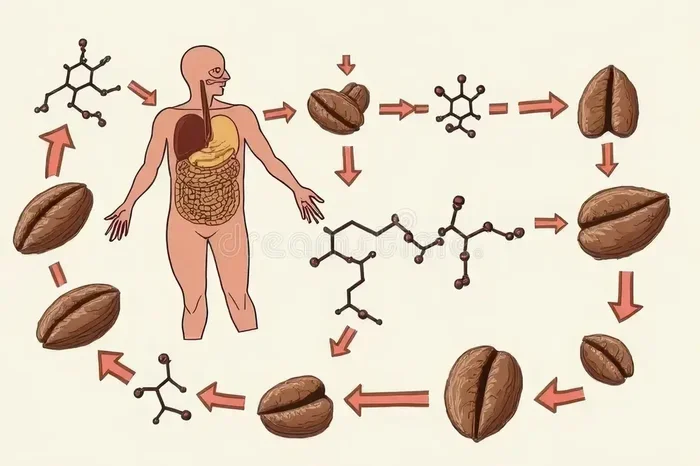
Does coffee help with digestion? For many people, the answer is a clear yes. Coffee can stimulate bowel movements, boost stomach acid production, and even support a healthy gut microbiome. However, it may cause discomfort for those with acid reflux or sensitive stomachs. Understanding how your body reacts will help you enjoy coffee without digestive trouble.
Does coffee help with digestion? This is one of those questions that almost everyone wonders at some point. You finish a warm cup of coffee, and within twenty minutes, your stomach starts to rumble. It feels like the coffee kicked things into gear. But is that just a coincidence, or is there real science behind it?
The short answer is that coffee can absolutely influence your digestive system. For many people, it acts like a gentle nudge that helps move things along. For others, it can cause heartburn, jitters, or an upset stomach. The truth sits somewhere in the middle. Your body, your coffee habits, and what you add to your cup all play a role. Let us break it down in a simple, practical way.
Key Takeaways
- Coffee stimulates bowel movements: Caffeine and other compounds trigger the gastrocolic reflex, helping many people poop shortly after drinking.
- It boosts stomach acid: Coffee increases gastric acid, which can aid digestion but may irritate sensitive stomachs or worsen acid reflux.
- Decaf still works: You do not need caffeine to get digestive benefits, since other coffee compounds also stimulate gut activity.
- Timing matters: Drinking coffee before or with breakfast tends to work better than drinking it on a completely empty stomach.
- Additives change the effect: Cream, milk, sugar, and artificial sweeteners can slow digestion or cause bloating in some people.
- Not for everyone: People with IBS, GERD, ulcers, or gallbladder issues may need to limit coffee or switch to low-acid options.
- Moderation is key: One to three cups per day is generally safe for most healthy adults and can fit into a gut-friendly routine.
📑 Table of Contents
- How Coffee Affects Your Digestive System
- Does Coffee Help You Poop?
- Coffee, Stomach Acid, and Heartburn
- Does Coffee Help Digestion After Meals?
- Decaf Coffee and Digestion: Is It Different?
- What You Add to Coffee Can Change Everything
- Who Should Limit Coffee for Digestive Reasons?
- Practical Tips for Using Coffee as a Digestion Helper
- Expert Insights: What the Research Suggests
- Common Mistakes People Make With Coffee and Digestion
- Key Takeaways for Everyday Coffee Drinkers
How Coffee Affects Your Digestive System
When you drink coffee, several things happen inside your gut. The process starts in your stomach and moves down through your intestines. Coffee is not just a tasty drink. It is a complex mix of compounds that interact with your body in different ways.
The Caffeine Factor
Caffeine is the most famous part of coffee, and it does more than wake up your brain. It also stimulates muscle contractions in your colon. These contractions help push waste through your digestive tract. This is one reason many people feel the urge to poop soon after their morning cup.
Caffeine can also raise your heart rate slightly and increase blood flow. That extra activity may make your digestive system feel more alert and ready to work. Still, caffeine is not the only player here. Even decaf coffee can trigger similar effects, which tells us that other compounds matter too.
Stomach Acid and the Gastric Response
Coffee can increase the production of stomach acid. For many people, this is helpful. Stomach acid breaks down food, especially proteins, and helps your body absorb certain nutrients. A little extra acid after a meal can support that process.
But there is a flip side. If you already have a sensitive stomach, too much acid can cause discomfort. Some people feel a burning sensation or bloating after drinking coffee. This does not mean coffee is bad for digestion. It simply means your personal tolerance matters a lot.
Hormones and the Gut-Brain Connection
Coffee may also influence digestive hormones. Some studies suggest that coffee can trigger the release of gastrin, a hormone that helps regulate stomach acid and gut movement. There is also evidence that coffee can affect cholecystokinin, a hormone involved in digestion and gallbladder function.
These hormonal changes help explain why coffee can feel so effective at getting things moving. Your gut is constantly communicating with your brain, and coffee seems to send a few strong messages along that pathway.
Does Coffee Help You Poop?
This is probably the most common reason people ask about coffee and digestion. The answer is yes for many people, but not for everyone. The effect is real, and it has a name. It is often linked to the gastrocolic reflex, which is your body’s natural response to food and drink entering the stomach.
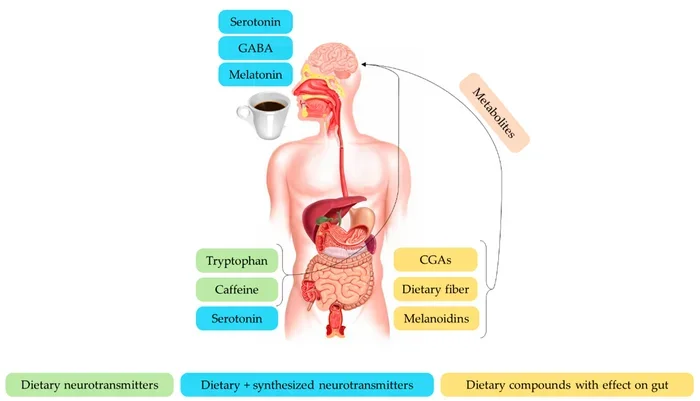
Visual guide about coffee cup digestion concept
Image source: pub.mdpi-res.com
When you drink coffee, your stomach stretches slightly and sends signals to your colon. Those signals tell your intestines to start contracting. The result is often a bowel movement. This can happen with regular coffee or decaf coffee, though caffeine may make the effect a bit stronger for some people.
Why Morning Coffee Works So Well
Your body has natural rhythms, and your digestive system is part of that. Many people naturally feel more active in the colon after waking up. Adding coffee to that mix can amplify the effect. If you drink coffee at roughly the same time each morning, your body may even start to expect it and respond more quickly.
This is one reason coffee can become part of a reliable bathroom routine. It is not magic. It is simply a helpful trigger that works with your body’s existing patterns.
What If Coffee Does Not Make You Poop?
Not everyone responds the same way. Some people feel little to no change in their bowel habits after drinking coffee. That is completely normal. Digestion depends on many factors, including fiber intake, hydration, sleep, stress, and overall gut health.
If coffee does not seem to help you poop, do not force it. Focus on the basics first. Eat enough fiber, drink plenty of water, move your body, and keep a consistent meal schedule. Coffee can support those habits, but it is not a replacement for them.
Coffee, Stomach Acid, and Heartburn
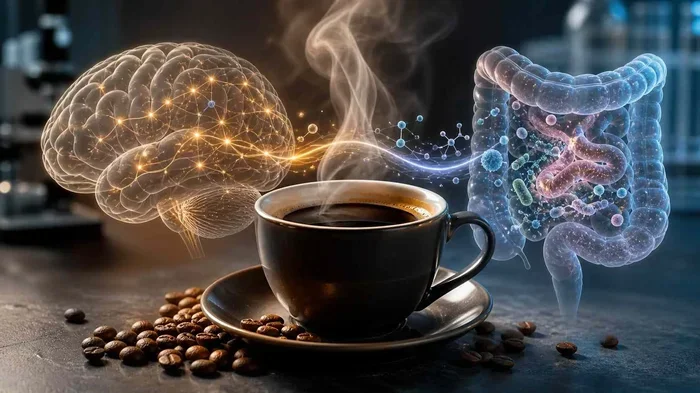
One of the biggest concerns people have is whether coffee causes heartburn or makes acid reflux worse. The answer depends on the person and the situation. Coffee can relax the lower esophageal sphincter, which is the valve that keeps stomach acid from moving upward. When that valve relaxes too much, acid can escape and cause burning sensations.
Visual guide about coffee cup digestion concept
Image source: en.clickpetroleoegas.com.br
At the same time, coffee’s ability to increase stomach acid can be useful for some people. If you digest food well and do not have reflux, a little extra acid may not bother you at all. The problem usually appears when coffee is combined with other triggers, such as large meals, spicy foods, or lying down too soon after drinking it.
Who Should Be Careful
People with gastroesophageal reflux disease, commonly called GERD, may notice more symptoms after coffee. Those with stomach ulcers or gastritis may also need to be cautious. In these cases, coffee does not always cause the condition, but it can make symptoms feel worse.
If you fall into this group, you do not necessarily have to give up coffee completely. You may just need to adjust how you drink it. Smaller servings, lower-acid coffee, and avoiding coffee right before lying down can make a real difference.
Tips to Reduce Acid-Related Discomfort
Here are a few simple habits that can help:
- Drink coffee with food instead of on a completely empty stomach.
- Choose a medium or dark roast, which some people find gentler than very light roasts.
- Try cold brew, which is often less acidic than hot coffee.
- Avoid large servings if you notice bloating or heartburn.
- Pay attention to what else you eat with coffee, such as pastries or spicy snacks.
Does Coffee Help Digestion After Meals?
Many people enjoy coffee after a meal, and that habit can work well for some digestive systems. Coffee may help your stomach process food by encouraging acid production and stimulating gut movement. If you ate a heavy or protein-rich meal, a small cup of coffee might help you feel less bloated or sluggish.

Visual guide about coffee cup digestion concept
Image source: cappuccinooracle.com
That said, coffee after meals is not ideal for everyone. If you are prone to reflux, a post-meal coffee can sometimes trigger discomfort, especially if the meal was large or fatty. The best approach is to notice your own pattern. If coffee after lunch leaves you feeling good, it is probably fine. If it causes burning or bloating, try moving your coffee to a different time of day.
Coffee and Nutrient Absorption
There is also a small but interesting point about nutrients. Coffee can affect how your body absorbs certain minerals, especially iron. This is usually not a major issue for most healthy people, but it can matter if you drink a lot of coffee close to meals that are rich in iron.
If you are concerned about iron absorption, one simple solution is to separate coffee from iron-rich meals by a little time. That way, you still enjoy your coffee without interfering too much with nutrient uptake.
Decaf Coffee and Digestion: Is It Different?
Many people assume only caffeinated coffee affects digestion, but that is not entirely true. Decaf coffee can also stimulate bowel activity and support the gastrocolic reflex. The difference is that decaf usually has less impact on energy, heart rate, and alertness. For digestion, though, the gap is smaller than many people think.
If caffeine makes you feel anxious, jittery, or prone to acid flare-ups, decaf may be a better option. You still get the flavor and many of the digestive effects without as much stimulation. This can be especially helpful if you enjoy coffee in the evening or with a meal.
When Decaf Might Be the Better Choice
Decaf can be a smart choice if you:
- Feel sensitive to caffeine.
- Notice heartburn after regular coffee.
- Drink coffee later in the day.
- Want a gentler option for your stomach.
Of course, everyone is different. If decaf still bothers your stomach, the issue may not be caffeine alone. It could be the coffee itself, what you add to it, or another dietary factor.
What You Add to Coffee Can Change Everything
Sometimes the problem is not the coffee. It is the extras. Cream, milk, sugar, flavored syrups, and artificial sweeteners can all affect digestion in different ways. If you are lactose intolerant, dairy cream can cause gas, bloating, or diarrhea. If you are sensitive to sugar alcohols or certain sweeteners, those can also upset your stomach.
Even a small change can make a big difference. Some people feel perfectly fine with black coffee but struggle when they add milk. Others do better with a splash of plant-based milk or a little natural sweetener. The best method is to test one change at a time and watch how your body responds.
Simple Ways to Make Coffee Easier on Your Stomach
If you want to keep your coffee gut-friendly, try these ideas:
- Start with black coffee and add extras only if you need them.
- Use lactose-free milk or a plant-based alternative if dairy bothers you.
- Cut back on sugary syrups if you notice bloating.
- Avoid huge coffee drinks that act like dessert.
- Keep your serving size reasonable if you are sensitive to rich ingredients.
Who Should Limit Coffee for Digestive Reasons?
Coffee is safe for most healthy adults in moderate amounts, but some people should be more careful. If you have ongoing digestive issues, coffee may still be okay, but it is worth paying attention to your symptoms. A few groups that may need to limit coffee include:
- People with frequent acid reflux or GERD.
- Those with stomach ulcers or active gastritis.
- People with irritable bowel syndrome, especially if coffee triggers flare-ups.
- Individuals who are very sensitive to caffeine.
- Anyone who notices diarrhea or cramping after drinking coffee.
If you are in one of these groups, you do not have to panic. You may simply need to reduce your intake, change the type of coffee, or drink it with food. The goal is not to avoid coffee forever. The goal is to find a version and a routine that works for your body.
Practical Tips for Using Coffee as a Digestion Helper
If you want to use coffee to support digestion without causing trouble, a few simple habits can help a lot. Think of coffee as one small part of a bigger gut-health routine. It can be useful, but it works best alongside good basic habits.
Build a Gut-Friendly Coffee Routine
Here is a simple approach you can try:
- Drink coffee at a consistent time if it helps your bowel routine.
- Pair it with breakfast or a light snack if your stomach feels sensitive.
- Stay hydrated throughout the day, since water matters just as much as coffee.
- Keep your fiber intake steady with fruits, vegetables, beans, or whole grains.
- Notice whether cold brew, darker roasts, or decaf feel better for you.
Watch for Warning Signs
Coffee can be helpful, but it should not cause constant discomfort. If you often get burning pain, severe bloating, urgent diarrhea, or stomach cramps after coffee, take that as a signal to slow down and reassess. You might need less coffee, a different brewing style, or a break from certain additives.
A good rule is this: if coffee leaves you feeling better or normal, it is probably working well for you. If it leaves you feeling worse every time, your body is asking for a change.
Expert Insights: What the Research Suggests
Researchers have studied coffee and digestion for years, and the picture is pretty consistent. Coffee can stimulate colonic activity and influence digestive hormones. It can also increase stomach acid. Those effects can be helpful for some people and irritating for others.
One important insight is that coffee is not a one-size-fits-all digestive aid. Its effects depend on your gut sensitivity, your caffeine tolerance, your diet, and even your stress level. Another key point is that the additives and drinking habits often matter just as much as the coffee itself.
So if you are asking, does coffee help with digestion, the most accurate answer is this: it can, but only in the right context for your body. For some people, it is a useful daily trigger that supports regularity. For others, it is a pleasant drink that needs to be handled carefully to avoid discomfort.
Common Mistakes People Make With Coffee and Digestion
A few habits can make coffee harder on your stomach than it needs to be. Avoiding these mistakes can improve your experience a lot.
- Drinking too much too fast: Large servings can overwhelm a sensitive stomach.
- Using coffee to fix every digestive issue: Coffee is not a cure-all for constipation or bloating.
- Ignoring what else you eat: Coffee paired with greasy or highly acidic foods can cause more trouble.
- Assuming caffeine is the only problem: Sometimes the roast, brew method, or additives matter more.
- Not paying attention to your own symptoms: Your body gives you feedback. Use it.
Key Takeaways for Everyday Coffee Drinkers
If you want a simple bottom line, here it is. Coffee can support digestion for many people by encouraging bowel movements and stimulating stomach activity. It can also cause problems for people who are sensitive to acid, caffeine, or certain additives. The best approach is personal and practical.
Start by noticing how your body responds. Try smaller changes before making big ones. Drink coffee in a way that fits your meals, your tolerance, and your routine. When you do that, coffee can stay a enjoyable part of your day without creating unnecessary digestive stress.
So, does coffee help with digestion? For many people, yes, it can. But the real answer depends on how you drink it, what you add to it, and how your stomach reacts. If you keep an eye on your symptoms and make small adjustments, you can usually find a coffee habit that feels good and works with your digestive system instead of against it.
Frequently Asked Questions
Does coffee help with digestion for everyone?
No, coffee does not help digestion for everyone. It can support bowel movements and stomach activity in some people, but others may experience heartburn, bloating, or stomach discomfort instead.
Can decaf coffee help with digestion?
Yes, decaf coffee can still help with digestion for many people. It may stimulate bowel activity without the stronger effects of caffeine, which can be useful if you are sensitive to caffeine or want a gentler option.
Why does coffee make me need to poop?
Coffee can trigger the gastrocolic reflex, which signals your colon to start moving. Caffeine and other coffee compounds may also stimulate gut contractions, which is why many people feel the urge to poop after drinking it.
Is coffee bad for acid reflux or heartburn?
Coffee can worsen acid reflux for some people because it may relax the valve between the stomach and esophagus and increase stomach acid. If you get heartburn often, you may need to limit coffee or drink it with food and in smaller amounts.
What is the best way to drink coffee if I have a sensitive stomach?
If you have a sensitive stomach, try drinking coffee with food, choosing a smaller serving, or switching to cold brew or decaf. You can also experiment with lower-acid roasts and reduce sugary or dairy additives to see what feels better.
How much coffee is okay for digestion each day?
Many healthy adults can tolerate one to three cups per day without digestive problems, but the right amount depends on your body. If coffee causes cramps, diarrhea, or heartburn, it may be a sign to cut back or change how you drink it.



