Yes, traditional tiramisu always has coffee. The dessert uses strong espresso to soak ladyfingers and to flavor the creamy filling. Many people ask, does tiramisu have coffee because recipes vary so much today. You will learn how much caffeine is in a slice, why coffee matters, and how to make a coffee-free tiramisu that still tastes rich. This guide breaks down the classic recipe, modern twists, and simple tips for home cooks.
If you have ever stared at a slice of tiramisu and wondered, does tiramisu have coffee, you are not alone. This famous Italian dessert is rich, creamy, and dusted with cocoa. Many people love the soft layers and the gentle coffee aroma. Others worry about caffeine or want a milder treat. The good news is that the answer is simple. Traditional tiramisu does contain coffee, and that coffee plays a big role in the flavor and texture.
In this guide, we will walk through the classic recipe, the reason coffee matters, and the caffeine you can expect in each bite. We will also look at modern versions, coffee-free swaps, and tips for making tiramisu at home. Whether you are planning a dinner party or just curious about your favorite dessert, you will find clear answers here.
Key Takeaways
- Classic tiramisu always includes coffee. Espresso or strong brewed coffee is a core ingredient in the original Italian recipe.
- The coffee soaks the ladyfingers. Quick dipping adds flavor and keeps the dessert soft without turning it soggy.
- A typical slice has moderate caffeine. One serving usually contains about 20 to 40 milligrams of caffeine, depending on the recipe.
- Coffee-free versions exist. You can substitute decaf coffee, chicory, or fruit syrups for a gentle flavor.
- Quality matters. Freshly brewed espresso gives the best taste and aroma in tiramisu.
- Storage affects flavor. Tiramisu tastes better after resting, and you can learn how to store tiramisu properly to keep it fresh.
- You control the strength. Adjust the coffee-to-cream ratio to make a mild or bold dessert that fits your taste.
📑 Table of Contents
Why Coffee Is a Core Part of Tiramisu
Tiramisu is built around a balance of sweet cream, soft cookies, and a touch of bitterness. That bitterness comes from coffee. In the classic Italian version, strong espresso is the main flavor driver. It cuts through the richness of the mascarpone and adds depth to every layer. Without coffee, the dessert would taste more like a sweet cream pie than the bold treat people expect.
The name tiramisu roughly means pick me up. That idea fits well with a dessert that uses espresso. The coffee gives a gentle lift in flavor and a small lift in caffeine. The combination of cocoa, cream, and coffee creates a rounded taste that feels both comforting and elegant.
How Coffee Shapes the Flavor Profile
Coffee brings three important things to tiramisu. First, it adds aroma. The smell of espresso mixes with cocoa and vanilla for a warm, inviting scent. Second, it adds bitterness. That slight bitter note balances the sweet cream and keeps the dessert from feeling too heavy. Third, it adds structure. The coffee soak helps the ladyfingers soften just enough to blend with the creamy layers.
The flavor is not supposed to taste like a cup of coffee on its own. Instead, the coffee should feel woven into the dessert. You notice it most in the first bite and in the finish. A well-made tiramisu leaves a smooth coffee hint at the end, not a sharp or bitter punch.
The Role of Espresso in the Classic Recipe
Classic tiramisu uses espresso, not weak drip coffee. Espresso has a stronger flavor and a thicker body. That strength matters because the coffee gets diluted when it soaks into the cookies. If the brew is too mild, the dessert will taste flat. A good espresso keeps the flavor clear even after the ladyfingers absorb it.
Many home cooks use a moka pot or a simple espresso machine. If you want to explore different brewing tools, you might enjoy reading about the best gooseneck kettle for pour over coffee or the best burr coffee grinder for pour over. Those tools are made for different styles, but they show how much coffee quality matters in any recipe.
How Coffee Fits Into the Tiramisu Recipe
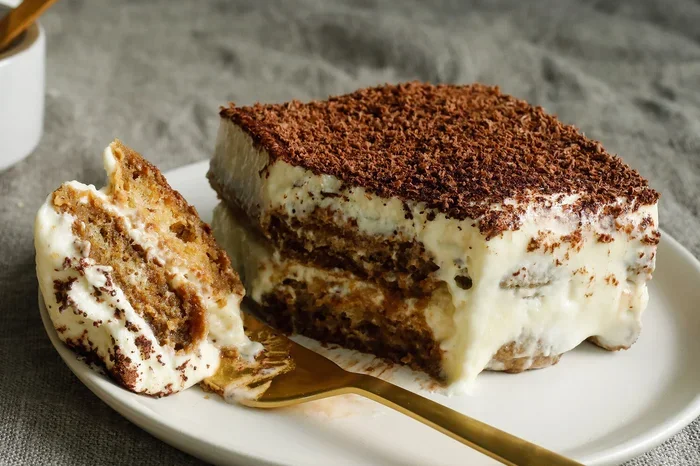
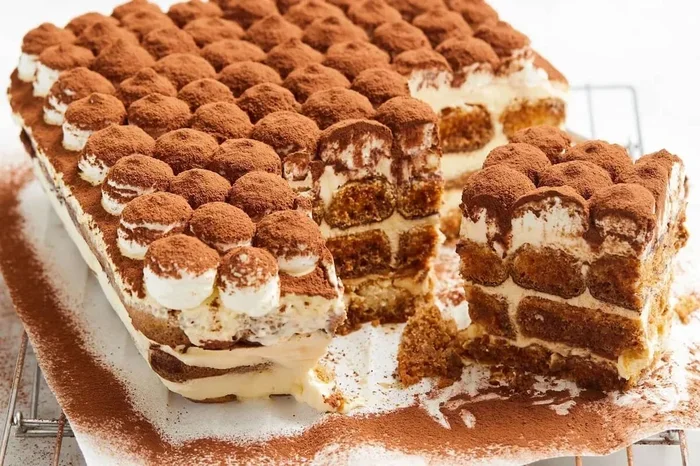
The basic tiramisu recipe is simple, but each step matters. You brew strong coffee, let it cool, and use it to soften ladyfingers. Then you layer those cookies with a mascarpone cream and dust the top with cocoa. The coffee works in two places. It flavors the cream slightly, and it transforms the dry cookies into soft, cake-like layers.
Visual guide about Tiramisu dessert with coffee
Image source: culinary.nl
The dessert is usually assembled in a dish and chilled for several hours. That resting time helps the flavors blend. The coffee scent becomes milder and more integrated. The texture also settles, which makes the final slice smoother and easier to serve.
The Coffee Soak and Ladyfingers
Ladyfingers are light, dry sponge cookies. They are perfect for soaking up flavor without falling apart right away. You dip each one quickly into the coffee mixture. The goal is a soft cookie that still holds its shape. If you soak them too long, they can turn mushy. If you skip the soak, the layers will feel dry and separate.
A quick dip is usually enough. You want the cookie to absorb flavor, not flood the dessert. Some recipes mix a little sugar or marsala wine into the coffee, while others keep it plain. The best choice depends on the taste you want. A plain espresso soak gives a clean coffee flavor. A sweetened soak adds a softer, more dessert-like taste.
Coffee in the Cream Layer
Some recipes add a small amount of coffee to the cream mixture. This step is optional, but it can deepen the flavor. A little espresso or strong coffee in the mascarpone cream helps the top and middle layers match the soaked cookies. The result is a more even taste from the first bite to the last.
You do not need a lot. A tablespoon or two can be enough for a standard batch. The cream should stay light and smooth. If you add too much liquid, the texture can turn runny. The trick is to enhance the flavor without changing the structure.
Cocoa, Cream, and the Coffee Balance
Cocoa powder on top is more than decoration. It adds a mild chocolate note and another layer of bitterness that pairs well with coffee. The cream brings sweetness and softness. The coffee brings depth. Together, these three elements create the classic tiramisu balance.
If you ever read about how to store tiramisu, you will see that chilling matters. The flavors continue to settle in the fridge. That means the coffee taste becomes smoother after a few hours. A freshly assembled tiramisu may taste a bit sharper, while a rested one feels more blended and mellow.
Does Tiramisu Have Caffeine and How Much
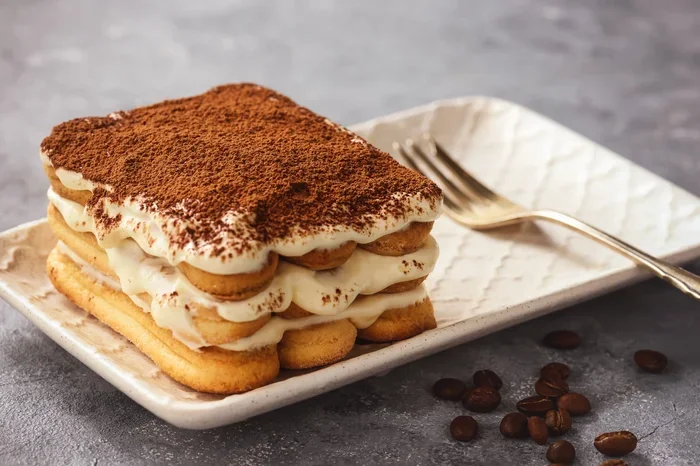
Yes, classic tiramisu contains caffeine because it uses coffee. The exact amount depends on the recipe, the type of coffee, and the size of the slice. A small slice usually has a modest amount of caffeine. It is not as much as a full cup of coffee, but it is enough to notice if you are sensitive.
Visual guide about Tiramisu dessert with coffee
Image source: flavoursholidays.co.uk
Most slices fall somewhere in a moderate range. If you are watching your intake, treat tiramisu like a light coffee serving, not a caffeine-free dessert. If you want to avoid caffeine, you can choose a decaf version or a coffee-free swap.
Typical Caffeine Range in a Slice
A typical slice of tiramisu may contain roughly 20 to 40 milligrams of caffeine. That is a general range, not a fixed number. Some slices are lighter, especially if the coffee soak is brief or the brew is weak. Others are stronger if the recipe uses bold espresso and a generous soak.
The cream and cocoa do not add caffeine. The ladyfingers do not add caffeine either. The coffee is the only source. That makes it easier to estimate the amount if you know how much coffee the recipe uses.
Factors That Change the Caffeine Level
Several things can change the caffeine in tiramisu. The biggest one is the coffee itself. Espresso usually has more caffeine per ounce than some brewed coffees, but the total amount depends on how much coffee ends up in the dessert. The number of ladyfingers, the soaking time, and the portion size also matter.
Here is a simple comparison to show how recipe choices can affect the final result:
| Recipe Style | Coffee Used | Caffeine Feel | Best For |
|---|---|---|---|
| Classic espresso tiramisu | Strong espresso soak | Moderate caffeine | Traditional flavor lovers |
| Mild coffee tiramisu | Weaker brewed coffee | Lower caffeine | Those who want a softer taste |
| Decaf tiramisu | Decaf espresso or coffee | Very low caffeine | Evening desserts and sensitive drinkers |
| Coffee-free tiramisu | Chicory, milk, or syrup | No coffee caffeine | Kids, caffeine avoiders, and experimental cooks |
Decaf and Coffee-Free Options
If you love tiramisu but want less caffeine, decaf is an easy fix. Decaf espresso still tastes rich, though a little less bold than regular espresso. That trade-off is often worth it for people who enjoy dessert after dinner. You can also use a small amount of decaf coffee in the cream for a smoother finish.
For a fully coffee-free version, some cooks use chicory, carob, or fruit-based syrups. These substitutes change the flavor, but they can still create a pleasant dessert. The texture stays the same, while the taste moves in a gentler direction. If you try this, expect a different flavor profile rather than an exact match.
Coffee-Free Tiramisu and Modern Variations
Tiramisu has changed over time. Some recipes add liqueur. Some use whipped cream instead of all mascarpone. Some skip the alcohol entirely. A few versions leave out coffee altogether. These changes make the dessert more flexible, but they also raise the question many people ask: does tiramisu have coffee in every version?
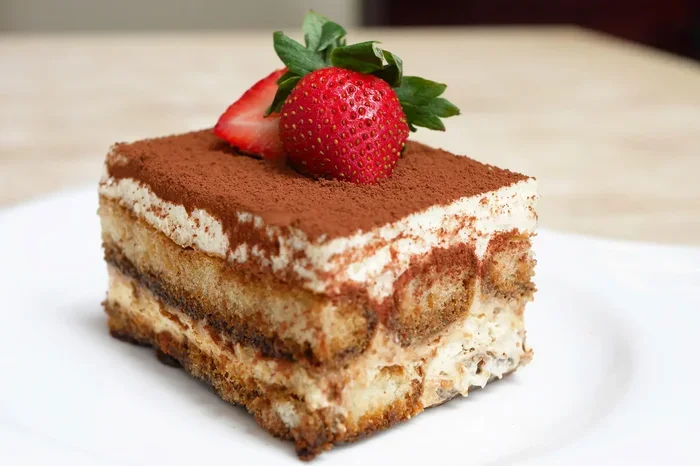
Visual guide about Tiramisu dessert with coffee
Image source: rouses.com
The short answer is no. The classic version has coffee, but modern recipes do not always include it. That means you can find both traditional and creative takes depending on the chef or home cook.
When Tiramisu Does Not Use Coffee
Some coffee-free versions use milk, vanilla, or sweet syrups to soften the ladyfingers. Others use a mild roasted grain drink or a chicory blend for a coffee-like note without actual coffee. These choices can work well when you want a dessert for children or for someone avoiding caffeine.
A coffee-free tiramisu may taste sweeter and lighter. It will not have the same sharp coffee finish, but it can still be delicious. The key is to keep the balance. If you remove coffee, you may want to adjust the cocoa or vanilla so the dessert does not taste too plain.
Flavor Swaps That Still Taste Great
If you want to change the flavor without losing richness, try a few simple swaps. A small amount of vanilla can smooth the cream. Extra cocoa can strengthen the top note. A touch of cinnamon can add warmth. You can also use a flavored liqueur if the recipe allows it.
If you enjoy experimenting with coffee drinks and desserts, you may also like reading about the best blender for bulletproof coffee. That article focuses on a very different drink, but it shows how many ways people customize coffee in the kitchen. The same spirit applies to tiramisu. You can tweak the coffee, the cream, and the soak until the dessert fits your taste.
Tips for Making Tiramisu With the Right Coffee Strength
Making great tiramisu is mostly about balance. You want coffee that is strong enough to flavor the dessert, but not so strong that it overpowers everything else. You also want a smooth cream and a clean finish. A few simple habits can make a big difference.
Start with fresh coffee. Stale coffee can taste flat or bitter in an unpleasant way. Cool the coffee before dipping, because hot liquid can melt the cream or make the cookies too soft. And taste the coffee on its own before you build the dessert. If it tastes good by itself, it will likely work well in the recipe.
Choosing the Right Brew
Espresso is the classic choice, but you can use strong brewed coffee if needed. The main goal is flavor intensity. If your coffee tastes weak, the tiramisu will taste weak too. If you only have a standard drip maker, brew it stronger than you would for a morning cup.
You can also adjust the soak. A lighter soak gives a subtler coffee taste. A deeper soak gives a bolder flavor. Either way, keep the dip quick and even. You want each ladyfinger to absorb a similar amount of coffee so the layers stay consistent.
Avoiding Sogginess and Bitterness
Two common mistakes are easy to avoid. First, do not soak the ladyfingers too long. A brief dip is enough. Second, do not use coffee that is burnt or overly bitter. If the coffee tastes harsh on its own, it may make the dessert unpleasant.
A few quick tips help a lot:
- Use cooled coffee. Hot coffee can ruin the cream texture.
- Dip quickly. A second or two is often enough.
- Taste first. If the coffee is too bitter, dilute it slightly or brew a new batch.
- Chill before serving. Resting improves the texture and blends the flavors.
- Keep the cocoa fresh. A light dusting on top adds aroma and balance.
Storage and Serving Basics
Tiramisu is one of those desserts that often tastes better after a short wait. Once assembled, it should rest in the fridge so the layers settle. That also helps the coffee flavor spread more evenly through the dessert. If you are serving it at a gathering, make it ahead when you can.
Cover it well so it does not pick up other fridge smells. When you slice it, use a clean knife for neat portions. A little cocoa on top right before serving can make the dessert look inviting and taste fresh. If you want more detail on keeping it fresh, check how to store tiramisu for practical fridge and serving tips.
Common Questions About Tiramisu and Coffee
People ask many of the same questions when they try tiramisu for the first time. The dessert looks elegant, but the ingredients are actually simple. Once you understand the role of coffee, the rest becomes easier to appreciate. Here are a few common points that help clear up the confusion.
Is Coffee in Every Tiramisu Recipe
No, not every recipe uses coffee, but the classic one does. Traditional tiramisu relies on espresso for flavor and texture. Some modern versions leave it out or replace it with another flavor. If a recipe calls itself tiramisu and has no coffee at all, it is usually a twist on the original rather than the classic style.
Can Kids or Caffeine-Sensitive People Eat Tiramisu
They can, but it depends on the recipe. A standard tiramisu slice has some caffeine, so sensitive people may want to limit portion size or choose decaf. Kids can usually enjoy a small piece if the dessert is made with regular coffee, though some parents prefer a coffee-free version. Decaf or coffee-free swaps make the dessert more flexible for different guests.
Does the Coffee Taste Overpowering
It should not. In a good tiramisu, the coffee is part of the overall flavor, not the only thing you taste. The cream softens the coffee note, and the cocoa adds balance. If the coffee taste feels too strong, the recipe may have used too much coffee, too strong a brew, or too long a soak.
Is Tiramisu Stronger Than Other Coffee Desserts
Not usually. Tiramisu tends to have a moderate coffee presence. It is milder than a coffee cake that uses a large amount of brewed coffee or espresso in the batter. It is also milder than a dessert that uses coffee as the main flavor. The charm of tiramisu is the blend of cream, cocoa, and coffee rather than a heavy coffee punch.
Can You Make Tiramisu With Instant Coffee
You can, though the flavor may be less smooth than with freshly brewed espresso. Instant coffee can work in a pinch, especially if you dissolve it well and use enough to create a noticeable flavor. For the best result, fresh coffee is usually better. If convenience matters most, instant coffee is still a workable option.
Does Tiramisu Taste Better the Next Day
Often, yes. The flavors tend to blend as the dessert rests. The coffee note becomes smoother, and the texture feels more unified. That is why many people make tiramisu a few hours before serving. It still tastes good right away, but a short rest can improve the overall experience.
Final Thoughts on Tiramisu and Coffee
So, does tiramisu have coffee? In the classic version, yes. Coffee is one of the main ingredients that gives tiramisu its signature taste. It softens the ladyfingers, balances the cream, and adds a warm bitter note that pairs beautifully with cocoa. That is why tiramisu feels so distinct from other creamy desserts.
If you enjoy coffee, the traditional recipe is a great choice. If you want less caffeine, decaf works well. If you want a completely different flavor, coffee-free versions can still be delightful. The best tiramisu is the one that matches your taste and the people you are serving.
When you make it at home, focus on good coffee, a quick soak, and a smooth cream. Chill it before serving, slice it cleanly, and enjoy the way the flavors come together. Tiramisu is simple in ingredients, but rich in experience. That combination is exactly why it remains such a beloved dessert.