
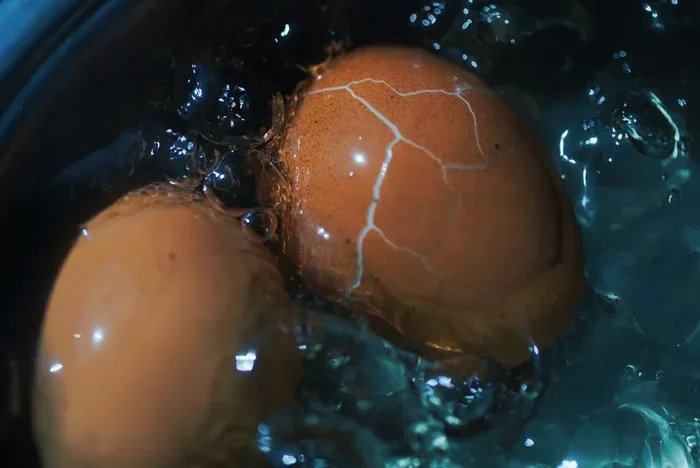
Discover the fastest way to boil eggs that delivers perfect, creamy results every single time. This simple method uses precise timing and a quick steam technique to eliminate guesswork, so you can have perfectly cooked eggs in under 15 minutes. Learn how to achieve soft, medium, or hard-boiled eggs with foolproof steps that save you time and frustration.
The Fastest Way to Boil Eggs for Perfect Results Every Time
The fastest way to boil eggs is a game-changer for any home cook. Whether you need hard-boiled eggs for meal prep or soft-boiled eggs for breakfast, knowing the right technique saves you time and delivers consistent results. In this guide, you will learn the quickest methods, exact cooking times, and pro tips that take the guesswork out of egg cooking time. By the end, you will master the fastest way to boil eggs and never overcook or undercook again.
Boiling eggs seems simple, but many people struggle with cracked shells, rubbery whites, or green-tinged yolks. We are here to fix that. This article covers everything from stovetop cooking to using a pressure cooker, so you can pick the method that fits your kitchen. Let us dive in and make your mornings easier.
Key Takeaways
- Start eggs in cold water for even, fast heating.
- Always use a tight‑fitting lid to trap heat.
- Steam eggs for 12‑13 minutes for hard‑boiled perfection.
- Immediately plunge eggs into ice water after cooking.
- Use older eggs for easier peeling every time.
- Altitude affects boiling time; adjust accordingly.
📑 Table of Contents
- Why Knowing the Fastest Way to Boil Eggs Matters
- The Fastest Way to Boil Eggs: Step-by-Step Guide
- Different Boiling Methods Compared
- Tips for Perfectly Cooked Eggs Every Time
- Common Mistakes to Avoid When Boiling Eggs
- Storing and Serving Your Boiled Eggs
- Final Thoughts on the Fastest Way to Boil Eggs
Why Knowing the Fastest Way to Boil Eggs Matters
Eggs are one of the most versatile ingredients in your kitchen. They are cheap, packed with protein, and ready in minutes. But here is the thing — egg cooking time matters more than most people think. A few extra minutes can turn a perfect egg yolk into a chalky disaster.
Learning the fastest way to boil eggs gives you several real advantages:
- Time savings. You get cooked eggs in under 15 minutes, start to finish.
- Consistency. Every batch comes out the same way, every single time.
- Better texture. You avoid overcooked eggs with rubbery whites or green yolks.
- Energy efficiency. Less time on the stove means lower energy bills.
- Meal prep speed. Hard-boiled eggs are a top meal prep item. Faster cooking means faster prep.
Whether you use a regular cooking pot on the stovetop or an electric pressure cooker, the right method makes a huge difference. Let us explore the actual steps now.
The Fastest Way to Boil Eggs: Step-by-Step Guide
This method works for hard-boiled eggs and takes about 12 to 15 minutes total. It is the go-to technique for most home cooks because it uses basic kitchen tools you already own.
What You Need
- A medium cooking pot with a lid
- Fresh eggs (room temperature or cold)
- Water
- A kitchen timer or phone
- A bowl of ice water (an ice bath)
- A slotted spoon
Step-by-Step Instructions
- Place eggs in the pot. Arrange your eggs in a single layer at the bottom. Do not stack them. Crowding leads to uneven cooking and cracked shells.
- Add cold water. Cover the eggs with about one inch of cold water. This helps prevent egg shell cracking during the heating process.
- Bring to a rolling boil. Set the pot on high heat. Wait until the water reaches a full, rolling boiling point. This is your starting signal.
- Start your timer immediately. As soon as the water boils, reduce heat to medium-low. This creates a gentle quick boil. Start timing right away.
- Cook for the right time. For hard-boiled eggs, cook for 10 to 12 minutes. For soft-boiled eggs, cook for 6 to 7 minutes. These times are the sweet spot for the fastest way to boil eggs with great results.
- Transfer to an ice bath. Use a slotted spoon to move eggs into the ice bath immediately. Let them sit for at least 5 minutes. This stops the cooking process and makes egg peel much easier.
This entire process takes around 15 minutes. That is the fastest way to boil eggs using a standard stovetop method. It is reliable, simple, and gives you perfectly cooked eggs every time.
If you want even faster results, you can try using a pressure cooker. For those looking for guidance on how to boil in Instant Pot, there is a dedicated guide that covers this method in detail. It cuts cooking time significantly and produces consistent results.
Different Boiling Methods Compared
Not all methods are created equal. Depending on your kitchen setup, one approach might work better for you. Here is a breakdown of the most popular egg cooking methods and how they stack up.
Stovetop Boiling
This is the classic approach described above. It works with any cooking pot and gives you full control over water temperature. The downside? It requires active attention. You need to watch the pot and time it carefully.
Steaming
Steam cooking is a fantastic alternative. Instead of submerging eggs in water, you place them on a steamer rack above boiling water. The steam cooks the eggs gently and evenly. Many cooks find that steamed eggs are easier to egg peel because the steam creates a small air pocket between the shell and the egg white.
Pressure Cooker
A pressure cooker is the absolute fastest option. It uses high pressure and elevated water temperature to cook eggs in a fraction of the time. If you are interested in this method, check out our guide on how to boil water in Instant Pot without lid for additional tips on efficient cooking. Pressure cookers can produce perfect hard-boiled eggs in as little as 5 minutes.
Comparison Table
| Method | Total Time | Ease Level | Peel Difficulty | Best For |
|---|---|---|---|---|
| Stovetop Boiling | 15 minutes | Easy | Medium | Everyday cooking |
| Steaming | 14 minutes | Easy | Easy | Delicate eggs |
| Pressure Cooker | 8 minutes | Medium | Very Easy | Speed and meal prep |
As you can see, the pressure cooker wins for speed. But stovetop boiling remains the most accessible method for most kitchens. Choose the one that fits your routine best.
Tips for Perfectly Cooked Eggs Every Time
Even with the fastest way to boil eggs, small mistakes can ruin the outcome. These tips help you nail it every single time.
Use Fresh Eggs When Possible
Fresh eggs have a tighter membrane that clings to the shell. This makes egg peel slightly harder. For the easiest peeling, use eggs that are about 7 to 10 days old. If you only have very fresh eggs, the ice bath step becomes even more important.
Start with Cold Water
Always begin with cold water. Placing eggs into already-boiling water can cause thermal shock, leading to cracked shells. Cold water gives the eggs time to adjust gradually. This simple step is the secret behind smooth egg white with no cracks.
Do Not Overcrowd the Pot
Give each egg space. Overcrowding means eggs bump into each other, causing cracks and uneven cooking. Cook in batches if you need more than 6 eggs at a time.
Use a Kitchen Timer
Do not guess. Use a kitchen timer or a reliable egg boiling timer app. Even 2 extra minutes can change a jammy egg yolk into a fully firm one. Precision is what separates good eggs from great ones.
The Ice Bath Is Non-Negotiable
This is the single most important step for perfect results. An ice bath immediately stops the residual heat from continuing to cook the egg. Without it, overcooked eggs are almost guaranteed. Submerge eggs fully in ice water for at least 5 minutes. For soft-boiled eggs, 3 minutes is enough.
Add a Splash of Vinegar
Adding one teaspoon of white vinegar to the water helps seal any cracks quickly. If an egg shell does crack, the vinegar firms up the leaking egg white before it spreads into the water. It is a small trick that saves your presentation.
Common Mistakes to Avoid When Boiling Eggs
Even experienced cooks make these errors. Avoiding them will take your boiled eggs from average to restaurant-quality.
Skipping the Ice Bath
This is the number one mistake. Without an ice bath, eggs continue cooking from residual heat. You end up with overcooked eggs that have rubbery textures and green-grey rings around the egg yolk. Always prepare your ice bath before you start cooking.
Using Boiling Water from the Start
Many people drop eggs directly into boiling water. While this works, it increases the risk of cracked shells. Starting with cold water and bringing it to a boiling point gradually is safer and more reliable.
Guessing the Cooking Time
Every minute counts. For soft-boiled eggs, 6 to 7 minutes gives you a runny yolk. At 8 minutes, the yolk starts to set. At 12 minutes, you have a fully hard-boiled egg. Use a kitchen timer and do not rely on memory.
Ignoring Egg Size
Large eggs are the standard in most recipes. But if you are using medium or jumbo eggs, adjust your time. Medium eggs need about 1 minute less. Jumbo eggs need about 1 to 2 minutes more. This small adjustment makes a noticeable difference in egg cooking time.
Peeling Too Soon
Patience is key. Let eggs cool completely in the ice bath before peeling. Rushing this step makes the egg peel stick to the egg white, leaving you with an uneven surface. If you need to store them, you can keep boiled eggs in the refrigerator for up to one week. For longer storage guidance, see our article on how to store eggs for long term.
Storing and Serving Your Boiled Eggs
Once you have mastered the fastest way to boil eggs, you need to know how to keep them fresh and serve them well.
Storing Boiled Eggs
Store unpeeled boiled eggs in the refrigerator. Keep them in a sealed container to prevent them from absorbing odors. They stay fresh for up to 7 days. If you prefer peeled eggs, place them in a bowl of cold water in the fridge and change the water daily. For extended storage, you can also vacuum seal certain foods for longevity, and similar principles can help with egg preservation in some cases.
Serving Ideas
Boiled eggs are incredibly versatile. Here are some quick serving ideas:
- Breakfast plates. Halve a hard-boiled egg and serve with toast and fruit.
- Salads. Slice boiled eggs over greens for added protein.
- Sandwiches. Mashed egg yolk with a little mayo makes a great sandwich filling.
- Snacking. Grab a soft-boiled egg with a pinch of salt and pepper for a quick bite.
- Meal prep. Cook a batch on Sunday and use them throughout the week.
If you enjoy soft-boiled eggs on toast, having the right tool helps. A best egg cutter for soft boiled eggs makes clean slices effortlessly and elevates your presentation.
Quick Tips Recap
- Always start with cold water and fresh eggs.
- Use a kitchen timer for precise egg cooking time.
- Never skip the ice bath.
- Adjust time based on egg size and desired doneness.
- Store unpeeled eggs in the fridge for up to a week.
Final Thoughts on the Fastest Way to Boil Eggs
Mastering the fastest way to boil eggs is a small skill that makes a big difference in your daily cooking. Whether you choose stovetop boiling, steaming, or a pressure cooker, the key is precision and patience. Start with cold water, time it right, and always use an ice bath. These three steps alone will transform your results.
Now you have everything you need: exact times, practical tips, common mistakes to avoid, and serving ideas. The fastest way to boil eggs is not about cutting corners — it is about using the right technique efficiently. Apply what you have learned here, and you will get perfectly cooked eggs every single time. Put your cooking pot on the stove, set that timer, and enjoy the process. Your perfect boiled eggs are just minutes away.
Frequently Asked Questions
What is the fastest way to boil eggs?
The fastest way to boil eggs is to bring water to a rolling boil, then add your eggs and cook them for just 10 to 12 minutes for hard-boiled results. This method skips the waiting time and gets you perfectly cooked eggs in under 15 minutes total.
How long does it take using the fastest way to boil eggs?
Using the fastest way to boil eggs typically takes only 10 to 12 minutes of active cooking time. You can have a batch of perfectly hard-boiled eggs ready in about 15 minutes from start to finish.
Can I use the fastest way to boil eggs for soft-boiled eggs too?
Yes, you can absolutely adapt the fastest way to boil eggs for soft-boiled results. Simply reduce the cooking time to 6 to 7 minutes for a runny yolk, or 8 to 9 minutes for a slightly jammy center.
Why do my eggs crack when I use the fastest way to boil eggs?
Eggs crack because of a sudden temperature change when you drop them into boiling water. To prevent this, use a slotted spoon to lower them in gently and add a pinch of salt or a splash of vinegar to the water.
What is the best way to peel eggs after using the fastest way to boil eggs?
The easiest method is to shock the eggs in an ice bath immediately after cooking. Let them sit for at least 5 minutes, then roll them gently on the counter to crack the shell before peeling under running water.
Does the fastest way to boil eggs work with cold eggs from the fridge?
Yes, the fastest way to boil eggs works perfectly with cold eggs straight from the refrigerator. However, if you want to avoid cracking, let them sit at room temperature for about 5 minutes before adding them to the boiling water.



