
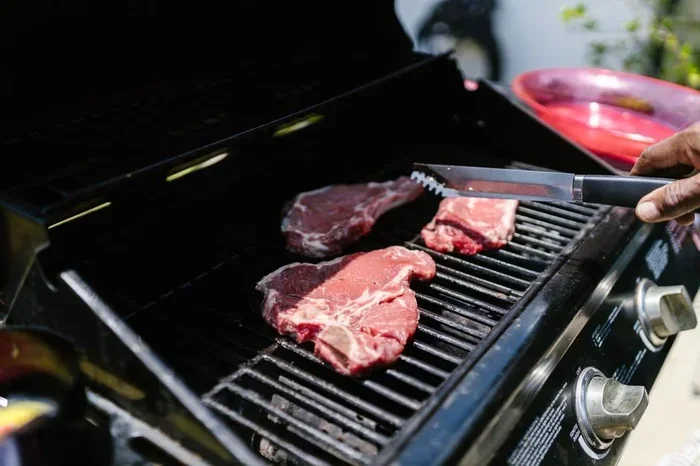
Cooking filet mignon to the right internal temperature is the single most important step for a perfect steak. This guide covers exact temperatures for every level of doneness, from rare to well done, plus expert tips on searing, resting, and using a meat thermometer. Whether you grill, pan sear, or use sous vide, you will find everything you need to nail your next filet mignon.
There is nothing quite like a perfectly cooked filet mignon. It is tender, juicy, and melts in your mouth. But achieving that perfect steak at home can feel tricky. The difference between a great steak and a forgettable one often comes down to one thing: filet mignon internal temperature. Getting the temperature right changes everything. This guide will walk you through exactly what temperature to aim for, how to measure it, and the simple steps to follow every time you cook a filet.
Whether you are grilling outdoors, searing in a cast iron pan, or trying sous vide for the first time, this filet mignon temperature guide has you covered. We will break down every level of doneness, share pro tips, and help you avoid the mistakes that ruin a good steak. By the end, you will feel confident cooking filet mignon to perfection.
Key Takeaways
- Target Temperature Matters: The ideal filet mignon internal temperature ranges from 130°F for medium rare to 155°F for well done.
- Use a Meat Thermometer: Always check the thickest part of the steak with a reliable meat thermometer for accuracy.
- Rest Your Steak: Letting the steak rest for 5 to 10 minutes allows juices to redistribute for a juicier bite.
- Searing Is Key: A hot cast iron skillet or grill creates a flavorful crust without overcooking the center.
- Avoid Common Mistakes: Cutting into the steak too early and skipping the rest are the top errors home cooks make.
- Sous Vide Offers Precision: Cooking filet mignon sous vide gives you exact control over the internal temperature.
- Start with Quality: A well-marbled, properly trimmed filet mignon produces better results at any temperature.
📑 Table of Contents
- Why Internal Temperature Is the Key to Perfect Filet Mignon
- The Best Tools for Measuring Filet Mignon Temperature
- How to Cook Filet Mignon to the Perfect Temperature
- Filet Mignon Temperature Guide: Exact Numbers for Every Doneness
- Resting Your Filet Mignon: Why It Matters
- Common Mistakes That Ruin Filet Mignon
- Expert Tips for Serving the Perfect Filet Mignon
- Final Thoughts on Filet Mignon Internal Temperature
Why Internal Temperature Is the Key to Perfect Filet Mignon
Filet mignon is a lean cut of beef. It comes from the smaller end of the tenderloin. Because it has less fat than ribeye or strip steak, it is more delicate. This means it can go from perfectly cooked to dry and tough very quickly. Cooking temperature is the biggest factor in determining the texture and juiciness of your steak.
When you cook a filet mignon, the heat causes the proteins in the meat to change. At lower temperatures, the steak stays soft and juicy. As the temperature rises, the muscle fibers tighten and squeeze out moisture. This is why a medium rare filet mignon at 130°F feels so much better than a well done filet mignon at 160°F. The leaner the cut, the more important temperature control becomes.
Understanding Steak Doneness Levels
Every level of steak doneness corresponds to a specific internal temperature range. Here is a quick breakdown of what each stage looks like:
- Rare (120°F 125°F): Cool red center. Very soft texture. Best for those who love a raw-ish feel.
- Medium Rare (130°F 135°F): Warm red center. This is the sweet spot for most steak lovers. Juicy and tender.
- Medium (140°F 145°F): Pink center. Slightly firmer but still moist. A safe choice for many cooks.
- Medium Well (150°F 155°F): Slight pink hint. Firmer texture. Less juicy than lower temps.
- Well Done (160°F+): No pink at all. Very firm. Can be dry with lean cuts like filet mignon.
For most people, medium rare filet mignon is the gold standard. It brings out the best flavor and keeps the meat tender. But personal preference always wins. Know your audience and cook accordingly.
The Best Tools for Measuring Filet Mignon Temperature
You cannot guess the internal temperature of a steak accurately. You need the right tool. A good meat thermometer is non-negotiable if you want consistent results. There are several types to choose from, and each has its strengths.
Instant-Read Thermometers
Instant-read thermometers are the go-to choice for most home cooks. You insert the probe into the thickest part of the steak, wait a few seconds, and get a reading. They are fast, affordable, and accurate. Look for one that reads in under 10 seconds. Some popular models are easy to use and give reliable steak temperature readings every time.
Wireless and Smart Thermometers
If you want to take your steak game to the next level, consider a wireless steak thermometer. These connect to your phone and let you monitor the temperature without opening the oven or grill lid. They are especially useful when oven-finishing a thick filet or smoking a steak low and slow.
Leave-In Probe Thermometers
Leave-in probes stay in the steak throughout the entire cook. They work great for oven roasting or grilling thicker cuts. The cord runs out of the oven or grill to a display unit. These are helpful if you want to track temperature changes over time without constantly checking.
Sous Vide Thermometers
Sous vide cooking relies entirely on precise temperature control. A sous vide filet mignon is cooked in a water bath set to your exact target temperature. This method eliminates guesswork entirely. The steak comes out perfectly edge-to-edge every single time. If you have ever struggled with uneven cooking, sous vide is a game changer.
No matter which type you choose, always make sure your thermometer is calibrated correctly. An inaccurate thermometer can send your perfectly good steak off course. Test it in ice water (should read 32°F) or boiling water (should read 212°F at sea level).
How to Cook Filet Mignon to the Perfect Temperature
Now that you know what temperatures to target, let us talk about how to actually cook the steak. The method you choose affects the final result more than you might think. Here are the most popular ways to cook filet mignon at home.
Pan Searing Filet Mignon
Pan searing is the classic method for cooking filet mignon. It gives you a beautiful brown crust while keeping the inside perfectly pink. Here is how to do it right:
- Take the filet mignon out of the fridge 30 to 45 minutes before cooking. Let it come to room temperature. This helps the steak cook more evenly.
- Pat the steak dry with paper towels. Moisture is the enemy of a good sear.
- Season generously with salt and pepper. You can add garlic powder or herbs if you like.
- Heat a cast iron skillet over high heat until it is smoking hot.
- Add a high smoke point oil like avocado oil or clarified butter.
- Place the filet in the pan and do not touch it for 3 to 4 minutes. Let the crust form.
- Flip the steak and add butter, garlic, and fresh thyme for extra flavor.
- Baste the steak with the melted butter for 2 to 3 minutes.
- Check the internal temperature with your meat thermometer. Remove when it is 5°F below your target.
The cast iron skillet holds heat incredibly well, which makes it ideal for getting a deep sear on a pan seared steak. If you do not have cast iron, a heavy stainless steel pan works too. Avoid nonstick pans for searing because they do not get hot enough.
Grilling Filet Mignon
Grilling adds a smoky flavor that is hard to replicate indoors. For the best results, use a two-zone fire setup. This means heating one side of the grill hot for searing and keeping the other side cooler for indirect cooking. Here is the process:
- Preheat your grill to high heat (about 450°F 500°F on the hot side).
- Sear the filet mignon over direct high heat for 2 to 3 minutes per side.
- Move the steak to the cooler side of the grill and close the lid.
- Cook until the internal temperature reaches 5°F below your target.
- Remove and let the steak rest before serving.
Grilling works especially well for thicker filets that are 2 inches or more. The indirect heat gently brings the center up to temperature without burning the outside. If you are using a gas grill, simply turn off one burner and place the steak over it.
Oven Finishing for Thick Filets
If your filet mignon is thick (2.5 inches or more), starting on the stovetop and finishing in the oven is a great technique. Sear both sides in a hot skillet for about 2 minutes each, then transfer the skillet to a preheated 400°F oven. Cook until the internal temp is 5°F below your desired doneness. This method gives you a great crust and a perfectly even cook from edge to center.
Sous Vide Filet Mignon
Sous vide is the most precise method for cooking filet mignon. You seal the steak in a bag and cook it in a water bath at your exact target temperature for 1 to 2 hours. Because the water temperature never exceeds your set point, the steak cannot overcook. After the sous vide bath, sear the steak quickly in a ripping hot cast iron skillet for 30 to 60 seconds per side. This gives you a crust while keeping the inside exactly at your target steak doneness.
Many professional chefs swear by sous vide for filet mignon. It removes almost all the stress from cooking steak. You can prepare the steak ahead of time and sear it just before serving. This makes it perfect for dinner parties when you want to impress your guests without stress.
Filet Mignon Temperature Guide: Exact Numbers for Every Doneness
Here is a clear reference table showing the target pull temperature and final resting temperature for each level of doneness. Remember to pull the steak 5°F early because the temperature will rise during resting.
| Doneness | Target Internal Temp (Pull) | Final Temp After Resting | Center Appearance |
|---|---|---|---|
| Rare | 115°F 120°F | 120°F 125°F | Cool red center |
| Medium Rare | 125°F 130°F | 130°F 135°F | Warm red center |
| Medium | 135°F 140°F | 140°F 145°F | Pink center |
| Medium Well | 145°F 150°F | 150°F 155°F | Slight pink hint |
| Well Done | 155°F 160°F | 160°F 165°F | No pink, gray-brown |
The pull temperature is the most important number to remember. Always remove your filet mignon from the heat source 5 degrees before it hits your target. This accounts for carryover cooking, which is the continued rise in temperature after the steak comes off the heat. Skipping this step is one of the most common reasons steaks end up overcooked.
Quick Tips for Perfect Temperature Control
- Always measure the temperature at the thickest point of the steak.
- Insert the thermometer probe horizontally into the center of the meat.
- Do not touch bone or fat with the probe. These conduct heat differently than the meat itself.
- Check the temperature in multiple spots if the steak is very thick.
- Use a timer as a backup but never rely on time alone. Every steak is different.
- If using a grill thermometer, keep the lid closed to maintain consistent heat.
Resting Your Filet Mignon: Why It Matters
Resting is the step most home cooks skip, and it is the one that makes the biggest difference. When you pull a hot steak off the heat, the juices inside are concentrated near the center. If you cut into it immediately, those juices run out onto the cutting board instead of staying in the meat. The result is a dry steak.
Letting the steak rest for 5 to 10 minutes allows the juices to redistribute throughout the meat. The internal temperature will also rise by 3 to 5 degrees during this time (this is carryover cooking). A wire rack works well for resting because it allows air to circulate around the steak.
During resting, you can use the time to make a quick pan sauce from the drippings left in the skillet. Just add a splash of beef broth, a knob of butter, and some fresh herbs. Pour it over the rested steak and you have a restaurant-quality dish at home.
Common Mistakes That Ruin Filet Mignon
Even experienced home cooks make mistakes when cooking filet mignon. Here are the most common errors and how to avoid them.
Starting with a Cold Steak
Never cook a filet mignon straight from the refrigerator. A cold center means the outside will be overcooked by the time the inside reaches temperature. Always let the steak sit at room temperature for at least 30 minutes before cooking. This simple step leads to a much more even cook.
Not Using a Thermometer
The finger press test is unreliable. Even experienced cooks misjudge the temperature of a steak by touch. A meat thermometer takes the guesswork out completely. Invest in a good one and use it every time. Your steaks will be more consistent from cook to cook.
Cutting Into the Steak to Check
Never cut into the steak to see if it is done. Every time you cut into it, you release juices that cannot be recovered. Use a thermometer instead. If you must check, make your cut near the edge where it will be less noticeable.
Skipping the Sear
While internal temperature is the most important factor, the sear adds flavor and texture that makes a filet mignon truly special. A deep brown crust creates hundreds of new flavor compounds through the Maillard reaction. Do not skip this step, even if you are cooking sous vide.
Overcooking the Steak
Filet mignon is a lean cut. It does not have the fat marbling of a ribeye to protect it from drying out. Once it passes medium well, the steak becomes noticeably drier and less tender. Stick to medium rare or medium for the best results with this cut.
Expert Tips for Serving the Perfect Filet Mignon
Once your filet mignon hits the perfect internal temperature and has rested properly, it is time to serve. Here are a few tips to elevate your presentation and flavor.
- Slice against the grain: This shortens the muscle fibers and makes each bite more tender.
- Add a finishing salt: A sprinkle of flaky sea salt on top right before serving adds a nice crunch and burst of flavor.
- Pair with a simple side: Roasted asparagus, garlic mashed potatoes, or a fresh side salad complement filet mignon without overwhelming it.
- Use a sharp knife: A dull knife will tear the meat instead of slicing cleanly. If your blade needs attention, learn how to sharpen a filet knife properly to get clean cuts every time.
- Keep leftovers safe: Store any remaining steak in high-temperature plastic wrap or an airtight container in the fridge. Proper storage keeps the steak fresh for up to 3 days.
When you serve a perfectly cooked filet mignon, the results speak for themselves. The tender, juicy center and the flavorful crust create a dining experience that rivals any steakhouse. With the right temperature and a little practice, you can consistently deliver steak that wows every time.
Final Thoughts on Filet Mignon Internal Temperature
Cooking the perfect filet mignon is simpler than most people think. The secret is paying close attention to the internal temperature and removing the steak from heat at just the right moment. Use a reliable thermometer, let the steak rest, and trust the process. Whether you prefer a rare steak with a cool red center or a more cooked well done option, knowing your exact target temperature puts you in control.
The difference between a good steak and a great steak is often just a few degrees. Once you understand how temperature affects texture and juiciness, you will never look at a filet mignon the same way again. Keep practicing, keep measuring, and most importantly, enjoy the process. Great steak starts in the kitchen, and it starts with temperature.
Remember to take care of your tools too. A sharp knife makes cleaner cuts, and a calibrated thermometer gives you accurate readings every time. These small details add up to big improvements in your cooking. With this guide in hand, you have everything you need to cook a filet mignon that is tender, juicy, and cooked exactly the way you like it.
Frequently Asked Questions
What is the best internal temperature for filet mignon?
The best internal temperature for filet mignon is 130°F to 135°F for medium rare. This is the sweet spot where the steak is juicy, tender, and full of flavor. If you prefer a different level of doneness, simply adjust the target temperature using the guide above. Always pull the steak 5°F before your target to account for carryover cooking.
How do I know when my filet mignon is done without cutting into it?
The best way to check doneness without cutting is to use a meat thermometer. Insert it into the thickest part of the steak and compare the reading to the temperature guide. The finger press test can give you a rough estimate but is not as reliable. A thermometer removes all guesswork and gives you consistent results every time.
Can you overcook filet mignon?
Yes, filet mignon can easily become overcooked because it is a lean cut with less fat marbling. Once the internal temperature goes above 150°F, the steak starts to dry out quickly. Stick to medium rare or medium for the best texture and juiciness. Overcooked filet mignon becomes tough and loses its signature tenderness.
How long should I let filet mignon rest before serving?
Let your filet mignon rest for 5 to 10 minutes after cooking. This allows the juices to redistribute throughout the meat, making each bite more flavorful and juicy. During resting, the internal temperature will also rise by 3 to 5 degrees. Use this time to prepare a quick pan sauce or set the table.
Is sous vide the best method for cooking filet mignon?
Sous vide is one of the most precise methods for cooking filet mignon because it gives you exact control over the internal temperature. The steak cooks edge-to-edge at your target temperature with no risk of overcooking. After the sous vide bath, a quick sear in a hot cast iron skillet adds the flavorful crust. Many home cooks and professional chefs prefer this method for its consistency.
What temperature should I pull my filet mignon off the heat?
Always pull your filet mignon off the heat 5°F below your target final temperature. This accounts for carryover cooking, which raises the internal temperature by 3 to 5 degrees during resting. For example, pull at 125°F for a final medium rare temperature of 130°F after resting. Using a reliable steak thermometer makes this easy to track.
=== CONCLUSION ===
Mastering the filet mignon internal temperature is the single most important skill for cooking a great steak at home. Whether you grill, pan sear, or use sous vide, knowing your target temperature and pulling the steak at the right moment makes all the difference. Use a meat thermometer, rest your steak properly, and avoid the common mistakes that lead to dry, overcooked meat. With practice and the tips from this guide, you will cook filet mignon that is tender, juicy, and cooked exactly to your liking every single time.



