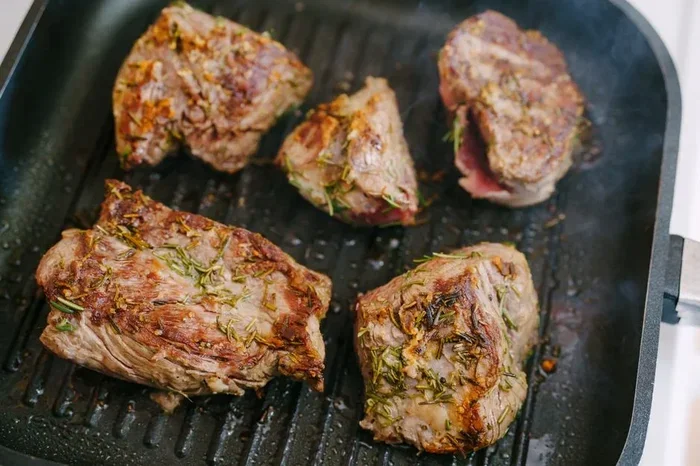
Filet mignon seared then oven roasted is the ultimate method for achieving a golden crust with a perfectly pink center. This technique combines the best of stovetop searing and oven roasting to deliver restaurant-quality steak at home. You will learn the exact temperatures, timing, and simple steps to nail this method every single time.
There is something truly special about a perfectly cooked filet mignon. It is tender, juicy, and full of flavor. Many home cooks think that getting a great steak requires a fancy restaurant or expensive equipment. But that is simply not true. The method of filet mignon seared then oven roasted is simple, reliable, and produces amazing results every time.
Whether you are cooking for a date night or a special family dinner, this technique will impress everyone at the table. You get a gorgeous brown crust on the outside and a perfectly pink center on the inside. The best part? You do not need to be a professional chef to pull it off. With just a few basic tools and a little patience, you can create steak that rivals the best steakhouses in town.
In this guide, we will walk you through every step of the process. You will learn how to choose the right cut, how to sear it properly, and how to finish it in the oven for the perfect doneness. We will also share common mistakes to avoid and tips that will take your steak game to the next level.
Key Takeaways
- Searing then oven roasting creates a beautiful crust while keeping the inside tender and juicy.
- A cast iron skillet is the best pan for searing filet mignon because it holds heat evenly.
- The ideal oven temperature for finishing filet mignon is 400°F for most doneness levels.
- Always let your steak rest for at least 5 minutes after cooking to lock in the juices.
- Use a meat thermometer to check internal temperature and avoid overcooking.
- Patting the steak dry before searing is the secret to a deep, golden steak crust.
- This method works for both fresh and thawed filet mignon with great results.
📑 Table of Contents
Why Sear Then Oven Roast Filet Mignon?
The combination of searing and oven roasting is called a hybrid cooking method. It uses the best of both techniques to deliver outstanding results. Searing creates a flavorful brown crust through the Maillard reaction. This is a chemical process that happens when high heat meets the proteins and sugars on the surface of the meat.
But searing alone does not cook the steak evenly. That is where the oven comes in. The gentle, surrounding heat of the oven cooks the inside of the filet mignon evenly. This means no more gray bands or overcooked edges. The center stays perfectly pink and juicy.
This method also gives you more control. You decide how dark you want the crust on the stovetop. Then you use the oven to reach your desired level of doneness. It is a foolproof approach that works beautifully every time.
The Science Behind Searing
Many people believe that searing locks in juices. That is actually a myth. Searing does something even better. It creates hundreds of complex flavor compounds on the surface of the meat. These compounds give steak its rich, savory, and deeply satisfying taste. The browning you see on a perfectly seared steak is packed with umami flavor.
The oven then takes over to cook the interior gently. Because the oven heat surrounds the steak evenly, there is no hot spot or cold spot. The whole filet mignon cooks at the same rate. This is why the seared then oven method is so popular among home cooks and professional chefs alike.
Choosing the Right Filet Mignon
Not all filet mignon cuts are created equal. The quality of your steak starts at the butcher counter or grocery store. Here are the key things to look for when selecting your filet mignon.
Thickness matters a lot. Look for steaks that are at least 1.5 inches thick. Thin steaks will overcook before you get a good sear. Thick steaks give you room to work with. They allow you to build a deep crust without burning the outside before the inside is done.
Look for good marbling. Marbling is the thin white streaks of fat running through the meat. More marbling means more flavor and more juiciness. Filet mignon is naturally lean compared to other steaks. So a little marbling goes a long way.
Color is important too. The meat should be a bright cherry-red color. Avoid any steak that looks brown or gray. A good filet mignon should also smell fresh and clean. Trust your nose. If something does not smell right, choose a different cut.
Before you start cooking, take the steak out of the fridge about 30 minutes ahead. Let it come closer to room temperature. This helps the steak cook more evenly. It also reduces the cooking time in the oven.
The Perfect Sear: Step by Step
Searing is the most exciting part of the process. It is where the magic happens. Follow these steps to get the best possible crust on your filet mignon.
Step 1: Pat the steak dry. Use paper towels to press the surface of the steak firmly. Remove as much moisture as you can. A dry surface is the key to a great sear. Wet steak will steam instead of brown. You want browning, not steaming.
Step 2: Season generously. Use coarse salt and freshly cracked black pepper. Apply the seasoning to all sides of the steak. You can also add garlic powder or a touch of smoked paprika for extra flavor. Keep it simple if you want to taste the pure beef flavor.
Step 3: Heat your pan. A cast iron skillet is the best choice for searing steak. It holds heat incredibly well and distributes it evenly. Place the skillet over high heat for about 3 to 5 minutes. You want the pan to be ripping hot before the steak touches it.
Step 4: Add oil. Use a high smoke point oil like avocado oil or grapeseed oil. Olive oil is not ideal for searing because it burns at lower temperatures. Add just enough oil to coat the bottom of the pan.
Step 5: Place the steak in the pan. Lay it away from you to avoid any oil splatter. Do not move the steak for about 2 to 3 minutes. Let the crust form. You will hear a loud sizzling sound. That is exactly what you want to hear.
Step 6: Flip and sear the other side. Use tongs to gently turn the steak. Sear each side for 2 to 3 minutes. If your steak is thick, you can also sear the edges. Hold the steak upright with tongs and press the edges against the pan for about 30 seconds each.
Quick Tips for a Perfect Sear
- Do not crowd the pan. Sear one steak at a time if possible.
- Do not press down on the steak with a spatula. You will squeeze out the juices.
- Listen for a steady sizzle. If the sound fades, your pan is not hot enough.
- Make sure your pan is completely dry before adding oil. Water and hot oil do not mix well.
Oven Roasting Your Filet Mignon
Once both sides have a beautiful golden crust, it is time to move the steak to the oven. This is where the inside of the filet mignon comes to perfection.
Preheat your oven to 400°F. While the oven is heating up, you can place the skillet with the seared steak directly inside. Cast iron skillets go from stovetop to oven safely. Just make sure the handle is positioned away from the heat source.
Here is a simple guide for oven roasting times based on thickness and doneness:
- 1.5 inch steak: About 6 to 8 minutes for medium rare.
- 2 inch steak: About 8 to 10 minutes for medium rare.
- 2.5 inch steak: About 10 to 12 minutes for medium rare.
These times are approximate. The best way to know for sure is to use a meat thermometer. Insert it into the thickest part of the steak. Here are the internal temperatures you are aiming for:
- 120°F for rare
- 130°F for medium rare
- 140°F for medium
- 150°F for medium well
Remember that the temperature will rise about 5 degrees after you take the steak out of the oven. This is called carryover cooking. So pull the steak out a few degrees before your target temperature.
Can You Use a Baking Dish Instead?
If you do not have a cast iron skillet, you can use a baking dish for the oven portion. Just make sure it is oven safe. Some glass or ceramic dishes are not designed for high heat. Check the bottom of the dish for an oven-safe label. You can also place the seared steak on a wire rack set inside a baking sheet. This allows air to circulate around the steak for even cooking.
Resting and Serving Your Steak
This is the step most people skip. But resting is just as important as searing and roasting. When you take the steak out of the oven, place it on a cutting board. Cover it loosely with aluminum foil. Let it rest for at least 5 minutes. Do not skip this step.
During resting, the juices inside the steak redistribute. They move from the center toward the edges. This makes every bite moist and flavorful. If you cut into the steak right away, all those juices will run out onto the cutting board. You will end up with a dry steak.
After resting, you can slice the filet mignon against the grain. Use a sharp knife for clean cuts. A dull knife will tear the meat instead of slicing it smoothly. If you need help keeping your knife sharp, check out our guide on how to sharpen a filet knife.
Serving Suggestions
Filet mignon pairs beautifully with many sides. Here are some ideas to complete your meal:
- Roasted garlic mashed potatoes
- Sautéed asparagus or green beans
- A simple mixed green salad with vinaigrette
- Creamy spinach or creamed mushrooms
- Roasted root vegetables
For a special touch, drizzle a little melted herb butter over the top of each slice. It adds richness and a beautiful aroma that will make your kitchen smell incredible.
Common Mistakes to Avoid
Even experienced cooks make mistakes when preparing filet mignon. Here are the most common errors and how to avoid them.
Starting with a cold steak. A cold steak in a hot pan will cook unevenly. The outside will burn before the inside is done. Always let your steak temper on the counter for about 30 minutes before cooking.
Not drying the surface. Moisture is the enemy of a good sear. Water creates steam, and steam prevents browning. Always pat your steak dry with paper towels before seasoning.
Using the wrong pan. Thin pans do not retain enough heat for a proper sear. A heavy cast iron skillet or stainless steel pan works best. Avoid nonstick pans for searing. They do not get hot enough to create a good crust.
Overcooking in the oven. The oven is gentle, but it still cooks the steak. Use a thermometer. Do not rely on time alone. Every oven is slightly different, and steak thickness varies.
Cutting too soon. Resist the urge to cut into the steak right away. Let it rest. You will be rewarded with juicier, more flavorful bites.
Expert Insights: Pro Tips for Perfect Filet Mignon
Professional chefs use a few tricks that make a huge difference at home. Here are some insider tips to elevate your filet mignon seared then oven roasted steak.
Use compound butter. Mix softened butter with minced garlic, fresh herbs like rosemary and thyme, and a pinch of salt. Roll it into a log using plastic wrap and refrigerate. Place a slice on top of the hot steak right after it comes out of the oven. The heat will melt the butter over the steak, adding incredible flavor.
Add fresh herbs to the pan. After you sear the steak, throw a few sprigs of fresh rosemary or thyme into the hot pan. The aromatics will infuse the oil and add a subtle herbal fragrance to the crust.
Baste the steak. After flipping the steak during searing, tilt the pan slightly and spoon the hot oil and butter over the steak repeatedly. This is called basting. It cooks the top of the steak gently and adds extra flavor and richness.
Finish with a touch of flaky sea salt. After the steak rests and is ready to serve, sprinkle a small amount of flaky sea salt on top. The crunch and burst of saltiness contrast beautifully with the tender steak.
For oven safety tips when using different cookware, you can also check our guide on how to tell if glass is oven safe to make sure your dishes handle high temperatures properly.
Frequently Asked Questions
How long should I sear filet mignon on each side?
Sear each side for about 2 to 3 minutes over high heat. The goal is to get a deep golden-brown crust without burning the surface. If your steak is very thick, you may also want to sear the edges for about 30 seconds each. A hot pan and a dry steak surface are the keys to a quick, even sear.
What is the best oven temperature for finishing filet mignon?
400°F is the sweet spot for most filet mignon steaks. It cooks the interior evenly without drying out the meat. If you prefer a slower cook, you can lower the temperature to 350°F and extend the time slightly. The lower temperature gives you more control and reduces the risk of overcooking.
Do I need to cover the steak while it rests?
No, you do not need to cover it tightly. Loosely tent the steak with aluminum foil to keep it warm. A tight cover will trap too much steam and soften the crust you worked so hard to create. A loose tent is the perfect balance between warmth and crust preservation.
Can I sear filet mignon in a nonstick pan?
You can, but it is not ideal. Nonstick pans do not get as hot as cast iron or stainless steel. A lower maximum temperature means a less impressive crust. If you only have a nonstick pan, heat it as hot as it safely goes and use a high smoke point oil for the best results.
How do I know when my filet mignon is done?
The most reliable method is using a meat thermometer. Insert it into the thickest part of the steak. For medium rare, aim for 130°F. Remember that the temperature will rise about 5 degrees during resting. Pull the steak out a few degrees early and let carryover cooking do the rest.
Should I use butter or oil for searing filet mignon?
Use oil for the actual searing. Butter has a lower smoke point and will burn at the high temperatures needed for a good sear. You can add a tablespoon of butter to the pan after searing to baste the steak, but start with oil for the initial sear.
Conclusion
Cooking filet mignon seared then oven roasted is one of the most rewarding things you can do in the kitchen. It is simpler than it looks, and the results are absolutely stunning. The golden crust, the juicy pink center, and the incredible aroma will make you feel like a professional chef.
Start with a good cut of meat. Pat it dry. Season it well. Sear it hot and fast. Then let the oven do the gentle work of cooking the inside to perfection. Let it rest. Slice it against the grain. Serve it with your favorite sides and enjoy every single bite.
This method works every time. Once you master it, you will never go back to overcooked, dry steak again. Practice the technique a few times, and soon it will feel like second nature. Your family and friends will be asking you for this recipe again and again. So grab a filet mignon, heat up your skillet, and get ready to create something truly delicious.