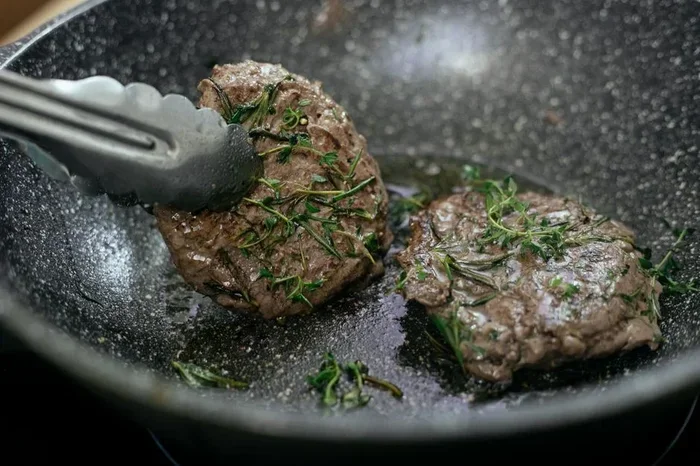
Finishing filet mignon in the oven is the secret to achieving a golden crust and a perfectly juicy center. This guide covers oven temperatures, searing techniques, timing, and pro tips so you can cook a tender, flavorful steak with confidence. Whether you are a beginner or a seasoned home cook, you will find practical steps to elevate your filet mignon game.
There is something truly special about a perfectly cooked filet mignon. It is tender, juicy, and elegant all at once. Many home cooks think that achieving this level of perfection requires a fancy restaurant or expensive equipment. But the truth is, finishing filet mignon in the oven is one of the simplest and most effective methods you can use. You do not need a grill or a fancy sear station. A good skillet and a hot oven are all you need.
The beauty of this approach lies in the combination of a hard sear on the stovetop and gentle, even heat from the oven. The stovetop creates that deep, caramelized crust you love on a great steak. The oven then gently brings the center up to your desired doneness without burning the outside. This method, sometimes called the reverse sear or the oven-finishing technique, gives you incredible control over the final result.
In this guide, we walk you through every step of the process. From choosing the right cut to pulling it off the heat at the perfect moment, you will learn exactly how to finish filet mignon in the oven like a pro. We also cover common mistakes, pro tips, and the science behind why this method works so well.
Key Takeaways
- Sear first, finish second: Always start filet mignon on the stovetop to build a flavorful crust before moving it to the oven.
- Keep oven temperature moderate: A range of 375°F to 400°F works best for finishing without overcooking the exterior.
- Use a meat thermometer: Internal temperature is the most reliable way to gauge doneness for filet mignon.
- Rest the steak after cooking: Letting it rest for 5 to 8 minutes redistributes juices for a more tender bite.
- Butter basting adds richness: Basting the steak with butter and aromatics while it finishes in the oven enhances flavor significantly.
- Avoid common mistakes: Skipping the sear, overcrowding the pan, and cutting too early are the top errors to avoid.
📑 Table of Contents
Why Finish Filet Mignon in the Oven?
You might wonder why finishing in the oven is better than just cooking the steak entirely on the stovetop. The answer comes down to heat control. A stovetop burner puts intense direct heat on the bottom of the steak. If you try to cook the entire steak on the stove, the outside will burn long before the center reaches the right temperature.
The oven surrounds the steak with gentle, even heat. This allows the interior to cook slowly and uniformly. The result is a steak that is pink and juicy from edge to edge, with a beautifully browned crust on the outside.
Better Control Over Doneness
When you finish filet mignon in the oven, you have much more control over the final doneness. The oven does the slow, steady work while you focus on the sear. This means fewer guesswork moments and more consistent results every single time.
Even Cooking Throughout
Oven heat wraps around the steak from all sides. Unlike a stovetop, which only heats from below, the oven cooks the edges and the top at the same rate. This leads to a more uniform temperature gradient inside the meat. The center warms up gently, and you avoid that annoying cold spot in the middle.
Easier to Achieve Medium-Rare
Medium-rare is the sweet spot for filet mignon. It is tender, flavorful, and has a beautiful rosy center. The oven-finishing method makes it much easier to hit this target. You sear both sides quickly, then let the oven do the rest. Most steaks reach medium-rare in just 6 to 10 minutes in a 400°F oven.
The Best Oven Temperature for Filet Mignon
Choosing the right oven temperature is one of the most important steps. Too hot and you will overcook the outside before the center is done. Too cool and the steak will take forever to finish. The sweet spot is between 375°F and 400°F.
Why 400°F Works Best
At 400°F, the oven radiates enough heat to cook the steak efficiently without scorching it. The steak gets a gentle push toward your target internal temperature while the crust stays intact. This temperature also works well with butter basting, which we will cover in a later section.
Adjusting for Thickness
The thickness of your filet mignon matters a lot. A thin cut, about 1 inch thick, may only need 4 to 6 minutes in the oven. A thicker cut, 2 inches or more, could take 8 to 12 minutes. Adjust your time based on the size of the steak and your target doneness.
Comparison: Oven Temperatures and Cooking Times
- 375°F: Best for thicker cuts (2 inches). Cooks more gently, giving you extra control. Expect 10 to 12 minutes for medium-rare.
- 400°F: The most popular choice. Works well for steaks between 1 and 2 inches thick. Expect 6 to 10 minutes for medium-rare.
- 425°F: Use only if you are in a hurry. Higher risk of overcooking the exterior. Limit to 1-inch steaks and check frequently.
For the best results, most cooks prefer 400°F. It strikes the perfect balance between speed and control. If you want to compare oven-finishing techniques with other methods, check out how broiling a hamburger in the oven uses a similar high-heat approach for quick cooking.
How to Sear and Finish Filet Mignon in the Oven
Now let us get into the actual cooking process. This is where the magic happens. Follow these steps carefully, and you will pull out a stunning filet mignon every time.
Step 1: Prep the Steak
Remove the filet mignon from the refrigerator 30 to 45 minutes before cooking. Let it come closer to room temperature. Cold steak straight from the fridge cooks unevenly. The outside will be overdone by the time the center warms up. Pat the steak dry with paper towels. Dry meat sears better. Moisture on the surface creates steam instead of a crisp crust.
Step 2: Season Generously
Season both sides with kosher salt and freshly cracked black pepper. You can also add garlic powder, smoked paprika, or your favorite steak seasoning. Keep it simple. Filet mignon is already tender and mild. You do not need to mask its flavor. Just enhance it.
Step 3: Sear on the Stovetop
Place a cast iron skillet or oven-safe pan over high heat. Add a high-smoke-point oil like avocado or grapeseed oil. Once the oil is shimmering, lay the steak in the pan. Do not move it. Let it sear for 2 to 3 minutes on each side. You want a deep golden-brown crust. Use tongs to sear the edges briefly as well.
If you are new to pan searing, the sizzle and sound are your best indicators. A loud, steady sizzle means the pan is hot enough. A gentle simmer means the pan is too cool.
Step 4: Transfer to the Oven
Once both sides are seared, move the entire skillet into the preheated oven. If your skillet is not oven-safe, transfer the steak to an oven-safe dish or baking sheet first. The oven-finishing time depends on thickness and desired doneness. Use a meat thermometer to check the internal temperature through the thickest part of the steak.
For those who prefer a hands-off approach, finishing steak in the oven is one of the easiest methods to master. It frees you from standing over a hot pan and constantly monitoring the meat.
Step 5: Butter Baste (Optional but Recommended)
About halfway through the oven-finishing time, open the oven and add a tablespoon of butter, a crushed garlic clove, and a sprig of fresh thyme to the skillet. Tilt the pan slightly and use a spoon to baste the melting butter over the steak. This adds incredible richness and aroma. It is a restaurant trick that works beautifully at home.
If you enjoy the basting technique, you might also appreciate how using the right pan for oven-cooked meats makes a difference in heat distribution and flavor development.
Step 6: Rest and Serve
Pull the steak out of the oven when it is 5°F below your target internal temperature. The temperature will continue to rise during resting. Place the steak on a cutting board and let it rest for 5 to 8 minutes. This allows the juices to redistribute throughout the meat. Cutting too early releases those juices onto the board instead of keeping them in the steak.
How to Know When Filet Mignon Is Done
Knowing when your filet mignon is done is the skill that separates good cooks from great ones. The most reliable tool is a digital instant-read meat thermometer. Here are the internal temperatures you should target for each level of doneness.
- Rare: 120°F to 125°F. Very red and cool in the center.
- Medium-Rare: 130°F to 135°F. Warm red center. This is the recommended doneness for filet mignon.
- Medium: 140°F to 145°F. Pink center with some warmth.
- Medium-Well: 150°F to 155°F. Slight pink hint. Not recommended for filet mignon as it can dry out.
- Well-Done: 160°F and above. Gray throughout. Avoid for filet mignon.
Remember that the temperature will rise 5 to 10 degrees after you pull the steak from the oven. This is called carryover cooking. Always pull the steak a few degrees early to account for this.
Using Touch as a Guide
If you do not have a thermometer, you can use the touch test. Press the center of the steak with your finger. Rare feels like the fleshy part of your palm when your thumb touches your thumb. Medium-rare feels like touching your thumb to your index finger. Medium feels like touching to your middle finger. Practice this a few times and you will develop a feel for it.
Common Mistakes to Avoid
Even experienced cooks make mistakes when finishing filet mignon in the oven. Here are the most common ones and how to avoid them.
- Skipping the sear: The oven alone will not give you a crust. Always start with a hot pan and a good sear on the stovetop.
- Using a cold steak: Cold meat cooks unevenly. Always let the steak temper on the counter for at least 30 minutes before cooking.
- Overcrowding the pan: Give each steak room in the skillet. Crowding creates steam and prevents a proper sear.
- Cutting too early: Resist the urge to cut into the steak right away. Let it rest so the juices settle back in.
- Guessing the temperature: Always use a meat thermometer. Guessing leads to overcooked or undercooked steak more often than not.
- Using the wrong oil: Olive oil has a low smoke point and will burn in a hot skillet. Stick to avocado oil, grapeseed oil, or canola oil.
Avoiding these simple mistakes will dramatically improve your results. For another method of cooking meat in the oven with careful timing, you can look at how how long chicken breast in oven 350 uses precise temperature and timing to achieve perfect results.
Pro Tips for Perfect Oven-Finished Filet Mignon
Here are some expert-level tips that will take your filet mignon to the next level. These small details make a big difference.
- Use a wire rack: Placing the steak on a wire rack over a baking sheet allows hot air to circulate underneath. This promotes even cooking on all sides.
- Add fresh herbs to the butter: Rosemary, thyme, and sage pair beautifully with filet mignon. Add them to the butter during basting for an aromatic boost.
- Finish with a flaky salt sprinkle: After resting, sprinkle flaky sea salt on top. It adds a satisfying crunch and bursts of flavor.
- Let the steak breathe: Do not cover the steak while resting. Covering traps steam and softens the crust you worked hard to build.
- Slice against the grain: When serving, cut perpendicular to the muscle fibers. This makes each slice more tender and easier to chew.
- Pair with a compound butter: A garlic herb compound butter melting over a hot filet mignon is absolutely irresistible.
The secret to a great filet mignon is patience and attention to detail. Take your time with each step. The result is worth every minute of effort.
Final Thoughts on Finishing Filet Mignon in the Oven
Finishing filet mignon in the oven is a game-changer for home cooks. It gives you restaurant-quality results with minimal stress. The combination of a hard stovetop sear and gentle oven heat creates a steak that is juicy, tender, and beautifully caramelized on the outside.
Remember the key steps: bring the steak to room temperature, season well, sear hard on the stovetop, finish in a 400°F oven, and rest before serving. Use a meat thermometer to hit your target doneness every time. Avoid the common mistakes that trip up most beginners.
With a little practice, you will be able to finish filet mignon in the oven effortlessly. You will impress your family and guests with steak that rivals anything from a fine dining restaurant. So grab a skillet, preheat that oven, and get cooking. Your perfect filet mignon is just a few steps away.
Frequently Asked Questions
Can you finish a raw filet mignon in the oven without searing?
You can, but the result will not be as flavorful. Searing creates the Maillard reaction, which produces the rich, brown crust and deep flavor that makes steak so delicious. If you skip the sear, you will get a uniformly gray steak with less complexity of flavor. Always start with a good sear for the best results.
How long should you let filet mignon rest after finishing in the oven?
Let the steak rest for 5 to 8 minutes on a cutting board. This allows the juices to redistribute throughout the meat. If you cut too soon, the juices will run out and the steak will be less juicy. Do not cover the steak while resting, as trapped steam can soften the crust.
What is the best pan for finishing filet mignon in the oven?
A cast iron skillet is the best choice. It retains heat extremely well and creates an excellent sear. Stainless steel and oven-safe skillets also work well. Avoid nonstick pans for searing, as they do not get hot enough to develop a proper crust.
Can you use a convection oven to finish filet mignon?
Yes, a convection oven works well for finishing filet mignon. The fan circulates hot air around the steak, promoting even cooking. You may need to reduce the temperature by 25°F and check the steak a few minutes earlier than with a conventional oven.
What temperature should the oven be set to when finishing filet mignon?
Set the oven to 375°F to 400°F for finishing filet mignon. This range provides gentle, even heat that cooks the center without burning the seared crust. 400°F is the most popular choice and works well for steaks between 1 and 2 inches thick.
How do you know when the filet mignon is done in the oven?
The most accurate way is to use a digital instant-read meat thermometer. For medium-rare, pull the steak at 130°F to 135°F internal temperature. Remember that the temperature will rise 5 to 10 degrees during resting. Touch tests can also help you gauge doneness if you do not have a thermometer.