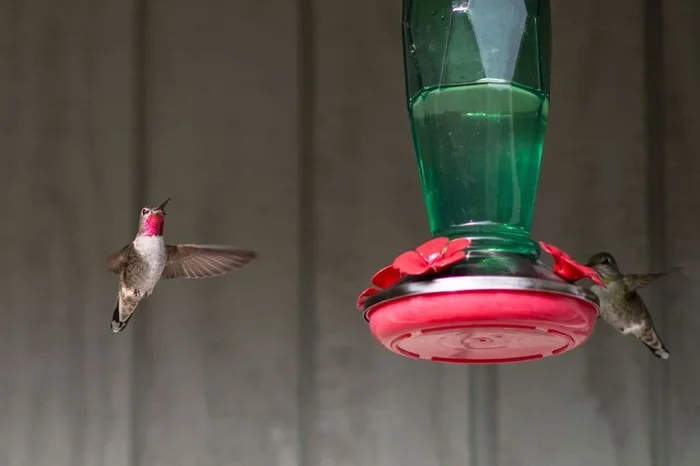
Making hummingbird food at home is simple, affordable, and far better than store-bought options. This guide walks you through the exact hummingbird food recipe using white sugar and water, plus tips for serving, storing, and attracting more hummingbirds to your yard. Whether you are a beginner or a seasoned bird watcher, you will find everything you need here.
There is something magical about watching a hummingbird hover near your window. These tiny, vibrant creatures bring life to any garden. And the best part? You can attract them easily with a simple hummingbird food recipe you make right in your kitchen.
Store-bought hummingbird nectar often contains unnecessary additives and red dye. Making your own nectar is cheaper, healthier, and takes less than five minutes. This guide covers everything from the basic hummingbird food recipe to expert tips that will turn your yard into a hummingbird paradise.
Whether you are new to bird feeding or looking to improve your current setup, you are in the right place. Let us dive into the simplest and most effective way to feed hummingbirds at home.
Key Takeaways
- Easy Recipe: You only need white sugar and water to make safe hummingbird nectar.
- No Red Dye: Never use artificial coloring. It can harm hummingbirds.
- Proper Ratio: A 1:4 sugar-to-water ratio mimics natural flower nectar perfectly.
- Fresh is Best: Always serve fresh nectar and change it every 2 to 3 days.
- Clean Feeders: Regular cleaning prevents mold and keeps hummingbirds healthy.
- Storage Matters: Use best large glass jars for food storage to keep extra nectar fresh in your refrigerator.
📑 Table of Contents
- What Is Hummingbird Food and Why Make It at Home?
- The Simple Hummingbird Food Recipe
- Ingredients You Will Need
- Step-by-Step Guide to Making Hummingbird Nectar
- Tips for Attracting More Hummingbirds
- Common Mistakes to Avoid When Making Hummingbird Food
- How Often Should You Change Hummingbird Nectar?
- Frequently Asked Questions
- Conclusion
What Is Hummingbird Food and Why Make It at Home?
Hummingbird food, also known as hummingbird nectar, is a sugar-water solution that mimics the natural nectar found in flowers. Hummingbirds need this energy-rich liquid to fuel their incredibly fast metabolism and high-energy lifestyle.
Making your own hummingbird food recipe at home gives you full control over what goes into it. You avoid preservatives, artificial colors, and unknown sweeteners. Plus, it costs pennies per batch compared to commercial options.
Here is why homemade nectar wins every time:
- Pure ingredients: Only sugar and water, nothing else.
- Cost effective: A single batch costs less than a few cents.
- Freshness: You make it when you need it.
- Safe: No harmful chemicals or dyes.
- Flexible: You can adjust the batch size easily.
When you make your own hummingbird nectar recipe, you are giving these beautiful birds exactly what they need. No more guessing what is inside that brightly colored store-bought liquid.
The Simple Hummingbird Food Recipe
The basic hummingbird food recipe is incredibly easy. You need just two ingredients and a few simple tools. Here is what you will make.
What You Need
- 1 cup of white granulated sugar
- 4 cups of plain water
- A saucepan
- A stirring spoon
- A funnel (optional but helpful)
- A clean storage container
Step-by-Step Instructions
Follow these simple steps for perfect hummingbird nectar every time.
- Boil the water. Bring 4 cups of water to a boil in your saucepan.
- Add the sugar. Stir in 1 cup of white granulated sugar until fully dissolved.
- Cool the mixture. Let the solution cool completely to room temperature.
- Fill the feeder. Use a funnel to pour the nectar into your hummingbird feeder.
- Store the rest. Place any extra nectar in a sealed container in the refrigerator.
That is it. No boiling for too long. No adding anything extra. Just sugar and water, heated just enough to dissolve the sugar completely.
Remember, the goal is to replicate the natural sucrose concentration found in flower nectar. The 1:4 ratio of sugar to water achieves this perfectly. Too much sugar can harm the birds, and too little will not give them enough energy.
Ingredients You Will Need
Not all sugars and waters are created equal. Choosing the right ingredients matters for the health of your hummingbirds.
Use Only White Granulated Sugar
White granulated sugar is the only sweetener you should use. It dissolves easily and closely matches the sucrose found in natural flowers. Never use brown sugar, honey, artificial sweeteners, or molasses. These can cause serious health problems for hummingbirds.
Use Plain Tap or Filtered Water
Regular tap water works fine in most areas. If your water has a strong chlorine smell or taste, use filtered water instead. The goal is clean, plain water with no added minerals or flavors.
What to Avoid
- Brown sugar: Contains molasses, which can ferment and harm birds.
- Honey: Promotes fungal growth that can be fatal to hummingbirds.
- Artificial sweeteners: Provide no nutritional value and may be toxic.
- Red dye: Unnecessary and potentially dangerous for hummingbirds.
- Raw sugar: Contains impurities that hummingbirds cannot process.
Sticking to plain white sugar and clean water is the safest and most effective approach for your hummingbird food recipe. Keep it simple. Your hummingbirds will thank you.
Step-by-Step Guide to Making Hummingbird Nectar
Now that you know the ingredients, let us walk through the process in more detail. Following these steps ensures your nectar is safe and delicious for hummingbirds.
Step 1: Measure Your Ingredients
Start with 1 cup of sugar and 4 cups of water. This ratio works for any batch size. Want to make a larger batch? Simply multiply both numbers. For example, 2 cups of sugar and 8 cups of water.
Step 2: Heat the Water
Pour the water into a saucepan and bring it to a rolling boil. You do not need to boil it for a long time. Just bring it to a boil long enough to dissolve the sugar completely.
Step 3: Dissolve the Sugar
Add the sugar and stir until it dissolves completely. This usually takes about 2 minutes. Make sure there are no sugar crystals at the bottom of the pan.
Step 4: Cool Completely
Remove the saucepan from heat and let the nectar cool. Do not put warm nectar into a feeder. Warm liquid can grow bacteria quickly and may crack plastic feeders.
Step 5: Serve or Store
Once cooled, pour the nectar into your feeder using a funnel. If you have leftover nectar, transfer it to a clean jar and store it in the refrigerator. It will keep for up to two weeks.
For organizing all your bird feeding recipes and notes, consider using a wood recipe box for 4×6 cards to keep everything tidy and accessible.
Quick Tips for Perfect Nectar
- Always wash your hands before handling ingredients.
- Use a clean saucepan every time.
- Do not let leftover nectar sit at room temperature for more than a few hours.
- If the nectar looks cloudy, discard it and make a fresh batch.
- Label your storage container with the date so you know when to use it by.
Tips for Attracting More Hummingbirds
Making great nectar is only half the battle. You also need to create an environment that welcomes hummingbirds. Here are some proven tips to attract more of these amazing birds to your yard.
Place Your Feeder in the Right Spot
Hang your feeder in a shaded area. Direct sunlight causes nectar to spoil faster. A spot near flowers or bushes also gives hummingbirds a natural perching place while they feed.
Use Multiple Feeders
Hummingbirds are territorial. Placing two or more feeders in different parts of your yard reduces fighting and allows more birds to visit at the same time.
Add Native Flowers
Supplement your feeders with native flowering plants. Trumpet vine, bee balm, and cardinal flowers are all favorites. This gives hummingbirds a natural food source alongside your feeders.
Keep Your Feeders Clean
Clean your feeders every time you refill them. Use hot water and a bottle brush. For a deeper clean, use a solution of one part white vinegar to four parts water. Rinse thoroughly before refilling.
Label Your Feeders Clearly
If you have multiple feeders or containers, use dry erase labels for food containers to mark which one is for hummingbird nectar and which is for other uses. This prevents any mix-ups and keeps your feeding station organized.
Timing Matters
Put out your feeders in early spring to catch migrating hummingbirds. In colder climates, keep feeders up until late fall. In warmer areas, you can feed hummingbirds year-round.
Common Mistakes to Avoid When Making Hummingbird Food
Even with the best intentions, mistakes happen. Here are the most common errors people make with their hummingbird food recipe and how to avoid them.
Using the Wrong Sugar Ratio
Some people make the nectar too concentrated or too dilute. Too much sugar can cause liver and kidney damage. Too little sugar will not provide enough energy. Always stick to the 1:4 ratio of one part sugar to four parts water.
Using Boiled Water That Is Too Hot
Pouring boiling nectar into a plastic feeder can warp and crack it. Always let the nectar cool to room temperature before filling your feeder.
Letting Nectar Sit Too Long
In warm weather, nectar can spoil within 24 to 48 hours. In cooler weather, it may last up to 5 days. When in doubt, throw it out and make a fresh batch. Cloudy or discolored nectar is a clear sign it is time to change it.
Adding Red Dye
Many commercial hummingbird nectars contain red dye to attract the birds. This is completely unnecessary. The red color on your feeder is enough to attract hummingbirds. Skip the dye entirely.
Not Cleaning Feeders Regularly
Mold and bacteria can build up quickly in feeders, especially in warm weather. Clean your feeders at least every 3 to 5 days, or more often in hot weather. A dirty feeder can make hummingbirds sick.
Storing Nectar Improperly
If you make extra nectar, store it properly. Use a clean, airtight glass jar and keep it refrigerated. If you do not have a fridge, learn how to store food without a fridge to keep your extra nectar safe and fresh.
How Often Should You Change Hummingbird Nectar?
The frequency of changing your hummingbird nectar depends on the weather. In hot weather above 80 degrees Fahrenheit, change the nectar every 2 days. In moderate weather between 60 and 80 degrees, change it every 3 to 4 days. In cooler weather below 60 degrees, you can go up to 5 to 7 days between changes.
Always inspect the nectar before refilling. If it looks cloudy, has bubbles, or has any sign of mold, discard it immediately and clean the feeder thoroughly before adding fresh nectar.
Regular maintenance of your feeder and fresh nectar will keep hummingbirds coming back to your yard. These tiny birds have excellent memories and will return to reliable food sources again and again.
Frequently Asked Questions
Can I use brown sugar instead of white sugar?
No. Brown sugar contains molasses that can ferment and cause digestive problems for hummingbirds. Always use plain white granulated sugar for your hummingbird food recipe. It dissolves cleanly and matches the natural sucrose found in flower nectar.
Can I use honey instead of sugar?
Absolutely not. Honey promotes the growth of a fungus called candida, which can be fatal to hummingbirds. Stick to white granulated sugar and plain water. Honey is never safe for hummingbird nectar.
Do I need to boil the water?
Boiling the water helps dissolve the sugar faster and removes some impurities from tap water. However, you can also use hot tap water to dissolve the sugar if you prefer. The key is to make sure all the sugar is fully dissolved before the nectar cools.
How long does homemade hummingbird nectar last?
Fresh nectar kept at room temperature should be used within 2 to 3 days in warm weather. In the refrigerator, it can last up to two weeks. Always check for cloudiness or floating particles before serving. When in doubt, make a fresh batch.
Why are hummingbirds not visiting my feeder?
There could be several reasons. The nectar might be too old or spoiled. The feeder might not be clean. Hummingbirds might not have discovered it yet. Try moving the feeder to a more visible location and make sure the nectar is fresh and the feeder is clean.
Can I make a larger batch of hummingbird nectar?
Yes. Simply multiply the 1:4 ratio. For example, 2 cups of sugar with 8 cups of water, or 3 cups of sugar with 12 cups of water. Just make sure you only prepare as much as you can use within a few days to keep the nectar fresh and safe.
Conclusion
Making your own hummingbird food recipe is one of the simplest and most rewarding things you can do for your garden. With just white sugar and water, you can create a safe, healthy nectar that attracts hummingbirds and keeps them coming back all season long.
Remember to follow the 1:4 ratio, skip the red dye, change the nectar regularly, and keep your feeders clean. These small steps make a big difference in the health and happiness of the hummingbirds visiting your yard.
Start with this easy hummingbird food recipe today and enjoy the beauty of these incredible birds up close. Your garden will come alive with color and energy the moment the first hummingbird arrives.