Coffee serving temperature plays a huge role in how your drink tastes and feels. Most cafes serve coffee between 155°F and 175°F for the best balance of flavor and comfort. Drinking coffee too hot can burn your tongue and hide delicate flavors. Learning the right coffee temperature range helps you enjoy every sip safely. We will show you exactly how hot is coffee served and what works best for your daily cup.
Have you ever taken a sip of coffee and instantly regretted it? That burning feeling is common. Many people wonder how hot is coffee served at cafes and at home. The answer matters more than you think. Temperature changes flavor, aroma, and even comfort. A cup that is too hot can hide the true taste of your beans. A cup that is too cool can feel flat and dull. In this guide, we will break down the ideal coffee serving temperature in simple terms. You will learn what baristas aim for, what scientists say, and what feels best in real life. We will also share easy tips to control heat, choose the right mug, and enjoy your drink without burning your tongue. If you love coffee, this small detail can make a big difference.
Most people just want a great cup of coffee. They do not want to overthink the process. Still, a little knowledge goes a long way. When you understand how hot is coffee served, you can spot quality in a shop and improve your home brewing. You can also avoid common mistakes like drinking too soon or using the wrong cup. This article keeps things simple and practical. You will find clear temperature ranges, real-world examples, and quick fixes for everyday brewing. Let us dive in and make your next cup better from the first sip.
Key Takeaways
- Ideal Temperature Range: Most coffee shops serve brewed coffee between 155°F and 175°F for optimal flavor and safety.
- Flavor Peaks Around 140°F: Coffee tastes best when it cools slightly, as extreme heat masks subtle aroma and taste notes.
- Safety Matters: Liquids above 140°F can cause mouth burns, so letting coffee rest for a minute is a smart habit.
- Brewing vs. Serving: Brewing temperature is higher than serving temperature, and the two should not be confused.
- Cup and Equipment Choice: The right mug or travel cup helps maintain heat without overheating your drink.
- Personal Preference Rules: Some people like piping hot coffee, while others prefer a warmer, smoother sip.
- Temperature Affects Acidity: Hotter coffee often tastes brighter and sharper, while cooler coffee feels smoother and richer.
📑 Table of Contents
- What Is the Ideal Coffee Serving Temperature?
- How Hot Is Coffee Served at Cafes and Coffee Shops?
- How Hot Is Coffee Served at Home and What Changes the Heat?
- Is Hot Coffee Safe and What Are the Burn Risks?
- What Is the Best Temperature for Flavor and Enjoyment?
- Practical Tips for Controlling Coffee Temperature
- Expert Insights and Real-World Coffee Temperature Habits
- Final Thoughts on How Hot Is Coffee Served
What Is the Ideal Coffee Serving Temperature?
The short answer is that most coffee lovers and professionals aim for a coffee serving temperature between 155°F and 175°F. This range feels hot, but it is usually safe for a careful sip. It also keeps the drink pleasant without masking the flavor. Many cafes target this window because it balances comfort and taste. If coffee is much hotter, it can feel harsh on the lips and tongue. If it is much cooler, the aroma fades faster and the body feels thin.
Temperature is not just about safety. It also changes how your brain perceives flavor. Heat lifts aroma into the air, which makes coffee smell stronger. That smell shapes what you taste. When the cup is very hot, the aroma is strong, but your mouth may be too sensitive to enjoy the details. As the coffee cools a bit, the smell stays lively and your taste buds can notice sweetness, acidity, and body. That is why many people say coffee tastes better after it rests for a minute or two.
Why 155°F to 175°F Works So Well
This range is popular because it is hot enough to feel satisfying, yet gentle enough to sip safely. It also helps keep the coffee lively. At this coffee temperature range, the drink still carries a good amount of aroma. The acidity feels bright, and the body stays smooth. For many drinkers, this is the sweet spot. It is warm, comforting, and flavorful all at once.
Another reason this range works is consistency. When a shop or home brewer aims for a similar serving temperature, the cup feels more predictable. You know what to expect. That makes the experience better, especially if you enjoy the same drink every day. A stable ideal coffee temperature also helps milk-based drinks taste balanced. The milk blends smoothly instead of shocking the drink with extreme heat.
Brewing Temperature Versus Serving Temperature
It helps to separate brewing heat from serving heat. Brewing usually happens at a higher temperature so the water can pull flavor from the grounds. Serving temperature is lower because the coffee has had time to cool and because you will drink it now. Confusing the two can lead to frustration. You might brew at the right heat and still end up with a cup that feels too hot to enjoy. That is why how hot is coffee served is its own question, separate from how the coffee was made.
If you brew at home, you can control both stages. You can extract the coffee properly and then let it settle before drinking. That simple pause can improve the whole experience. It also gives you a chance to smell the aroma before the first sip. Many coffee lovers find that a short wait makes the cup feel richer and more balanced.
How Hot Is Coffee Served at Cafes and Coffee Shops?
In a busy cafe, speed matters. Baristas need to serve drinks quickly, so the coffee often arrives quite hot. Many shops pour coffee at a temperature that feels very warm, then let it cool slightly in the cup. The exact heat can vary by shop, machine, and even the day’s workflow. Still, most places try to keep the drink in that comfortable coffee serving temperature window we mentioned earlier.

Visual guide about steaming hot coffee cup
Image source: yesmadam.com
Espresso drinks can feel different from drip coffee. An espresso shot is small, so it holds heat tightly. A latte or cappuccino adds milk, which changes the feel of the temperature. Milk cools the drink a bit, but it also makes the cup feel smoother. That is why some people think milk drinks are easier to sip right away. The coffee serving temperature in these drinks is often more forgiving because the milk softens the heat.
Drip Coffee, Americanos, and Black Brews
Black coffee drinks can feel hotter because there is no milk to soften them. A standard drip coffee often arrives very warm, especially if it was brewed recently. An Americano can also feel hot, since it is mostly coffee and water. These drinks usually benefit from a short pause before sipping. A minute or two can make a big difference in comfort and flavor.
If you order black coffee, do not rush the first sip. Let the steam rise and wait for the heat to settle. You will likely notice more flavor and less burn. This is one of the easiest ways to enjoy coffee better without changing the recipe. It is also a good habit if you are sensitive to heat or have a busy morning and want to avoid distractions from a burned tongue.
Milk Drinks and Specialty Coffee
Milk drinks are popular because they feel smooth and cozy. The milk adds texture and reduces the sharpness of the heat. That does not mean they are always safe to sip immediately, but they often feel more approachable. A latte, cappuccino, or flat white usually lands in a comfortable range for many people. The coffee serving temperature in these drinks is often easier to manage because the cup feels balanced from the start.
Sweetened drinks can also change how heat feels. Sugar and syrups can make a drink seem smoother, even when it is still warm. That is why some people enjoy flavored coffee sooner than black coffee. The flavor distracts from the heat a little, though the temperature itself has not changed much. If you like sweeter drinks, you may still want to wait a moment before sipping.
How Hot Is Coffee Served at Home and What Changes the Heat?
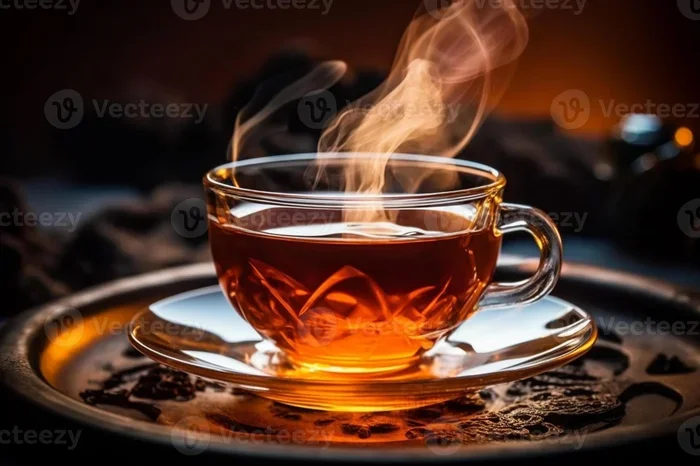
Home brewing gives you more control, but it also introduces more variables. The cup you use, the room temperature, the brewing method, and even the weather can change how hot your coffee feels. A thick ceramic mug holds heat longer. A thin glass mug lets heat escape faster. A travel mug can keep coffee hot for a long time, which is great for commuters but sometimes too hot for an immediate sip.
Visual guide about steaming hot coffee cup
Image source: static.vecteezy.com
The brewing method matters too. A French press, pour-over, drip machine, or espresso machine can all produce coffee with different heat retention. Some methods leave the coffee hotter for longer. Others cool a bit faster because of the surface area or the vessel used. If you want a more comfortable cup, think about the whole chain from brew to sip. How hot is coffee served at home depends on those choices.
Mugs, Cups, and Heat Retention
Your cup is more important than many people realize. A heavy ceramic mug can keep coffee warm and cozy for a long time. That is lovely on a cold morning. It can also keep the drink hotter than you want. A lighter cup may cool faster and feel easier to sip. If you often burn your tongue, try a different mug. Small changes in cup material and thickness can make the coffee serving temperature feel very different.
Lids also matter. A lid traps heat and aroma. That is helpful if you want coffee to stay warm during a commute. It is less helpful if you want to cool down quickly. If your coffee is too hot, removing the lid and blowing gently can help. You can also pour a little into a second cup to spread the heat out. These small tricks are simple, but they work.
Room Temperature, Weather, and Timing
The environment changes everything. On a cold day, coffee feels hotter because your body is already seeking warmth. On a warm day, the same cup may feel less intense. The room itself also matters. A cold kitchen can make coffee seem hotter by contrast. A warm room can help it cool a little faster. Even the timing matters. Coffee poured at the start of your routine may feel different by the time you sit down.
If you want a more consistent experience, pay attention to these small factors. You do not need to control every detail. Just notice what makes your coffee feel better. Maybe you like a thick mug in winter and a lighter cup in summer. Maybe you prefer to wait a minute before sipping. These habits can improve your routine without much effort.
Is Hot Coffee Safe and What Are the Burn Risks?
Hot coffee is usually safe, but temperature still matters. Very hot liquids can burn the mouth, tongue, and throat. The risk is higher when you sip quickly or when the coffee is freshly poured. Many people have learned this the hard way. A burned tongue can make coffee less enjoyable for the rest of the day. It can also make you avoid your favorite drink for a while.
Visual guide about steaming hot coffee cup
Image source: static.vecteezy.com
The good news is that you can reduce the risk easily. Let the coffee rest for a short time. Use a mug that feels comfortable in your hand. Take a small test sip before drinking more. These habits are simple and effective. They help you enjoy the ideal coffee temperature without discomfort. If you serve coffee to children or older family members, extra caution is a good idea. Their mouths can be more sensitive to heat.
How to Avoid Burning Your Tongue
The easiest fix is patience. Wait a little before the first sip. You do not need to wait long. Even a short pause can lower the heat enough to make the cup more pleasant. If the coffee is still too hot, stir it gently or add a splash of cool water or milk. That can help reduce the temperature without ruining the flavor.
Another helpful habit is to sip from the edge of the cup instead of taking a big gulp. A smaller sip gives your mouth a chance to judge the heat. If it feels fine, you can continue. If it feels too warm, you can stop and wait again. This is a practical way to manage how hot is coffee served in your own routine.
When Hot Coffee Feels Too Hot
Sometimes coffee feels uncomfortably hot even after a short wait. In that case, the brew may have been kept too long on a hot plate or served from a very hot machine. If that happens often, look at your equipment and habits. A coffee maker that keeps coffee on heat for too long can make the cup feel harsh. A better routine may be to brew fresh and drink soon after it settles.
If you want coffee that stays warm without becoming too hot, think about storage. A good insulated mug can help maintain a steady temperature without extra heating. That is often better than leaving coffee on a burner. It also helps preserve flavor, since coffee can taste dull if it sits too long in a hot setting. For more ideas on keeping coffee at a comfortable warmth, you may enjoy reading about the best coffee mug to keep coffee hot.
What Is the Best Temperature for Flavor and Enjoyment?
Flavor and heat are closely linked. Very hot coffee can taste sharper and more intense. That can be pleasant if you like bold drinks. It can also hide subtle notes, especially in lighter roasts or more delicate brews. As the coffee cools a little, sweetness often becomes easier to notice. The body may feel smoother. The aroma stays present, but the drink feels less aggressive.
Many coffee drinkers find that the best flavor appears after the coffee passes through a brief cooling phase. That does not mean lukewarm coffee is better. It means there is a window where heat and flavor work together well. For many people, that window sits a little below the initial serving heat. If you want to taste your coffee more clearly, try waiting a moment and comparing the first sip to the second sip. You may notice a real difference.
Hot Coffee Versus Warm Coffee
Hot coffee and warm coffee offer different experiences. Hot coffee feels energetic and bold. It can wake you up and feel comforting on a cold day. Warm coffee feels gentler and often reveals more flavor nuance. Both can be enjoyable. The choice depends on your mood, the drink, and the moment. There is no single best option for everyone.
If you drink coffee for taste, you may prefer a slightly cooler sip. If you drink coffee for comfort or warmth, you may enjoy it hotter. If you drink milk coffee, you may find a middle ground works best. The key is to notice what you enjoy most. How hot is coffee served is not a rigid rule. It is a range that you can adjust to fit your preference.
Best Temperature for Different Coffee Styles
Different drinks can shine at different temperatures. A strong black coffee may feel great when it is quite hot, especially if you enjoy bold flavor. A pour-over with delicate notes may taste better after it cools a little. A milk drink may feel best when it is warm and smooth, not scalding. Even iced coffee has its own logic, since cold drinks rely on a different balance of aroma and taste.
If you enjoy experimenting, try the same coffee at two temperatures. Sip it hot, then wait a few minutes and sip it again. Notice the aroma, sweetness, acidity, and body. This simple test can teach you a lot about your taste. It can also help you choose the best coffee serving temperature for each style you love.
Practical Tips for Controlling Coffee Temperature
You do not need fancy tools to manage heat. A few small habits can make your coffee more enjoyable. Start by paying attention to the cup and the timing. If the coffee is too hot, give it a moment. If it cools too fast, use a better mug or an insulated container. If you want a steadier temperature, brew smaller amounts and drink them sooner. These simple steps can improve your routine.
If you brew at home, think about the whole process. Use fresh coffee. Brew it well. Then let it settle before sipping. That basic rhythm often creates the best result. You can also adjust the strength and milk ratio to change how the heat feels. A little milk or water can make a hot cup more comfortable without making it weak.
Quick Tips for Better Heat Control
- Wait a minute: Let freshly poured coffee rest before the first sip.
- Choose the right mug: Use a cup that matches your heat preference.
- Stir gently: A quick stir can help release heat and aroma.
- Add a splash of liquid: A little milk or water can lower the heat comfortably.
- Use an insulated mug for commutes: This keeps coffee steady without extra heating.
- Brew fresh: Fresh coffee often tastes better and feels more balanced.
- Test the first sip: Take a small sip to check the heat before drinking more.
These tips are easy to remember and easy to use. They help you enjoy coffee without overthinking it. If you want a more comfortable morning, start with one or two of these habits. You may be surprised by how much better the cup feels.
Common Mistakes That Affect Serving Heat
One common mistake is drinking too soon. Fresh coffee can be hotter than expected, especially right after brewing. Another mistake is using a cup that traps too much heat. That can make the coffee stay hot longer than you want. A third mistake is leaving coffee on a hot surface for too long. That can make the flavor flat and the temperature uncomfortable.
Another issue is assuming all coffee should feel the same. Different drinks, roasts, and brewing methods can create different experiences. A one-size-fits-all approach does not always work. If your coffee feels too hot or too cool, adjust the process instead of forcing it. Small changes often solve the problem.
Expert Insights and Real-World Coffee Temperature Habits
Coffee professionals often care about both flavor and comfort. They want the coffee to taste good, but they also want it to be enjoyable to drink. That is why many cafes aim for a balanced serving heat. They know that a cup that is too hot can frustrate customers. They also know that a cup that is too cool can feel underwhelming. The goal is a drink that feels inviting and flavorful at the same time.
Home brewers can learn from this approach. You do not need to copy a cafe exactly. You just need to aim for a comfortable, tasty cup. Think about the journey from brew to sip. Notice the aroma, the warmth, and the flavor. Over time, you will find your own ideal range. That personal range is what matters most.
Key Takeaways for Everyday Coffee Drinkers
- Serve with comfort in mind: A good cup should taste great and feel safe to sip.
- Let it rest briefly: A short pause can improve flavor and reduce heat.
- Match the cup to the drink: Different mugs change how hot the coffee feels.
- Adjust for the style: Black coffee, milk drinks, and delicate brews may each need a different approach.
- Trust your taste: Your preference matters more than any fixed rule.
If you want to learn more about brewing and measuring your coffee, you may find it helpful to read about how to measure coffee in a coffee maker. Getting the recipe right can make temperature control easier too. A balanced brew often leads to a more pleasant cup from the start.
Final Thoughts on How Hot Is Coffee Served
So, how hot is coffee served in the real world? Most of the time, it lands in a hot but drinkable range that feels satisfying without being harsh. The exact temperature depends on the shop, the brew, the cup, and your own preference. What matters most is that the coffee tastes good and feels comfortable to enjoy. A little patience, the right mug, and a smart routine can make a big difference.
Next time you pour a cup, take a moment to notice the heat. Smell the aroma. Take a small sip. Let the coffee show you what it tastes like at different temperatures. You may find that a small change in timing or cup choice improves your whole experience. Coffee is meant to be enjoyed, not rushed. With a little attention, you can make every cup feel just right.
Frequently Asked Questions
How hot is coffee served at most coffee shops?
Most coffee shops serve brewed coffee in a hot but drinkable range, often around 155°F to 175°F. The exact temperature can vary by shop, drink type, and how recently the coffee was brewed. If it feels too hot, waiting a minute usually helps.
What temperature is too hot for coffee?
Coffee that feels painful to sip is too hot for comfortable drinking. Liquids that are very hot can burn the mouth and tongue, so it is smart to let the cup cool a little before drinking. A small test sip is a simple way to check.
Does coffee taste better when it is very hot?
Not always. Very hot coffee can smell strong, but it may hide some flavor details. As it cools slightly, many people notice more sweetness, balance, and aroma. The best taste often comes after the first burst of heat settles.
Why does my coffee cool down so fast?
Coffee can cool quickly if you use a thin cup, a wide opening, or a cold room. The brewing method and how long the coffee sits also matter. A thicker mug or an insulated cup can help keep the heat longer.
Is it better to drink black coffee hot or warm?
It depends on what you enjoy. Hot black coffee can feel bold and comforting, while warmer black coffee may taste smoother and reveal more flavor. Try both and see which one you prefer.
How can I make coffee stay hot longer without burning it?
Use an insulated mug or a well-insulated travel cup to hold heat steadily. Brew fresh coffee and avoid keeping it on a hot surface for too long. If needed, let it rest briefly before sipping so it feels comfortable.