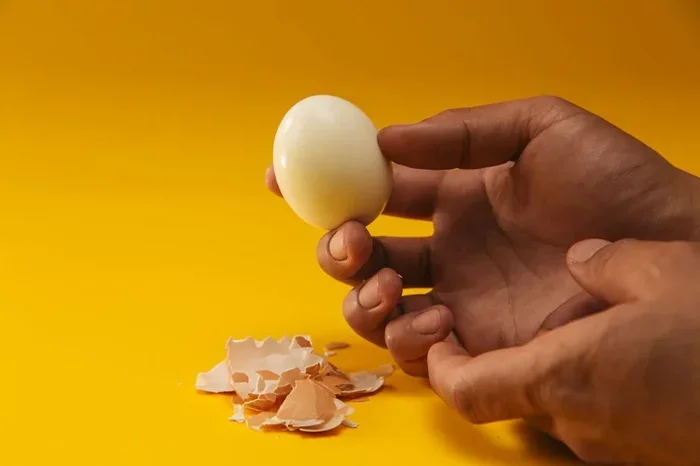
Hard boiled eggs are good for about 1 week when stored properly in the refrigerator. Knowing how long are hard boiled eggs good for after cooking helps you avoid food waste and stay safe. In this guide, we cover storage methods, spoilage signs, and practical tips for keeping your cooked eggs fresh.
Key Takeaways
- 1-week fridge life: Hard boiled eggs stay safe and fresh for up to 7 days when stored in the refrigerator at the right temperature.
- Peel or don’t peel: Unpeeled hard boiled eggs last longer than peeled ones because the shell acts as a natural barrier against bacteria.
- Freezing is tricky: You can freeze hard boiled egg whites but not yolks, as yolks become rubbery and lose flavor after freezing.
- Watch for warning signs: Slimy texture, sulfur smell, and discoloration are clear signs your cooked eggs have gone bad.
- Room temperature is risky: Hard boiled eggs should not sit out at room temperature for more than 2 hours to prevent bacterial growth.
- Proper storage containers matter: Using airtight containers or egg storage bags keeps your cooked eggs fresh longer and prevents odor transfer.
- Follow the two-hour rule: Whether for meal prep or leftovers, always refrigerate hard boiled eggs promptly to ensure food safety.
📑 Table of Contents
- How Long Are Hard Boiled Eggs Good For After Cooking?
- Why Does Egg Freshness Matter?
- How Long Are Hard Boiled Eggs Good For?
- How to Store Hard Boiled Eggs Properly
- Signs Your Hard Boiled Eggs Have Gone Bad
- Freezing Hard Boiled Eggs: What You Need to Know
- Common Mistakes That Shorten Egg Shelf Life
- Practical Tips for Everyday Use
- Expert Insights on Cooked Egg Storage
- Conclusion
How Long Are Hard Boiled Eggs Good For After Cooking?
Hard boiled eggs are one of the most popular cooked egg storage items in kitchens around the world. They make great snacks, easy meal prep ingredients, and go-perfect additions to salads. But if you have ever opened the fridge to find a forgotten batch sitting in the back, you might wonder about how long are hard boiled eggs good for after cooking.
The short answer is simple. Hard boiled eggs are good for up to one week when stored in the refrigerator. But the full answer involves a few important details. How you store them, whether you peel them, and the temperature of your fridge all play a role. This guide covers everything you need to know about hard boiled eggs shelf life, proper storage, and keeping your food safe.
If you want to learn more about cooking methods, you can check out this best egg cooker for hard boiled eggs review for helpful tools that make perfect eggs every time.
Why Does Egg Freshness Matter?
The Safety Side of Things
Eggs are packed with protein, vitamins, and nutrients. But cooked eggs are also a prime breeding ground for bacteria when left out too long. Egg safety should always come first. Eating spoiled eggs can lead to foodborne illness with symptoms like nausea, stomach cramps, and diarrhea.
The USDA and food safety experts recommend strict guidelines for cooked eggs expiration. When your fridge stays at 40°F (4°C) or below, bacteria grow much slower. But even at the right temperature, eggs still degrade over time. That is why knowing the egg freshness timeline matters so much.
The Quality Side of Things
Beyond safety, egg quality affects taste and texture. A fresh hard boiled egg has a firm white and a creamy yolk. After several days, the egg white may become rubbery. The yolk can develop a greenish-gray ring. While this green ring is mostly harmless, it does not taste great.
Understanding both safety and quality helps you get the most out of every batch. It also cuts down on unnecessary food waste.
How Long Are Hard Boiled Eggs Good For?
The 1-Week Refrigerator Rule
The general rule is straightforward. Hard boiled eggs in fridge conditions stay good for up to 7 days. This applies whether you peeled them or not, though unpeeled eggs tend to hold up a bit better.
Here is a quick breakdown:
- Unpeeled hard boiled eggs: 5 to 7 days in the refrigerator
- Peeled hard boiled eggs: 3 to 5 days in the refrigerator
- Frozen egg whites: Up to 6 months (yolks do not freeze well)
These timeframes assume proper cooked egg storage from the start. If you skip refrigeration or leave eggs out too long, the clock starts ticking faster.
Room Temperature vs Refrigerator Storage
Hard boiled eggs should never sit at room temperature for more than 2 hours. This is often called the two-hour rule. After 2 hours, bacteria can multiply quickly, especially in warm environments.
Think about it this way. A warm kitchen at 75°F is the perfect incubator for germs. Your refrigerator at 40°F slows everything down dramatically. Always refrigerate your hard boiled eggs as soon as they cool down after cooking.
How to Store Hard Boiled Eggs Properly
Step 1: Cool Them Quickly
Once your eggs are done cooking, transfer them to an ice bath right away. This stops the cooking process and helps the eggs cool fast. Rapid cooling also reduces the risk of egg spoilage signs developing early.
Leave them in the ice bath for at least 10 to 15 minutes. Then dry them off gently with a clean towel or paper towel before placing them in storage.
Step 2: Choose the Right Container
Storage matters more than most people realize. Here are your best options:
- Airtight containers: These keep moisture in and bacteria out. They also prevent your fridge from picking up egg odors.
- Egg storage bags: Reusable silicone or plastic bags work great for meal prep eggs.
- Original carton: If you boiled eggs still in the shell, the carton offers decent protection and breathability.
Avoid storing hard boiled eggs loose in the fridge. They can roll around, crack, and absorb flavors from other foods. For more tips on long-term storage, see this guide on how to store eggs for long term.
Step 3: Place Them in the Right Spot
Where you put eggs in the fridge matters. The best location is on a middle or lower shelf where the temperature stays consistent. The fridge door is the warmest spot and experiences the most temperature fluctuations.
Keep hard boiled eggs away from strong-smelling foods like onions and leftover fish. Even in airtight containers, eggs can absorb odors over time.
To Peel or Not to Peel?
This is a common question. The answer is simple. Unpeeled hard boiled eggs last longer. The shell provides a natural barrier against air and bacteria. If you need peeled eggs for a recipe like deviled eggs or egg salad, peel them just before serving.
If you must store peeled eggs, use a damp paper towel. Wrap each egg loosely and place them in an airtight container. This adds a few extra days of egg freshness.
Signs Your Hard Boiled Eggs Have Gone Bad
Sometimes you open the fridge and something just looks off. Here are the main egg spoilage signs to watch for:
1. Slimy or Sticky Texture
A fresh hard boiled egg white should feel firm and smooth. If it feels slimy, sticky, or unusually soft, toss it. This is one of the clearest signs of bacterial growth.
2. Sulfur or Rotten Smell
Healthy cooked eggs have a mild, neutral smell. A strong sulfur or rotten odor means the egg has gone bad. Trust your nose on this one. Food safety always comes first.
3. Discolored Yolk
A greenish-gray ring around the yolk is common. It happens when eggs are overcooked or cooled too slowly. While mostly harmless, it affects taste and texture. If the yolk looks completely gray or has dark spots, it is time to throw them out.
4. Cracked or Leaking Shells
For unpeeled eggs, cracks in the shell expose the egg to air and bacteria. If you notice cracked shells, use those eggs first. They are more likely to spoil faster.
5. Off-Taste
If an egg tastes sour, bitter, or just “wrong,” do not finish it. Your taste buds can sometimes detect spoilage before other signs appear. When in doubt, throw it out.
Freezing Hard Boiled Eggs: What You Need to Know
What Works and What Does Not
Freezing is a great way to extend how long boiled eggs last, but it comes with caveats. You can freeze egg whites successfully for up to 6 months. However, egg yolks do not freeze well. They become rubbery, grainy, and lose most of their flavor.
Here is a quick comparison:
- Egg whites: Freeze well for up to 6 months. Great for baking and cooking later.
- Whole eggs: Freeze for up to 1 year but expect texture changes.
- Yolks only: Use within 2 to 3 months. Texture will be noticeably different.
For the best results, freeze egg whites separately from yolks. Label your containers with the date so you always know what you have.
How to Thaw Frozen Eggs
Move frozen eggs to the refrigerator the night before you plan to use them. Let them thaw slowly overnight. Avoid thawing at room temperature, as this creates a safety risk. Once thawed, use them within 24 hours for the best quality.
If you are interested in learning more about egg storage and food safety, this how to store eggs for long term article covers the topic in depth.
Common Mistakes That Shorten Egg Shelf Life
Leaving Eggs Out Too Long
As mentioned earlier, the two-hour rule is critical. Hard boiled eggs left on the counter during a party or picnic enter the danger zone quickly. Bacteria like Salmonella can double every 20 minutes in warm conditions. Always refrigerate leftovers promptly.
Storing Eggs in the Fridge Door
The fridge door is the worst place for eggs. It experiences the most temperature swings every time you open and close the fridge. Always store hard boiled eggs on interior shelves where the temperature stays steady.
Using Improper Containers
Storing eggs in open bowls or loose in the fridge leads to faster spoilage. They dry out, absorb odors, and pick up bacteria from other foods. Always use airtight containers or sealed storage bags.
Ignoring the Clock
It is easy to lose track of time. You cook a big batch on Sunday and forget about it by Wednesday. Write the cooking date on your container with a marker. This simple habit helps you practice safe egg storage tips every single time.
Practical Tips for Everyday Use
Meal Prep with Hard Boiled Eggs
Meal prep eggs are a huge trend for good reason. Hard boiled eggs fit perfectly into weekly meal plans. Here are some ideas:
- Slice them onto salads for added protein
- Make egg salad sandwiches for lunch
- Pack them as grab-and-go snacks
- Add halves to grain bowls and stir-fries
When meal prepping, cook only what you will eat within 5 days. This ensures peak egg quality and reduces waste.
Quick Tips to Maximize Freshness
Here are some easy habits that make a big difference:
- Always cool eggs in an ice bath before storing
- Label containers with the cooking date
- Store eggs in the coldest part of your fridge
- Use airtight containers to block odors and bacteria
- When in doubt, throw the egg out
Following these simple steps keeps your hard boiled eggs good for the full recommended timeframe. You also get better taste and texture every time.
Expert Insights on Cooked Egg Storage
Food safety experts consistently recommend the 7-day refrigerator window for cooked eggs. Dr. Benjamin Chapman, a food safety specialist at North Carolina State University, notes that “cooked eggs are perishable protein products. Treating them with the same care as raw meat is essential for avoiding illness.”
Professional chefs also agree. Many recommend cooking eggs in small batches rather than large quantities. This ensures you always eat them at peak freshness. If you need reliable tools for cooking, explore this how to fry an egg without oil guide for healthy cooking techniques that preserve egg quality.
The key message from experts is simple. Respect the timeline, store properly, and always trust your senses. Egg freshness is not just about safety. It is about getting the best flavor and nutrition from every egg you cook.
Conclusion
So, how long are hard boiled eggs good for after cooking? The answer is up to 7 days in the refrigerator when stored correctly. Unpeeled eggs last longer than peeled ones, freezing works for egg whites, and proper containers make all the difference.
Watch for spoilage signs like slimy texture, bad smell, and discoloration. Avoid common mistakes like leaving eggs out too long or storing them in the fridge door. Follow the quick tips in this guide, and you will enjoy safe, delicious eggs every time.
Hard boiled eggs are a kitchen staple worth getting right. Use this knowledge to plan your meals, prep your snacks, and store your leftovers with confidence. Your eggs will taste better, and your stomach will thank you.
Frequently Asked Questions
Can I eat hard boiled eggs after 7 days in the fridge?
It is not recommended. After 7 days, the risk of bacterial growth increases significantly. Even if the eggs look and smell fine, they may not be safe to eat. Always follow the 7-day rule for the best egg safety.
How can I tell if my hard boiled eggs are still good?
Check for obvious egg spoilage signs like a slimy texture, sulfur smell, or discolored yolk. If the egg passes all these checks and has been in the fridge for less than 7 days, it should be fine to eat.
Is it safe to eat hard boiled eggs left out overnight?
No. Hard boiled eggs left at room temperature for more than 2 hours should be thrown away. Bacteria grow rapidly in the danger zone between 40°F and 140°F. Always refrigerate your cooked eggs promptly.
Can I freeze hard boiled eggs to make them last longer?
You can freeze egg whites for up to 6 months, but whole eggs and yolks do not freeze well. Yolks become rubbery and lose flavor. If you want to extend how long boiled eggs last, freezing whites is your best option.
Why does my hard boiled egg have a green yolk?
A greenish-gray ring around the yolk usually happens from overcooking or slow cooling. It is mostly harmless but affects taste. To prevent this, cool your eggs in an ice bath immediately after cooking for the best egg quality.
What is the best way to store hard boiled eggs for meal prep?
Use airtight containers or sealed storage bags. Keep them in the coldest part of your fridge and label with the cooking date. Unpeeled eggs hold up better for meal prep eggs since the shell protects freshness longer.