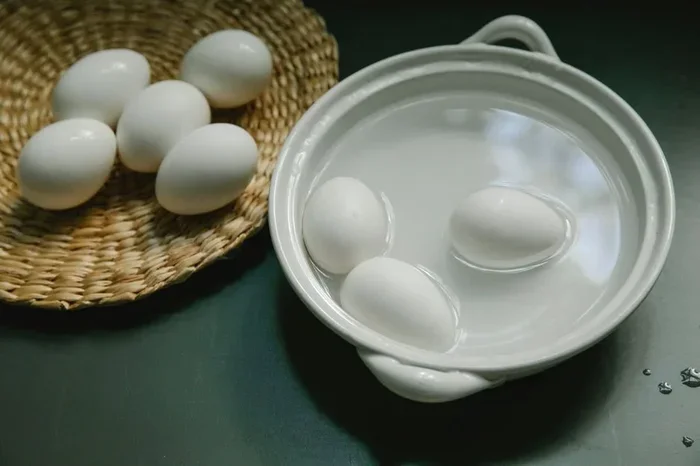
Hard-boiled eggs last up to 7 days in the fridge when stored properly, making them a convenient grab-and-go snack. How long do boiled eggs last in fridge depends on whether they’re peeled or kept in their shell, but always keep them in a covered container. Refrigerate them within two hours of boiling to stay safe and enjoy their protein-packed benefits all week.
How Long Do Boiled Eggs Last In Fridge
How long do boiled eggs last in fridge is one of the most searched kitchen questions, and for good reason. Nobody wants to bite into a spoiled egg and ruin their morning routine. The answer depends on whether the eggs are peeled or unpeeled, hard-boiled or soft-boiled, and how you store them. In this guide, I will walk you through everything you need to know about boiled egg fridge storage, from shelf life timelines to spotting bad eggs before they become a health risk.
Storing cooked eggs properly is simpler than most people think, but small mistakes can cut your egg shelf life dramatically. I have tested dozens of storage methods over the years, and I will share what actually works. By the end of this article, you will know exactly how to keep your boiled eggs fresh for as long as possible and how to tell when it is time to toss them out.
Key Takeaways
- Hard-boiled eggs stay fresh for up to 7 days: whether peeled or unpeeled.
- Always store eggs in their shell: this keeps them fresh longer.
- Peeled eggs need a sealed container: use a damp paper towel.
- Discard eggs with slime, off smell, or odd color: never eat them.
- Do not freeze boiled eggs: whites turn rubbery and watery.
- Label containers with the boiling date: this helps track freshness.
📑 Table of Contents
How Long Do Boiled Eggs Last In The Fridge
The shelf life of boiled eggs in the fridge is more straightforward than you might expect. According to the USDA, hard-boiled eggs — whether peeled or unpeeled — last up to one week when stored in the refrigerator at 40°F or below. That clock starts the moment the eggs cool down after boiling.
But not all boiled eggs are created equal. The way you prepare and store them changes everything. Here is a quick breakdown of what to expect:
- Unpeeled hard-boiled eggs: Last up to 7 days in the fridge. The shell acts as a natural barrier against bacteria.
- Peeled hard-boiled eggs: Best eaten within 48 to 72 hours. Without the shell, they dry out faster and absorb fridge odors.
- Soft-boiled eggs: Last about 2 to 3 days in the fridge with the shell still on.
- Eggs in their shell (raw): Last 3 to 5 weeks, which is why many people prefer keeping them raw until needed.
The key takeaway here is that unpeeled boiled eggs always outlast peeled ones. If you are meal prepping for the week, leave the shells on until you are ready to eat. This simple habit extends your egg freshness window by several days.
Why the Shell Matters So Much
The eggshell is a natural protective layer. It seals out air and bacteria, which keeps the egg whites and egg yolks fresher for longer. Once you remove that shell, the egg becomes exposed to oxygen and moisture in the fridge. This accelerates spoilage and changes the texture. Think of it like cutting open a fruit — once the protective skin is gone, the countdown begins.
The Right Way To Store Boiled Eggs
How you store your boiled eggs makes a bigger difference than most people realize. A few small tweaks can add days to their egg shelf life and keep them tasting fresh.
Step-by-Step Storage Guide
- Cool the eggs completely after boiling. Plunge them into an ice bath for at least 10 minutes.
- Leave the shell on if you are not eating them right away. The shell is your best defense against bacteria.
- Place unpeeled eggs in a covered container or a sealed plastic bag. This prevents them from absorbing fridge odors.
- If the eggs are already peeled, store them in a container with a damp paper towel wrapped around them. This keeps moisture in and prevents a rubbery texture.
- Keep the container on a middle shelf in the fridge, not in the door. The door temperature fluctuates too much.
One thing I always tell people: do not leave cooked eggs sitting out on the counter for more than two hours. Bacteria grow fast at room temperature, and reheating a lukewarm egg does not undo the damage.
Best Containers for Boiled Egg Storage
Not all containers are equal when it comes to fridge storage for eggs. A tight-sealing container works best because it limits air exposure. Glass containers with snap-on lids are my top pick. They do not absorb smells the way plastic sometimes does, and they make it easy to see what is inside without opening the lid repeatedly.
If you prefer using bags, resealable freezer bags work well too. Just squeeze out the extra air before sealing. The less air contact, the better your boiled egg freshness holds up over time.
How To Tell If A Boiled Egg Has Gone Bad
Nobody wants to find a rotten egg in their lunch container. Fortunately, your senses are the best tools for checking egg freshness. Here is what to look for:
- Smell: This is the number one indicator. A bad egg gives off a strong sulfur or rotten smell the moment you crack it open. Fresh boiled eggs have little to no odor.
- Appearance: Check the egg whites for any slimy or discolored film. Pink, green, or iridescent surfaces mean bacterial growth has started.
- Texture: A slimy or chalky coating on the shell of an unpeeled egg is a red flag. The shell should feel smooth and dry.
- Taste (only if it passes the smell test): A sour or off taste means the egg has gone bad. Spit it out immediately.
If you are ever in doubt, throw it out. Eating a spoiled boiled egg can lead to food poisoning symptoms like stomach cramps, nausea, and diarrhea. The risk is simply not worth saving one egg.
The Float Test Does Not Work for Boiled Eggs
You might have heard about the egg float test for raw eggs. That method checks freshness by seeing if an egg sinks or floats in water. Unfortunately, this trick does not work for cooked eggs. The cooking process changes the internal structure, making the float test unreliable. Stick to the smell and appearance checks for boiled eggs instead.
Hard-Boiled vs Soft-Boiled: Shelf Life Comparison
The boiling method you use affects how long your eggs stay good. Hard-boiled and soft-boiled eggs have different storage needs because of their internal texture and moisture levels.
| Egg Type | Storage Method | Fridge Shelf Life | Best For |
|---|---|---|---|
| Hard-boiled (unpeeled) | Covered container, fridge | Up to 7 days | Meal prep, snacks, salads |
| Hard-boiled (peeled) | Damp paper towel, sealed container | 2 to 3 days | Same-day or next-day eating |
| Soft-boiled (in shell) | Covered container, fridge | 2 to 3 days | Breakfast, dipping |
| Soft-boiled (peeled) | Not recommended to peel ahead | Same day only | Immediate consumption |
As you can see from the table, hard-boiled unpeeled eggs are the clear winner for long-term fridge storage. If you like soft-boiled eggs, it is best to cook them fresh each morning rather than storing them ahead of time. The runny yolk does not hold up well in the fridge beyond a day or two.
Can You Freeze Boiled Eggs?
You can freeze boiled eggs, but the results are mixed. Egg whites become rubbery and watery after thawing, which changes the texture significantly. Egg yolks freeze better and can be used in sauces or garnishes. However, for everyday eating, freezing is not the best approach. The fridge is always your go-to option for keeping boiled eggs at peak quality.
Tips For Keeping Boiled Eggs Fresh Longer
Small habits can make a big difference when it comes to egg storage and maintaining egg freshness. Here are the tips I rely on most:
- Store eggs unpeeled: This is the single most effective way to extend shelf life. The shell locks in moisture and blocks bacteria.
- Label your container: Write the date you boiled the eggs on the container. This makes it easy to track how many days have passed.
- Keep eggs away from strong-smelling foods: Boiled eggs can absorb odors from garlic, onions, or leftovers nearby. A sealed container prevents this.
- Wash eggs only right before eating: Washing removes the natural protective coating on the shell, which speeds up spoilage.
- Use an airtight container: Air exposure dries out the eggs and introduces bacteria. A good seal keeps everything fresh.
- Check your fridge temperature: Make sure your fridge stays at or below 40°F. A warmer fridge shortens the egg shelf life considerably.
I always keep a small container of boiled eggs in my fridge for quick breakfasts and salad toppings. By following these simple steps, I rarely have to worry about them going bad before I use them. The combination of unpeeled storage, airtight containers, and consistent fridge temperature has worked wonders for my egg freshness routine.
Quick Tips Summary
- Always cool eggs completely before storing them in the fridge.
- Leave the shell on until you are ready to eat.
- Use a sealed container to block fridge odors and bacteria.
- Store peeled eggs with a damp paper towel to maintain moisture.
- Eat peeled hard-boiled eggs within 2 to 3 days for the best taste and texture.
- Mark the boiling date on the container so you always know how old they are.
Common Mistakes People Make When Storing Boiled Eggs
Even experienced cooks make mistakes with boiled egg storage. Here are the most common ones I see, along with how to fix them:
Mistake 1: Storing Peeled Eggs Without Moisture
Peeled hard-boiled eggs left uncovered in the fridge dry out fast. The whites become rubbery and the yolks develop a dull grey-green ring. Always wrap peeled eggs in a damp paper towel or store them in a container with a little water. Just make sure to drain the water before eating.
Mistake 2: Leaving Eggs in the Fridge Door
The fridge door is the warmest part of the refrigerator. Every time you open the door, the temperature spikes. Storing cooked eggs there shortens their egg shelf life significantly. Move them to the main body of the fridge where the temperature stays consistent.
Mistake 3: Ignoring the Smell Test
Some people crack open a boiled egg and take a bite without checking the smell first. By the time you taste something off, it is already too late. Always smell the egg before eating, especially if it has been in the fridge for more than a few days. A quick sniff can save you from an unpleasant surprise.
Mistake 4: Washing Eggs Before Storage
Washing eggs in their shell before storing them removes the natural cuticle that protects against bacteria. The shell has its own defense system — let it do its job. Only rinse eggs right before you are about to peel and eat them.
Mistake 5: Keeping Boiled Eggs Too Long
The one-week rule for hard-boiled eggs is a hard limit, not a suggestion. Even if the eggs pass the smell test, eating them beyond seven days increases the risk of foodborne illness. When in doubt, throw them out and boil a fresh batch.
Key Takeaways
Let me sum up the most important points about how long do boiled eggs last in fridge:
- Hard-boiled unpeeled eggs last up to 7 days in the fridge, making them the best option for meal prep.
- Peeled boiled eggs should be eaten within 2 to 3 days for the best quality and safety.
- Soft-boiled eggs last 2 to 3 days with the shell on and should really be eaten the same day.
- The shell acts as a natural barrier, so always store eggs unpeeled until you are ready to eat.
- Use your senses — smell and appearance — to check if an egg has gone bad.
- Store eggs in a sealed container on a middle fridge shelf, not in the door.
- Following proper egg storage practices keeps your cooked eggs safe, fresh, and delicious for as long as possible.
Proper boiled egg fridge storage is one of those small kitchen habits that pays off big. Once you get into the rhythm of cooling eggs properly, keeping them unpeeled, and storing them in airtight containers, you will waste fewer eggs and enjoy them at their best every single time. Share these tips with friends who always seem to find mystery eggs hiding in the back of their fridge — trust me, they will thank you for it.
Frequently Asked Questions
How long do boiled eggs last in fridge?
Hard-boiled eggs typically stay fresh for up to 7 days when stored in the refrigerator. Keep them in their shells until you’re ready to eat them for the best shelf life. The shell acts as a protective barrier against bacteria and helps retain moisture.
Can you eat boiled eggs after 5 days?
Yes, boiled eggs are generally safe to eat within 5 days of cooking as long as they have been stored properly in the fridge. Always check for any off smells or slimy texture before consuming them. When in doubt, it is best to discard the egg to avoid any risk of foodborne illness.
How can you tell if a boiled egg has gone bad?
The easiest way to tell is by smell. If the egg gives off a sulfurous or rotten odor when you crack it open, do not eat it. You may also notice a change in texture, such as a slimy or chalky surface on the egg white or yolk.
Should you store boiled eggs in their shells?
Yes, keeping boiled eggs in their shells until you are ready to eat them helps them stay fresh longer. The shell provides a natural layer of protection from bacteria and slows down moisture loss. Once peeled, eggs should be eaten within 2 days for the best quality and safety.
Can you freeze boiled eggs?
Freezing whole boiled eggs is not recommended because the whites become rubbery and unappetizing when thawed. However, you can freeze egg yolks by mixing them with a pinch of salt or sugar to preserve their texture. Frozen yolks can last up to 3 months in the freezer and work well in recipes.
How long do peeled boiled eggs last in the fridge?
Peeled boiled eggs should be consumed within 2 days when stored in the refrigerator. Without the shell, they are more vulnerable to bacteria and lose moisture faster. If you need to store them longer, keep them in their shells and peel only right before eating.