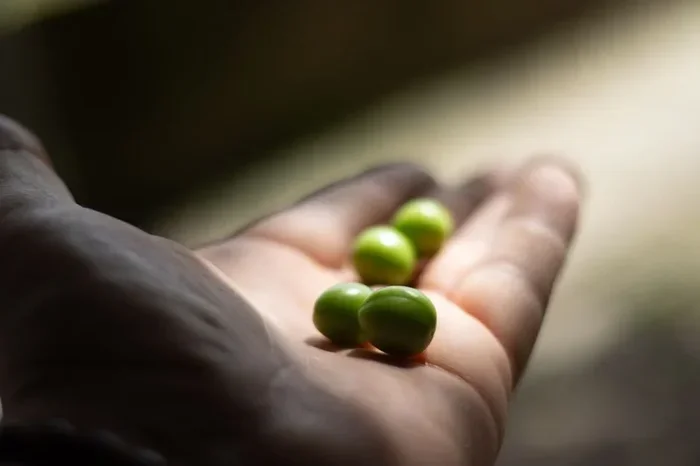
Pea size meaning refers to how the diameter and weight of a pea indicate its variety, maturity, nutritional value, and best culinary use. Understanding pea size helps you choose the right peas for cooking, gardening, and nutrition. Small peas often mean tender texture, while large peas deliver hearty flavor and higher starch content.
Key Takeaways
- Pea size directly affects cooking time: smaller peas cook faster, while larger peas hold their shape better.
- Different sizes signal different pea varieties: green peas, yellow peas, and split peas each have distinct size ranges.
- Pea size matters in gardening: seed size impacts germination rates, spacing, and harvest timing.
- Nutrition varies by size: larger dried peas tend to have more calories and starch per serving.
- Pea grading uses size as a key standard: commercial buyers rely on size classifications for quality control.
- Choosing the right size enhances your dishes: matching pea size to your recipe improves texture and flavor.
📑 Table of Contents
- What Does Pea Size Meaning Really Tell You?
- Different Pea Varieties and Their Size Ranges
- How Pea Size Affects Cooking Time and Texture
- Pea Size and Nutrition: What the Numbers Say
- Pea Size in Gardening and Farming
- Common Uses Based on Pea Size
- Quick Tips for Choosing the Right Pea Size
- Common Mistakes People Make With Pea Size
- Expert Insights on Pea Size and Quality
- Conclusion
What Does Pea Size Meaning Really Tell You?
Have you ever looked at a bag of peas and wondered why some are tiny while others are plump and large? Pea size meaning goes far beyond simple appearance. The size of a pea reveals important information about its type, how it was grown, and what it is best used for.
When you understand pea size meaning, you unlock a deeper knowledge of legumes. You start to see peas not just as a side dish but as a diverse ingredient with many purposes. Small peas often mean tenderness, while large peas signal starchiness and heartiness. This guide breaks down everything you need to know.
Whether you are a home cook, a gardener, or someone who simply wants to eat healthier, pea size matters. It affects cooking time, texture, flavor, and even nutrition. Let us dive into the world of pea sizes and explore what they really mean.
Different Pea Varieties and Their Size Ranges
Not all peas are created equal. Different pea varieties come in different sizes, and each size serves a unique purpose. Understanding these differences is the first step toward mastering pea size meaning.
Green Peas
Green peas are the most common type found in grocery stores. They typically range from about 6 to 10 millimeters in diameter. Small green peas tend to be sweeter and more tender. Larger green peas have a firmer texture and a slightly more earthy flavor.
When you see tiny green peas in a frozen bag, they are usually sweeter picks. These small varieties are perfect for salads and side dishes. Larger green peas work well in stews and casseroles where you want a chewier bite.
Yellow Peas
Yellow peas are slightly larger than green peas on average. They range from 7 to 12 millimeters in diameter. Their color comes from a different pigment, but their size behavior is similar.
Yellow peas are popular in soups and purees. Their slightly larger size means they break down more easily when cooked. This makes them ideal for slow cooker recipes and creamy dishes. If you have ever enjoyed a thick, hearty pea soup, there is a good chance yellow peas were the star.
Split Peas
Split peas are dried peas that have been split in half. They come in green and yellow varieties. Split pea size meaning is a bit different because the split changes how they cook. Smaller split peas dissolve faster, making them perfect for soups and sauces. Larger split peas hold their shape better and work well in curries and salads.
Split pea soup is one of the most classic dishes that highlights how pea size affects cooking. The split form absorbs water quickly, which means a shorter cooking time compared to whole peas.
Fresh vs Dried Peas
Fresh peas are generally smaller than their dried counterparts. When peas dry out, they shrink slightly and become denser. Dried peas also tend to swell when cooked, so their raw size does not always predict their final cooked size.
Fresh peas are sweet and crisp. They are best eaten raw or lightly cooked. Dried peas need longer cooking times and are better suited for slow-cooked meals. Keep this in mind when you are shopping for peas at the store.
How Pea Size Affects Cooking Time and Texture
One of the most practical reasons to understand pea size meaning is cooking. Size directly impacts how long peas take to cook and what texture they deliver.
Small Peas: Quick and Tender
Small peas cook faster because heat penetrates them more quickly. They typically need 15 to 25 minutes of simmering. Their texture is soft and slightly creamy. They blend well into soups and purees.
If you are in a hurry, reach for the smaller peas. They save time and create a smoother result. They also work beautifully in pasta dishes and grain bowls where you want a gentle pop of flavor.
Large Peas: Slow and Satisfying
Large peas take longer to cook, often 30 to 45 minutes. They hold their shape well and offer a satisfying bite. Their texture is firmer and more substantial.
Large peas are perfect for dishes where you want distinct pieces. Think of a hearty stew or a cold pea salad. The peas stand out and add body to the dish. They also taste great in slow-cooked soups where long cooking times develop deep flavor.
Size and Seasoning Absorption
Smaller peas absorb seasonings faster because of their higher surface-area-to-volume ratio. This means a small pea can soak up the flavor of a broth or spice blend quickly. Larger peas need more time or stronger seasoning to absorb flavor fully.
A quick tip: if you are using large peas, start seasoning them earlier in the cooking process. This gives them time to soak up all those delicious flavors.
Pea Size and Nutrition: What the Numbers Say
Pea size meaning also connects to nutrition. The size of a pea can influence its calorie count, protein content, and fiber levels. Let us look at what the numbers tell us.
Calories and Energy Density
Larger peas generally contain more calories per pea simply because they have more mass. A single large dried pea has about 2 to 3 calories, while a small dried pea has about 1 to 2 calories. The difference is small per pea, but it adds up when you eat a full bowl.
If you are counting calories, knowing pea size meaning helps you estimate portions more accurately. A cup of small peas has fewer peas than a cup of large peas, which affects your total calorie intake.
Protein and Fiber Content
Protein and fiber content per pea is relatively consistent across sizes. However, larger peas have slightly more of both because they are simply bigger. A cup of large peas may have a few more grams of protein and fiber than a cup of small peas.
That said, the difference is minor. Both small and large peas are excellent sources of plant-based protein and dietary fiber. No matter the size, peas are a nutritional powerhouse.
Micronutrients
Peas are rich in vitamins A, C, and K, as well as iron, magnesium, and potassium. Pea size does not significantly affect micronutrient levels. A small green pea and a large green pea offer nearly the same vitamin and mineral profile.
This is great news for anyone who wants the health benefits of peas without worrying about size. Eat whichever size you prefer and enjoy the same nutritional rewards.
Pea Size in Gardening and Farming
If you grow peas in your garden, understanding pea size meaning becomes even more important. Seed size affects germination, plant health, and harvest timing.
Seed Size and Germination
Larger pea seeds generally germinate faster and produce stronger seedlings. This is because they contain more stored energy for the early stages of growth. Smaller seeds may take longer to sprout and produce weaker initial plants.
Gardeners often select larger seeds for planting. This simple choice can lead to a more successful harvest. If you are saving seeds from your pea plants, choose the largest, healthiest pods for next season.
Spacing and Planting Depth
Pea size meaning also affects how you plant them. Larger seeds need to be planted slightly deeper, about 1 to 2 inches. Smaller seeds can be planted shallower, around 1 inch. Spacing between seeds also depends on size, with larger varieties needing more room to grow.
Following these guidelines helps your pea plants thrive. Proper spacing ensures good airflow and reduces the risk of disease. It also gives each plant enough nutrients from the soil.
Commercial Grading Standards
In commercial farming, pea size meaning is tied to strict grading standards. Peas are sorted by diameter and weight. The grading system ensures consistency for buyers and sellers. Premium grades often feature uniform, medium-sized peas.
Farmers use size classification equipment to sort peas efficiently. This process removes undersized or oversized peas from the batch. The result is a consistent product that meets consumer expectations.
Common Uses Based on Pea Size
Different pea sizes shine in different dishes. Knowing which size to use can elevate your cooking. Here is a quick guide to help you match pea size to your recipe.
Best Uses for Small Peas
- Salads: Small peas add a sweet, delicate bite without overwhelming the dish.
- Purees and soups: They blend smoothly and create a creamy texture.
- Pasta dishes: Small peas mix well with noodles and sauces.
- Baby food: Their soft texture makes them ideal for young eaters.
Best Uses for Medium Peas
- Stir-fries: Medium peas hold up well to high heat.
- Casseroles: They provide a balanced texture throughout the dish.
- Risotto: Medium peas add visual appeal and a satisfying pop.
- Grain bowls: They complement rice, quinoa, and other grains perfectly.
Best Uses for Large Peas
- Stews and braises: Large peas maintain their shape during long cooking.
- Cold salads: Their firm texture works well in chilled dishes.
- Curries: Large peas stand out in rich, spiced sauces.
- Side dishes: They make a hearty and satisfying standalone side.
Quick Tips for Choosing the Right Pea Size
Here are some practical tips to keep in mind when selecting peas based on size:
- Check the package label: Look for size descriptions like “small,” “medium,” or “large.”
- Feel the peas: When buying fresh or dried peas, gently squeeze them. Firm, plump peas are usually the best quality.
- Match size to cooking method: Quick methods like steaming suit small peas. Slow cooking suits large peas.
- Consider the dish texture: Want a smooth result? Choose small peas. Want distinct pieces? Go with large ones.
- Store properly: Keep dried peas in an airtight container. Fresh peas should be refrigerated and used within a few days.
These simple tips help you get the most out of every pea purchase. Once you understand pea size meaning, shopping becomes much easier.
Common Mistakes People Make With Pea Size
Even experienced cooks sometimes make mistakes when it comes to pea size. Here are a few to avoid.
Assuming All Peas Cook the Same
The biggest mistake is treating all peas as if they cook the same way. Small peas and large peas have very different cooking times. Using the wrong size for your recipe can lead to mushy or undercooked results.
Ignoring Size in Recipes
Many recipes simply say “peas” without specifying size. In these cases, use your judgment. If the dish is quick-cooked, choose smaller peas. If the dish simmers for a long time, larger peas will hold up better.
Overlooking Dried vs Fresh Differences
Dried peas shrink during the drying process. A dried pea that looks small may expand significantly when cooked. Always account for this when planning your dish. Understanding pea size meaning in both raw and cooked states prevents unpleasant surprises.
Expert Insights on Pea Size and Quality
Professional chefs and food scientists agree that pea size meaning is a key factor in dish quality. Chefs often select peas based on size to achieve specific textures and flavors. A restaurant-quality pea dish starts with choosing the right pea.
Food scientists note that pea size affects starch gelatinization rates. Smaller peas gelatinize faster, which contributes to their softer texture. Larger peas gelatinize more slowly, preserving their firm bite. This scientific insight helps home cooks understand why their peas turn out the way they do.
When in doubt, buy peas from a reputable source. Look for uniform size and color. Avoid packages with broken or discolored peas. Quality pea size starts with quality sourcing.
Conclusion
Pea size meaning is more than just a measurement. It is a guide to choosing the right peas for the right dish. From cooking time to nutrition, from gardening to grocery shopping, size matters. Small peas bring tenderness and sweetness. Large peas deliver heartiness and substance. Medium peas offer a versatile middle ground.
Now that you understand what pea size tells you, you can make smarter choices in the kitchen and garden. Pay attention to the size next time you buy or plant peas. Your dishes will taste better, and your garden will yield more. Pea size meaning is a simple concept with powerful results.
Start experimenting with different pea sizes today. Try a new recipe, plant a different variety, or simply observe the peas on your plate. You will be surprised at how much difference size makes. Happy cooking and happy growing.
Frequently Asked Questions
What does pea size mean in cooking?
In cooking, pea size indicates how long the peas will take to cook and what texture they will have. Small peas cook faster and become soft, while large peas hold their shape and stay firm. Matching pea size to your recipe ensures the best results.
Are larger peas more nutritious than smaller peas?
Not significantly. Both small and large peas offer similar nutritional profiles. Larger peas have slightly more calories and starch per serving simply because they are bigger. The vitamins, minerals, and protein content remain nearly the same across sizes.
Does pea size affect germination in gardening?
Yes, pea size meaning plays a role in gardening. Larger seeds contain more stored energy and tend to germinate faster. They also produce stronger seedlings in the early stages of growth. Small seeds may sprout more slowly but still grow into healthy plants.
Can you substitute different pea sizes in recipes?
You can, but expect some differences in cooking time and texture. Small peas will cook faster and blend more easily. Large peas will need more time and will retain a firmer bite. Adjust your cooking time accordingly when swapping sizes.
What is the standard size for commercial peas?
Commercial grading uses diameter measurements. Medium peas, typically 7 to 9 millimeters, are the most common grade. These uniform-sized peas are preferred for most processed and packaged pea products.
Why do dried peas look smaller than fresh peas?
Drying removes moisture from peas, causing them to shrink and become denser. A dried pea may look small but will swell when cooked. This is why understanding pea size meaning includes considering whether the peas are fresh or dried.
How does pea size affect split pea soup?
Smaller split peas dissolve faster and create a creamier soup. Larger split peas hold their shape and provide a chunkier texture. Many classic split pea soup recipes call for yellow split peas specifically because their size and texture create the perfect thick consistency.