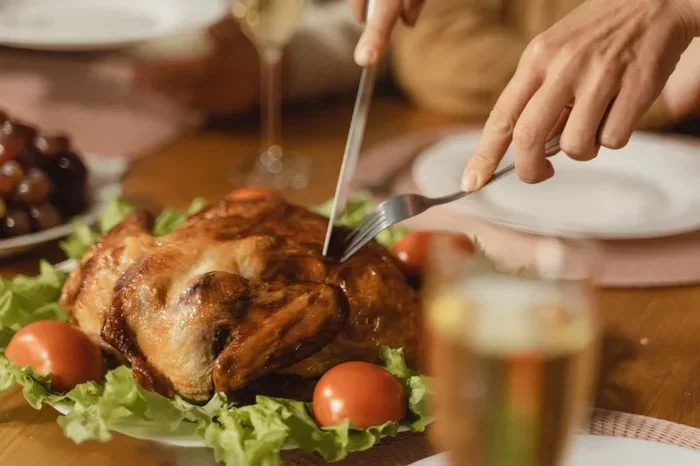
Knowing how long to cook turkey is the key to a juicy, flavorful roast every time. This guide covers turkey cooking times for every size, oven temperature settings, and proven tips for tender meat. You will learn how to use a meat thermometer, avoid common mistakes, and serve a stunning turkey that everyone will love.
Cooking a turkey can feel intimidating. Whether it is your first time or you have done it a hundred times, the question of how long to cook turkey always comes up. The answer depends on several factors. These include the size of your bird, whether it is stuffed, and what oven temperature you use.
This guide breaks everything down in simple terms. You will find turkey cooking times for every common scenario. You will also discover tips that take the guesswork out of the process. By the end, you will feel confident enough to roast a turkey that is golden on the outside and juicy on the inside.
Let us walk through it together. No jargon. No confusion. Just clear, practical advice you can use right away.
Key Takeaways
- Plan around 13 minutes per pound for an unstuffed whole turkey at 325°F for reliable results.
- Always use a meat thermometer — the internal temperature must reach 165°F in the thickest part.
- Rest your turkey for 20 to 30 minutes after cooking to lock in juices and make carving easier.
- Dark meat and white meat cook at different speeds, so consider separating them for perfectly cooked results.
- Brining or seasoning in advance adds moisture and flavor to your turkey roast.
- Avoid overcooking by checking temperature early and often rather than relying solely on time.
📑 Table of Contents
- How Long to Cook a Whole Turkey
- Oven Temperature and Why It Matters
- Turkey Breast vs. Thighs: Different Cuts, Different Times
- How to Get Juicy Turkey Every Time
- Common Mistakes That Affect Turkey Cooking Time
- Expert Tips for Perfect Turkey Every Time
- How Long to Cook Turkey in Different Appliances
- Final Thoughts
How Long to Cook a Whole Turkey
The most common question home cooks ask is how long does a whole turkey take to cook. The general rule is about 13 minutes per pound at 325°F. But this is just a starting point. Several things can change the actual time.
A small turkey under 12 pounds will cook faster. A large bird over 20 pounds needs more time. The shape of the turkey matters too. A wider bird cooks differently than a tall, slender one.
Turkey Size and Cooking Time Chart
Here is a simple breakdown of turkey cooking times based on weight. These numbers assume an unstuffed turkey roasted at 325°F.
- 8 to 12 pounds: About 2 hours and 45 minutes to 3 hours.
- 12 to 14 pounds: About 3 to 3 hours and 45 minutes.
- 14 to 18 pounds: About 3 hours and 45 minutes to 4 hours and 15 minutes.
- 18 to 20 pounds: About 4 hours to 4 hours and 30 minutes.
- 20 to 24 pounds: About 4 hours and 30 minutes to 5 hours.
These times are estimates. The only way to know for sure is to check the internal temperature. A meat thermometer is your best friend in the kitchen.
Stuffed vs. Unstuffed Turkey
Stuffing a turkey adds cooking time. A stuffed bird needs about 15 to 30 extra minutes compared to an unstuffed one. The stuffing must also reach 165°F inside to be safe to eat.
Many cooks prefer to cook stuffing separately. This gives you more control over the turkey cooking time. It also reduces the risk of undercooked stuffing. If you do stuff your turkey, pack the stuffing loosely. Tight packing slows heat penetration and can lead to uneven cooking.
Oven Temperature and Why It Matters
The oven temperature you choose has a big impact on how long to cook turkey. Most experts recommend 325°F as the standard. This temperature cooks the bird evenly without drying it out.
Some recipes call for starting at a higher temperature, like 425°F, for the first 20 to 30 minutes. This helps crisp the skin quickly. Then you lower the heat to 325°F for the rest of the cook. This two-step method works well for many turkey recipes.
Convection ovens cook faster than conventional ovens. If you use a convection setting, reduce the temperature by about 25°F. You may also need to check for doneness earlier than the standard times suggest.
Choosing the Right Pan
The pan you use can affect cooking time and quality. A sturdy roasting pan works great for most turkeys. If you want even better results, consider the best pan to cook turkey in oven for your setup. A good pan promotes air circulation and makes cleanup much easier.
Place the turkey breast-side up on a rack inside the pan. The rack lifts the bird off the bottom. This allows hot air to flow around the turkey evenly. It also prevents the bottom from sitting in drippings and becoming soggy.
Turkey Breast vs. Thighs: Different Cuts, Different Times
Not everyone cooks a whole turkey. Many people cook individual parts instead. Turkey breast and turkey thighs have very different cooking needs.
How Long to Cook Turkey Breast
A bone-in turkey breast weighing 6 to 8 pounds takes about 2 hours to 2 hours and 30 minutes at 325°F. Boneless breasts cook faster, usually around 1 hour and 30 minutes to 2 hours. The internal temperature should read 165°F when checked in the thickest part.
Turkey breast is white meat. It tends to dry out faster than dark meat. To keep it moist, brine it overnight or baste it every 30 minutes during cooking.
How Long to Cook Turkey Thighs
Turkey thighs are dark meat. They are more forgiving and stay juicy even if you cook them a bit longer. Bone-in thighs need about 1 hour to 1 hour and 15 minutes at 375°F. Boneless thighs cook in about 40 to 50 minutes at the same temperature.
Thighs have more fat and connective tissue. This makes them naturally tender and flavorful. They are a great cut for beginners who want reliable results.
How to Get Juicy Turkey Every Time
The secret to juicy turkey starts before it ever goes in the oven. How you prepare the bird makes a huge difference in the final result.
Brining Your Turkey
Brining is one of the best ways to ensure moist turkey. A simple brine of water, salt, and sugar works wonders. Submerge the turkey in the brine for 12 to 24 hours. This process helps the meat hold onto moisture during cooking.
If you have never brined before, it is worth trying at least once. The difference in texture and flavor is noticeable. Even a quick dry brine, where you rub salt directly on the bird and let it rest overnight, makes a big impact.
Seasoning and Flavor Boosters
Season the inside of the turkey with salt, pepper, and herbs. Fresh herbs like thyme, rosemary, and sage add wonderful flavor. Place some of these herbs under the skin of the breast for extra impact.
Rub olive oil or melted butter over the outside of the bird. This helps the skin brown and become crispy. It also adds flavor to the surface of the turkey roast.
Resting the Turkey After Cooking
This step is easy to skip but absolutely essential. Once the turkey reaches 165°F, take it out of the oven. Let it rest for 20 to 30 minutes before carving. During this time, the juices redistribute throughout the meat.
If you cut too soon, the juices run out onto the cutting board instead of staying in the meat. The result is dry turkey. Patience here pays off big time.
While the turkey rests, you can use the time to prepare sides or make a pan sauce from the drippings. It is a win-win situation.
Common Mistakes That Affect Turkey Cooking Time
Even experienced cooks make mistakes that throw off their turkey timing. Here are the most common ones and how to avoid them.
- Not letting the turkey come to room temperature. Take the turkey out of the fridge 30 to 60 minutes before cooking. A cold bird takes longer to cook unevenly.
- Overstuffing the turkey. Too much stuffing blocks heat from reaching the center. This extends the cooking time and risks undercooked stuffing.
- Opening the oven door too often. Every time you open the door, the temperature drops. This slows cooking and can make the turkey take longer.
- Relying only on the time, not the temperature. Clocks are guides, not guarantees. Always use a meat thermometer to check for doneness.
- Cooking at too high a temperature. High heat can burn the outside while leaving the inside undercooked. Stick to 325°F for even results.
Avoiding these simple mistakes will save you from a dry or undercooked bird. They also help you feel more relaxed and in control during the cooking process.
Expert Tips for Perfect Turkey Every Time
Here are some extra tips that professional cooks swear by. These small details can make a big difference in your final result.
Use a probe thermometer. A leave-in probe thermometer lets you monitor the internal temperature without opening the oven door. You can check the reading from across the room. This is especially helpful for large turkeys that take several hours.
Tent with foil if the skin browns too fast. If the top of the turkey is getting dark before the inside is done, loosely cover it with aluminum foil. This slows down the browning without trapping too much steam.
Make a pan gravy. The drippings left in the roasting pan are liquid gold. Add broth, whisk in some flour, and you have a delicious gravy to serve alongside the turkey. It adds moisture back to the meat when drizzled on carved slices.
Consider how to keep a turkey warm after it comes out of the oven if you are not ready to serve right away. A towel-covered turkey can stay warm for about 30 to 45 minutes without drying out. For longer holds, you may want to reheat slices gently in the oven.
To tenderize meat naturally, many cooks swear by the brining and resting techniques mentioned above. These methods work incredibly well for turkey and are much simpler than they sound.
How Long to Cook Turkey in Different Appliances
While the oven is the most common method, you can also cook turkey in other appliances. Each method has its own timing and temperature guidelines.
A pressure cooker can cook a small turkey breast in about 30 to 40 minutes. An air fryer works well for smaller turkey parts like thighs and drumsticks, usually taking 25 to 35 minutes at 375°F. A slow cooker on low takes 6 to 8 hours for a whole bird. Each method has its place depending on your equipment and how much time you have.
For most home cooks, a standard oven remains the go-to method for a whole turkey. It gives the most even results and the best crispy skin.
Final Thoughts
Cooking turkey does not have to be stressful. Once you understand the basics of turkey cooking times, oven temperatures, and resting periods, you will feel much more confident. The key is to plan ahead, use a meat thermometer, and give the bird enough time to rest before serving.
Remember that every turkey is a little different. The weight, the shape, and whether it is stuffed all affect the final cooking time. Use the chart in this guide as a starting point. Then trust your thermometer to tell you when the job is done.
With the tips and techniques in this article, you are set to roast a turkey that is moist, flavorful, and impressive. Your family and guests will rave about it. And you will feel proud knowing you nailed it from start to finish.
So go ahead. Put that turkey in the oven. Follow the times and temperatures laid out here. And enjoy the process. Cooking a great turkey is one of the most rewarding things you can do in the kitchen.
Frequently Asked Questions
How long does it take to cook a 12-pound turkey?
A 12-pound unstuffed turkey at 325°F takes about 3 to 3 hours and 45 minutes. Always check the internal temperature with a meat thermometer to confirm it has reached 165°F in the thickest part of the thigh and breast.
What temperature should turkey be cooked to?
The USDA recommends an internal temperature of 165°F for turkey. Check the thickest part of the breast and the innermost part of the thigh. If either reads below 165°F, continue cooking and check again every 10 to 15 minutes.
Should I cover my turkey with foil while cooking?
You do not need to cover the turkey for most of the cooking time. However, if the skin is browning too quickly, you can loosely tent it with foil for the last 30 to 45 minutes. This protects the skin without trapping too much steam.
How long should I let the turkey rest before carving?
Let the turkey rest for 20 to 30 minutes after removing it from the oven. This allows the juices to redistribute, which makes the meat juicier and easier to carve. Cover it loosely with foil during this resting period.
Can I cook a turkey from frozen?
Yes, you can cook a turkey from frozen, but it will take significantly longer — about 50 percent more time than a thawed bird. The USDA recommends cooking from frozen only if you have enough time and plan carefully for the extended cooking duration.
What is the best way to store leftover turkey?
Store leftover turkey in an airtight container in the refrigerator within 2 hours of cooking. It will keep for 3 to 4 days in the fridge. For longer storage, slice the turkey and freeze it in airtight bags for up to 3 months.