
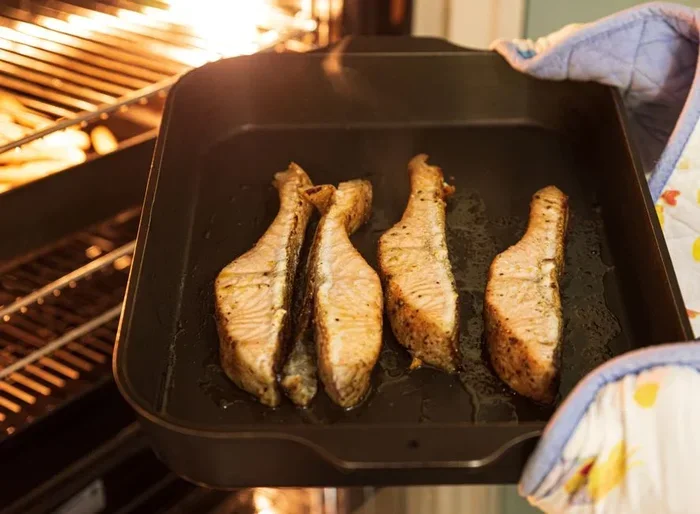
Baking salmon is simple once you know the right how long to bake salmon for your cut and oven. The ideal salmon baking temperature is 400°F, and most fillets need 12 to 20 minutes depending on thickness. Follow our tips for moist, flavorful baked salmon every single time.
There is something magical about how long to bake salmon and pulling a perfectly golden fillet out of the oven. The kitchen fills with a warm, savory aroma, and you know you are about to enjoy one of the best meals of the week. Baking salmon is one of the easiest salmon recipes to master, yet so many people overcook it and end up with dry, flaky disappointment.
Whether you are a beginner in the kitchen or a seasoned home cook, knowing the right salmon cooking time and oven-baked salmon temperature makes all the difference. This guide walks you through everything you need to know. We cover baking times, temperatures, tips for keeping your salmon moist, and the common mistakes that ruin a good fillet. By the end, you will feel confident enough to bake salmon like a pro.
Key Takeaways
- Standard Baking Time: Most salmon fillets bake at 400°F for 12 to 20 minutes, depending on thickness.
- Internal Temperature Matters: The FDA recommends salmon reach 145°F internal temperature for safe eating.
- Thickness Is Key: Thicker cuts need more time, while thin fillets cook fast and can dry out quickly.
- Resting Time Helps: Letting salmon rest for 5 minutes after baking keeps juices locked in.
- Season Simply: Olive oil, salt, pepper, and lemon are all you need for flavorful salmon.
- Skin Side Down: Always place salmon skin-side down on the baking sheet for best results.
- Avoid Overcooking: Use a meat thermometer and pull salmon off heat slightly early for a moist finish.
📑 Table of Contents
- How Long to Bake Salmon at Different Temperatures
- Choosing the Right Salmon Fillet
- Step-by-Step Guide to Baking Salmon
- Tips for Moist and Flavorful Salmon Every Time
- Common Mistakes to Avoid When Baking Salmon
- How Long to Bake Salmon Compared to Other Cooking Methods
- Frequently Asked Questions About Baking Salmon
- Conclusion
How Long to Bake Salmon at Different Temperatures
The salmon baking temperature you choose directly affects the cooking time. Higher heat cooks faster but can dry out the edges. Lower heat takes longer but keeps the fish gentle and even. Here is a quick breakdown of common baking temperatures and their ideal times.
Baking Salmon at 400°F
400°F is the most popular baking salmon temperature, and for good reason. It cooks fast enough to develop a light crust on the outside while keeping the inside tender and juicy. Most standard fillets, about 1 inch thick, need around 12 to 15 minutes at this heat. If your fillet is thicker, closer to 1.5 inches, add a few extra minutes. Always check the internal temperature with a meat thermometer to be sure.
For those who want a crispy skin, placing the fillet skin-side down on a parchment-lined baking sheet works wonders. The high heat renders the fat under the skin and creates a satisfying crunch. This method is one of the best ways to achieve crispy salmon skin without much effort.
Baking Salmon at 375°F
A lower temperature like 375°F is great for thicker cuts or when you want a more gentle cook. At this heat, a 1-inch fillet will need about 15 to 20 minutes. The slower cooking process allows the heat to spread more evenly through the fillet. This reduces the risk of overcooking the outer edges while the center is still raw.
Many home cooks prefer 375°F because it gives them a bigger window to monitor the fish. You are less likely to accidentally push the salmon past the salmon doneness sweet spot. This temperature also works well if you are baking salmon with vegetables on the same sheet pan.
Baking Salmon at 425°F
If you are short on time, 425°F is your friend. A thin fillet at this temperature can be done in as little as 8 to 10 minutes. However, the high heat means you need to watch the salmon closely. Thin cuts can go from perfectly done to overcooked in just a couple of minutes.
This higher temperature works best for salmon per pound calculations as well. A thinner piece of fish will cook through quickly without drying out, but a thick steak might need you to finish it with a brief rest to let the heat even out. Always let your salmon rest for a few minutes after pulling it from the oven.
Choosing the Right Salmon Fillet
The cut and thickness of your salmon play a huge role in determining the salmon cooking time. Not all fillets are created equal, and understanding what to look for makes baking much easier. Here are the key factors to consider before you start.
Skin-On vs. Skin-Off
Skin-on fillets hold together better during baking. The skin acts as a natural protective layer and keeps the flesh moist. It also adds a lovely crispy texture when baked skin-side down. If you prefer not to eat the skin, you can remove it after baking, which is much easier than trying to cook without it.
Skinless fillets cook a bit faster and are more prone to drying out. If you go with skinless salmon, reduce the baking time by a minute or two and check the internal temperature early. A light brushing of olive oil on the top helps keep the fish moist during oven-baked salmon cooking.
Fresh vs. Frozen Salmon
Fresh salmon is ideal for baking, but frozen salmon works too if you thaw it properly. Thaw frozen salmon overnight in the refrigerator for the best results. Never thaw salmon at room temperature, as this can lead to uneven cooking and food safety issues.
If you are using frozen salmon straight from the freezer, you will need to add extra baking time. Plan for about 5 to 10 additional minutes and check for salmon doneness with a thermometer. The center may need more time to heat through fully.
Salmon Thickness and Portion Size
Thickness is the single biggest factor in how long to bake salmon. A thin sashimi-style slice might only need 6 to 8 minutes, while a thick steak could take 20 minutes or more. Always measure the thickest part of the fillet when estimating time.
As a general rule, plan for about 4 to 6 minutes per half-inch of thickness at 400°F. This salmon per pound guideline helps you adjust times based on the size of your cut. When in doubt, use a meat thermometer. It removes all the guesswork from the equation.
Step-by-Step Guide to Baking Salmon
Now that you understand temperatures and timing, let us walk through the actual process. Baking salmon is straightforward, but a few small steps make a big difference in the final result.
Step 1: Preheat Your Oven
Always preheat your oven to the desired temperature before placing the salmon inside. This ensures the fish starts cooking immediately and evenly. A properly preheated oven is essential for achieving the right salmon baking temperature and consistent results every time.
Step 2: Prepare the Fillet
Pat the salmon dry with paper towels. This removes surface moisture and helps the skin crisp up if you are baking it skin-side down. Season the fillet generously with salt, pepper, and a drizzle of olive oil. You can also add lemon slices, fresh herbs, or garlic for extra flavorful salmon flavor.
Step 3: Place on the Baking Sheet
Line a baking sheet with parchment paper or aluminum foil for easy cleanup. Place the salmon skin-side down if the skin is on. Leave space between pieces if you are baking multiple fillets so the hot air can circulate evenly around each one.
Step 4: Bake and Monitor
Place the baking sheet in the center of the oven. Set a timer based on the thickness and temperature guidelines above. Start checking the internal temperature a few minutes before the estimated time is up. The salmon internal temperature should read 145°F at the thickest part for safe consumption.
Step 5: Rest and Serve
Remove the salmon from the oven and let it rest for 5 minutes. This resting period allows the juices to redistribute throughout the fillet. Cutting into it immediately causes the juices to run out, leaving you with drier salmon. After resting, serve and enjoy your perfectly baked fish.
Tips for Moist and Flavorful Salmon Every Time
Even experienced cooks sometimes end up with dry salmon. The good news is that a few simple habits keep your fillets perfectly moist and full of flavor. These tips come from years of salmon recipe testing and kitchen experience.
Brushing with Oil or Butter
A light coat of olive oil or melted butter on top of the salmon creates a moisture barrier during baking. This simple step prevents the surface from drying out too quickly. Use about a teaspoon per fillet and spread it evenly over the top.
Some cooks like to brush the fillet with a mixture of olive oil and soy sauce for an umami boost. Others prefer garlic butter for a rich, indulgent flavor. Whatever you choose, the oil or butter is your best friend when it comes to keeping the fish tender.
Do Not Overcook
Overcooking is the number one enemy of moist salmon. Pull the fillet off the heat when the internal temperature reaches 140°F to 145°F. The fish will continue to cook slightly from residual heat during the resting period. This carryover cooking brings the final temperature up to the safe 145°F without drying out the fillet.
Using a meat thermometer is the easiest way to avoid overcooking. They are inexpensive and take all the guesswork out of the process. Invest in a good instant-read thermometer if you do not already have one.
Marinate for Extra Flavor
A quick 15 to 30 minute marinade adds depth of flavor to your salmon. A simple mix of soy sauce, honey, garlic, and ginger works beautifully. Just do not marinate for too long, as the acid in citrus-based marinades can start to break down the fish texture if left too long.
Let the Salmon Come to Room Temperature
Take the salmon out of the refrigerator about 15 minutes before baking. Letting it sit at room temperature helps it cook more evenly from edge to center. Cold salmon going into a hot oven creates temperature gradients that can leave parts undercooked and others overcooked.
Common Mistakes to Avoid When Baking Salmon
Even with the best intentions, it is easy to make mistakes when baking salmon. Knowing what to avoid saves you from dry, flavorless fish and wasted ingredients.
Skipping the Parchment Paper
Baking salmon directly on a bare sheet pan often leads to sticking and uneven cooking. Parchment paper creates a non-stick surface and promotes gentle, even heat around the fillet. It also makes cleanup a breeze, which is always a win.
Not Letting the Salmon Rest
Cutting into the salmon the moment it comes out of the oven releases all the juices onto the cutting board. Those juices are flavor and moisture you want in your fish. Always let it rest for at least 5 minutes before slicing or serving.
Ignoring the Thickness
Using a one-size-fits-all baking time is a common mistake. A thin fillet and a thick steak need very different amounts of time in the oven. Always adjust your salmon cooking time based on the actual thickness of what you are preparing.
Overcrowding the Pan
When baking multiple fillets, give each one space on the pan. Overcrowding blocks airflow and leads to uneven cooking. Some pieces may cook faster while others stay underdone. Use two baking sheets if you need to cook a large batch.
How Long to Bake Salmon Compared to Other Cooking Methods
Baking is not the only way to cook salmon, and each method has its own timing and advantages. Here is how how long to bake salmon compares to other popular cooking methods.
| Method | Temperature | Time (1-inch fillet) | Result |
|---|---|---|---|
| Oven Baking | 400°F | 12 to 15 minutes | Moist, light crust |
| Air Fryer Oven | 400°F | 10 to 12 minutes | Crispy outside, moist inside |
| Pan Searing | Medium-high | 4 to 5 minutes per side | Crispy skin, tender center |
| Grilling | Medium-high | 6 to 8 minutes per side | Smoky flavor, grill marks |
| Poaching | Simmer | 10 to 15 minutes | Very moist, delicate |
Baking strikes a great balance between ease and results. If you want a crispy exterior with less effort, an air fryer oven can cut the time even further. For more information on that method, check out our guide on how long to cook salmon in an air fryer oven. Each method has its place, but baking remains the go-to for most home cooks because it is simple and reliable.
When baking at 400°F in a standard oven, the results are consistently excellent. For detailed timing at this specific temperature, our how long to cook salmon oven 400 guide offers additional insights. Whether you stick with baking or explore other methods, the principles of proper temperature and timing apply across the board.
Keeping your salmon moist also connects to how you handle the fish overall. The same care you take with how to tenderize meat naturally applies to fish. Gentle handling, proper seasoning, and not overcooking are universal principles that apply whether you are working with salmon, chicken, or beef.
Frequently Asked Questions About Baking Salmon
Can You Bake Salmon at 350°F?
Yes, you can bake salmon at 350°F, but it will take longer than higher temperatures. A 1-inch fillet at 350°F typically needs 18 to 25 minutes. The lower heat cooks the fish more gently, which can help prevent drying out. Just be sure to check the internal temperature regularly so you do not overcook it.
How Do You Know When Baked Salmon Is Done?
The most reliable way to tell is by using a meat thermometer. Salmon is done when the internal temperature reaches 145°F at the thickest part. You can also check for visual cues. The fish should flake easily with a fork and have an opaque pink color throughout. If it still looks translucent in the center, it needs more time.
Should You Cover Salmon with Foil When Baking?
Covering salmon with foil traps steam and can help keep the fish moist, especially for thicker cuts. However, it also prevents the skin from crisping up. If you want crispy skin, bake the salmon uncovered. If you prefer a softer, more steamed texture, tent it loosely with foil for the first half of the baking time and then remove the foil to finish.
How Long Does Baked Salmon Last in the Fridge?
Cooked salmon keeps well in the refrigerator for 3 to 4 days when stored in an airtight container. Make sure the salmon has cooled down before putting it in the fridge. Reheat leftovers gently in the oven or microwave to avoid drying out the fish further.
What Is the Best Seasoning for Baked Salmon?
Simple seasonings work best for baked salmon. A combination of olive oil, salt, black pepper, and fresh lemon juice is a classic choice. Garlic, dill, paprika, and honey also pair wonderfully with salmon. Keep the seasoning light so it complements the natural flavor of the fish rather than masking it.
Can You Bake Salmon on a Sheet of Parchment Paper?
Absolutely. Parchment paper is one of the best ways to bake salmon. It prevents sticking, promotes even cooking, and makes cleanup effortless. Place the salmon on the parchment, season it, and bake as usual. The parchment also helps trap moisture around the fillet, which contributes to a juicier result.
Conclusion
Learning how long to bake salmon is one of the simplest skills you can build in the kitchen. With the right temperature, timing, and a few easy tips, you can serve up moist, flavorful salmon every single time. The key is to pay attention to thickness, use a meat thermometer, and avoid the common pitfalls that lead to dry fish.
Remember that 400°F is your best friend for most fillets, and 12 to 15 minutes is a solid starting point. Let the salmon rest after baking, season it simply, and enjoy the process. Once you nail the basics, you can experiment with different marinades, temperatures, and serving styles to make baked salmon a regular part of your meal rotation.
The beauty of baking salmon is that it is forgiving and flexible. You do not need fancy equipment or advanced cooking skills. A little attention to timing and temperature goes a long way. So preheat that oven, grab your favorite fillet, and get ready to enjoy one of the healthiest and most delicious meals you can make at home.



