Knowing how many ounces in 1/4 cup is essential for baking accuracy and recipe success. A quarter cup equals 2 fluid ounces for liquids and varies for dry ingredients by weight. This guide breaks down every conversion you need to measure like a pro.
Key Takeaways
- 1/4 cup equals 2 fluid ounces for liquid ingredients like water, milk, and oil.
- Dry ingredient weights vary — 1/4 cup of flour weighs about 1 ounce, while 1/4 cup of sugar weighs roughly 2 ounces.
- Use the right measuring tools — liquid measuring cups for fluids, dry measuring cups for solids.
- Baking is science — precise measurements directly impact texture, rise, and flavor.
- Metric conversions matter — 1/4 cup equals approximately 59 milliliters.
- Common mistakes ruin recipes — packing flour or misreading lines on cups leads to failed bakes.
- Mastering this conversion scales your confidence for adjusting any recipe up or down.
📑 Table of Contents
- How Many Ounces in 1/4 Cup: The Complete Guide
- Liquid vs Dry: What Does 1/4 Cup Actually Weigh?
- How to Measure 1/4 Cup Correctly
- Common Mistakes When Measuring 1/4 Cup
- Quick Conversion Cheat Sheet
- How Knowing This Conversion Improves Your Baking
- Pro Tips for Perfect Measurements Every Time
- Final Thoughts on 1/4 Cup to Ounce Conversions
How Many Ounces in 1/4 Cup: The Complete Guide
Baking is one of the most precise hobbies you can pick up. Every gram and every milliliter matters. When a recipe calls for how many ounces in 1/4 cup, the answer depends on what you are measuring. Liquids and dry ingredients behave very differently. And getting this wrong can mean the difference between a perfect cake and a flat disaster.
In this guide, we walk you through everything you need to know. We cover liquid measurements, dry ingredient weights, common mistakes, and handy tips you can use right away. Whether you are a beginner or a seasoned baker, this article will sharpen your skills. Let us dive in.
Why Measurement Accuracy Matters in Baking
Baking is not like cooking. When you sauté vegetables, you can eyeball the salt. But baking is chemistry. Every ingredient plays a specific role. Flour gives structure. Sugar adds sweetness and moisture. Leavening agents make things rise. And liquids bind everything together.
If you add too much flour, your bread turns dense. Too little sugar and your cookies spread too thin. This is why understanding cup to ounce conversions is so important. A quarter cup might seem small, but even a few extra grams can change the outcome of your bake.
Think about it this way. A recipe that calls for 2 fluid ounces of milk expects exactly that. If you pour in 3 ounces instead, the batter becomes too loose. The texture changes. The bake time shifts. And your final product may not turn out the way you hoped.
Liquid vs Dry: What Does 1/4 Cup Actually Weigh?
This is where things get tricky. The short answer is that 1/4 cup of liquid equals 2 fluid ounces. But 1/4 cup of dry ingredients can weigh very differently depending on the ingredient. Let us break this down clearly.
Liquid Measurements: 1/4 Cup in Fluid Ounces
For liquids, the conversion is straightforward. One cup equals 8 fluid ounces. So a quarter cup, which is 1/4 of a cup, equals 2 fluid ounces. This applies to water, milk, cooking oil, vanilla extract, and any other liquid your recipe calls for.
Here is a quick reference for common liquids:
- Water: 1/4 cup = 2 fluid ounces = about 59 milliliters
- Milk: 1/4 cup = 2 fluid ounces = about 59 milliliters
- Cooking oil: 1/4 cup = 2 fluid ounces = about 59 milliliters
- Vanilla extract: 1/4 cup = 2 fluid ounces (though most recipes use much less)
When measuring liquids, always use a liquid measuring cup. These have clear markings on the side. Place the cup on a flat surface. Bend down to eye level. And read the line at the bottom of the meniscus. This small habit makes a big difference in accuracy.
Dry Ingredient Weights: 1/4 Cup by Ingredient
Dry ingredients are a different story. The weight of 1/4 cup depends entirely on what you are measuring. A cup of flour weighs less than a cup of sugar. And a cup of cocoa powder weighs even less than flour. Here are some common examples:
- All-purpose flour: 1/4 cup weighs about 1 ounce (approximately 30 grams)
- Granulated sugar: 1/4 cup weighs about 2 ounces (approximately 50 grams)
- Brown sugar: 1/4 cup weighs about 2.25 ounces (packed)
- Cake flour: 1/4 cup weighs about 0.75 ounces (lighter than all-purpose)
- Cocoa powder: 1/4 cup weighs about 0.6 ounces
- Oats: 1/4 cup weighs about 0.75 ounces
As you can see, the ounce to cup conversion for dry ingredients varies widely. This is why many serious bakers prefer to weigh their ingredients with a kitchen scale. But when all you have are measuring cups, knowing these approximate weights helps a lot.
How to Measure 1/4 Cup Correctly
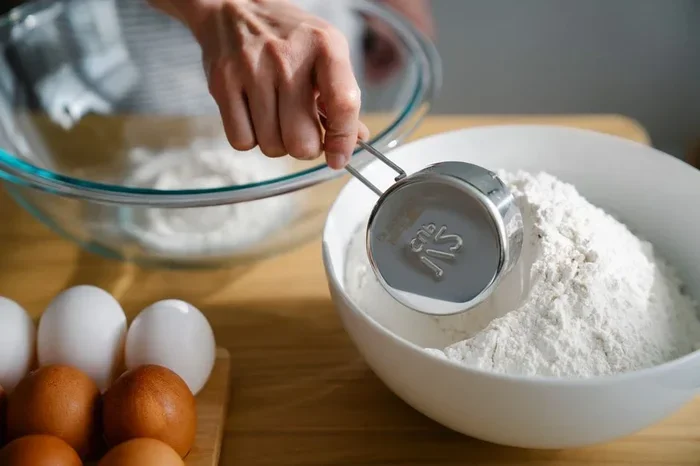
Measuring might seem simple, but most people do it wrong. We see it all the time in home kitchens. A quick scoop into the flour bag and leveled off with a knife. But this method packs the flour down. And packed flour means more flour than the recipe intended.
The Spoon-and-Level Method
This is the gold standard for measuring dry ingredients. Here is how it works:
- Use a spoon to fluff up the ingredient in its container.
- Scoop the ingredient into your measuring cup with the spoon.
- Do not tap or shake the cup.
- Use the back of a knife to level off the top.
- Never pack the ingredient down.
This method gives you the lightest and most accurate measurement. It prevents you from adding too much flour, which is the number one mistake in baking. And it works for flour, cocoa powder, powdered sugar, and other fine dry ingredients.
Measuring Liquids the Right Way
For liquids, pour the ingredient into a clear liquid measuring cup. Set it on your counter. Get down to eye level. And check that the liquid sits exactly at the 1/4 cup mark. Do not hold the cup up in the air. Your angle will trick your eyes and give you the wrong amount.
Also, remember that 1/4 cup equals 4 tablespoons. If you do not have a 1/4 cup measure, you can use 4 tablespoons instead. This is one of the most useful kitchen conversions to memorize.
Common Mistakes When Measuring 1/4 Cup
Even experienced cooks make measurement errors. Here are the most common mistakes and how to avoid them.
Mistake 1: Scooping Flour Directly from the Bag
This is the biggest sin in baking. When you dip your measuring cup straight into the flour bag, you pack the flour tightly. A packed 1/4 cup of flour can weigh up to 30% more than a properly spooned and leveled cup. That extra flour makes baked goods dry and tough.
Mistake 2: Confusing Fluid Ounces with Weight Ounces
This trips up a lot of people. A fluid ounce measures volume. A weight ounce measures mass. When a recipe says 2 fluid ounces of milk, that is 1/4 cup. But 2 weight ounces of flour is a different volume entirely. Always check whether your recipe is calling for volume or weight.
Mistake 3: Using the Wrong Type of Measuring Cup
Liquid measuring cups and dry measuring cups serve different purposes. Liquid cups have a spout and clear sides for viewing the fill line. Dry cups are meant to be filled to the brim and leveled off. Using the wrong one leads to inaccurate measurements. Keep both sets in your kitchen and use them correctly.
Quick Conversion Cheat Sheet
Bookmark this section. It saves time and takes the guesswork out of your next baking session. Here is a handy reference for common 1/4 cup conversions:
- 1/4 cup = 2 fluid ounces
- 1/4 cup = 4 tablespoons
- 1/4 cup = 12 teaspoons
- 1/4 cup = approximately 59 milliliters
- 1/4 cup of all-purpose flour = about 1 ounce by weight
- 1/4 cup of granulated sugar = about 2 ounces by weight
- 1/4 cup of butter = 2 ounces by weight (half a stick)
Print this out or save it on your phone. It comes in handy more often than you think. And once you memorize a few of these, measuring becomes second nature.
How Knowing This Conversion Improves Your Baking
Understanding how many ounces in 1/4 cup does more than help you follow recipes. It gives you the confidence to adjust them. Want to halve a recipe? You need to know that 1/8 cup equals 1 fluid ounce. Want to double it? You need to know that 1/2 cup equals 4 fluid ounces.
This knowledge also helps when you are converting recipes between metric and US customary units. Many recipes from Europe use grams and milliliters. American recipes use cups and ounces. Being able to move between these systems makes you a more versatile cook.
And here is a bonus tip. When you are measuring ingredients for something like coffee or other beverages, the same principles apply. Knowing your cup-to-ounce relationships helps you get the ratio just right. If you want to learn more about measuring coffee per cup of water, check out our guide on how many scoops of coffee per cup of water. It is a great companion piece to this one.
Similarly, if you are working with an Instant Pot and need to measure liquids accurately for boiling or cooking, understanding basic cup conversions is essential. You can read more about working with liquids in your Instant Pot in our how to boil in Instant Pot guide. These foundational skills all connect back to the same core knowledge of volume and weight measurements.
Pro Tips for Perfect Measurements Every Time
We asked experienced bakers for their best tips. Here is what they shared:
- Always use room temperature ingredients. Cold eggs and milk do not measure the same as room temperature ones. They also mix differently into batter.
- Invest in a digital kitchen scale. It is the single best upgrade you can make. Weighing ingredients eliminates volume-based guessing entirely.
- Flour changes over time. Store it in an airtight container. Humidity and settling affect how much flour fits into a 1/4 cup.
- Do not pack brown sugar unless the recipe says to. Most recipes call for “packed” brown sugar. If yours does not, spoon it in lightly.
- When in doubt, weigh it. A kitchen scale removes all ambiguity. It takes the stress out of baking and makes you more consistent.
These small habits add up over time. They separate good bakers from great ones. And they all start with understanding the basics, like how many ounces are in a quarter cup.
Final Thoughts on 1/4 Cup to Ounce Conversions
So, how many ounces in 1/4 cup? For liquids, the answer is always 2 fluid ounces. For dry ingredients, the weight varies. Flour comes in at about 1 ounce per quarter cup. Sugar sits around 2 ounces. And butter is 2 ounces by weight.
The key takeaway is this: knowing your conversions gives you control. You stop relying on recipes blindly. You start understanding why things work the way they do. And you become a better baker because of it.
Keep this guide handy. Print the cheat sheet. Share it with a friend who loves to bake. And the next time a recipe calls for a quarter cup, you will know exactly what to do. Happy baking!
Understanding 1/4 cup to ounces is one of those small skills that pays off big. It builds your confidence. It improves your results. And it makes the whole baking process more enjoyable. So grab your measuring cups, put these tips to work, and start creating delicious treats with precision and ease.
Frequently Asked Questions
How many fluid ounces are in 1/4 cup?
There are 2 fluid ounces in 1/4 cup. This conversion applies to all liquids, including water, milk, oil, and broth. It is one of the most basic and useful kitchen conversions to memorize.
Does 1/4 cup of flour equal 1 ounce?
Yes, approximately. A properly measured 1/4 cup of all-purpose flour weighs about 1 ounce, or roughly 30 grams. However, this can vary slightly depending on how the flour is packed and the type of flour used.
Can I use a kitchen scale instead of measuring cups?
Absolutely. A kitchen scale is actually more accurate than measuring cups for dry ingredients. Many professional bakers prefer weighing ingredients because it eliminates the variability caused by how tightly ingredients are packed into cups.
What is the difference between fluid ounces and weight ounces?
Fluid ounces measure volume, while weight ounces measure mass. A fluid ounce tells you how much space a liquid takes up. A weight ounce tells you how heavy something is. This distinction is crucial when converting cup measurements to ounces.
How do I measure 1/4 cup without a measuring cup?
You can use 4 tablespoons, which equals 1/4 cup. You can also use 12 teaspoons. Or if you have a kitchen scale, weigh the ingredient based on its density. For liquids, 2 fluid ounces is your 1/4 cup equivalent.
Why do dry and liquid 1/4 cup measurements differ in weight?
They do not differ in volume — both are 1/4 cup. But they differ in weight because different ingredients have different densities. Flour is light and fluffy, so 1/4 cup weighs less. Sugar is denser, so 1/4 cup weighs more. This is why understanding both volume and weight is important for baking accuracy.
=== INTERNAL LINKS ===
For more helpful measurement guides, check out these related articles on our site:
- How Many Scoops of Coffee Per Cup of Water
- How to Boil in Instant Pot
- How to Measure Coffee in a Coffee Maker