Baking sweet potatoes in the oven is one of the simplest and most delicious ways to prepare this nutritious vegetable. With the right oven temperature and a little patience, you can achieve perfectly caramelized, fluffy interiors every single time. This guide covers everything from prep and seasoning to baking times and creative serving ideas. Whether you are a beginner or a seasoned cook, you will find practical tips to elevate your baked sweet potato game.
There is something deeply satisfying about pulling a tray of baked sweet potatoes out of the oven. The kitchen fills with a warm, earthy aroma, and you know you are about to enjoy one of nature’s most versatile and nutritious foods. Sweet potatoes are packed with vitamins, fiber, and natural sweetness that makes them a favorite for breakfast, lunch, dinner, or even a simple snack.
Yet so many people overcomplicate the process. They boil them. They microwave them. And they end up with a mushy, uneven result when what they really want is that perfect oven-baked sweet potato with crispy skin and a creamy, fluffy center. The good news is that baking sweet potatoes in the oven is incredibly easy once you know a few key steps.
This guide walks you through everything you need to know. From selecting the right sweet potatoes at the store to choosing the best oven temperature and baking time, we have you covered. You will also find tips for seasoning, serving, and storing your baked sweet potatoes. By the end, you will never go back to the microwave again.
Key Takeaways
- Choose the right size: Medium sweet potatoes bake evenly and are easier to handle than very large ones.
- Preheat your oven to 400°F: This temperature creates a perfect balance of caramelized exterior and creamy interior.
- Pierce the skin before baking: This prevents bursting and allows steam to escape for even cooking.
- Bake for 45 to 60 minutes: Timing depends on size, but a fork should slide in easily when done.
- Try foil-free baking for crispier skin: Wrapping in foil steams the skin; skipping it gives you a satisfying crunch.
- Experiment with toppings: From butter and brown sugar to savory herbs, the options are endless.
- Store leftovers properly: Refrigerate baked sweet potatoes within two hours for safe, lasting freshness.
📑 Table of Contents
- Why Baking Sweet Potatoes in the Oven Is the Best Method
- How to Choose the Best Sweet Potatoes for Baking
- Step-by-Step Guide to Baking Sweet Potatoes in the Oven
- Perfect Oven Temperature and Baking Time for Sweet Potatoes
- Seasoning and Topping Ideas for Baked Sweet Potatoes
- Common Mistakes to Avoid When Baking Sweet Potatoes
- How to Store and Reheat Baked Sweet Potatoes
- Health Benefits of Baked Sweet Potatoes
- Variations and Creative Recipes Using Baked Sweet Potatoes
- Conclusion
Why Baking Sweet Potatoes in the Oven Is the Best Method
You might wonder why oven baking beats every other method. The answer lies in how dry, consistent heat transforms the potato from the inside out. When you bake sweet potatoes in oven, the skin gets crispy while the inside becomes dense, creamy, and naturally sweet. This caramelization process simply cannot happen on a stovetop or in a microwave.
Boiling sweet potatoes leaches out flavor and nutrients into the water. Microwaving can create uneven textures, with some parts too hard and others too soft. The oven gives you full control over the cooking environment. You decide the temperature, the wrapping method, and the level of crispiness you want on that beautiful sweet potato skin.
Another big advantage is hands-off cooking. Once your sweet potatoes are in the oven, you can walk away and focus on other parts of your meal. There is no stirring, no watching, and no fuss. This makes oven-baked sweet potatoes ideal for busy weeknights and relaxed weekend cooking alike.
The Science Behind Perfectly Baked Sweet Potatoes
When sweet potatoes bake, the natural sugars inside caramelize at high temperatures. This is what gives them that golden-brown exterior and rich, complex flavor. The oven temperature of around 400°F is the sweet spot. It is hot enough to trigger caramelization but not so hot that the outside burns before the inside cooks through.
Starch inside the sweet potato also gelatinizes during baking. This is what creates that soft, creamy texture in the center. The process takes time, which is why rushing with a higher temperature or shorter bake time never works as well. Patience is the secret ingredient in every batch of oven-baked sweet potatoes.
How to Choose the Best Sweet Potatoes for Baking
Not all sweet potatoes are created equal. The variety you pick and how you store it before baking can make a big difference in the final result. Here is what to look for at the grocery store or farmers market.
Go for Medium-Sized Sweet Potatoes
Large sweet potatoes often bake unevenly. The outside can burn while the center stays hard. Medium-sized sweet potatoes, roughly the size of your fist, bake more consistently and are easier to handle on the plate. Look for firm potatoes with smooth skin and no soft spots or cracks.
Check the Skin Carefully
The skin of a sweet potato tells you a lot about what is underneath. Healthy skin should be tight, dry, and free of blemishes. Avoid any potatoes with wrinkles, sprouts, or dark bruises. These are signs of age or damage that will affect both flavor and texture.
Store Them Properly Before Baking
Keep raw sweet potatoes in a cool, dark, and dry place. A pantry or cupboard works perfectly. Do not refrigerate them, as cold temperatures can change the starch content and make the center hard even after baking. Proper storage ensures your sweet potato recipe starts on the right foot every time.
Step-by-Step Guide to Baking Sweet Potatoes in the Oven
Now let us get into the heart of the matter. Here is a clear, simple process that guarantees great results every time you want to bake sweet potatoes in oven.
Step 1: Preheat the Oven
Set your oven to 400°F and let it preheat fully. This usually takes about 10 to 15 minutes. A properly preheated oven ensures even cooking from the moment the sweet potatoes go in. If your oven runs hot or cold, use an oven thermometer to verify the actual temperature.
Step 2: Wash and Dry the Sweet Potatoes
Rinse each sweet potato under cool running water. Use a vegetable brush to gently scrub away any dirt. Pat them completely dry with a clean towel. This step is simple but important. Dry skin helps the potatoes crisp up better in the oven.
Step 3: Pierce the Skin
Use a fork to poke several holes into each sweet potato. Go deep enough to penetrate through the skin and into the flesh. This creates steam vents that prevent the potatoes from bursting during baking. It is a small step that saves you from a messy cleanup later.
Step 4: Optional Wrapping with Foil
Some people swear by wrapping sweet potatoes in aluminum foil. This traps moisture and steams the potato, giving you a softer skin. Others prefer to bake them unwrapped for crispier skin. Both methods work well. It simply comes down to personal preference. If you want crispy sweet potato skins, skip the foil.
Step 5: Place on a Baking Sheet
Line a baking sheet with parchment paper for easy cleanup. Arrange the sweet potatoes with space between them. Air needs to circulate around each potato for even baking. Overcrowding the pan leads to uneven cooking and soggy spots.
Step 6: Bake and Wait
Place the baking sheet on the middle rack of the oven. Set a timer for 45 minutes. Medium sweet potatoes usually need 45 to 60 minutes at 400°F. Very large potatoes may need up to 75 minutes. The best test is to squeeze the potato gently with an oven mitt. If it gives slightly and feels soft all the way through, it is done.
Step 7: Let Them Rest
Once baked, remove the sweet potatoes from the oven and let them rest for 5 minutes. This allows the interior to settle and makes them easier to handle. Slice them open, fluff the inside with a fork, and add your favorite toppings.
Perfect Oven Temperature and Baking Time for Sweet Potatoes
The oven temperature and baking time are the two most important factors in getting perfect results. Here is a closer look at how they work together.
Why 400°F Works Best
At 400°F, the heat is intense enough to caramelize the natural sugars on the surface of the potato. This creates a beautiful golden-brown color and a slightly crispy exterior. At the same time, the heat penetrates slowly and evenly into the center, cooking the flesh to a silky, creamy consistency.
If you lower the temperature to 350°F, the baking time increases significantly. The sweet potato may cook more evenly in some cases, but you lose some of that desirable caramelization. If you go higher to 425°F or above, the outside risks burning before the inside is fully cooked.
Baking Time Guide by Size
Here is a simple reference for how long to bake sweet potatoes based on their size. These times assume an oven temperature of 400°F and unwrapped potatoes on a baking sheet.
- Small sweet potatoes (under 5 inches): 35 to 45 minutes
- Medium sweet potatoes (5 to 7 inches): 45 to 60 minutes
- Large sweet potatoes (over 7 inches): 60 to 75 minutes
- Extra-large sweet potatoes (over 8 inches): 75 to 90 minutes
Always use the fork test to confirm doneness. Slide a fork into the thickest part of the potato. If it goes in with no resistance, your baked sweet potatoes are ready.
Seasoning and Topping Ideas for Baked Sweet Potatoes
One of the best things about baked sweet potatoes is how versatile they are. You can keep it simple or go all out with creative toppings. Here are some ideas to inspire your next batch.
Classic Sweet Toppings
- Butter and a drizzle of honey
- Brown sugar and a sprinkle of cinnamon
- Marshmallows for a fun, kid-friendly version
- Maple syrup and a pinch of nutmeg
Savory Topping Options
- Sour cream, chives, and a pinch of salt
- Black beans, cheese, and salsa
- Avocado and a squeeze of lime
- Garlic butter and fresh herbs
If you like herbs, consider using dried herbs that complement the natural sweetness of the potato. Rosemary and thyme work beautifully. Just like you would dry basil in the oven for later use, you can dry your own herb blends at home and sprinkle them on baked sweet potatoes for an extra burst of flavor.
Making It a Full Meal
A baked sweet potato can easily become a complete meal. Top it with grilled chicken, steamed broccoli, and a dollop of Greek yogurt. Or go the chili route with ground turkey, black beans, and shredded cheese. The possibilities are nearly endless, and each combination brings out a different side of the sweet potato’s natural flavor.
Common Mistakes to Avoid When Baking Sweet Potatoes
Even though baking sweet potatoes is simple, there are a few common pitfalls that can ruin your results. Here is what to watch out for.
Skipping the Piercing Step
This is the number one mistake people make. Without holes in the skin, steam builds up inside the potato with nowhere to go. The result is a potato that bursts open in the oven, making a mess and potentially causing uneven cooking. Always pierce your sweet potatoes before they go in the oven.
Wrapping in Foil When You Want Crispy Skin
Foil traps steam and creates a steaming effect rather than a baking effect. This gives you soft, pale skin instead of that satisfying crispy exterior. If you love crispy sweet potato skin, leave the foil off. Your potatoes will thank you.
Overcrowding the Baking Sheet
Giving each sweet potato enough space on the pan is essential for even heat circulation. When potatoes are crammed together, they steam instead of bake. This leads to uneven cooking and less flavorful results. Use two baking sheets if you need to bake a large batch.
Cutting Too Early
It can be tempting to slice open a hot sweet potato right out of the oven. But letting it rest for a few minutes allows the interior to set slightly. This makes it easier to fluff with a fork and prevents the inside from being too runny or wet.
How to Store and Reheat Baked Sweet Potatoes
Got leftovers? That is never a bad thing when it comes to baked sweet potatoes. Proper storage keeps them fresh and safe to eat for days.
Storing Baked Sweet Potatoes
Let the sweet potatoes cool completely at room temperature. Do not leave them out for more than two hours, as this is the food safety window for cooked vegetables. Once cooled, place them in an airtight container and store them in the refrigerator. They will keep for up to five days.
Reheating Baked Sweet Potatoes
The oven is the best way to reheat baked sweet potatoes. Wrap them loosely in foil and heat at 350°F for about 15 to 20 minutes. This restores the texture and prevents them from drying out. You can also reheat them in the microwave, but the skin will lose its crispness.
If you are interested in learning more about oven-based food preparation, check out our guide on how to dehydrate vegetables in the oven. It covers a range of techniques that pair well with the skills you have built here.
Health Benefits of Baked Sweet Potatoes
Baking is one of the healthiest ways to prepare sweet potatoes because it requires no added fat. The slow, even heat preserves most of the nutrients. Here are some of the key health benefits you get from a baked sweet potato.
- Rich in Vitamin A: One baked sweet potato provides more than 100% of your daily vitamin A needs.
- High in Fiber: The skin and flesh both contribute dietary fiber, which supports digestion.
- Good Source of Potassium: Baked sweet potatoes contain more potassium than a banana.
- Low in Fat: A plain baked sweet potato has virtually no fat, making it a light and healthy meal option.
- Natural Sweetness: The natural sugars satisfy sweet cravings without added sugar or processed ingredients.
Compared to boiling, which leaches water-soluble vitamins into the cooking water, baking keeps those nutrients locked inside the potato. This makes the oven the clear winner for nutrition as well as flavor.
Variations and Creative Recipes Using Baked Sweet Potatoes
Once you master the basic baked sweet potato, you can explore countless variations. Here are a few ideas to get you started.
Sweet Potato Wedges
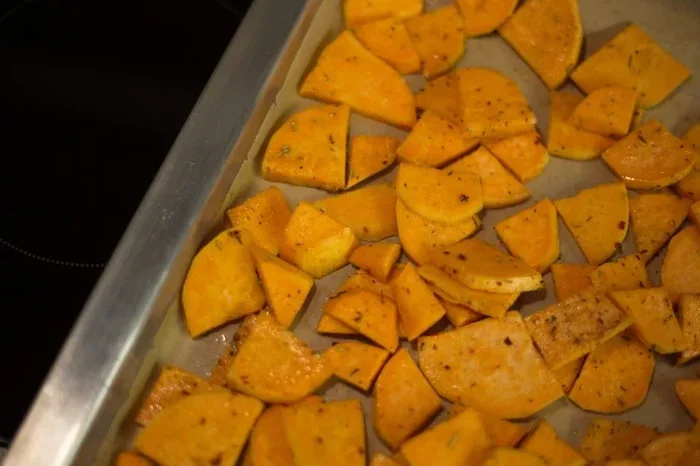
Cut your sweet potatoes into wedge shapes before baking. Toss them with olive oil, salt, pepper, and paprika. Bake at 400°F for 30 to 40 minutes, flipping halfway through. These make a fantastic side dish or a healthy alternative to French fries.
Stuffed Baked Sweet Potatoes
Bake whole sweet potatoes, then slice them open and pile on your favorite fillings. Think chili, cheese, sour cream, and green onions for a southwestern twist. Or try turkey, gravy, and cranberry sauce for a Thanksgiving-inspired version.
Sweet Potato Hash
Dice leftover baked sweet potatoes and sauté them in a skillet with onions, bell peppers, and eggs. This makes a hearty breakfast or brunch dish that is ready in minutes using your pre-baked potatoes.
For more oven-based vegetable inspiration, you might also enjoy our article on how to dry peppers in an oven. It shares similar principles of oven temperature control and vegetable preparation.
Conclusion
Baking sweet potatoes in the oven is one of the easiest and most rewarding things you can do in the kitchen. With the right oven temperature, a little patience, and a few simple steps, you can create perfectly caramelized, fluffy sweet potatoes that taste better than anything you have ever had from a can or a microwave. The process is forgiving, the results are impressive, and the health benefits are undeniable.
Start with medium-sized sweet potatoes. Preheat your oven to 400°F. Pierce the skin, bake for 45 to 60 minutes, and let them rest before serving. From there, the world is your oyster. Whether you keep it classic with butter and brown sugar or go savory with chili and cheese, a perfectly baked sweet potato never disappoints.
Try this method next time you are in the mood for something warm, comforting, and nutritious. Once you taste the difference that oven baking makes, you will never go back to the old ways. Your sweet potatoes deserve the best, and now you know exactly how to give them that.
Frequently Asked Questions
Can I bake sweet potatoes at a lower temperature?
Yes, you can bake sweet potatoes at 350°F, but the baking time will increase to about 60 to 90 minutes. Lower temperatures cook the potato more gently but may reduce caramelization on the skin. The result is still delicious, just slightly less crispy on the outside.
How do I know when a sweet potato is fully baked?
The best test is the fork test. Push a fork into the thickest part of the potato. If it slides in with no resistance and the potato feels soft all the way through, it is done. You can also gently squeeze the potato with an oven mitt. If it gives slightly, it is ready.
Should I peel sweet potatoes before baking?
No, leave the skin on. The skin protects the potato during baking and adds fiber and nutrients to your meal. After baking, the skin is easy to remove or eat, depending on your preference. Many people enjoy the skin for its texture and nutritional value.
Can I bake sweet potatoes ahead of time?
Absolutely. You can bake sweet potatoes up to three days in advance. Let them cool completely, store them in an airtight container in the refrigerator, and reheat in the oven at 350°F when ready to serve. This makes them a great make-ahead side dish for gatherings and meal prep.
Is it better to bake sweet potatoes in foil or without foil?
It depends on your preference. Foil traps moisture and creates a steamed effect, resulting in softer skin. Baking without foil allows the skin to dry out and crisp up. For the best of both worlds, try one batch wrapped and one unwrapped to compare the results.
Can I freeze baked sweet potatoes?
Yes, baked sweet potatoes freeze very well. Let them cool completely, wrap each one tightly in plastic wrap or foil, and place them in a freezer-safe bag. They will keep for up to three months. Reheat in the oven at 350°F until warmed through for the best texture.