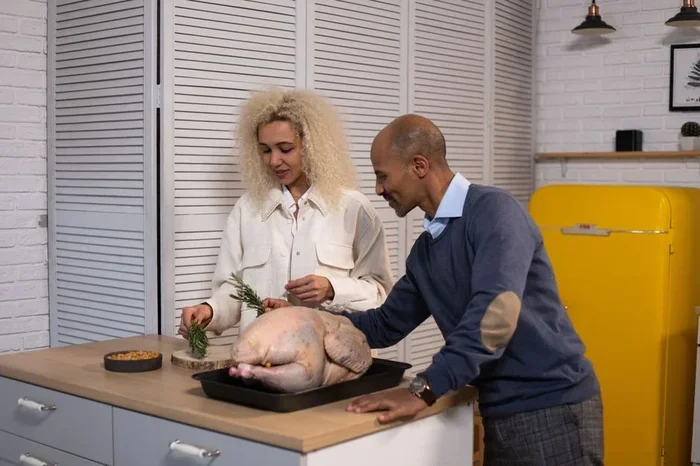
Defrosting a turkey in the refrigerator is the safest and most reliable method for preparing your bird for cooking. You should plan for 24 hours of thawing time for every 4 to 5 pounds of turkey weight. This guide covers how long to defrost turkey in refrigerator with size-based timelines, food safety tips, and step-by-step instructions for a worry-free thawing process.
Defrosting a turkey in the refrigerator is the most trusted and food-safe way to prepare your bird for a holiday meal or family dinner. Many home cooks worry about the timing, especially when the big day is approaching fast and the turkey is still frozen solid. Understanding how long to defrost turkey in refrigerator helps you plan ahead and avoid last-minute stress in the kitchen.
The process is simpler than most people think, but it does require some advance planning. A frozen turkey cannot go straight from the freezer to the oven safely. Taking the time to thaw it properly ensures even cooking, better texture, and most importantly, food safety for your family. This guide walks you through everything you need to know about refrigerator thawing, from timing charts to common mistakes and practical tips that make the process effortless.
Whether you are preparing a Thanksgiving centerpiece, a Christmas roast, or a simple Sunday dinner, getting the thawing step right sets the foundation for a delicious meal. Let us dive into the details so you can approach your next turkey cook with confidence and ease.
Key Takeaways
- Plan for 24 hours per 4 to 5 pounds: The standard thawing time in the refrigerator is approximately one day for every 4 to 5 pounds of turkey weight, so a 20-pound bird needs about 5 days.
- Refrigerator thawing is the safest method: It keeps the turkey at a consistent, safe temperature that prevents bacterial growth and ensures even thawing throughout the bird.
- Place the turkey on a tray or pan: This catches any drips and prevents cross-contamination with other foods stored in your refrigerator.
- Keep the turkey in its original wrapper: The packaging helps maintain hygiene and prevents the meat from absorbing refrigerator odors during the thawing process.
- A fully thawed turkey can stay in the fridge for 1 to 2 days: This gives you flexibility in your cooking schedule and reduces last-minute stress.
- Never thaw turkey at room temperature: The outer layers can enter the bacterial danger zone while the center remains frozen, creating a serious food safety risk.
📑 Table of Contents
- Turkey Defrosting Times in the Refrigerator
- Why the Refrigerator Is the Best Thawing Method
- Turkey Size and Thawing Time Reference Guide
- Step-by-Step Guide to Defrosting Turkey in the Fridge
- Common Mistakes to Avoid When Thawing Turkey
- What to Do After the Turkey Is Fully Thawed
- Final Thoughts on Defrosting Turkey in the Refrigerator
Turkey Defrosting Times in the Refrigerator
The answer to how long to defrost turkey in refrigerator depends mainly on the weight of your bird. As a general guideline, you should allow approximately 24 hours of thawing time for every 4 to 5 pounds of turkey weight. This means a 12-pound bird needs about 3 days, while a 20-pound turkey requires closer to 5 days in the fridge.
These numbers come from the United States Department of Agriculture food safety recommendations. The refrigerator maintains a steady temperature of 40 degrees Fahrenheit or below, which is the safe zone for thawing meat. This consistent cold environment prevents harmful bacteria from growing on the outer layers of the turkey while the inside gradually thaws.
The key to successful thawing is patience. Resist the urge to speed up the process by leaving the turkey out on the counter or using warm water. These shortcuts may save time but compromise food safety and can lead to uneven cooking or foodborne illness. A frozen turkey needs time for the cold to slowly and evenly release from the meat, and rushing that process is never worth the risk.
Why Timing Matters for Food Safety
When the outer layers of a turkey warm up too quickly, they enter the temperature danger zone between 40 and 140 degrees Fahrenheit. In this range, harmful bacteria like Salmonella and Campylobacter can multiply rapidly. The refrigerator method keeps the entire bird at a safe, consistent temperature throughout the thawing process. This is why the USDA strongly recommends refrigerator thawing as the preferred method for raw turkey.
Another reason timing matters is that an underthawed turkey cooks unevenly. The outside may be overcooked while the center remains underdone, which creates both a texture problem and a food safety concern. Giving your turkey the full recommended thawing time ensures a uniform result that is juicy, tender, and safe to eat.
Why the Refrigerator Is the Best Thawing Method
There are three main ways to thaw a frozen turkey: in the refrigerator, in cold water, or in the microwave. Each method has its place, but the refrigerator stands out as the safest and most convenient option for most home cooks. Here is why refrigerator thawing is the preferred choice.
Food Safety Advantages
When you thaw turkey in the refrigerator, the meat stays at a consistent, cool temperature throughout the entire process. This keeps the turkey well outside the danger zone, which is the temperature range between 40 and 140 degrees Fahrenheit where bacteria multiply rapidly. With cold water thawing, the outer layers of the turkey can warm up quickly, creating a perfect environment for bacterial growth if you are not careful about changing the water every 30 minutes.
The refrigerator method also means you do not need to monitor the process constantly. You simply place the turkey in the fridge and let time do the work. This hands-off approach reduces the risk of human error, which is one of the leading causes of foodborne illness during holiday cooking. You can go about your normal day while the turkey slowly and safely thaws in the background.
Convenience and Flexibility
Refrigerator thawing offers the most flexibility for your cooking schedule. Once your turkey is fully thawed, it can safely remain in the refrigerator for 1 to 2 additional days before cooking. This gives you a buffer if your plans change or if you need to wait for other dishes to be ready. Cold water thawing, on the other hand, requires you to cook the turkey immediately after it thaws, which can be stressful if you are juggling multiple dishes for a gathering.
Plus, there is no need to stay home and babysit the thawing process. You can run errands, prepare side dishes, or focus on dessert while the turkey does its work quietly in the fridge. For busy home cooks who are preparing a full holiday spread, this convenience is truly invaluable.
Quality and Texture Benefits
Slow thawing in the refrigerator also preserves the quality and texture of the turkey meat better than faster methods. The gradual temperature change helps maintain the cell structure of the meat, resulting in juicier, more flavorful turkey after cooking. Quick thawing methods can cause the meat to become mushy or dry out more easily, which affects the final result on the table.
Many experienced cooks and chefs agree that refrigerator-thawed turkeys cook more evenly and retain more moisture. The slow, steady thaw allows the meat fibers to relax gradually, which translates to a more tender and enjoyable eating experience for your guests. When quality matters, the refrigerator method is hard to beat.
Turkey Size and Thawing Time Reference Guide
Having a clear reference for thawing times takes the guesswork out of your meal planning. Below is a detailed breakdown to help you determine exactly when to move your turkey from the freezer to the refrigerator.
Small Turkeys (Under 12 Pounds)
Smaller turkeys, typically under 12 pounds, are popular for intimate gatherings or smaller families. An 8 to 10-pound turkey needs just 2 to 2.5 days to thaw completely in the refrigerator. This makes last-minute planning more feasible, though you should still aim to give yourself the full time window for the best results. A small bird like this is perfect for a family of four or six.
Medium Turkeys (12 to 18 Pounds)
Medium-sized turkeys in the 12 to 18-pound range are the most common choice for family holiday meals. These birds need 3 to 4.5 days to thaw, depending on the exact weight. If you are hosting a Thanksgiving dinner for 8 to 12 people, a 14 or 16-pound turkey is usually the sweet spot. This size feeds a good crowd without being too unwieldy to handle in a standard home oven.
Large Turkeys (20 Pounds and Above)
Large turkeys, 20 pounds and above, require the most advance planning. A 20-pound bird needs about 5 days, and a 25-pound turkey needs nearly 6 days. If you are buying a fresh or frozen turkey from a store, check the availability early and purchase your bird at least a week before you plan to cook it. For reference, a 20-pound turkey can feed approximately 16 to 20 people, depending on whether you are serving multiple side dishes and leftovers.
Planning for the right size and giving yourself enough thawing time are two of the most important steps in the entire process. Always weigh your turkey before you start planning your thawing schedule, and round up your time estimate if you are at the border between two weight categories.
Step-by-Step Guide to Defrosting Turkey in the Fridge
Following the right steps makes the thawing process smooth and stress-free. Here is a detailed walkthrough of how to do it properly, from taking the turkey out of the freezer to checking for readiness before cooking.
Step 1: Remove the Turkey from the Freezer
Take your frozen turkey out of the freezer and keep it in its original packaging. The wrapper is designed to contain any juices and prevent cross-contamination with other foods. Do not remove the plastic or netting until you are ready to prep the bird for cooking. The original packaging also helps maintain a consistent cold environment around the turkey as it thaws slowly and safely.
Step 2: Place the Turkey on a Tray or Pan
Set the wrapped turkey on a large baking sheet, roasting pan, or deep tray. This catches any condensation or drips that may leak from the packaging as the turkey thaws. Placing it on a tray also prevents bacteria from spreading to other foods in your refrigerator. Use a tray that is deep enough to contain any potential leaks, especially with larger birds that may release more liquid as they thaw.
Step 3: Position the Turkey on the Lowest Shelf
Put the tray on the lowest shelf of your refrigerator. This ensures that if any juices do leak, they will not drip onto other foods stored below. The bottom shelf is also the coldest part of most refrigerators, which helps maintain a consistent thawing temperature throughout the process. If your fridge has a meat drawer, that can also be a good spot, provided it is large enough to hold the turkey and tray comfortably.
Step 4: Plan Your Timing Carefully
Count backward from your planned cooking date using the 24-hours-per-4-to-5-pounds rule. For example, if you want to cook a 16-pound turkey on Sunday evening, you should move it from the freezer to the fridge by Wednesday evening at the latest. Writing this down on your calendar or setting a phone reminder helps you stay on track and avoid the panic of an underthawed bird on cooking day.
Step 5: Check for Doneness Before Cooking
Before you start cooking, check that the turkey is fully thawed. Press gently on the thickest part of the breast and the thigh. If you feel any ice crystals or hard spots, the turkey needs more time. A fully thawed turkey will feel flexible and soft throughout, with no icy areas remaining. You can also check the cavity for any remaining ice chunks. If the turkey is not completely thawed, return it to the refrigerator and check again the next day.
Common Mistakes to Avoid When Thawing Turkey
Even experienced cooks can make mistakes when thawing a turkey. Being aware of these common errors helps you avoid them and ensures a safe, successful thawing process every time. Here are the pitfalls that trip up the most home cooks.
Thawing at Room Temperature
One of the biggest mistakes is leaving a frozen turkey on the counter to thaw at room temperature. The outer layers of the meat can quickly reach the danger zone while the center remains frozen. This creates a serious food safety risk that can lead to foodborne illness. Always thaw turkey in the refrigerator, in cold water, or in the microwave, never on the counter or in a warm spot in the kitchen.
Not Planning Far Enough Ahead
Many people underestimate how long refrigerator thawing takes. A large 20-pound turkey needs nearly 5 full days in the fridge. If you wait until the night before Thanksgiving to start thawing, you will not have enough time. Always plan your thawing schedule at least a week before your cooking date, especially if you are preparing a large bird for a big gathering with multiple dishes to prepare.
Skipping the Tray or Pan
Some cooks place the turkey directly on a shelf without a tray underneath. This is a messy and unsanitary mistake. Thawing juices can leak and contaminate other foods in the fridge, creating cross-contamination risks. Always use a tray, pan, or cookie sheet to catch drips and keep your refrigerator clean and safe for all the food you are storing.
Removing the Packaging Too Early
Another mistake is removing the turkey from its wrapper too soon. The original packaging serves an important purpose by containing juices and protecting the meat from exposure to air and other foods in the fridge. Wait until you are ready to prep the bird for seasoning and cooking before removing the wrapper. This simple step goes a long way toward keeping your refrigerator clean and your turkey safe.
What to Do After the Turkey Is Fully Thawed
Once your turkey is completely thawed, you have a small window to work with before cooking. A thawed turkey can safely stay in the refrigerator for 1 to 2 days before it needs to go into the oven. This gives you flexibility if you need to delay cooking by a day or so, which can be helpful during busy holiday preparations when timing is everything.
If you are not ready to cook within that timeframe, you can also keep the turkey in the freezer after it has been thawed, though this is not recommended for best quality. Refreezing raw turkey that has been thawed in the refrigerator is safe from a food safety standpoint, but it may affect the texture and moisture of the meat over time. The ice crystals that form during refreezing can damage the meat fibers, leading to a drier result after cooking.
When you are ready to cook, remove the turkey from the refrigerator about 30 minutes before it goes into the oven. This allows the meat to come closer to room temperature, which promotes more even cooking throughout the bird. You can also keep your cooked turkey warm in the oven if you need to serve it later than expected, which is especially helpful during large holiday meals when timing can be tricky and oven space is limited.
For other poultry dishes you might be preparing alongside the turkey, keep in mind that different cuts have different cooking times. For example, cooking chicken thighs in a pressure cooker takes much less time than roasting a whole turkey, making it a great side dish option for a busy holiday meal. You can also cook chicken wings in the oven at 400 degrees for a crispy appetizer that your guests will love while the main turkey roasts to perfection.
Final Thoughts on Defrosting Turkey in the Refrigerator
Knowing how long to defrost turkey in refrigerator is one of the most important steps in preparing a safe and delicious turkey meal. The process is straightforward: plan for 24 hours per 4 to 5 pounds, keep the turkey wrapped and on a tray, and store it on the lowest shelf of your fridge. By following these simple guidelines, you set yourself up for a successful and stress-free cooking experience.
Proper thawing is the foundation of a great turkey. It affects everything from food safety to cooking time to the final texture and flavor of the meat. Taking the extra time to do it right makes a real difference on the table. Rushing the process or skipping steps may seem like a time-saver, but it almost always leads to disappointing results or, worse, food safety problems.
Take the time to plan ahead, and you will enjoy a perfectly thawed turkey that is juicy, flavorful, and safe for everyone at the table. Your guests will never know the effort you put in behind the scenes, but they will certainly taste the difference. Happy cooking, and enjoy your meal with confidence!
Frequently Asked Questions
Can I defrost a turkey in cold water instead of the refrigerator?
Yes, cold water thawing is a safe alternative if you are short on time. Submerge the wrapped turkey in cold water and change the water every 30 minutes to keep it at a safe temperature. This method is faster than refrigerator thawing but requires more attention and you must cook the turkey immediately after it thaws.
How do I know if my turkey is fully thawed?
Press gently on the thickest part of the breast and the thigh. If you feel any ice crystals or hard spots, the turkey needs more time. A fully thawed turkey will feel flexible and soft throughout with no icy areas remaining. You can also check the cavity for any leftover ice chunks before cooking.
Can I cook a turkey from frozen?
Yes, you can cook a turkey from frozen, but it will take significantly longer, usually about 50 percent more time than a thawed bird. The USDA confirms this is safe, but the turkey may cook unevenly, and the outer portions can dry out before the center reaches the proper internal temperature of 165 degrees Fahrenheit.
How long can a thawed turkey stay in the refrigerator before cooking?
A fully thawed turkey can safely remain in the refrigerator for 1 to 2 days before cooking. This gives you flexibility if you need to delay your cooking schedule. If you wait longer than 2 days, it is best to cook the turkey or refreeze it promptly to maintain food safety and quality.
Is it safe to refreeze a turkey that has been thawed in the refrigerator?
Yes, it is safe to refreeze raw turkey that has been thawed in the refrigerator. However, the quality may suffer because moisture is lost during the first thaw, and refreezing can further affect the texture and juiciness of the meat. For the best results, cook the turkey after it has been thawed rather than refreezing it.
What temperature should my refrigerator be set to for thawing turkey?
Your refrigerator should be set to 40 degrees Fahrenheit or below to ensure safe thawing. This temperature keeps the turkey in the safe zone and prevents harmful bacteria from growing. Use a refrigerator thermometer to verify the temperature, especially during the holiday season when the fridge may be packed with food.